

Red-winged Blackbird
Agelaius phoeniceus
A common marsh-dwelling blackbird whose males display bold red-and-yellow shoulder patches on glossy black plumage, while females are entirely different, streaked brown like a large sparrow.
- Feather type
- Glossy black body feathers with bright red-and-yellow epaulet feathers on the male's wings; heavily streaked brown feathers in females
- Colours
- Male entirely glossy black with a red-and-yellow shoulder patch; female heavily streaked brown overall, unlike the male
- Bird size
- Medium songbird, ~17-23 cm
Found a feather like this?
Identify any feather from a photo, free.
Overview
The Red-winged Blackbird is one of the most abundant and conspicuous birds in North American marshes and wet fields, with males displaying a bold red-and-yellow shoulder patch, or epaulet, against glossy black plumage during territorial and courtship displays.
Females look strikingly different from males, entirely lacking the red epaulet and instead showing heavily streaked brown plumage that can easily be mistaken for a large sparrow when seen in isolation.
This strong difference between the sexes means that feather identification for this species depends heavily on which sex the feather came from, with male feathers being far more distinctive than female feathers.
Identifying the Feather
Size and Shape
Medium-length, sturdy contour and flight feathers typical of a marsh blackbird.
Color and Pattern
- Male body feathers are glossy black overall, with the shoulder (lesser wing covert) feathers bright red bordered by yellow or buff.
- Female feathers are entirely different: heavily streaked brown above and below, without any black or red, closely resembling a large sparrow's feathers.
- Male epaulet feathers can look entirely black when covered, since some males can conceal the red beneath dark covert feathers when subordinate.
Comparisons
Male feathers are essentially unmistakable given the bold red-and-yellow shoulder patch. Female feathers require more care, as their streaked brown pattern can resemble sparrows; habitat (marshes and wet fields) and slightly larger size than most sparrows are useful supporting clues.
Plumage & Molt
Strong sexual dimorphism: males are glossy black with red-and-yellow epaulets, while females are cryptically streaked brown, an adaptation for concealment near ground-level marsh nests. Juvenile males resemble females until their first full molt. One complete annual molt occurs after breeding.
Habitat & Range
Red-winged Blackbirds breed across nearly all of North America in marshes, wet meadows, and roadside ditches. Many populations migrate to winter in the southern United States, often forming enormous mixed-species flocks, while some southern populations are resident year-round.
Behavior & Field Notes
Males conspicuously display their red epaulets while singing a distinctive "conk-la-ree" song from perches over marsh vegetation, defending territories that may include multiple females. Nests are woven low in marsh vegetation. Winter flocks can number in the tens of thousands. A glossy black feather with red-and-yellow color at the base points to a male; a streaked brown feather from marshy habitat may indicate a female of this species.
Frequently asked questions
Why do male and female Red-winged Blackbird feathers look so different?
The species shows strong sexual dimorphism: males display bold red-and-yellow epaulets for territorial and courtship signaling, while females are streaked brown for camouflage near ground-level nests.
How can I tell a female Red-winged Blackbird feather from a sparrow's?
Female Red-winged Blackbird feathers are typically slightly larger than most sparrows' and are usually found in marshy or wet field habitat rather than dry brushy areas.
Do all male Red-winged Blackbird feathers show visible red?
Not necessarily; some males can conceal their red epaulets beneath darker covert feathers, so a black feather without visible red does not rule out this species.
What habitat is most likely to yield this species' feathers?
Marshes, wet meadows, and roadside ditches, where this species breeds and forages in large numbers.
Red-winged Blackbird guides
In-depth guides for identifying and understanding Red-winged Blackbird.

Red-winged Blackbird identified by the community
Real feathers identified with Feather Identifier.

Other feathers you may enjoy

Yellow-breasted Bunting
Contour and flight feathers, chestnut-and-yellow breeding pattern
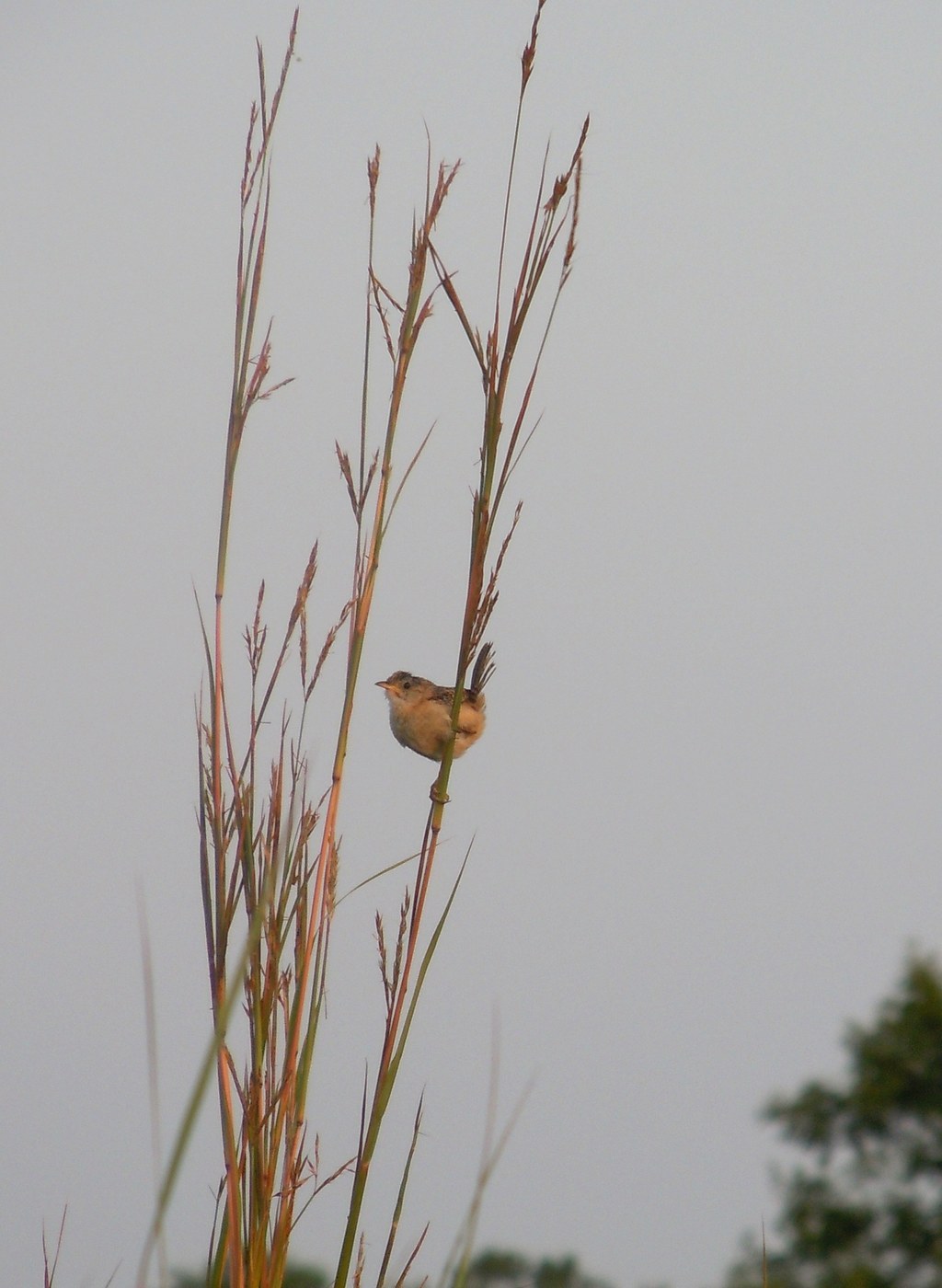
Sedge Wren
Tiny streaked crown and back feathers

Yellow-winged Cacique
Glossy black body feathers, yellow wing patch, shaggy crest

Yellow Warbler
Small contour and flight feathers
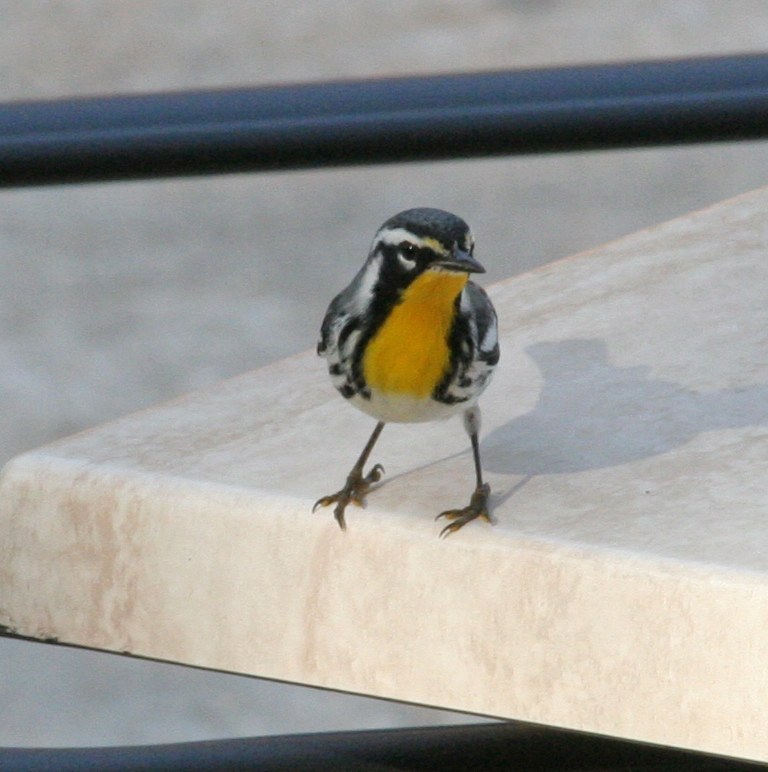
Yellow-throated Warbler
Small contour and flight feathers
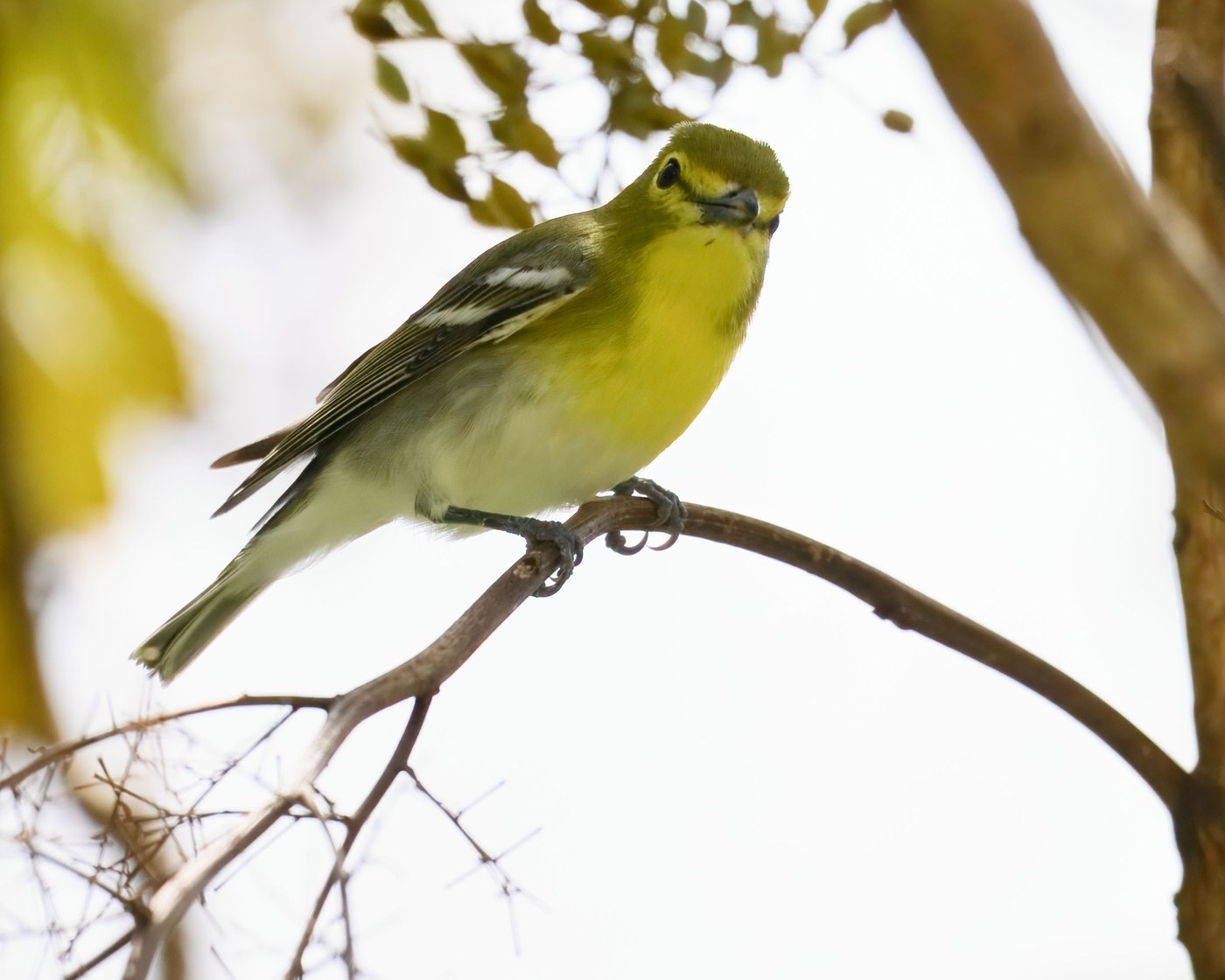
Yellow-throated Vireo
Bright yellow throat and spectacle feathers; olive-green back feathers; two white wing-bar feathers

Yellow-rumped Warbler
Small contour and flight feathers
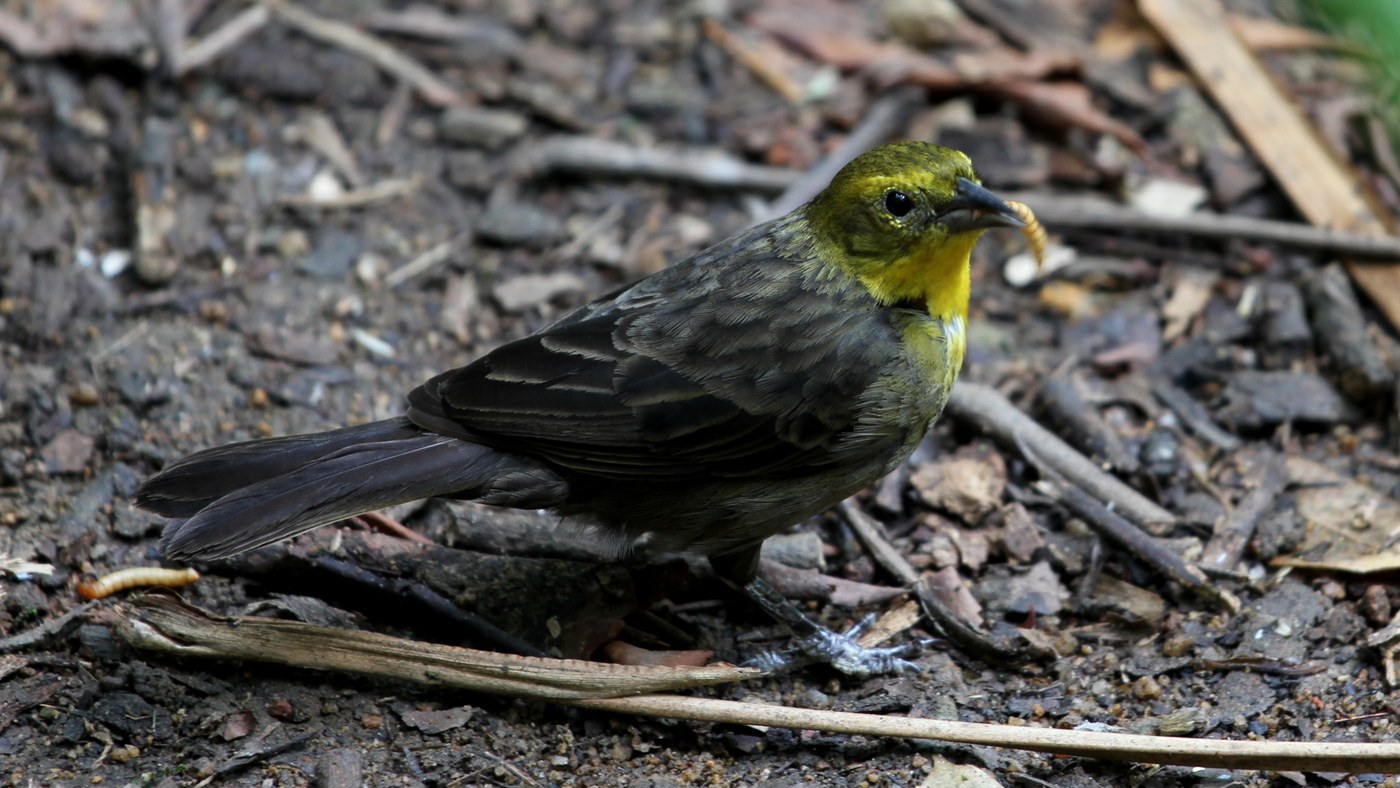
Yellow-hooded Blackbird
Contrasting hood and body feathers
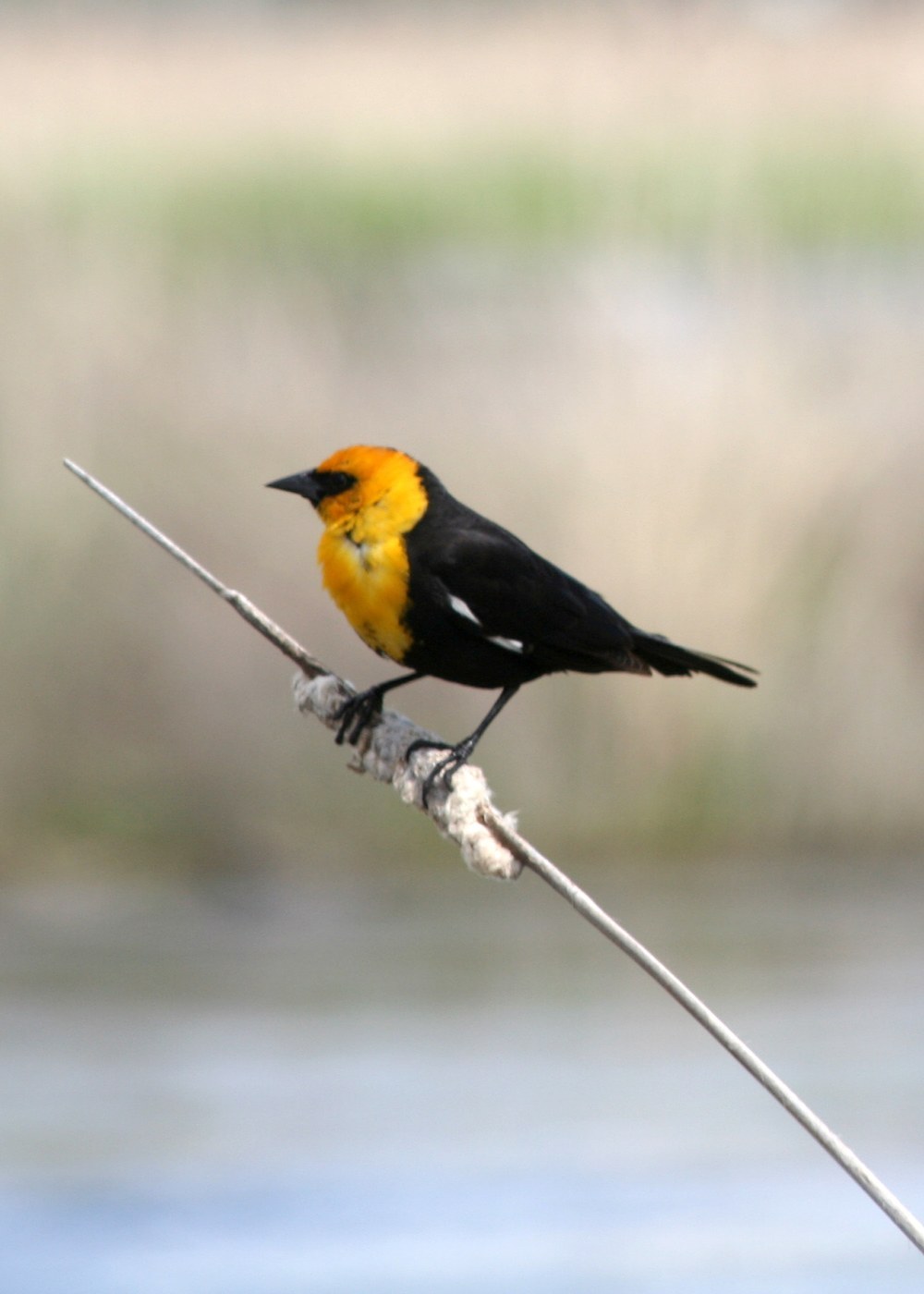
Yellow-headed Blackbird
Glossy black body plumage with a bright yellow head and breast

Yellow-eyed Junco
Contour and flight feathers

Yellow-fronted Canary
Small, smooth body plumage

Yellow-breasted Greenfinch
Compact, smooth body plumage