
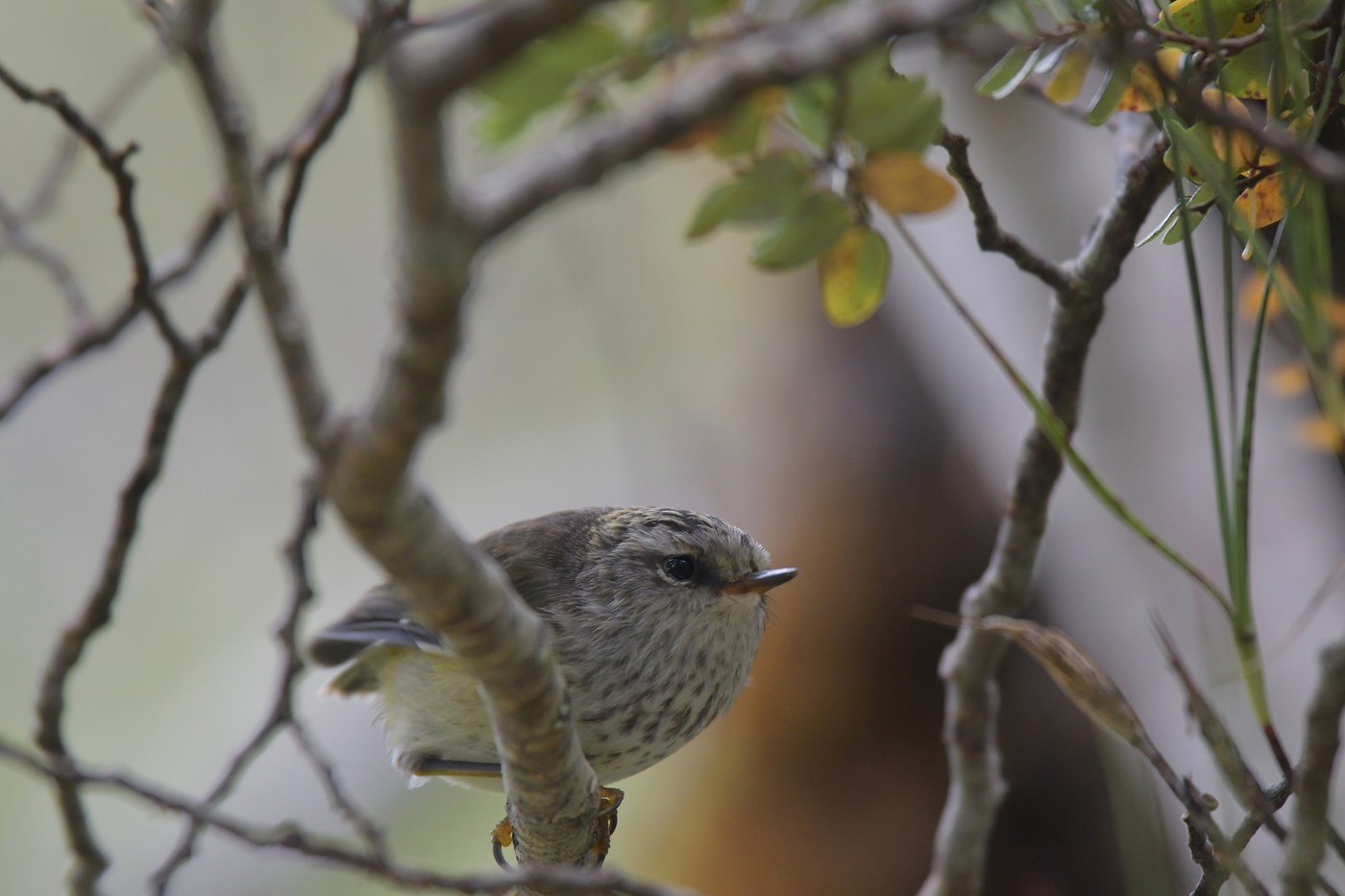
Rifleman
Acanthisitta chloris
The Rifleman is New Zealand's smallest bird, a tiny, almost tailless forest species that creeps up tree trunks probing bark for insects.
- Feather type
- Extremely short, stiff tail feathers with dense, tiny body contour feathers
- Colours
- Bright green above in males, streaked brown in females, pale below
- Bird size
- Tiny, ~8 cm, New Zealand's smallest bird
Found a feather like this?
Identify any feather from a photo, free.
Overview
Overview
The Rifleman is New Zealand's smallest extant bird species and one of only two surviving members of an ancient family of New Zealand wrens, unrelated to true wrens elsewhere in the world. Its diminutive size and near-absent tail give it a distinctive silhouette unlike any other New Zealand songbird.
- Family: Acanthisittidae (New Zealand wrens)
- Distribution: forested areas of the North and South Islands of New Zealand
- Notable trait: very short, stubby tail and rapid, whirring flight
Identifying the Feather
Feather Identification
Males are bright yellow-green above and paler yellowish below, while females are streaked brown above with a duller pale underside, both sexes sharing a very short, almost stub-like tail quite unlike typical songbird tails. The bill is thin, fine, and slightly upturned, suited to probing bark crevices. Body feathers are small and densely packed, suited to the bird's tiny size and constant tree-trunk foraging.
- Overall shape: extremely small body with a near-absent tail
- Key mark: male's bright green upperparts versus female's streaked brown
- Compare with: Grey Warbler (also tiny, but has a normal-length tail and plainer grey-brown colour)
Plumage & Molt
Plumage
Sexual dimorphism is present, with males bright green above and females streaked brown, a pattern unusual among small New Zealand forest birds. Juveniles resemble females initially. There is minimal seasonal plumage change beyond normal moult.
Habitat & Range
Habitat & Range
Riflemen inhabit native forest, especially where mature trees with furrowed bark provide foraging surfaces, across both main islands of New Zealand, though populations have contracted in some areas due to introduced predators. They are largely sedentary within forest territories.
Behavior & Field Notes
Behavior & Field Notes
Riflemen forage by creeping up tree trunks and along branches, probing bark crevices for small insects and spiders, rarely descending to the ground. Their call is an extremely high-pitched, thin note, at the very upper edge of human hearing for some listeners. Nests are built in tree cavities or crevices, sometimes in artificial nest boxes.
- Diet: small insects and spiders gleaned from bark
- Voice: an extremely high-pitched, thin, almost inaudible call
- Field note: foraging behaviour resembles that of a tiny treecreeper, working methodically up trunks and along branches
Frequently asked questions
Is the Rifleman really New Zealand's smallest bird?
Yes, at around 8 cm it is the smallest extant bird species found in New Zealand.
Why does it look like it has no tail?
Its tail feathers are extremely short and stubby, giving the bird a distinctive nearly tailless silhouette.
Do males and females look different?
Yes, males are bright green above while females are streaked brown, an unusual difference for such a tiny bird.
How does it forage?
It creeps up tree trunks and along branches probing bark crevices for small insects, much like a tiny treecreeper.
Rifleman guides
In-depth guides for identifying and understanding Rifleman.
Other feathers you may enjoy

Yellow-breasted Bunting
Contour and flight feathers, chestnut-and-yellow breeding pattern
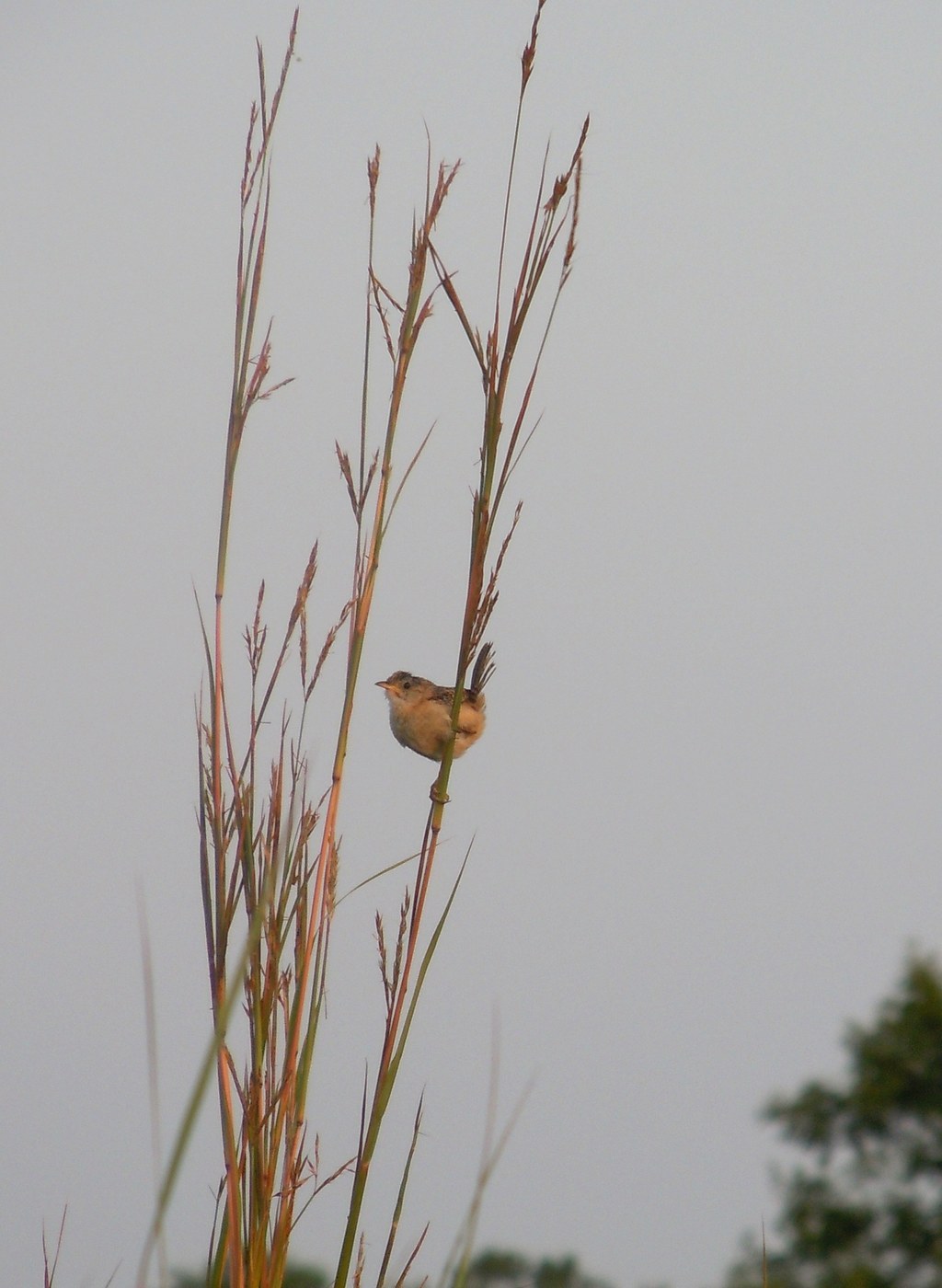
Sedge Wren
Tiny streaked crown and back feathers

Yellow-winged Cacique
Glossy black body feathers, yellow wing patch, shaggy crest

Yellow Warbler
Small contour and flight feathers
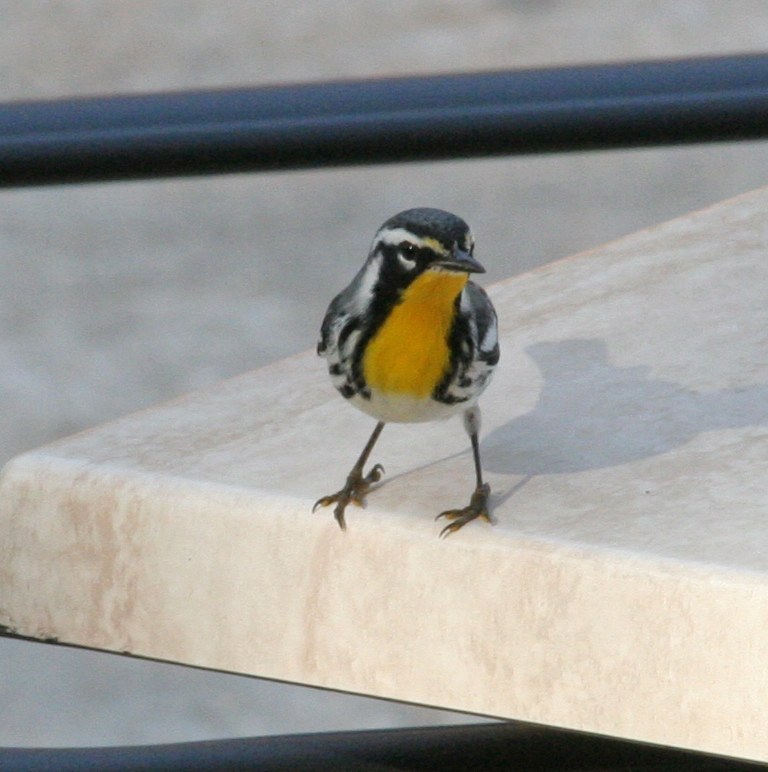
Yellow-throated Warbler
Small contour and flight feathers
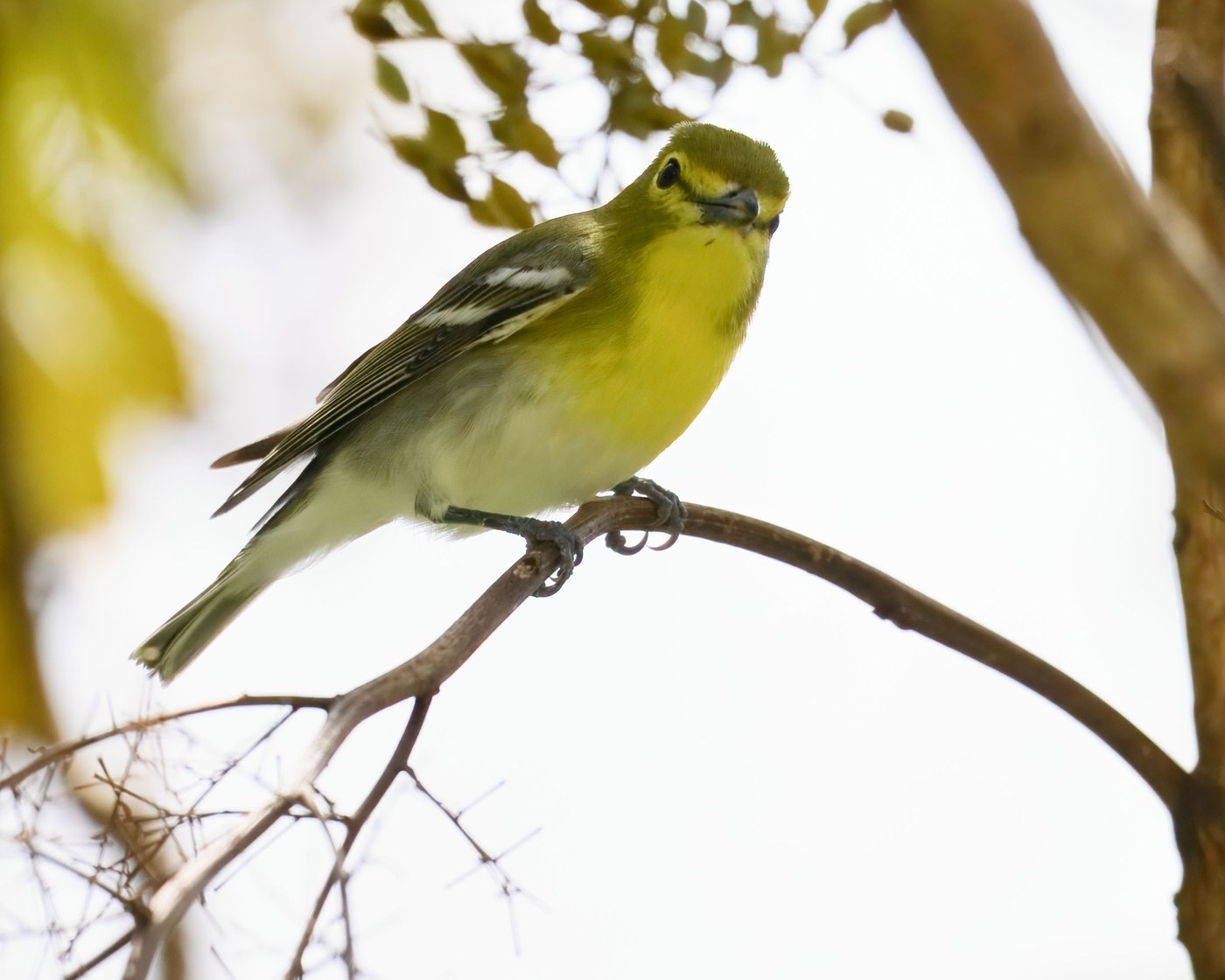
Yellow-throated Vireo
Bright yellow throat and spectacle feathers; olive-green back feathers; two white wing-bar feathers

Yellow-rumped Warbler
Small contour and flight feathers
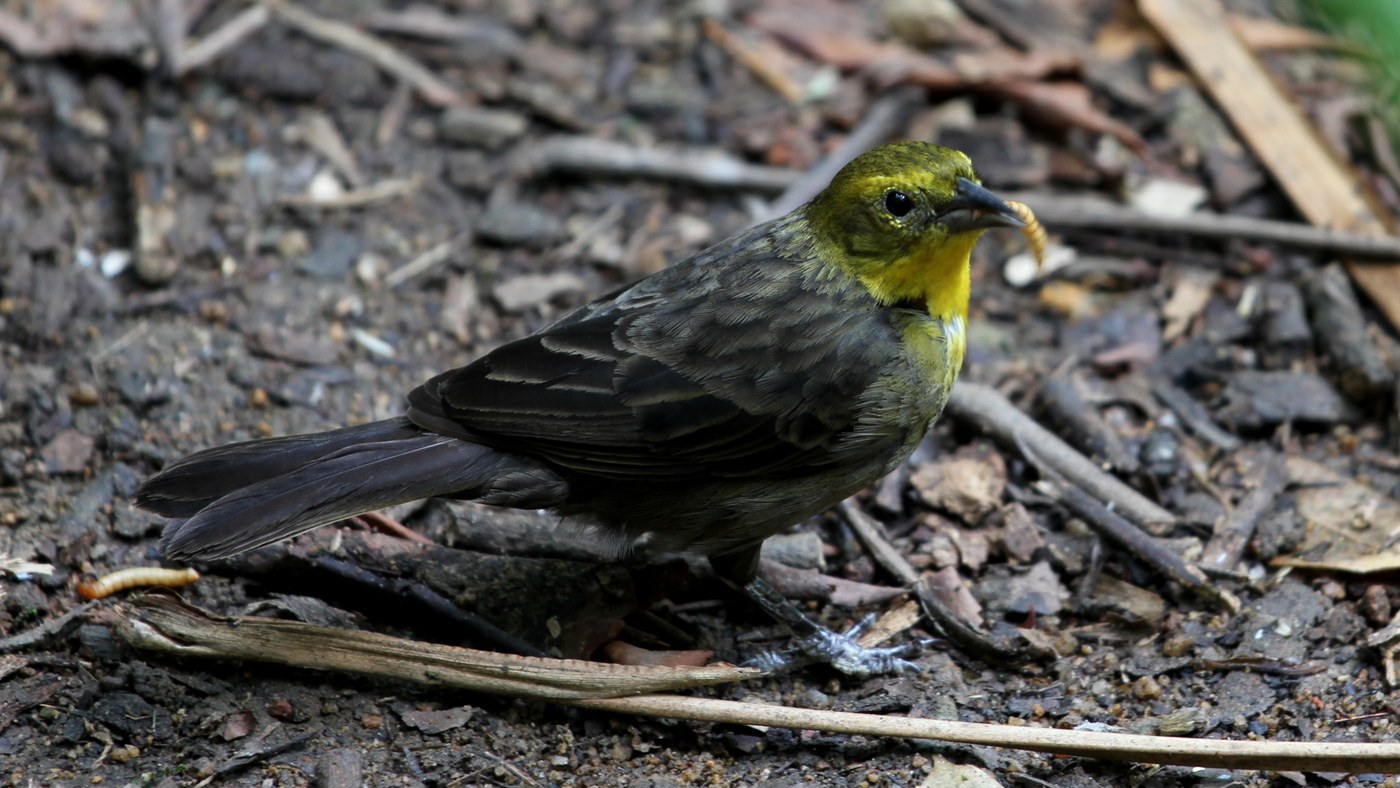
Yellow-hooded Blackbird
Contrasting hood and body feathers
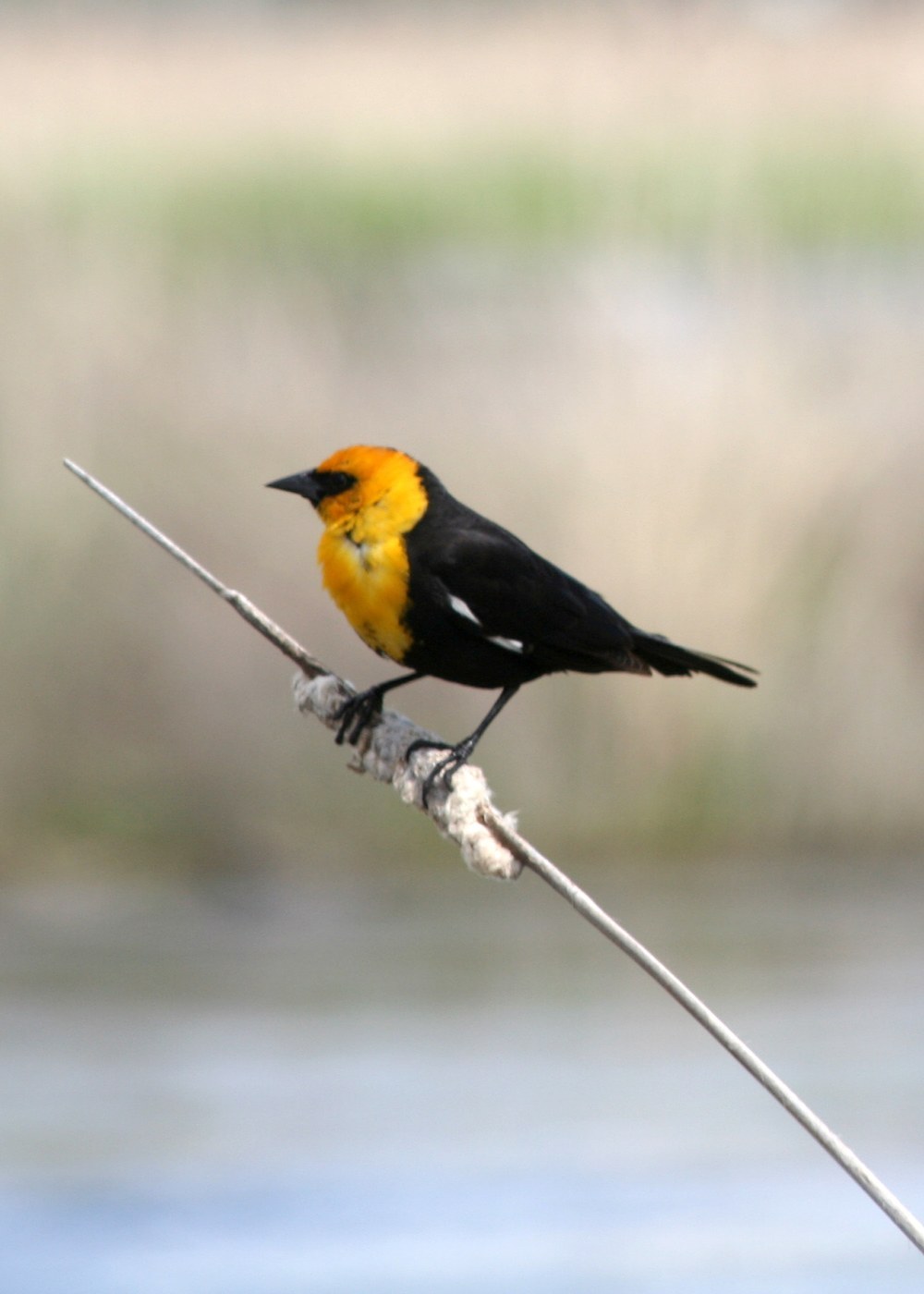
Yellow-headed Blackbird
Glossy black body plumage with a bright yellow head and breast

Yellow-eyed Junco
Contour and flight feathers

Yellow-fronted Canary
Small, smooth body plumage

Yellow-breasted Greenfinch
Compact, smooth body plumage