

Rose-bellied Bunting
Passerina rositae
A rare Mexican bunting found only near the Isthmus of Tehuantepec, the male Rose-bellied Bunting shows turquoise-blue upperparts and a distinctive rose-pink belly.
- Feather type
- Small contour feathers combining turquoise-blue upperparts with a rose-pink belly patch
- Colours
- Turquoise-blue head and back with a rose-pink belly
- Bird size
- Small, ~13-14 cm
Found a feather like this?
Identify any feather from a photo, free.
Overview
The Rose-bellied Bunting is a range-restricted songbird found only in a small area of tropical deciduous forest around the Isthmus of Tehuantepec in Oaxaca, Mexico. Males show a combination of turquoise-blue upperparts and head with a soft rose-pink wash across the belly, a color combination not shared by any other bunting in the region. Females are much plainer, olive above and buffy below with a subtle pink tinge that hints at the male's pattern.
Identifying the Feather
Adult male head, throat, and back feathers show a bright turquoise-blue, while the belly and lower underparts show a distinctive soft rose-pink wash, creating a two-toned pattern that is diagnostic within its limited range. The wings and tail are predominantly blue without strong contrasting wing bars. Females show olive-green upperparts and buffy underparts with a faint pink tinge on the belly that echoes the male's more vivid rose color, though much more subdued and easily overlooked.
Plumage & Molt
Adult males show their brightest turquoise-and-rose plumage when feathers are fresh, with some dulling as feathers wear later in the season. Females remain olive and buffy year-round with minimal seasonal variation. As with other Passerina buntings, first-year males may show a mix of adult and immature-type feathering before completing their transition to full adult plumage.
Habitat & Range
This species has a very restricted range, found only in tropical deciduous forest edge and adjacent scrub around the Isthmus of Tehuantepec in Oaxaca, Mexico. It is considered a resident species within this small range rather than a long-distance migrant.
Behavior & Field Notes
Rose-bellied Buntings forage in low vegetation and forest edge for seeds and invertebrates, generally remaining within or near forest cover. Males sing a warbling song from perches within their limited habitat. Nests are cup-shaped and placed in dense low vegetation. Because of its very restricted range, this species is one of the least commonly encountered Passerina buntings.
Frequently asked questions
What gives the Rose-bellied Bunting its name?
Adult males show a soft rose-pink wash across the belly that contrasts with their turquoise-blue upperparts.
Where can the Rose-bellied Bunting be found?
It occurs only in a small area of tropical deciduous forest edge around the Isthmus of Tehuantepec in Oaxaca, Mexico.
How do female Rose-bellied Buntings compare to males?
Females are olive-green above and buffy below with only a faint pink tinge, far more subdued than the male's vivid turquoise-and-rose pattern.
Is the Rose-bellied Bunting a common bird?
It has a very restricted range and is considered one of the less commonly encountered buntings in its family.
Rose-bellied Bunting guides
In-depth guides for identifying and understanding Rose-bellied Bunting.

Other feathers you may enjoy

Yellow-breasted Bunting
Contour and flight feathers, chestnut-and-yellow breeding pattern
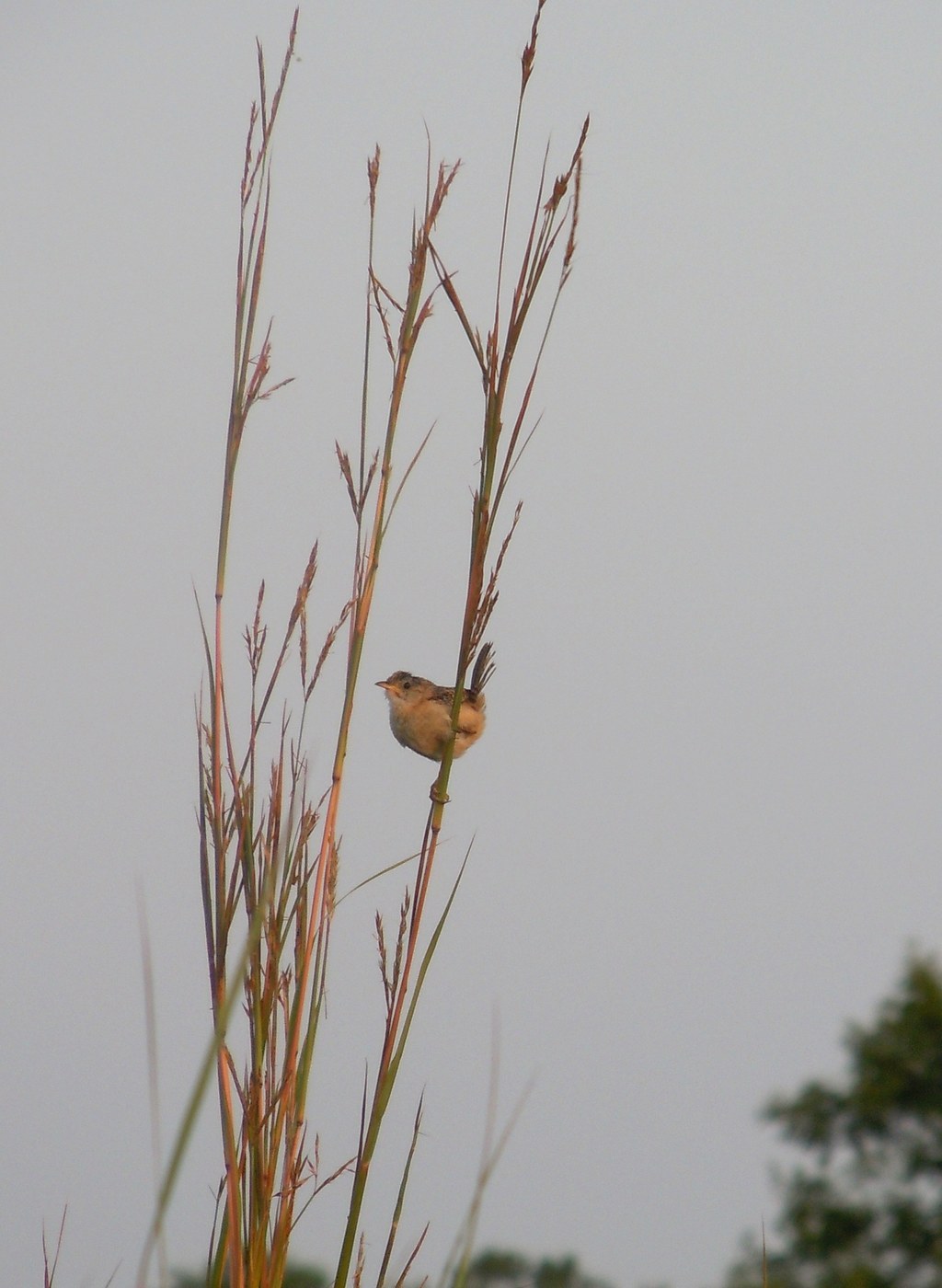
Sedge Wren
Tiny streaked crown and back feathers

Yellow-winged Cacique
Glossy black body feathers, yellow wing patch, shaggy crest

Yellow Warbler
Small contour and flight feathers
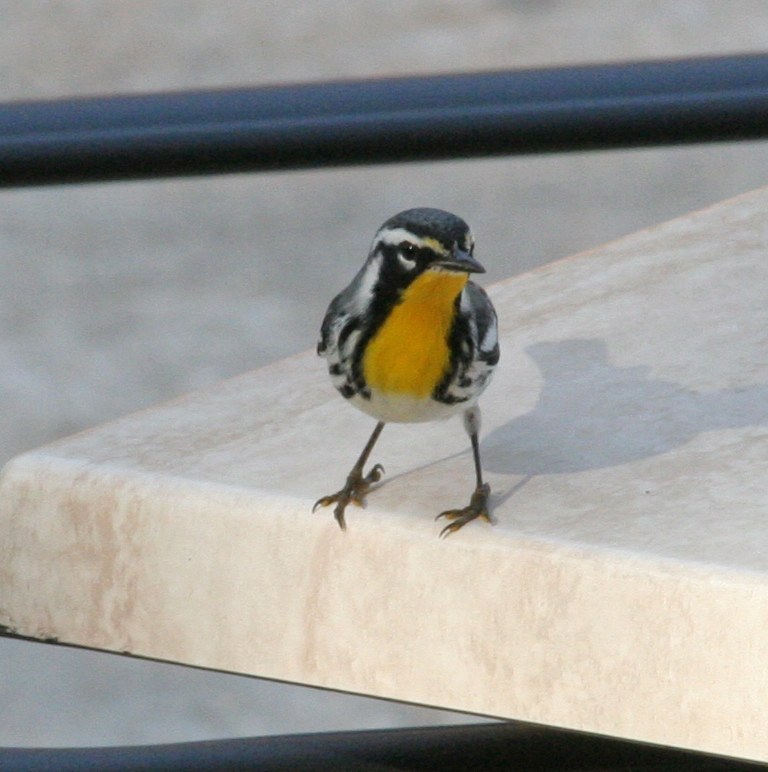
Yellow-throated Warbler
Small contour and flight feathers
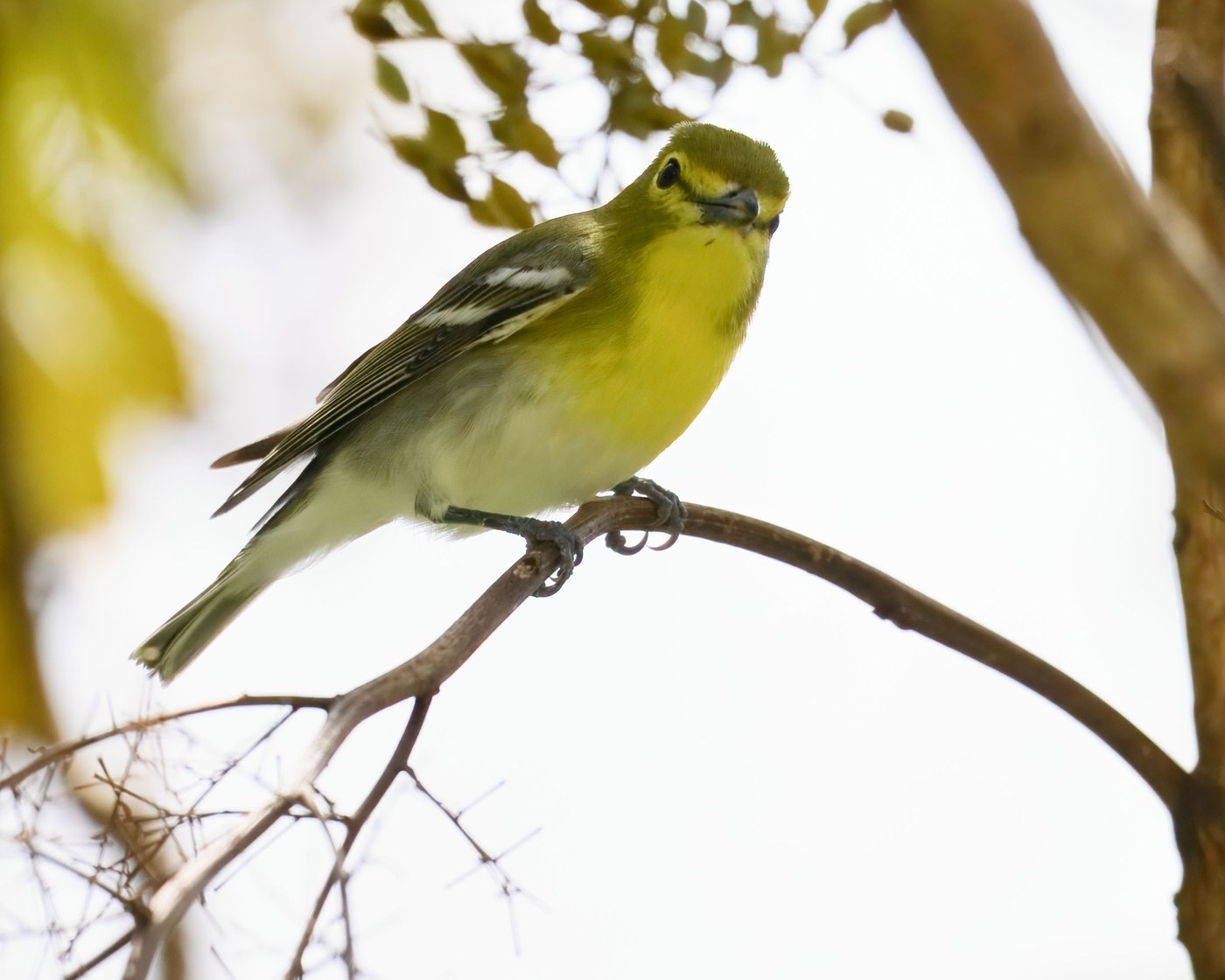
Yellow-throated Vireo
Bright yellow throat and spectacle feathers; olive-green back feathers; two white wing-bar feathers

Yellow-rumped Warbler
Small contour and flight feathers
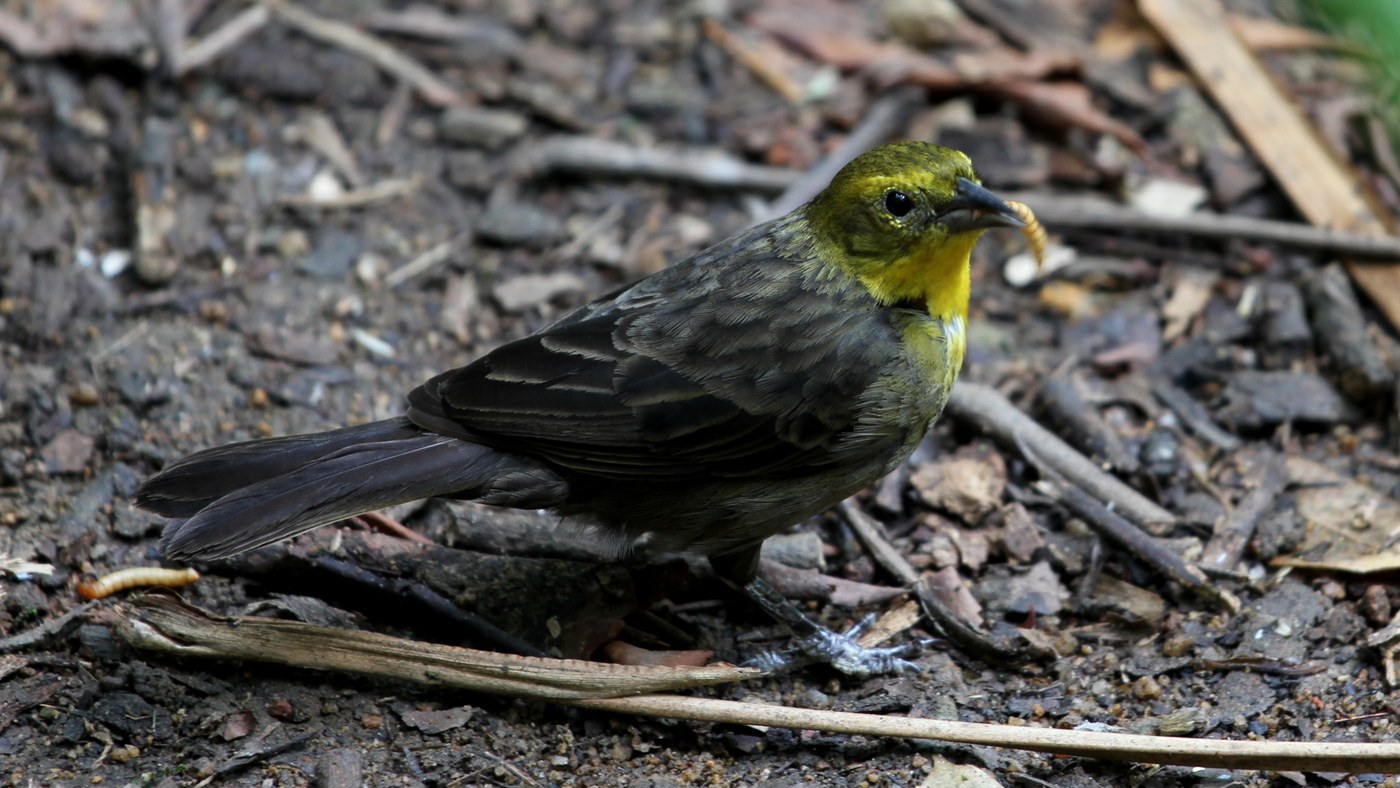
Yellow-hooded Blackbird
Contrasting hood and body feathers
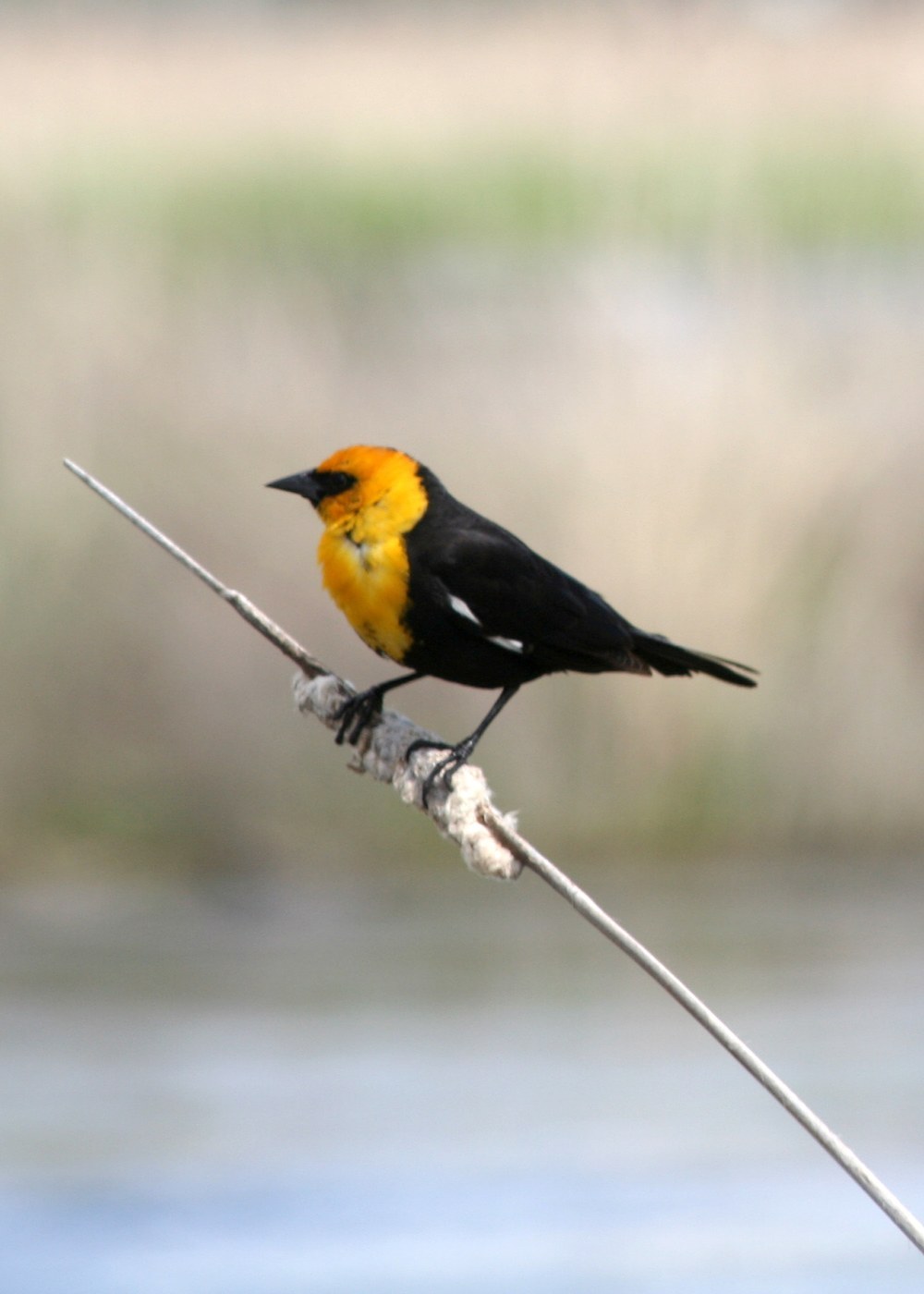
Yellow-headed Blackbird
Glossy black body plumage with a bright yellow head and breast

Yellow-eyed Junco
Contour and flight feathers

Yellow-fronted Canary
Small, smooth body plumage

Yellow-breasted Greenfinch
Compact, smooth body plumage