

Roseate Tern
Sterna dougallii
A pale, elegant tern with unusually long tail streamers and a delicate pink blush to the breeding-season underparts, generally scarcer and more restricted to select coastal colonies than its close relatives.
- Feather type
- Body and flight feathers
- Colours
- Very pale gray upperparts, white underparts (sometimes rosy-tinged), black cap
- Bird size
- Small-medium tern, ~36-42 cm (including long tail streamers)
Found a feather like this?
Identify any feather from a photo, free.
Overview
Overview
The Roseate Tern is a slender, pale-plumaged tern known for its exceptionally long tail streamers, which extend well beyond the folded wingtips at rest, longer proportionately than in most other similarly sized terns. Breeding adults may show a faint rosy or pinkish blush on the underparts, the feature that gives the species its name, though this coloration can be subtle and is not always obvious in the field. The upperparts are notably pale gray, appearing almost white at a distance, especially in flight against a bright sky.
This species tends to nest in fewer, more localized colonies than the more widespread Common Tern, often alongside that species, and in many regions is considered a species of particular conservation interest due to its patchier distribution and smaller overall population.
Identifying the Feather
Feather Identification
- Wing feathers: Primaries are notably pale, showing less dark pigmentation on the outer webs than Common Tern, contributing to an overall paler wing appearance in flight.
- Tail feathers: Extremely long, deeply forked tail streamers that extend well past the wingtips when the bird is standing, longer in proportion than those of Common or Arctic Tern.
- Size and shape: Overall build is slender, with a bill that appears longer and more attenuated than in Common Tern, giving a sleeker head and bill profile.
- Body feathers: Very pale gray upperparts and white underparts, with adults sometimes showing a delicate pink wash on the breast during the breeding season, most visible at close range in good light.
- Compared to similar species: Common Tern is slightly darker gray above with a shorter tail and stockier bill; Roseate Tern's bill is mostly black with only a variable amount of red at the base, unlike the more extensively red-orange bill of Common Tern.
Plumage & Molt
Plumage Details
Breeding adults show a black cap, very pale gray upperparts, white underparts sometimes tinged with pink, and a mostly black bill with a variable amount of red confined to the base. Legs are red-orange. In nonbreeding plumage the forehead whitens and the bill loses most or all of its red base, becoming entirely black. Juveniles show a scaly, dark-scalloped pattern on the back and wing coverts, a dark bill and legs, and lack the long tail streamers of adults, developing these features progressively over their first couple of years.
Habitat & Range
Habitat & Range
Roseate Terns breed in scattered, often localized colonies along temperate and tropical coastlines in parts of North America, Europe, and other regions worldwide, generally nesting on offshore islands, sandy or rocky beaches, and sometimes vegetated cover rather than fully open sand. They are strongly migratory, with populations from temperate breeding areas moving to tropical and subtropical wintering grounds, often along the coasts of South America, Africa, or other warm regions depending on the breeding population.
Behavior & Field Notes
Behavior & Field Notes
Roseate Terns forage by plunge-diving for small fish, often over deeper or more offshore waters than some related terns, and are known for occasionally kleptoparasitizing other terns to steal captured prey. They nest colonially, frequently in association with Common Terns, sometimes using natural cover such as rocks or vegetation for nest concealment more than the fully open scrapes preferred by some other terns. The call is a distinctive, harsh "chi-vik" note, along with other grating calls typical of terns. Its very pale upperparts, long tail streamers, and mostly black bill are the most useful features for separating it from the more common and widespread Common Tern.
Frequently asked questions
Where does the Roseate Tern get its name?
From the faint pink or rosy blush sometimes visible on the underparts of breeding adults, though this coloration is subtle and not always apparent in the field.
How can I tell Roseate Tern from Common Tern?
Roseate Tern is paler gray above, has notably longer tail streamers, and shows a mostly black bill with only a limited red base, compared to Common Tern's more extensively red-orange bill and shorter tail.
Where does this species typically nest?
It breeds in scattered, often localized colonies on coastal islands and beaches, frequently alongside Common Terns, sometimes using rocks or vegetation for additional nest cover.
Is the Roseate Tern considered a species of conservation concern?
In many regions its patchier distribution and smaller population compared to more widespread terns have made it a focus of conservation attention, though status varies by region.
Roseate Tern guides
In-depth guides for identifying and understanding Roseate Tern.

Other feathers you may enjoy

Western Gull
Body, flight, and tail feathers
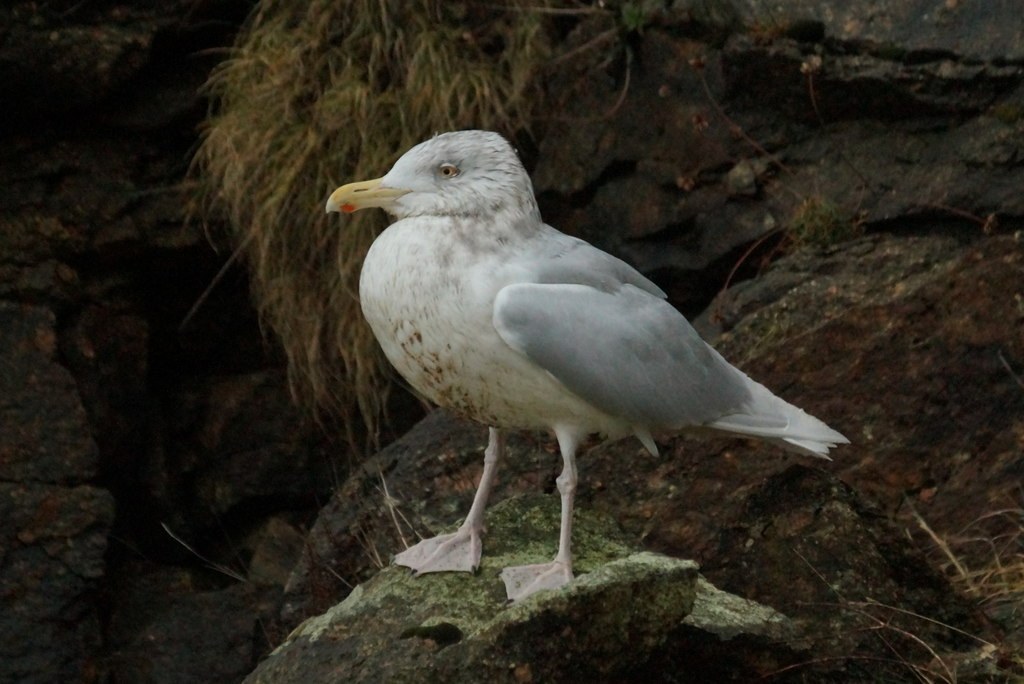
Glaucous Gull
Body, flight, and tail feathers

American Herring Gull
Body, flight, and tail feathers

Great Black-backed Gull
Body, flight, and tail feathers

Common Gull
Body, flight, and tail feathers
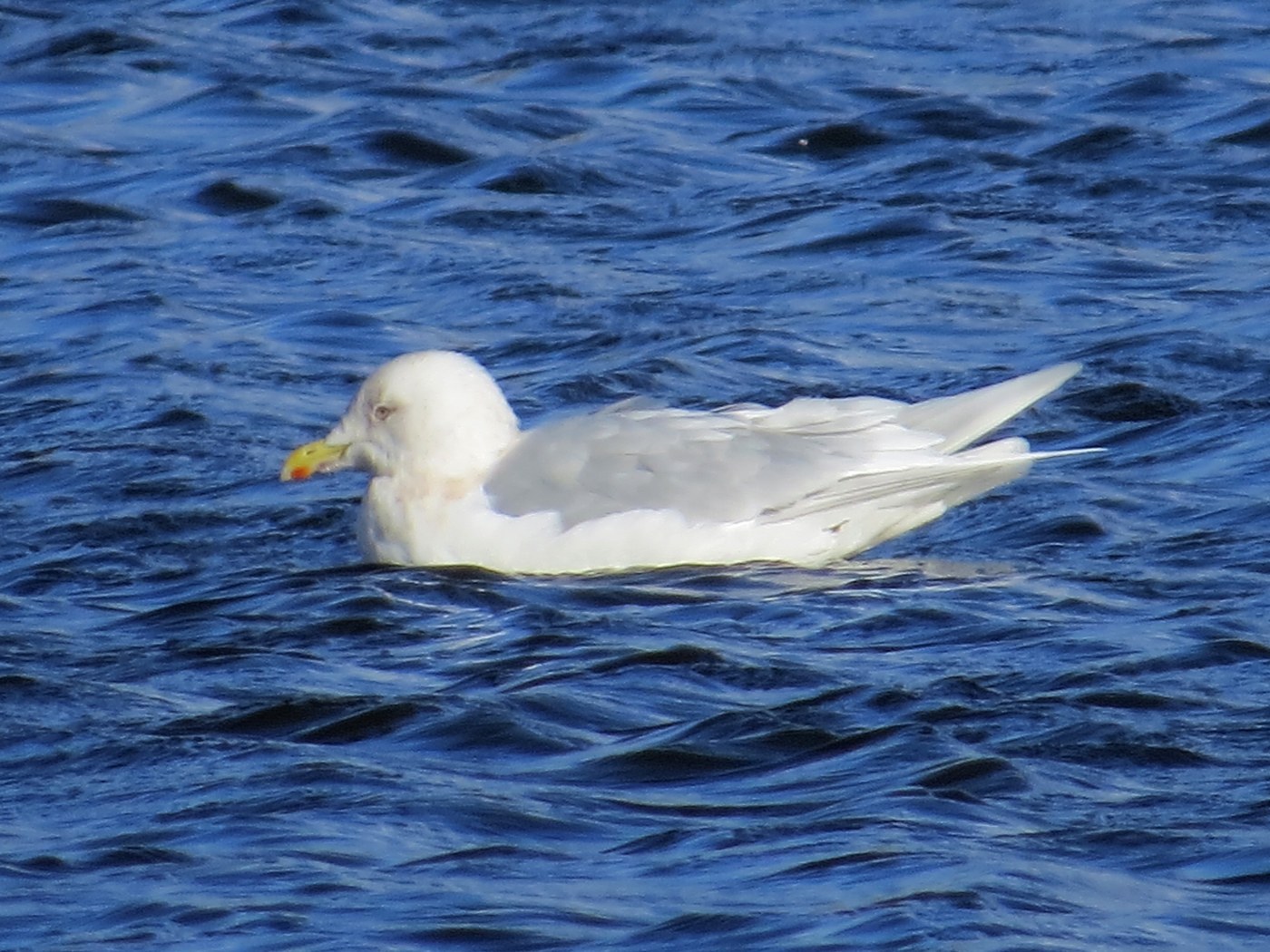
Iceland Gull
Body, flight, and tail feathers

Ring-billed Gull
Body, flight, and tail feathers

Glaucous-winged Gull
Body, flight, and tail feathers

Herring Gull
Body, flight, and tail feathers

Lesser Black-backed Gull
Body, flight, and tail feathers

California Gull
Body, flight, and tail feathers
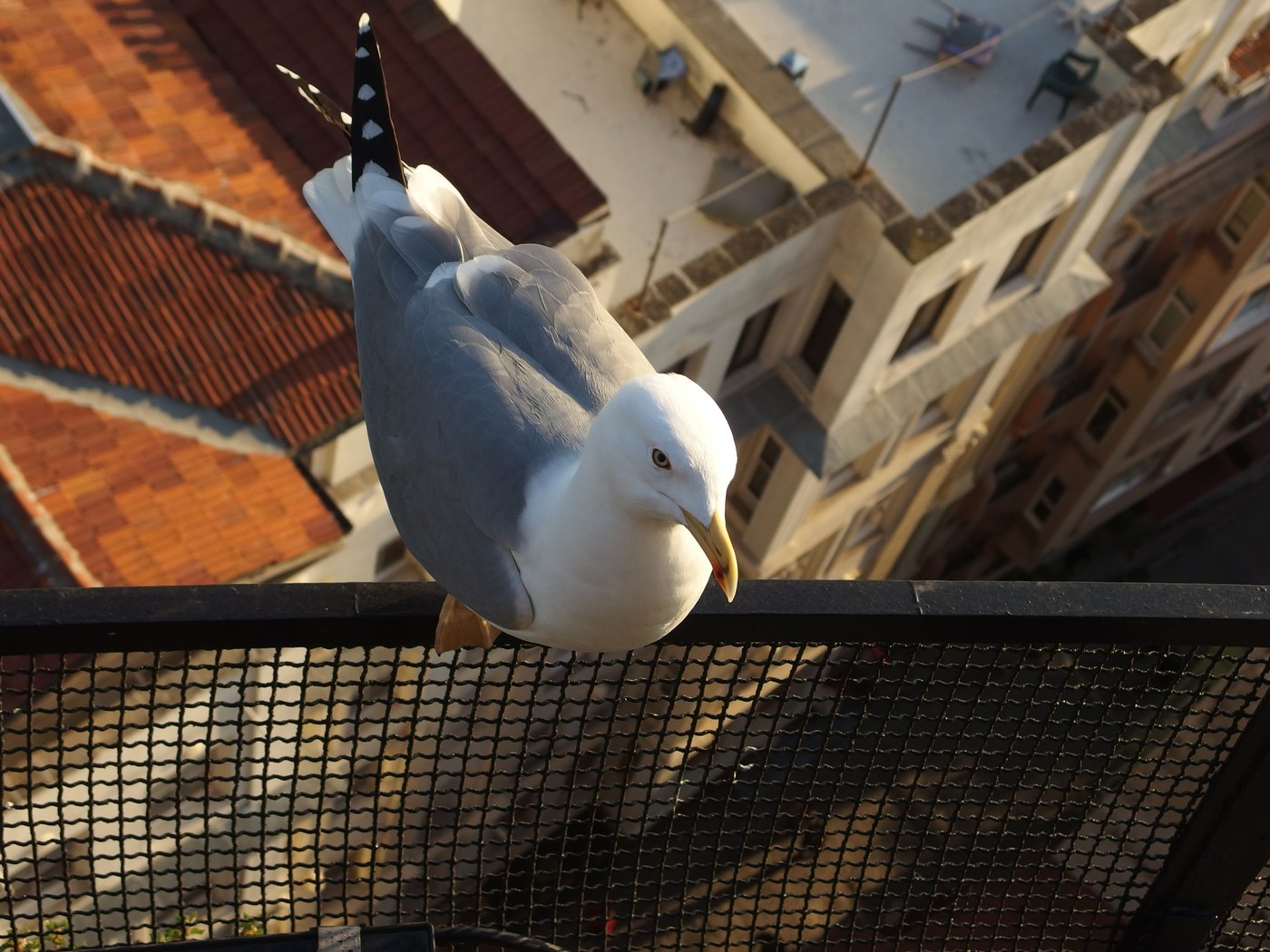
Yellow-legged Gull
Body, wing covert, and flight feathers