

Royal Tern
Thalasseus maximus
One of the largest terns, approaching gull-like proportions, with a heavy orange bill and a shaggy black crest that is often reduced to a ragged crown patch outside the breeding season.
- Feather type
- Body and flight feathers
- Colours
- Pale gray upperparts, white underparts, shaggy black crest, heavy orange bill
- Bird size
- Large tern, ~45-50 cm
Found a feather like this?
Identify any feather from a photo, free.
Overview
Overview
The Royal Tern is a large tern, second in size among regularly encountered terns only to the Caspian Tern, and readily recognized by its heavy orange bill and shaggy black crest. It is a common sight along sandy beaches and estuaries of the Americas and West Africa, often seen resting in mixed flocks with other terns, gulls, and skimmers on open sandbars and beaches.
Outside the breeding season the crest is typically reduced, with the black cap retreating to leave a white forehead and a ragged black patch on the crown and nape, a pattern that persists for much of the year and differs from the fuller black cap shown briefly during breeding.
Identifying the Feather
Feather Identification
- Wing feathers: Pale gray upperwing with a subtly darker area on the outer primaries, less contrasting than in some smaller terns due to the overall large size and paler tone of the plumage.
- Crest feathers: Long, shaggy black feathers on the crown and nape, forming a full cap only briefly during the breeding season and reduced to a ragged crown patch with white forehead for most of the year.
- Size and shape: Feathers are notably large and robust, reflecting the species' large overall body size, second only to Caspian Tern among terns.
- Bill note: The bill is heavy, long, and orange to orange-red, without the black tip seen in Caspian Tern, an important distinguishing feature.
- Compared to similar species: Caspian Tern is larger still, with a thicker, more deeply red bill often showing a dark tip, and a more solidly black cap; Sandwich and Elegant Terns are notably smaller with slimmer, differently colored bills.
Plumage & Molt
Plumage Details
Breeding adults briefly show a full black cap and shaggy crest, pale gray upperparts, white underparts, and a heavy orange bill; this full cap is held only for a short period early in the breeding cycle. For most of the year, including much of the breeding season itself, adults show a white forehead with a black crown and crest restricted to the rear of the head. Juveniles show variable brown mottling on the back and wing coverts along with a duller orange-yellow bill, gradually acquiring adult-like gray upperparts and bill color over their first couple of years.
Habitat & Range
Habitat & Range
Royal Terns breed colonially on sandy beaches, dredge-spoil islands, and coastal islands along the Atlantic and Gulf coasts of the Americas, as well as parts of the Pacific coast and West Africa. They are largely resident to short-distance migrants, with some populations moving toward more southern coastal areas outside the breeding season, but generally remaining within warm coastal and estuarine environments year-round. The species is rarely found far from saltwater and estuarine habitats.
Behavior & Field Notes
Behavior & Field Notes
Royal Terns forage by plunge-diving for fish, often foraging over nearshore and estuarine waters, and readily rest in large mixed flocks on open beaches and sandbars alongside other terns, gulls, and skimmers. They nest in dense colonies on open sand, with chicks forming tight groups called crèches shortly after hatching, a behavior that helps protect young from predators and overheating. The call is a distinctive, harsh "keer" or "kree-ar" note. Its large size, heavy orange bill, and shaggy crest are the most useful features for identifying this species among the mixed flocks of terns commonly seen resting together on beaches.
Frequently asked questions
How can I tell Royal Tern from Caspian Tern?
Royal Tern is somewhat smaller with a slimmer, orange bill lacking a dark tip, while Caspian Tern is larger with a thicker, more deeply red bill that often shows a dusky tip.
Does the Royal Tern keep its full black cap year-round?
No, the full black cap is held only briefly early in the breeding season; for most of the year the forehead is white with the black crown and crest confined to the rear of the head.
What is a tern crèche?
It refers to a tight group formed by young chicks from a colony that gather together for protection and thermoregulation shortly after hatching, a behavior seen in Royal Tern and several related crested terns.
Where does the Royal Tern typically breed?
In dense colonies on sandy beaches and coastal or dredge-spoil islands along the Atlantic, Gulf, and parts of the Pacific coasts of the Americas, as well as coastal West Africa.
Royal Tern guides
In-depth guides for identifying and understanding Royal Tern.

Royal Tern identified by the community
Real feathers identified with Feather Identifier.

Other feathers you may enjoy

Western Gull
Body, flight, and tail feathers

Glaucous Gull
Body, flight, and tail feathers

American Herring Gull
Body, flight, and tail feathers

Great Black-backed Gull
Body, flight, and tail feathers

Common Gull
Body, flight, and tail feathers
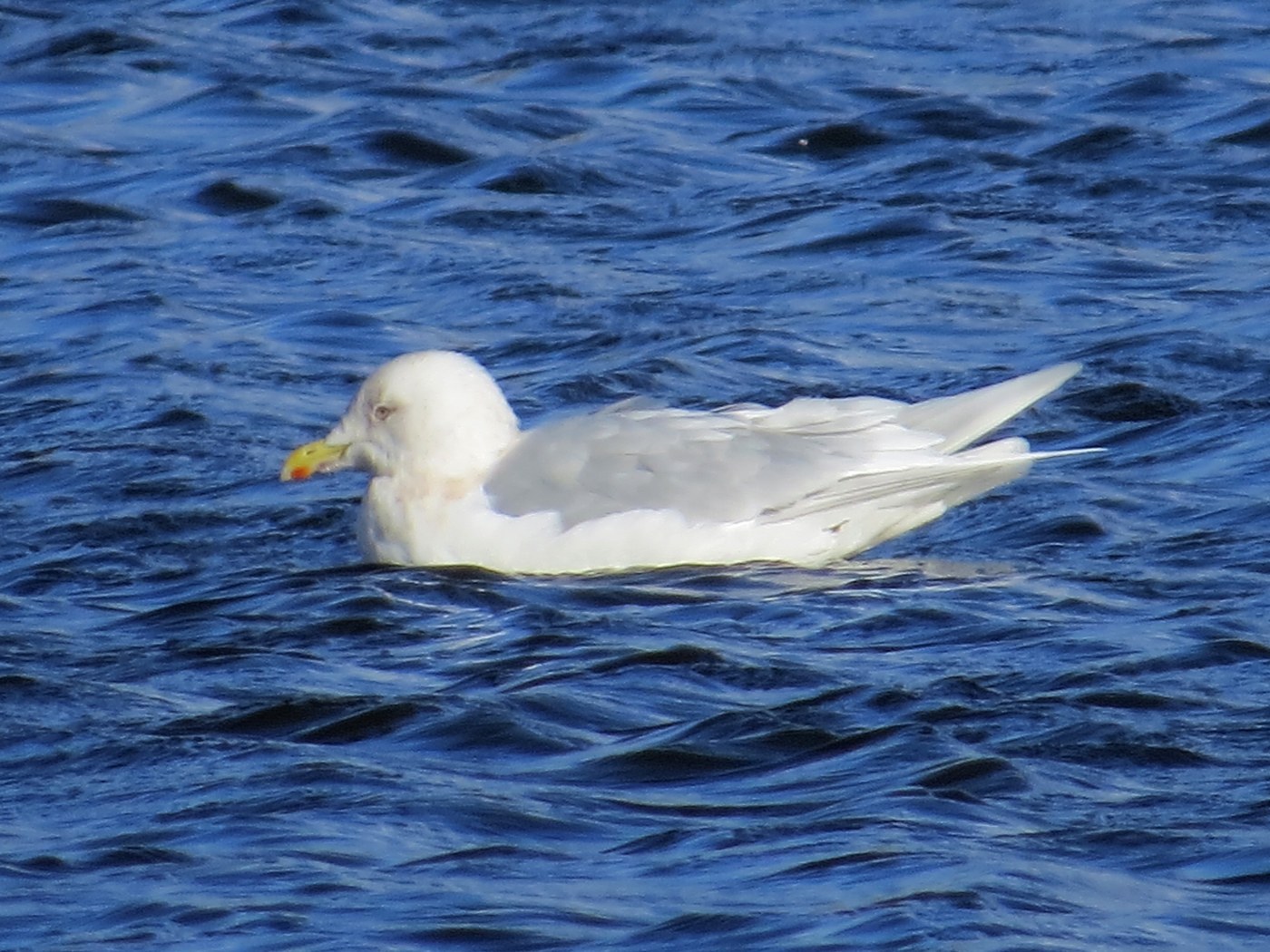
Iceland Gull
Body, flight, and tail feathers

Ring-billed Gull
Body, flight, and tail feathers

Glaucous-winged Gull
Body, flight, and tail feathers

Herring Gull
Body, flight, and tail feathers

Lesser Black-backed Gull
Body, flight, and tail feathers

California Gull
Body, flight, and tail feathers
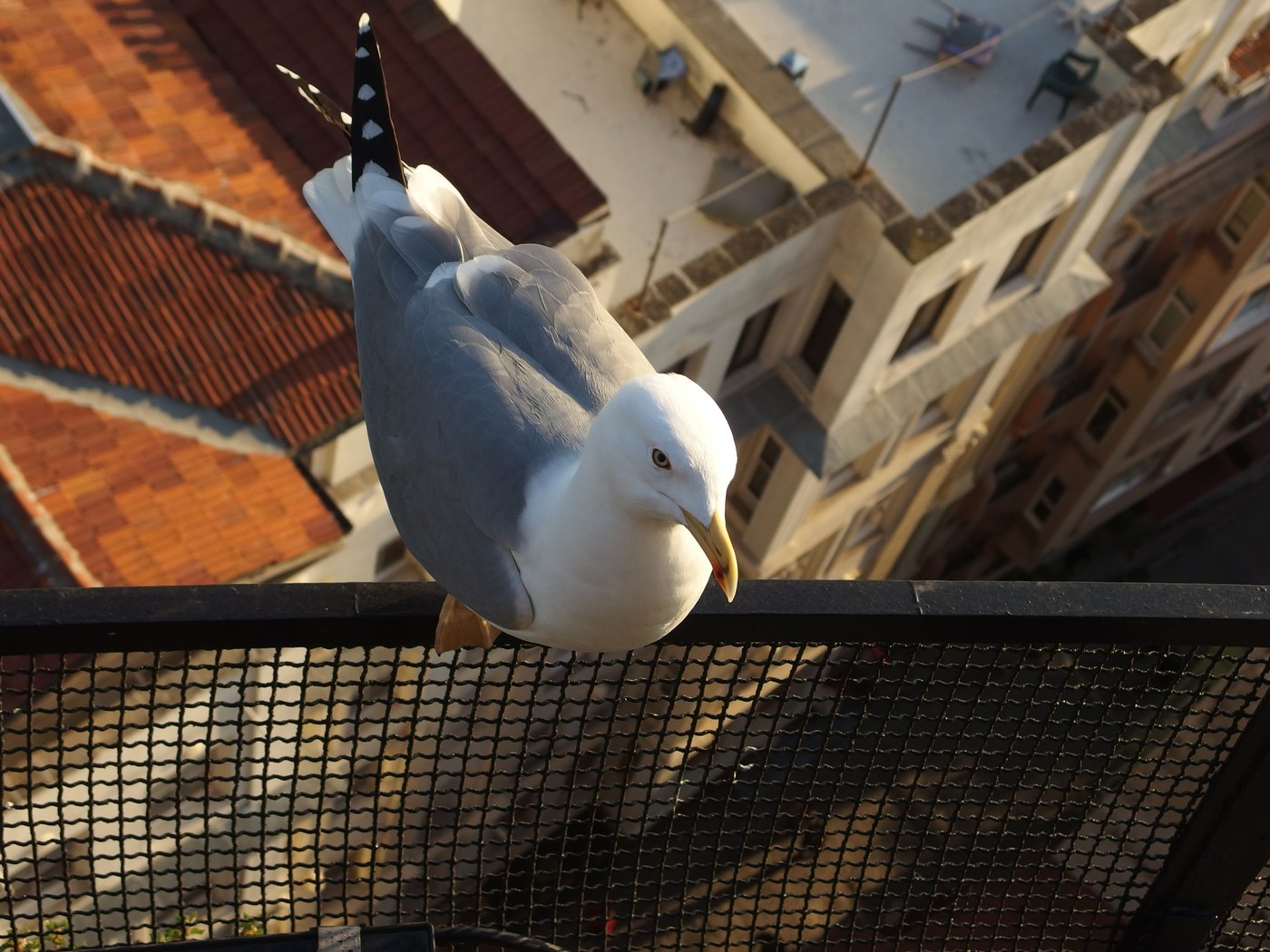
Yellow-legged Gull
Body, wing covert, and flight feathers