

Rufous-capped Warbler
Basileuterus rufifrons
The Rufous-capped Warbler is a lively, tail-cocking warbler of brushy scrub habitat, marked by a rufous crown and bold white facial markings.
- Feather type
- Rufous crown feathers; white eyebrow and eyering feathers; olive-gray back feathers
- Colours
- Rufous cap, white eyebrow and eyering, black eyeline, yellow throat and breast, olive-gray back
- Bird size
- Small warbler, ~13 cm
Found a feather like this?
Identify any feather from a photo, free.
Overview
Overview
The Rufous-capped Warbler ranges from the southwestern United States borderlands south through Mexico and into Central America, favoring dense brushy scrub and thorny thickets rather than tall forest. It often forages with its tail cocked upward, a behavior that draws attention even in dense cover.
Its bold facial pattern, combining a rufous cap with white eyebrow and eyering markings, sets it apart from other yellow-throated warblers in its range.
Identifying the Feather
Recognizing the Feathers
- Crown feathers: rich rufous, contrasting with the rest of the head
- Face feathers: bold white eyebrow stripe and white eyering, separated by a black eyeline through the eye
- Throat & breast feathers: bright yellow, unstreaked
- Back feathers: olive-gray, unstreaked
- Belly feathers: whitish to pale gray
The rufous crown combined with the white eyebrow-and-eyering pattern broken by a black eyeline is distinctive among warblers sharing similar scrubby habitat.
Plumage & Molt
Plumage
Sexes are similar, both showing a rufous crown, bold white facial markings, yellow throat and breast, and olive-gray back; juveniles are duller with a less defined rufous cap. There is no strong seasonal plumage variation, with a single complete molt occurring after breeding.
Habitat & Range
Habitat & Range
This warbler favors dense brushy scrub, thorn thickets, and woodland edge habitat from the borderlands of the southwestern United States south through Mexico and into Central America. Populations are largely resident, without long-distance migration.
Behavior & Field Notes
Behavior & Field Notes
Rufous-capped Warblers forage low in dense scrub, frequently cocking the tail upward while gleaning insects from foliage, a habit useful for field identification. Nests are domed structures built low in dense brush, often near the ground. Its song is a bright, energetic series of notes delivered from within cover.
Frequently asked questions
What is the most useful feather feature for identifying this species?
A rufous crown combined with a bold white eyebrow and eyering pattern broken by a black eyeline is a distinctive combination among warblers in its range.
Does this species migrate long distances?
No, most populations are largely resident within their brushy scrub and thicket habitat rather than undertaking long migrations.
What behavior helps identify this species in the field?
It frequently forages with its tail cocked upward, a habit that can help confirm identification alongside its facial pattern.
Do juveniles look like adults?
Juveniles are similar overall but duller, with a less defined and less vivid rufous crown than adults.
Rufous-capped Warbler guides
In-depth guides for identifying and understanding Rufous-capped Warbler.

Other feathers you may enjoy

Yellow-breasted Bunting
Contour and flight feathers, chestnut-and-yellow breeding pattern
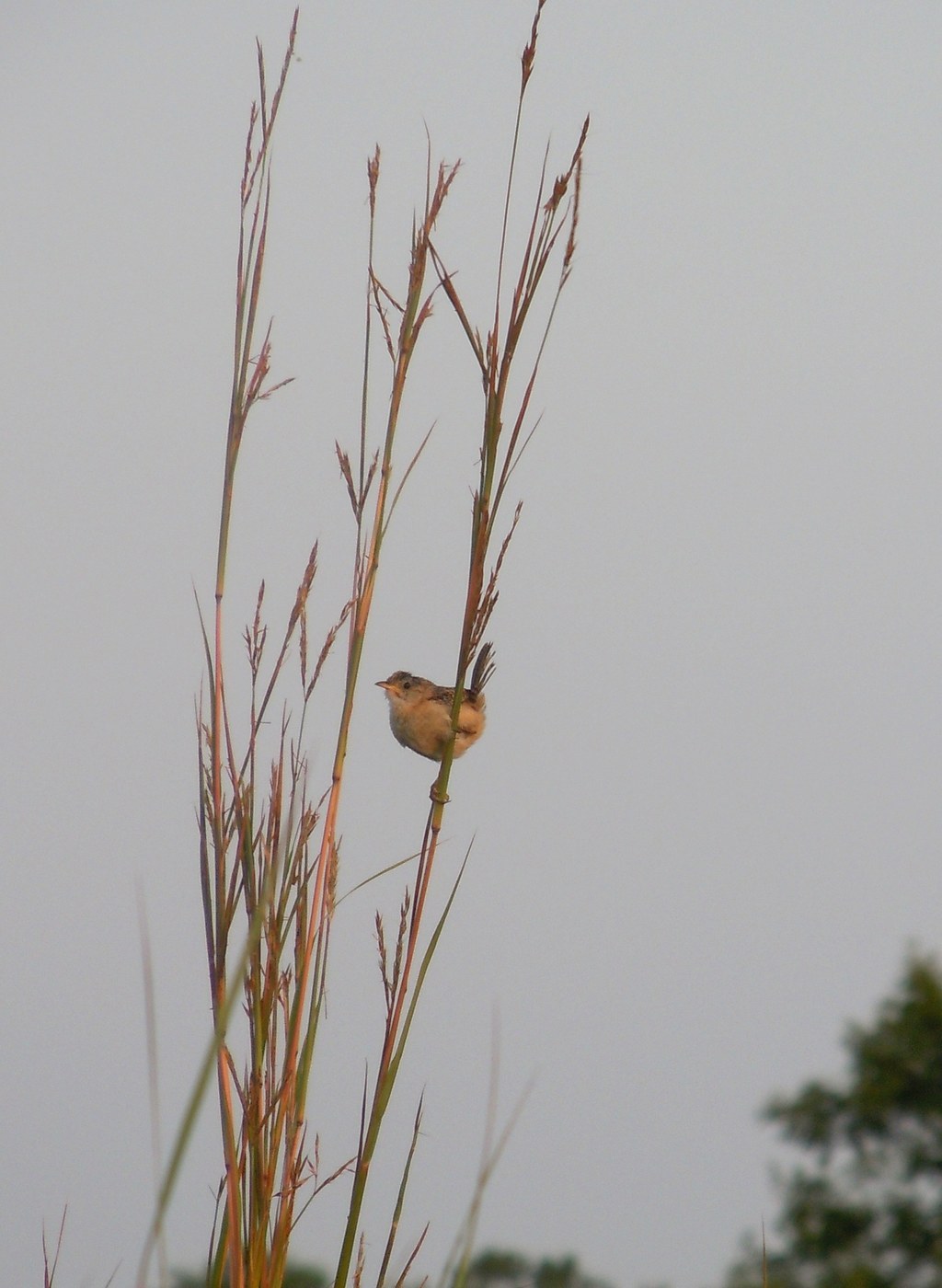
Sedge Wren
Tiny streaked crown and back feathers

Yellow-winged Cacique
Glossy black body feathers, yellow wing patch, shaggy crest

Yellow Warbler
Small contour and flight feathers
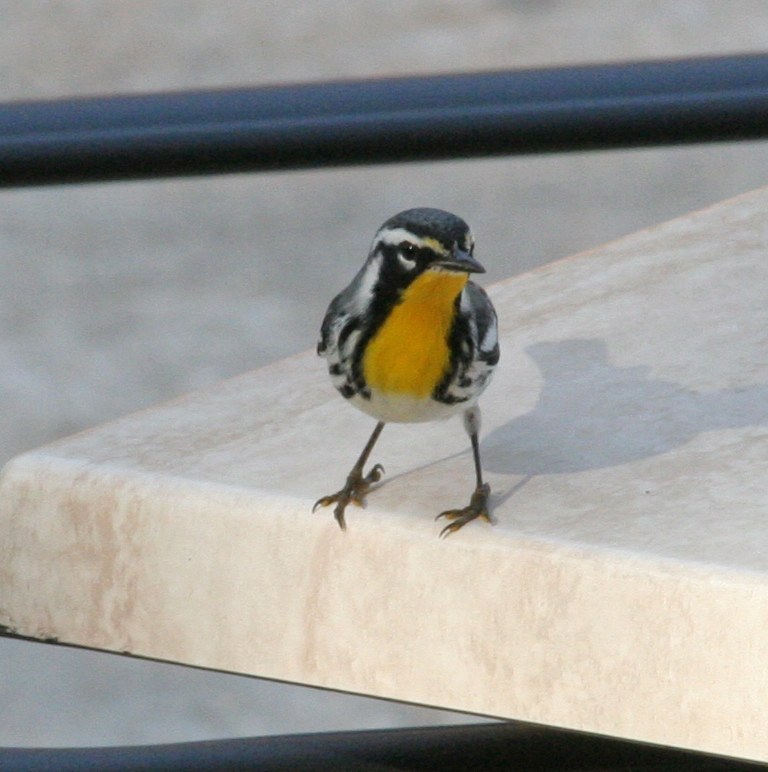
Yellow-throated Warbler
Small contour and flight feathers
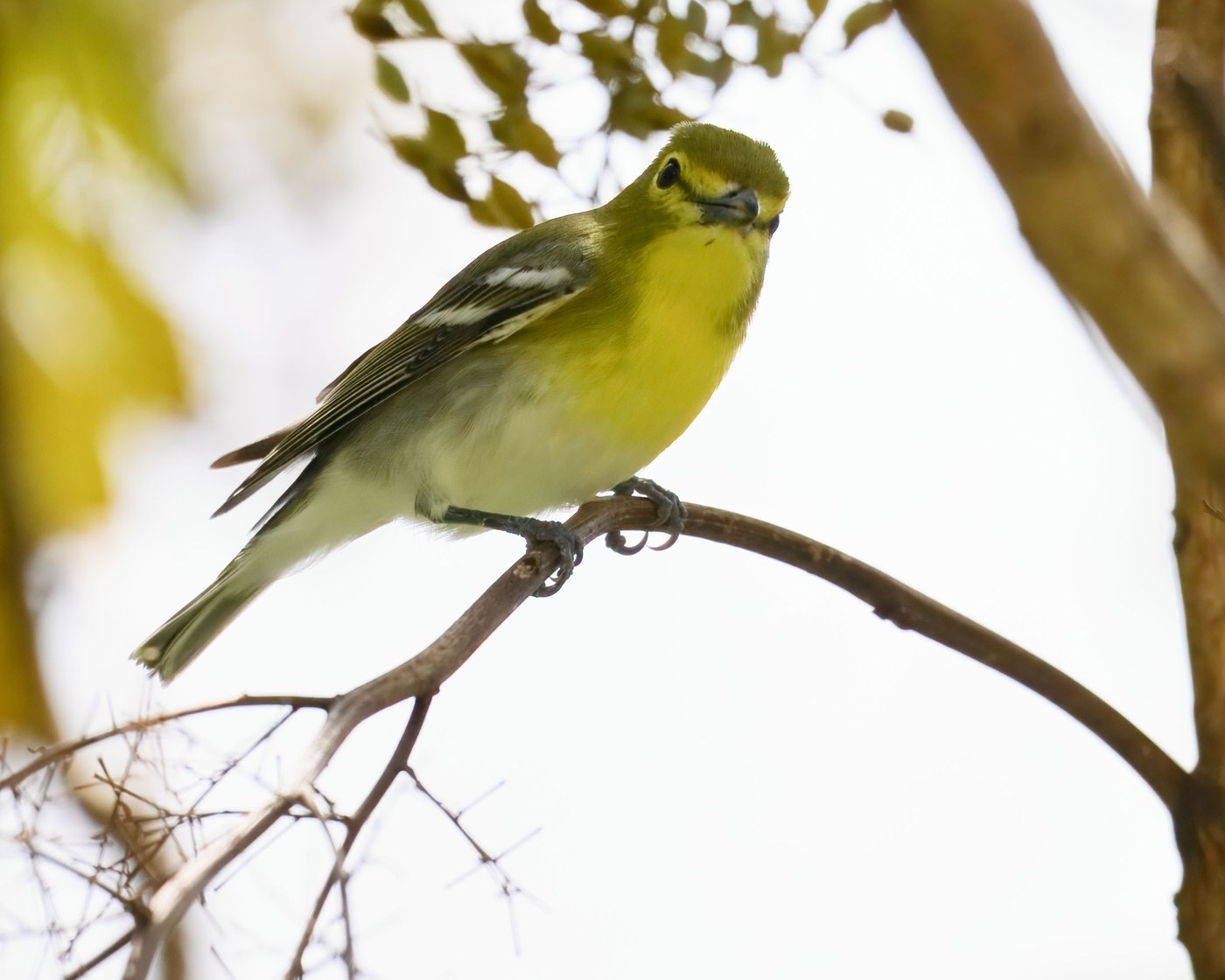
Yellow-throated Vireo
Bright yellow throat and spectacle feathers; olive-green back feathers; two white wing-bar feathers

Yellow-rumped Warbler
Small contour and flight feathers
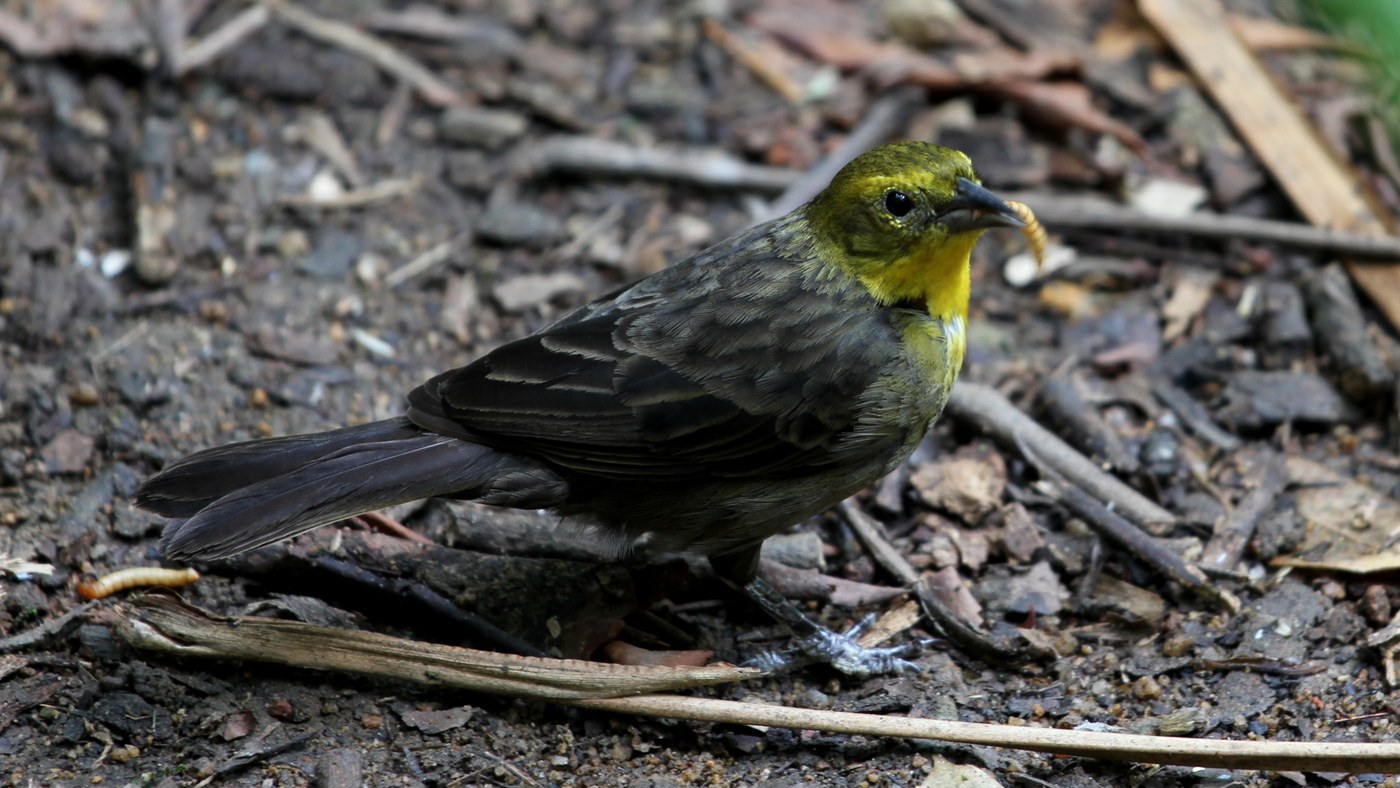
Yellow-hooded Blackbird
Contrasting hood and body feathers
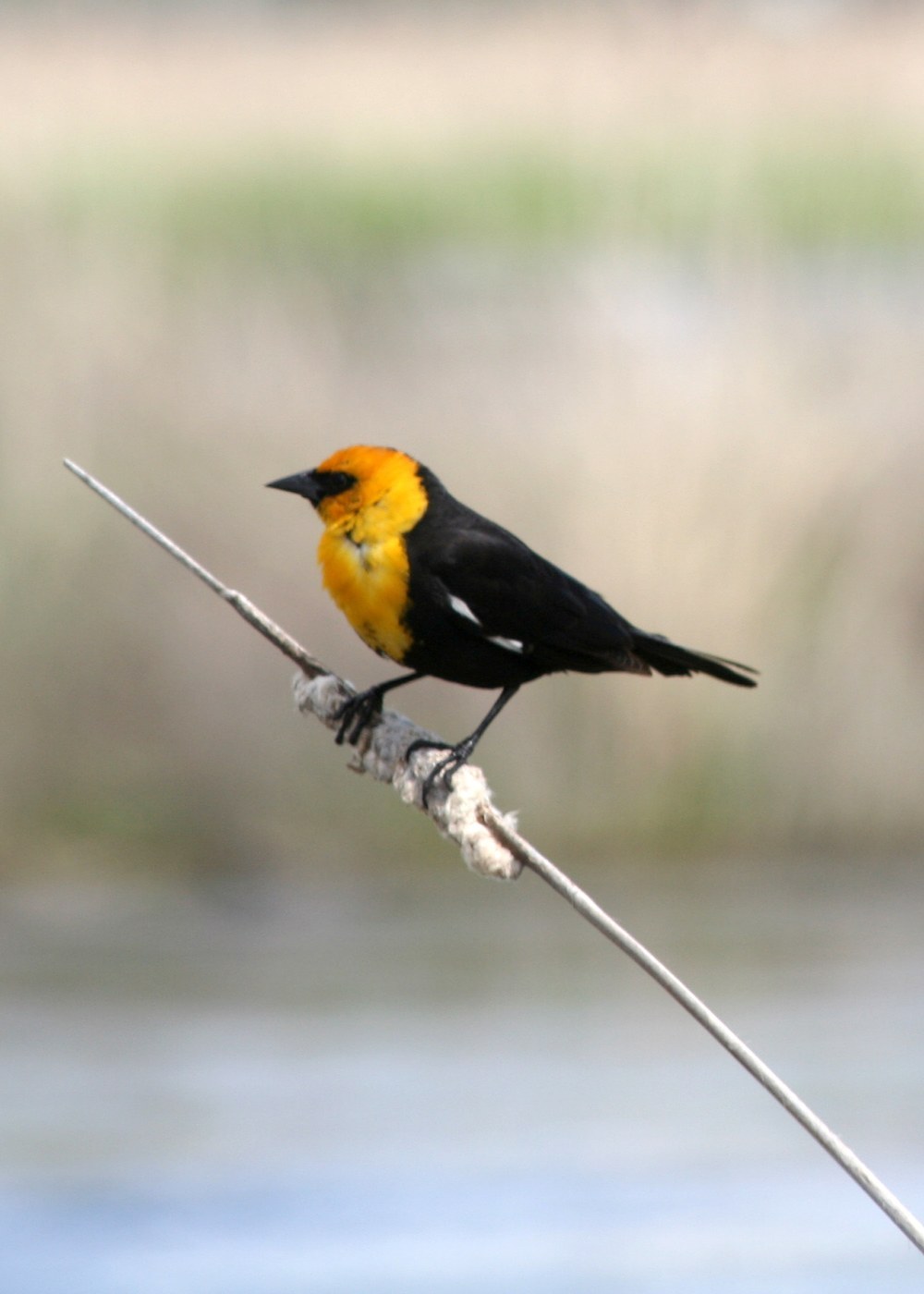
Yellow-headed Blackbird
Glossy black body plumage with a bright yellow head and breast

Yellow-eyed Junco
Contour and flight feathers

Yellow-fronted Canary
Small, smooth body plumage

Yellow-breasted Greenfinch
Compact, smooth body plumage