

Russet-backed Oropendola
Psarocolius angustifrons
A large, colonial oropendola of South American forests, olive-brown overall with a warm russet back and bright yellow outer tail feathers, best known for its hanging woven nests and gurgling song.
- Feather type
- Long, loose body contour feathers; graduated tail with bright outer feathers
- Colours
- Olive-brown body with a chestnut-russet back and yellow outer tail feathers
- Bird size
- Large songbird, ~35-46 cm
Found a feather like this?
Identify any feather from a photo, free.
Overview
The Russet-backed Oropendola is a large member of the blackbird family found across lowland and foothill forest and forest edge habitats of South America. Like other oropendolas, it is a highly social species, nesting in colonies where dozens of long, hanging woven nests dangle from a single tree.
Males perform an elaborate bowing display accompanied by a distinctive gurgling, liquid song, one of the more memorable vocal performances among Neotropical songbirds, often given from perches near the nesting colony.
Identifying the Feather
- Body is olive-brown overall, with the back and rump showing a warmer chestnut-russet tone that gives the species its name
- Head is olive-brown, without strong facial markings
- Bill is pale, often yellowish or horn-colored, contrasting with the darker plumage
- Tail is long and graduated, with the central feathers dark and the outer feathers bright yellow, conspicuous in flight and during display
- Wings are olive-brown, unmarked, built for sustained flight between colony and foraging areas
- Distinguished from other oropendola species by the specific combination of russet back tone and yellow (rather than more variably colored) outer tail feathers
Plumage & Molt
Adults of both sexes show similar olive-brown plumage with a russet back and yellow outer tail feathers, though males are considerably larger than females, a marked size dimorphism typical of oropendolas. Juveniles are duller overall, with less contrast between the back and body color, gradually acquiring the adult pattern with maturity. There is no strong seasonal plumage variation in adults.
Habitat & Range
This species is found in lowland and foothill tropical forest, forest edges, and cultivated land with scattered tall trees across much of South America, particularly the western Amazon basin and adjacent regions. It is largely resident, with colonies often returning to the same nesting trees across multiple seasons.
Behavior & Field Notes
Russet-backed Oropendolas feed on fruit and insects, foraging in the canopy and sometimes in more open habitats near forest edges. They nest colonially, weaving long, sock-like hanging nests from plant fibers, often dozens to a single tree, with males displaying and mating with multiple females within the colony. The species is known for its loud, bubbling, gurgling song, often delivered with an exaggerated bowing motion by displaying males.
Frequently asked questions
What does a Russet-backed Oropendola feather look like?
Body feathers are olive-brown with a warmer chestnut-russet tone on the back and rump, and the long tail shows dark central feathers with bright yellow outer feathers.
Why do oropendolas build hanging nests?
Colonial hanging nests woven from plant fiber may help protect eggs and chicks from ground predators and some nest parasites, and allow many pairs to nest closely together in a single tree.
Where does the Russet-backed Oropendola live?
It is found in lowland and foothill forest and forest edge habitats across much of South America, particularly the western Amazon basin.
What does the Russet-backed Oropendola's call sound like?
It gives a loud, bubbling, gurgling song, often performed with an exaggerated bowing display by males.
Russet-backed Oropendola guides
In-depth guides for identifying and understanding Russet-backed Oropendola.

Other feathers you may enjoy

Yellow-breasted Bunting
Contour and flight feathers, chestnut-and-yellow breeding pattern
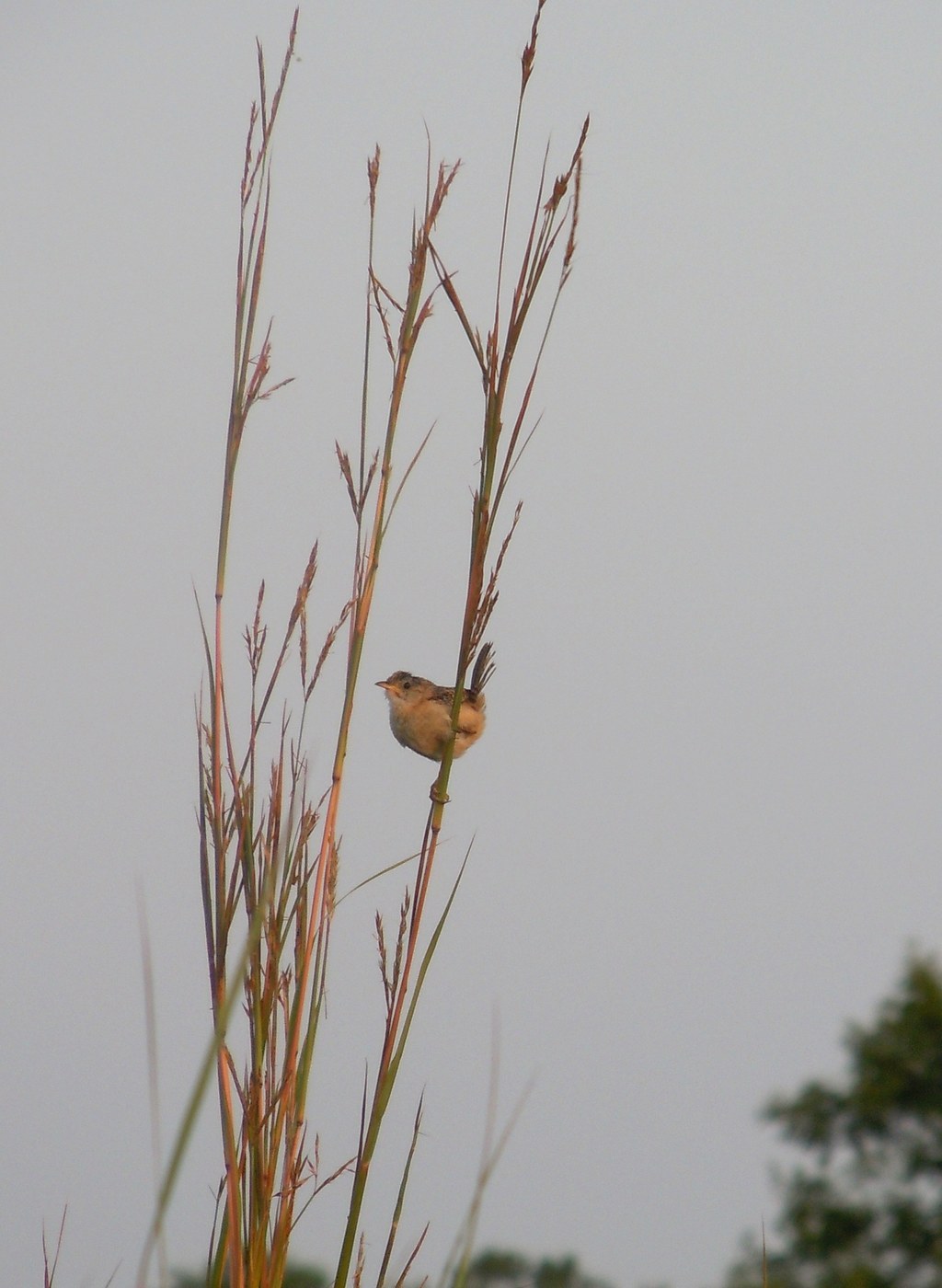
Sedge Wren
Tiny streaked crown and back feathers

Yellow-winged Cacique
Glossy black body feathers, yellow wing patch, shaggy crest

Yellow Warbler
Small contour and flight feathers
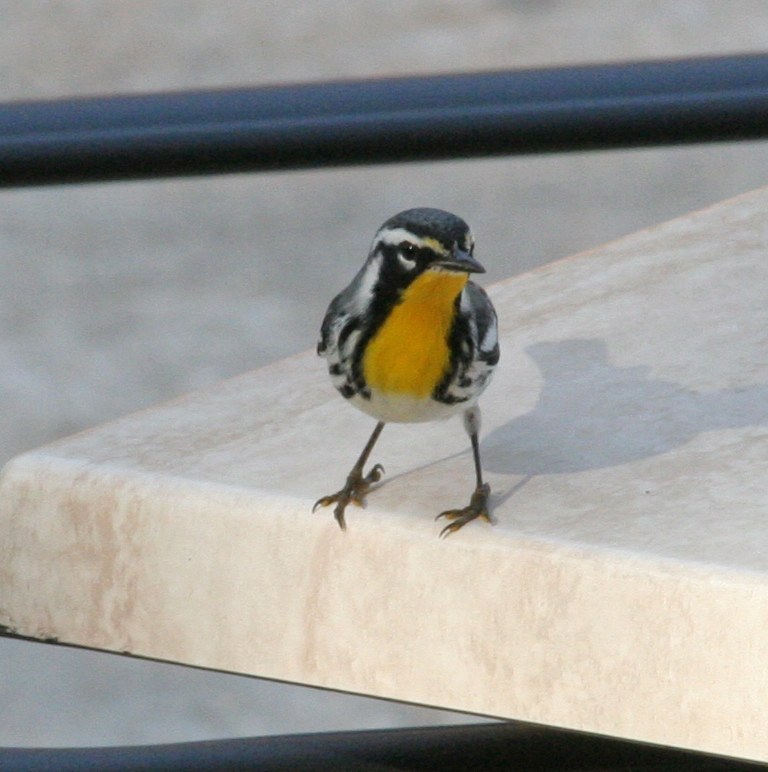
Yellow-throated Warbler
Small contour and flight feathers
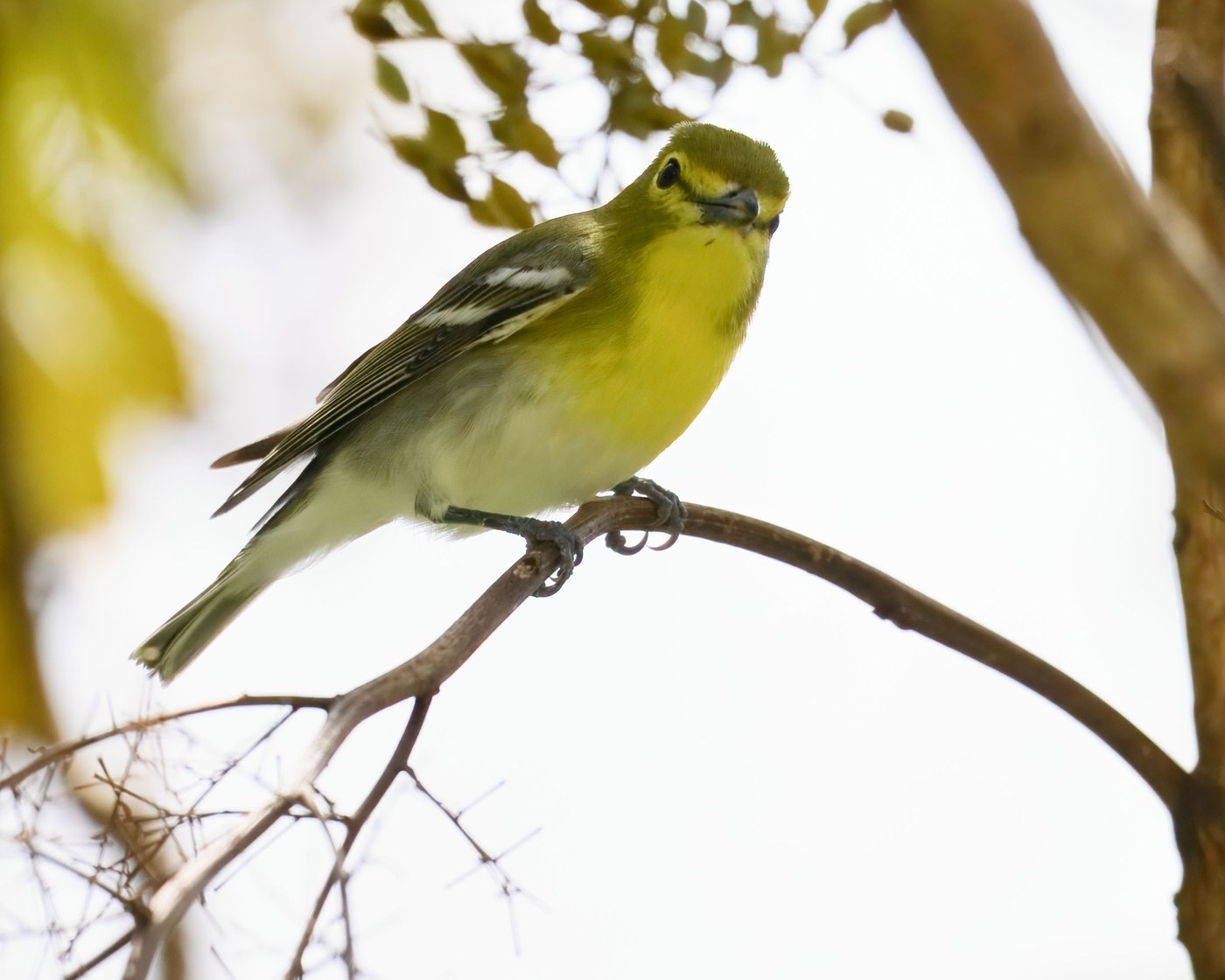
Yellow-throated Vireo
Bright yellow throat and spectacle feathers; olive-green back feathers; two white wing-bar feathers

Yellow-rumped Warbler
Small contour and flight feathers
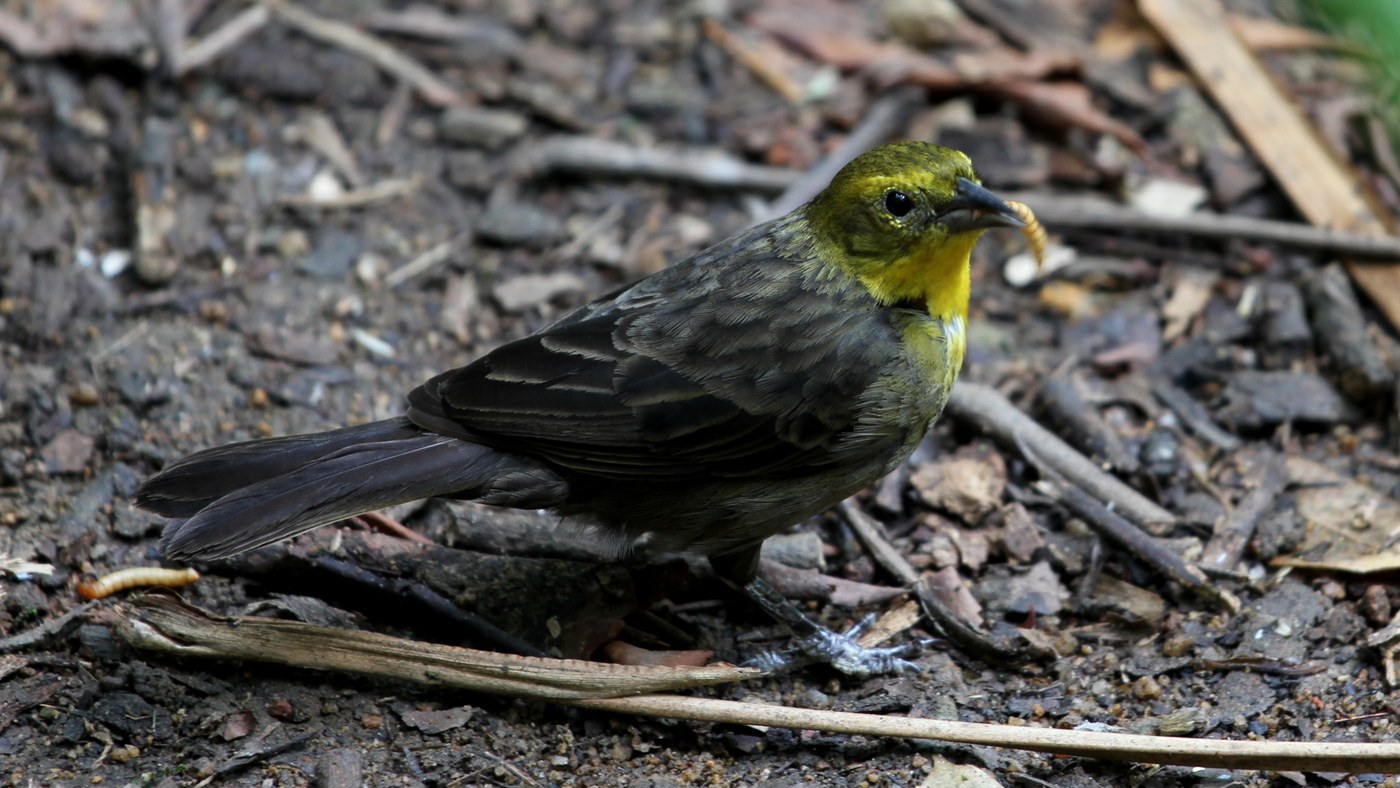
Yellow-hooded Blackbird
Contrasting hood and body feathers
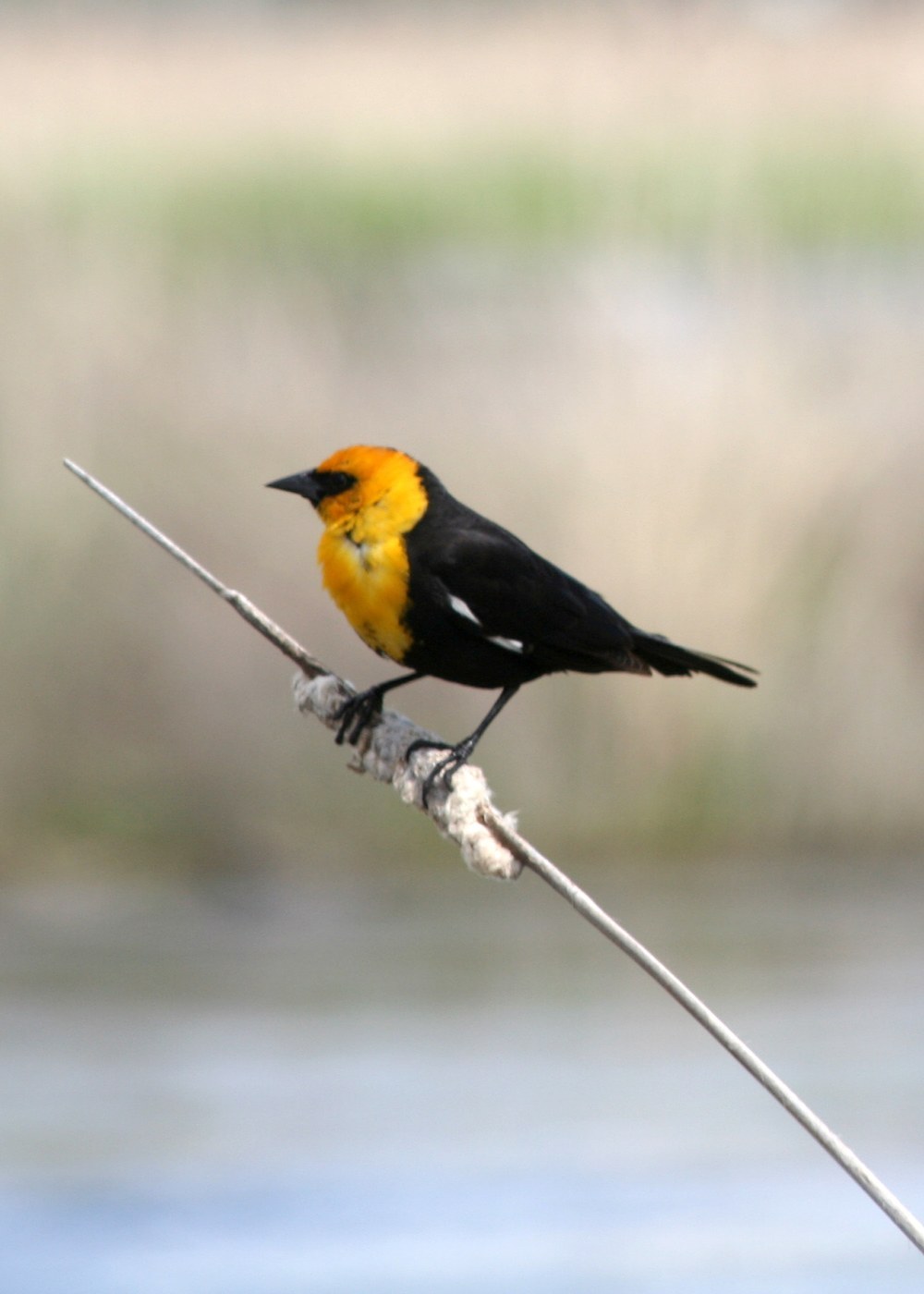
Yellow-headed Blackbird
Glossy black body plumage with a bright yellow head and breast

Yellow-eyed Junco
Contour and flight feathers

Yellow-fronted Canary
Small, smooth body plumage

Yellow-breasted Greenfinch
Compact, smooth body plumage