

Scottish Crossbill
Loxia scotica
A crossbill endemic to Scotland's native pinewoods, intermediate in bill size between the Common and Parrot Crossbills it closely resembles.
- Feather type
- Compact, dense body plumage
- Colours
- Brick-red (male), olive-yellow (female), dark brown wings
- Bird size
- Medium finch, ~16-17 cm
Found a feather like this?
Identify any feather from a photo, free.
Overview
Overview
The Scottish Crossbill is the only bird species considered endemic to Britain, restricted to native Caledonian pine forests in the Scottish Highlands. It sits structurally between the smaller-billed Common Crossbill and the heavier-billed Parrot Crossbill, a position that has long made it one of the more challenging European finches to separate in the field.
Its plumage follows the typical crossbill pattern of red males and greenish females, and identification usually relies on a combination of bill proportions, calls, and known range rather than color alone.
Identifying the Feather
Feather Identification
- Male body feathers: brick-red overall, often with an orange tinge, similar to other crossbills.
- Female/immature body feathers: olive-green to yellowish-grey with subtle streaking.
- Wing and tail feathers: dark brown to blackish, unmarked by prominent bars.
- Bill: intermediate in depth between Common and Parrot Crossbill, a key structural clue since feather coloration overlaps heavily among the three species.
- Distinguishing from similar species: essentially inseparable from Common and Parrot Crossbill on plumage alone; range within Scotland's pinewoods and vocalizations are the standard identification aids.
Plumage & Molt
Plumage Details
Adult males display brick-red plumage that can look uneven as feathers molt in at different times, while females and immature birds show olive-green to grey-yellow tones with light streaking on the upperparts. Juveniles begin with a heavily streaked, sparrow-like brownish plumage before acquiring adult coloration. As with other crossbills, molt timing can be flexible and linked to local cone availability rather than a fixed calendar.
Habitat & Range
Habitat & Range
This species is confined to native and planted pine forests within the Scottish Highlands, particularly areas of old Caledonian pine. It is non-migratory and remains within its restricted range year-round, though local movements track cone crop success across different forest stands.
Behavior & Field Notes
Behavior & Field Notes
Scottish Crossbills feed on the seeds of pine cones, extracted using their crossed bill tips while perched or hanging from cone-bearing branches. They breed early in the year to align with cone ripening and nest in conifer trees. Flight calls are an important identification tool for specialists distinguishing this species from other crossbills, since plumage and even bill measurements can overlap between populations.
Frequently asked questions
What color are a Scottish Crossbill's feathers?
Males are brick-red overall while females and immatures are olive-green to yellowish-grey with light streaking, following the typical crossbill plumage pattern.
How does this species differ visually from the Common Crossbill?
Plumage is very similar between the two; the Scottish Crossbill has a slightly deeper bill on average, though the difference is subtle and best confirmed with calls and range.
Where is this species found?
It occurs only within pine forests of the Scottish Highlands, making it one of the most range-restricted songbirds in Europe.
Do juveniles look like adults?
No, juveniles show a streaked brownish plumage that lacks the solid red or green tones of adults until their first molt.
Scottish Crossbill guides
In-depth guides for identifying and understanding Scottish Crossbill.

Other feathers you may enjoy

Yellow-breasted Bunting
Contour and flight feathers, chestnut-and-yellow breeding pattern
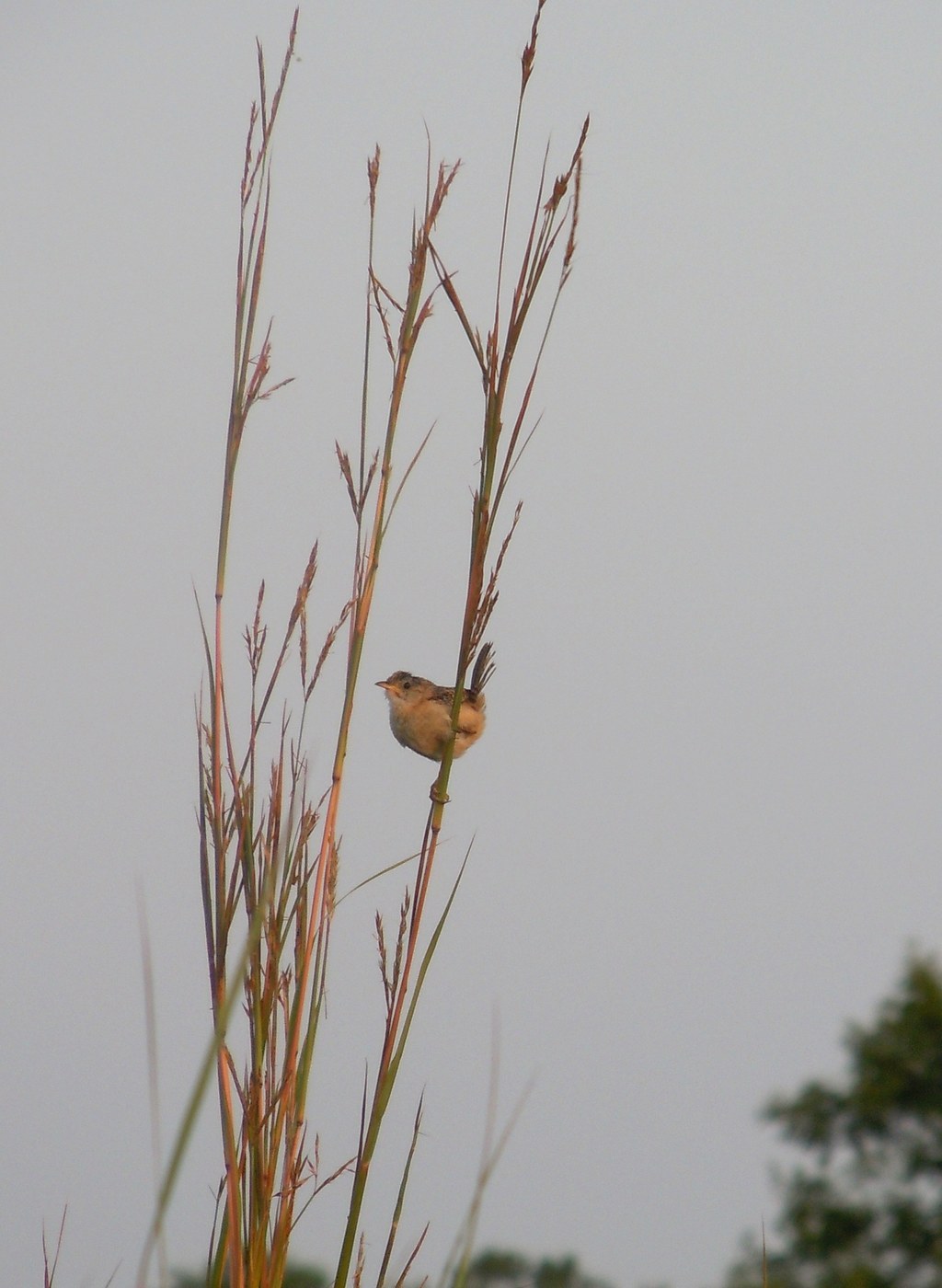
Sedge Wren
Tiny streaked crown and back feathers

Yellow-winged Cacique
Glossy black body feathers, yellow wing patch, shaggy crest

Yellow Warbler
Small contour and flight feathers
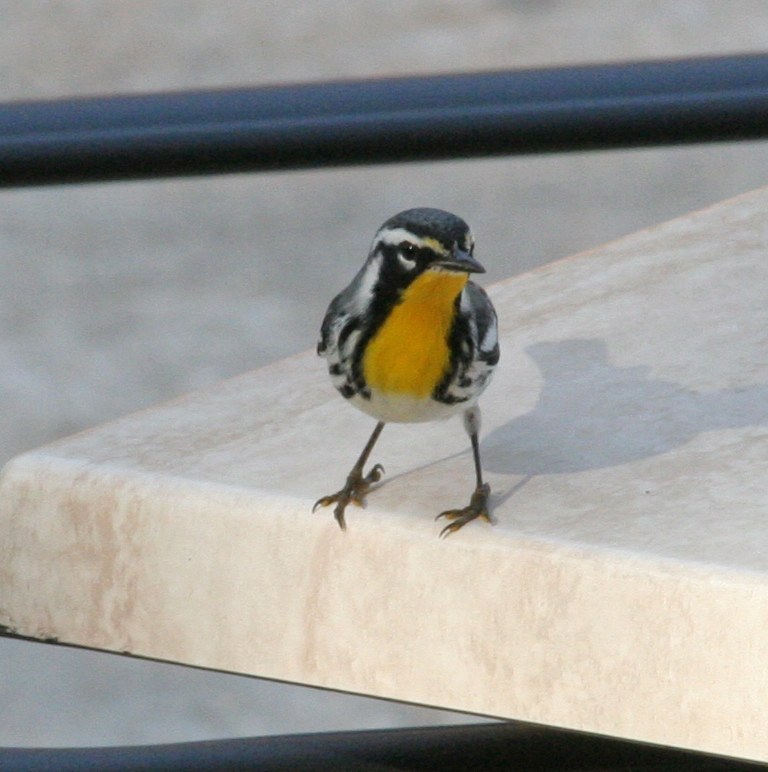
Yellow-throated Warbler
Small contour and flight feathers
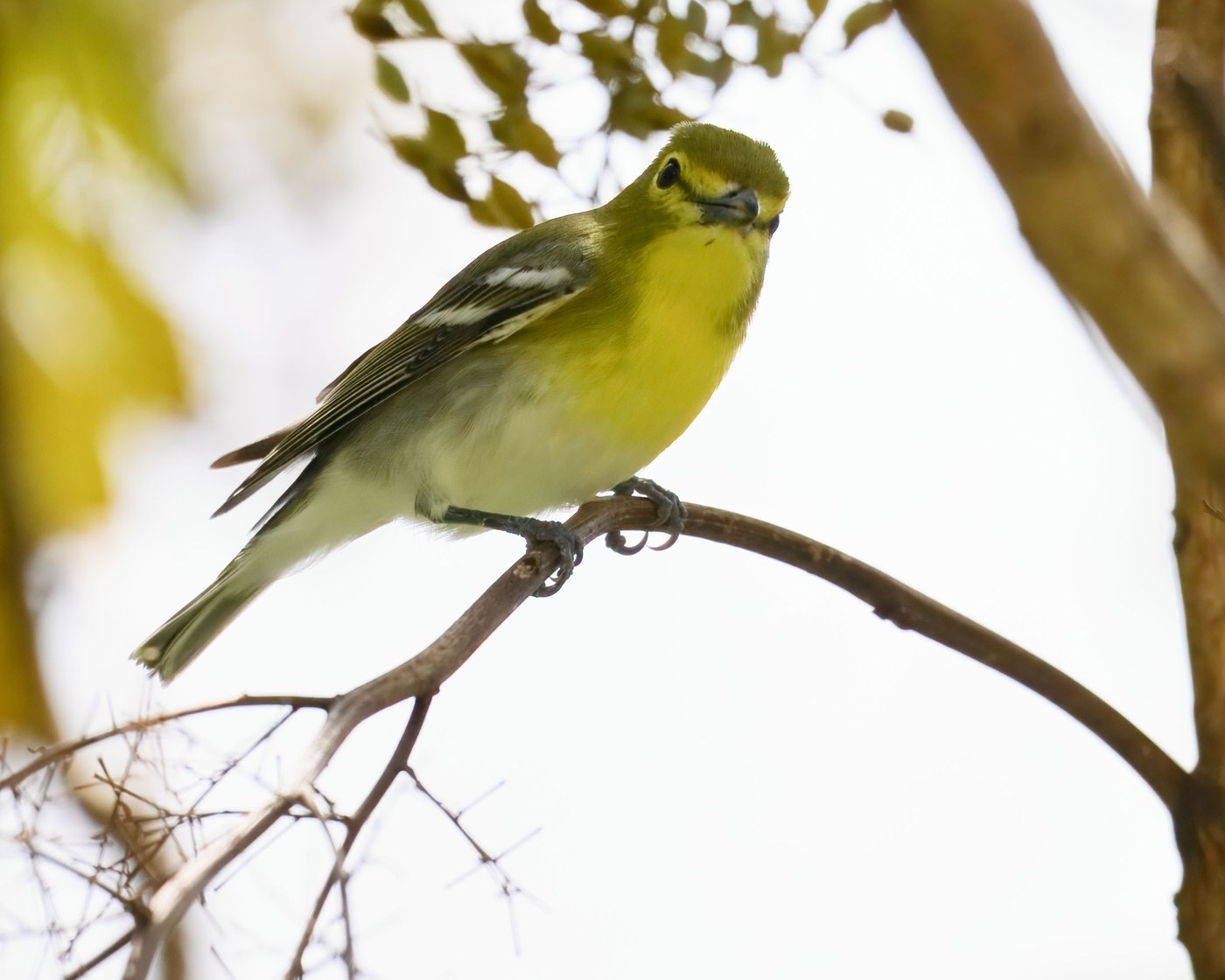
Yellow-throated Vireo
Bright yellow throat and spectacle feathers; olive-green back feathers; two white wing-bar feathers

Yellow-rumped Warbler
Small contour and flight feathers
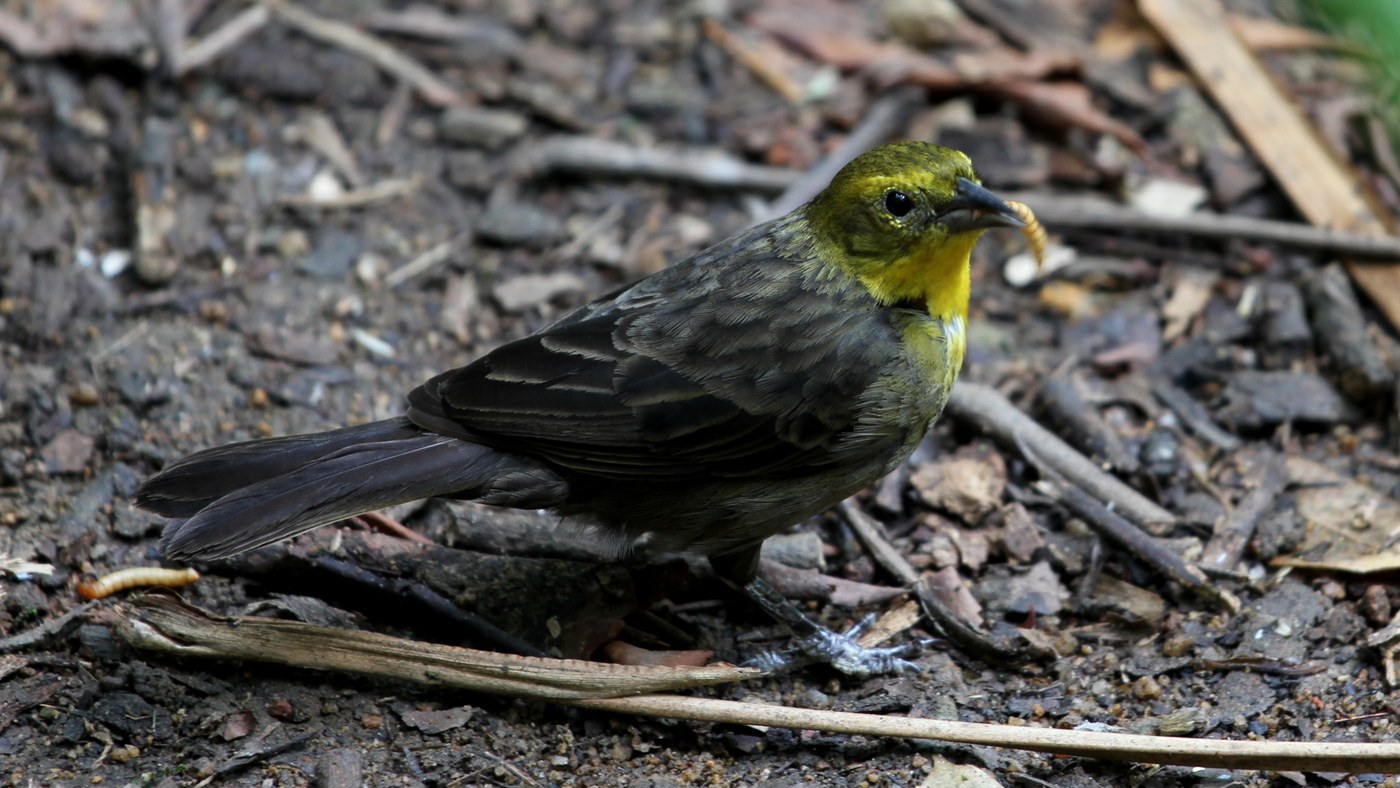
Yellow-hooded Blackbird
Contrasting hood and body feathers
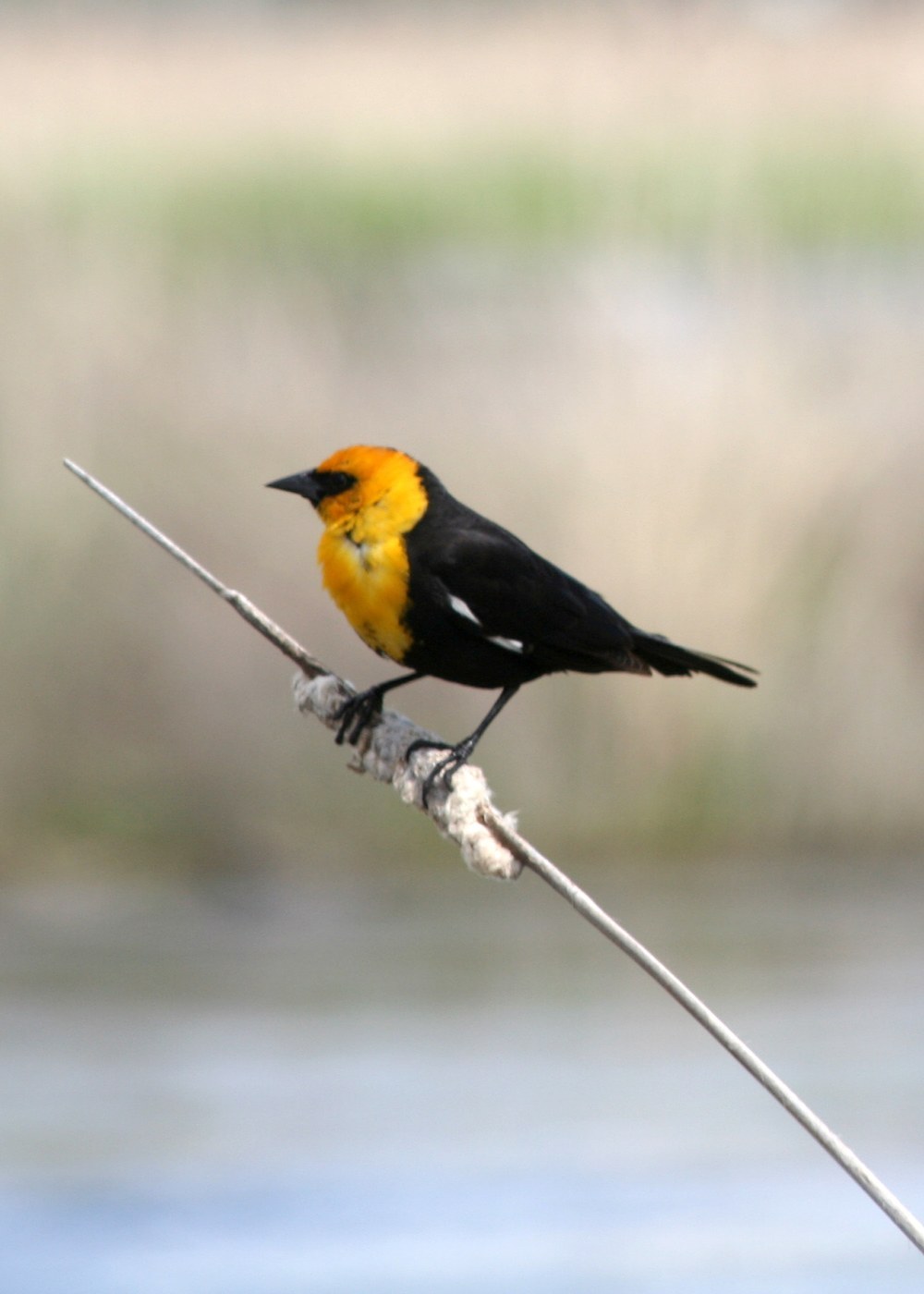
Yellow-headed Blackbird
Glossy black body plumage with a bright yellow head and breast

Yellow-eyed Junco
Contour and flight feathers

Yellow-fronted Canary
Small, smooth body plumage

Yellow-breasted Greenfinch
Compact, smooth body plumage