

Shiny Cowbird
Molothrus bonariensis
A slender, glossy blackbird relative widespread across South America and the Caribbean, notable for its uniform purplish-blue sheen and habit of parasitizing other birds' nests.
- Feather type
- Uniformly glossy body feathers
- Colours
- Glossy purplish-blue-black (male); grayish-brown (female)
- Bird size
- Cowbird-sized, ~18-22 cm
Found a feather like this?
Identify any feather from a photo, free.
Overview
Overview
The Shiny Cowbird is a widespread South American icterid that has expanded its range through the Caribbean and into Florida. Males show a uniform, glossy purplish-blue-black plumage without the contrasting tones seen in some other cowbirds, while females are plain grayish-brown. The species is an obligate brood parasite, parasitizing a very wide range of host songbirds.
Identifying the Feather
Feather Identification
- Male body feathers: Even, glossy purplish-blue-black sheen across the entire body, without a bronze cast
- Female body feathers: Plain grayish-brown, unmarked and unstreaked, with little to no gloss
- Bill: Thin and pointed, more slender than Brown-headed Cowbird
- Size: Slightly smaller and slimmer than Bronzed Cowbird
- Similar species: Distinguished from Bronzed Cowbird by lacking a neck ruff and bronze tone; female Shiny Cowbird is plainer than most female blackbirds, lacking streaking
Plumage & Molt
Plumage Details
Adult males are entirely glossy purplish-blue-black with no contrasting patches. Females are uniformly plain gray-brown, lacking streaks or strong markings, which distinguishes them from many similarly sized female blackbirds. Juveniles resemble females but may show faint, diffuse mottling on the underparts before their first molt into adult plumage.
Habitat & Range
Habitat & Range
Shiny Cowbirds are native to South America and have expanded northward through the Lesser Antilles into the Greater Antilles and southern Florida. They inhabit open grassland, farmland, savanna, and scrubby edges, often near cattle pastures. Populations in temperate South America may move seasonally, while tropical populations tend to be resident.
Behavior & Field Notes
Behavior & Field Notes
Shiny Cowbirds forage on open ground, often walking among grazing livestock to catch disturbed insects, and also eat seeds and grain. They are obligate brood parasites, with females laying eggs in the nests of a very broad range of host species, from small finches to larger songbirds. Their song is a series of liquid, bubbling notes and whistles, often delivered from an exposed perch.
Frequently asked questions
How can I recognize Shiny Cowbird feathers?
Male feathers show an even, glossy purplish-blue-black sheen across the whole body, without the bronze cast or neck ruff seen in the Bronzed Cowbird.
What do female Shiny Cowbirds look like?
Females are plain grayish-brown with little gloss and no streaking, appearing much duller than the glossy males.
Is the Shiny Cowbird native to the United States?
No, it is native to South America but has expanded its range through the Caribbean into parts of Florida in recent decades.
Why is the Shiny Cowbird considered a brood parasite?
Females lay their eggs in the nests of many other songbird species, relying on the host parents to incubate and raise the young.
Shiny Cowbird guides
In-depth guides for identifying and understanding Shiny Cowbird.

Other feathers you may enjoy

Yellow-breasted Bunting
Contour and flight feathers, chestnut-and-yellow breeding pattern
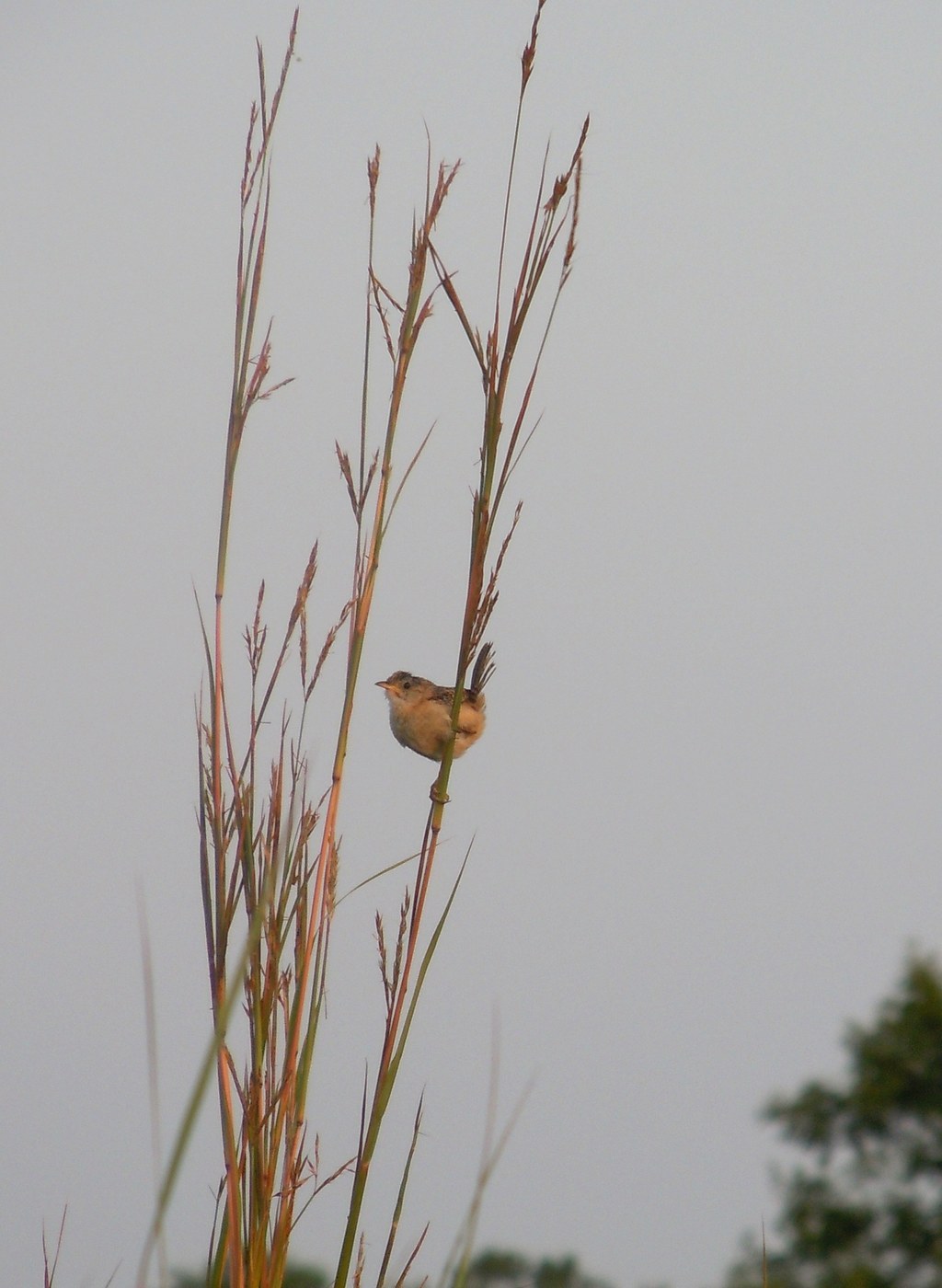
Sedge Wren
Tiny streaked crown and back feathers

Yellow-winged Cacique
Glossy black body feathers, yellow wing patch, shaggy crest

Yellow Warbler
Small contour and flight feathers
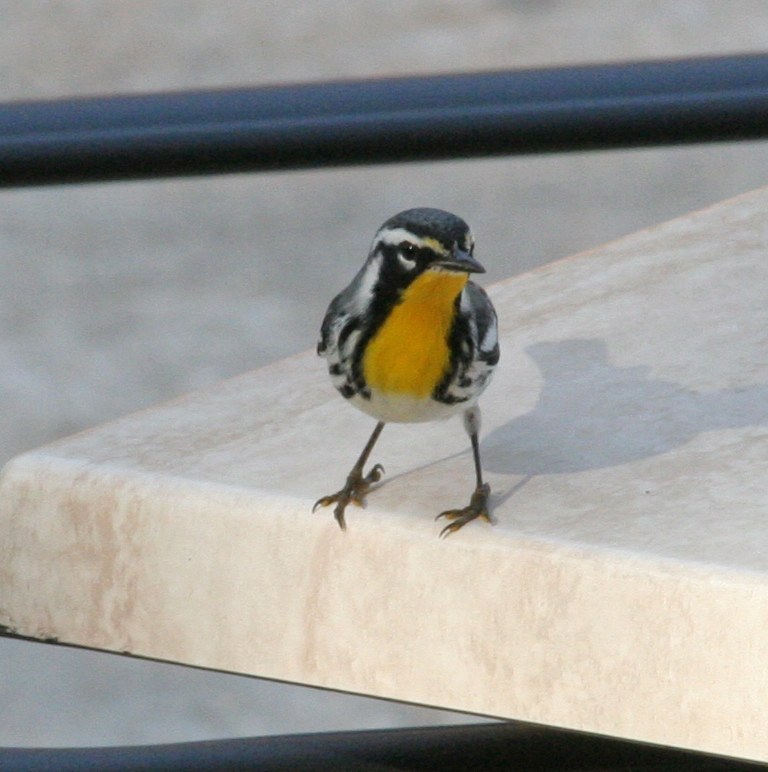
Yellow-throated Warbler
Small contour and flight feathers
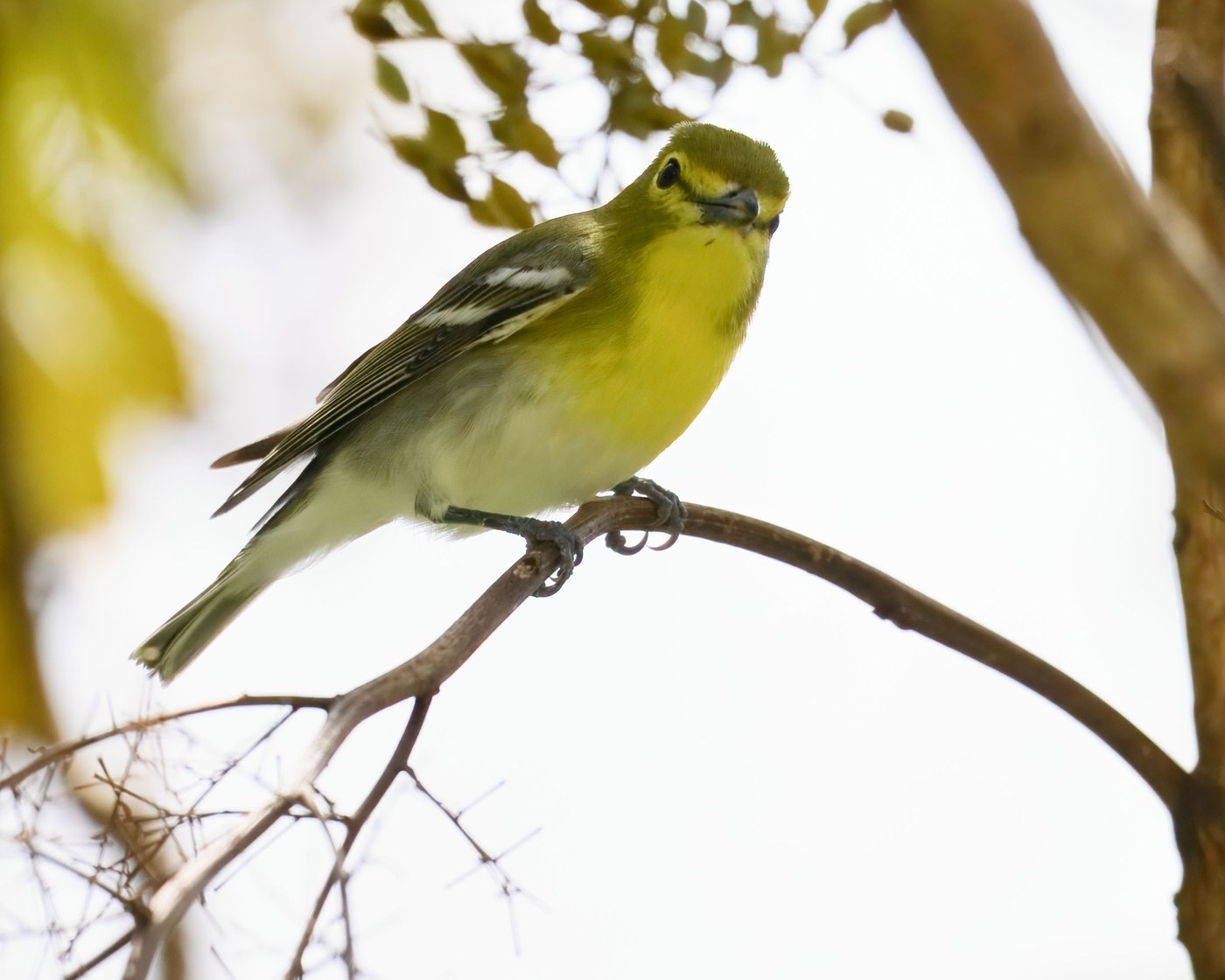
Yellow-throated Vireo
Bright yellow throat and spectacle feathers; olive-green back feathers; two white wing-bar feathers

Yellow-rumped Warbler
Small contour and flight feathers
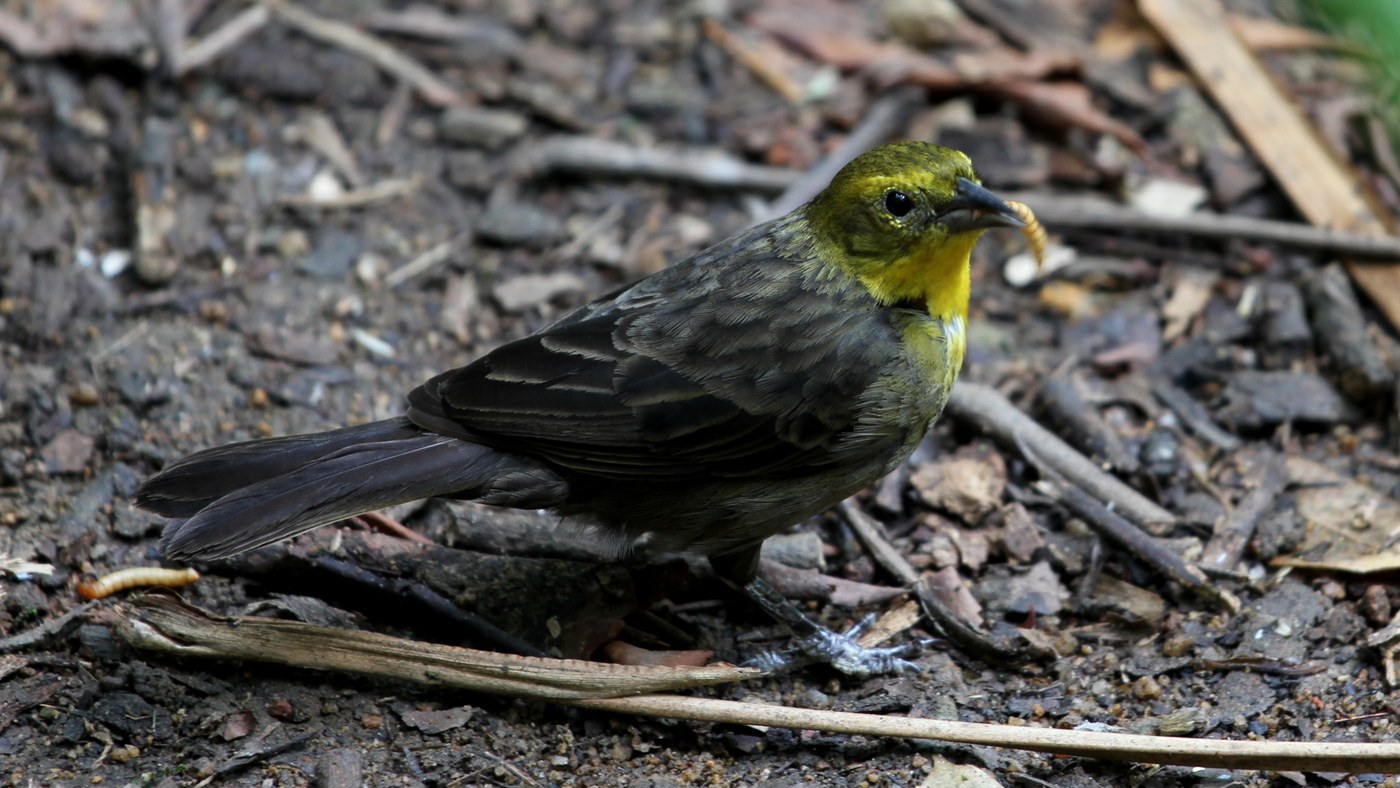
Yellow-hooded Blackbird
Contrasting hood and body feathers
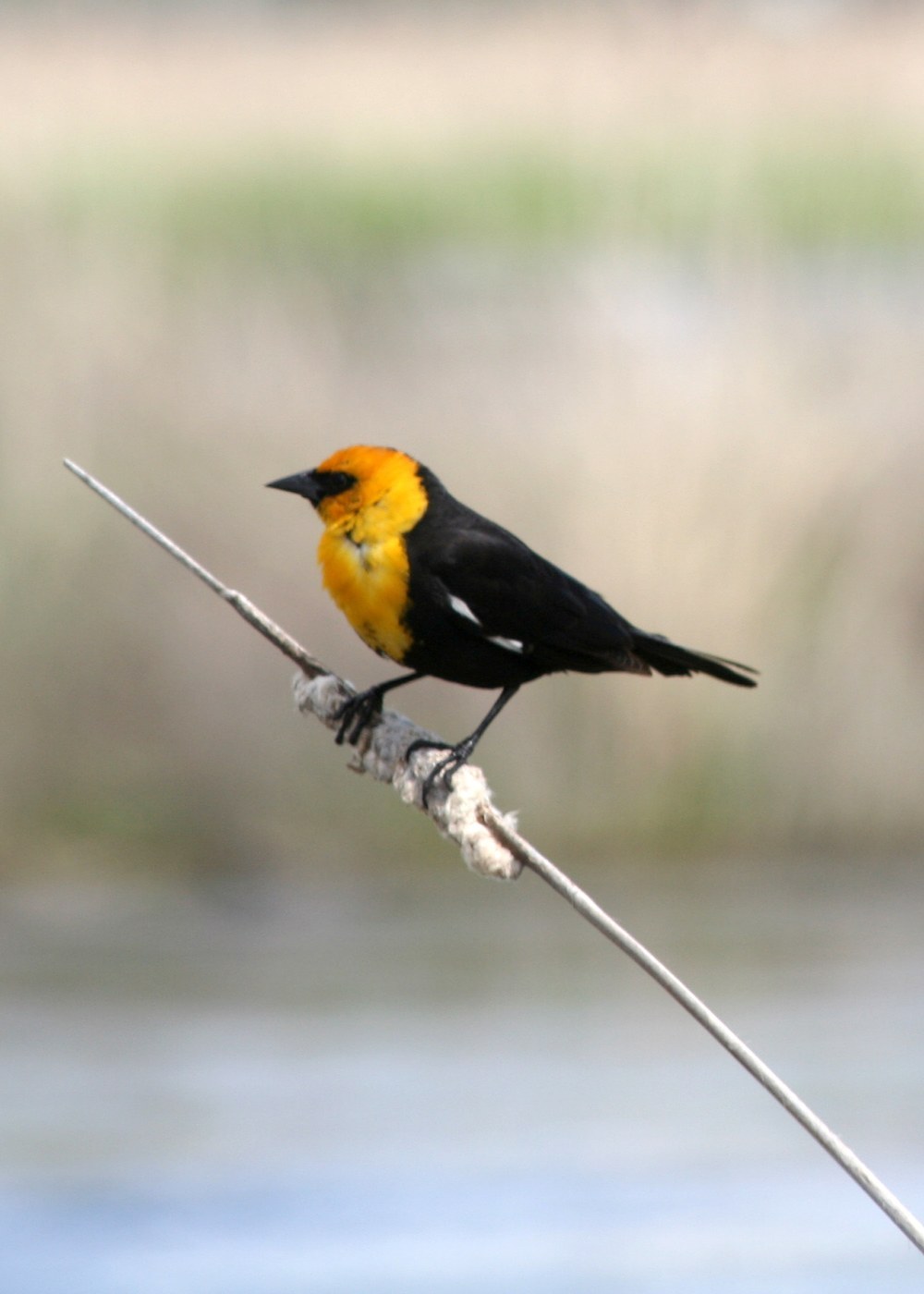
Yellow-headed Blackbird
Glossy black body plumage with a bright yellow head and breast

Yellow-eyed Junco
Contour and flight feathers

Yellow-fronted Canary
Small, smooth body plumage

Yellow-breasted Greenfinch
Compact, smooth body plumage