
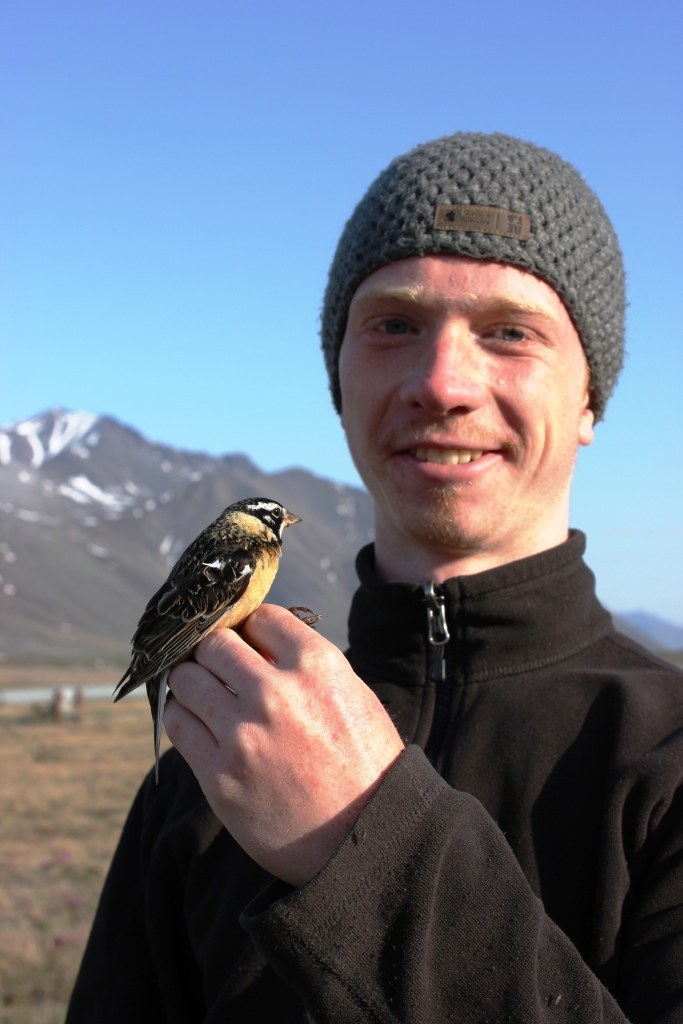
Smith's Longspur
Calcarius pictus
Smith's Longspur is an Arctic-breeding songbird notable for its warm buff-orange underparts and bold black-and-white head pattern in breeding plumage.
- Feather type
- Contour and flight feathers, buffy breeding tones
- Colours
- Rich buff-orange underparts with a black-and-white head pattern
- Bird size
- Sparrow-sized, ~16 cm
Found a feather like this?
Identify any feather from a photo, free.
Overview
Overview
Smith's Longspur breeds on subarctic tundra and winters in a relatively small area of southern grasslands, making it one of the least commonly encountered longspurs. Its warm buffy tones distinguish it from its more streaked relatives.
- Family: Longspurs and snow buntings (Calcariidae)
- Genus: Calcarius, named for the elongated hind claw common to the genus
- Named for naturalist Gideon B. Smith
Identifying the Feather
Feather Identification
Smith's Longspur feathers show warm buff-orange tones on the underparts in breeding males, paired with a black-and-white striped crown and face pattern.
- Shape: Rounded contour feathers; outer tail feathers show white patches visible in flight
- Size: Small, sparrow-sized feathers similar to other longspurs
- Color pattern: Breeding males show rich buff-orange underparts uninterrupted by streaking, a black-and-white patterned head, and streaked brown upperparts; winter birds and females are more subdued buff-brown
- Shaft: Pale, not diagnostic
- Vs. similar species: The unstreaked buff-orange underparts separate breeding males from Lapland and Chestnut-collared longspurs, which show black or heavily streaked underparts
Plumage & Molt
Plumage Details
Breeding males show unstreaked buff-orange underparts, a bold black-and-white head pattern, and streaked brown upperparts; females and winter birds are duller and buffier with less head contrast.
- Sexes: Breeding males are more strongly patterned than females
- Juveniles: Streaked buffy-brown overall, lacking the bold adult head pattern
- Seasonal changes: Winter plumage is more subdued, with buff tones present year-round but head pattern less crisp
- Molt: Complete molt after breeding season
Habitat & Range
Habitat & Range
Smith's Longspur breeds on subarctic and low Arctic tundra and winters in a comparatively restricted area of southern grasslands.
- Range: Breeds across northern Canada and Alaska; winters mainly in the south-central United States
- Habitat: Breeds in moist tundra with sedges and dwarf shrubs; winters in grasslands, particularly areas with a mix of short and tall grass
- Migratory status: Long-distance migrant with a relatively narrow winter range compared to other longspurs
Behavior & Field Notes
Behavior & Field Notes
Smith's Longspurs forage on the ground in grass and tundra vegetation, often in loose flocks during migration and winter.
- Diet: Insects during the breeding season; seeds and grain during migration and winter
- Nesting: Builds a grass nest on the ground among tundra vegetation; known for a relatively unusual mating system involving multiple males per female
- Voice: A dry, rattling song and call, less musical than some other longspurs
- Field notes: Winter flocks can be inconspicuous, blending into grassland and often detected first by their dry rattling calls
Frequently asked questions
What sets Smith's Longspur apart from other longspurs?
Breeding males show unstreaked, warm buff-orange underparts rather than the black or heavily streaked underparts of related species.
Where does Smith's Longspur winter?
It winters mainly in grasslands of the south-central United States, a more restricted range than other longspurs.
What tundra habitat does Smith's Longspur use for breeding?
It breeds in moist subarctic and low Arctic tundra with sedges and dwarf shrub vegetation.
How is Smith's Longspur usually detected in winter?
It is often first noticed by its dry, rattling calls, since it can blend well into grassland vegetation.
Smith's Longspur guides
In-depth guides for identifying and understanding Smith's Longspur.
Other feathers you may enjoy

Yellow-breasted Bunting
Contour and flight feathers, chestnut-and-yellow breeding pattern
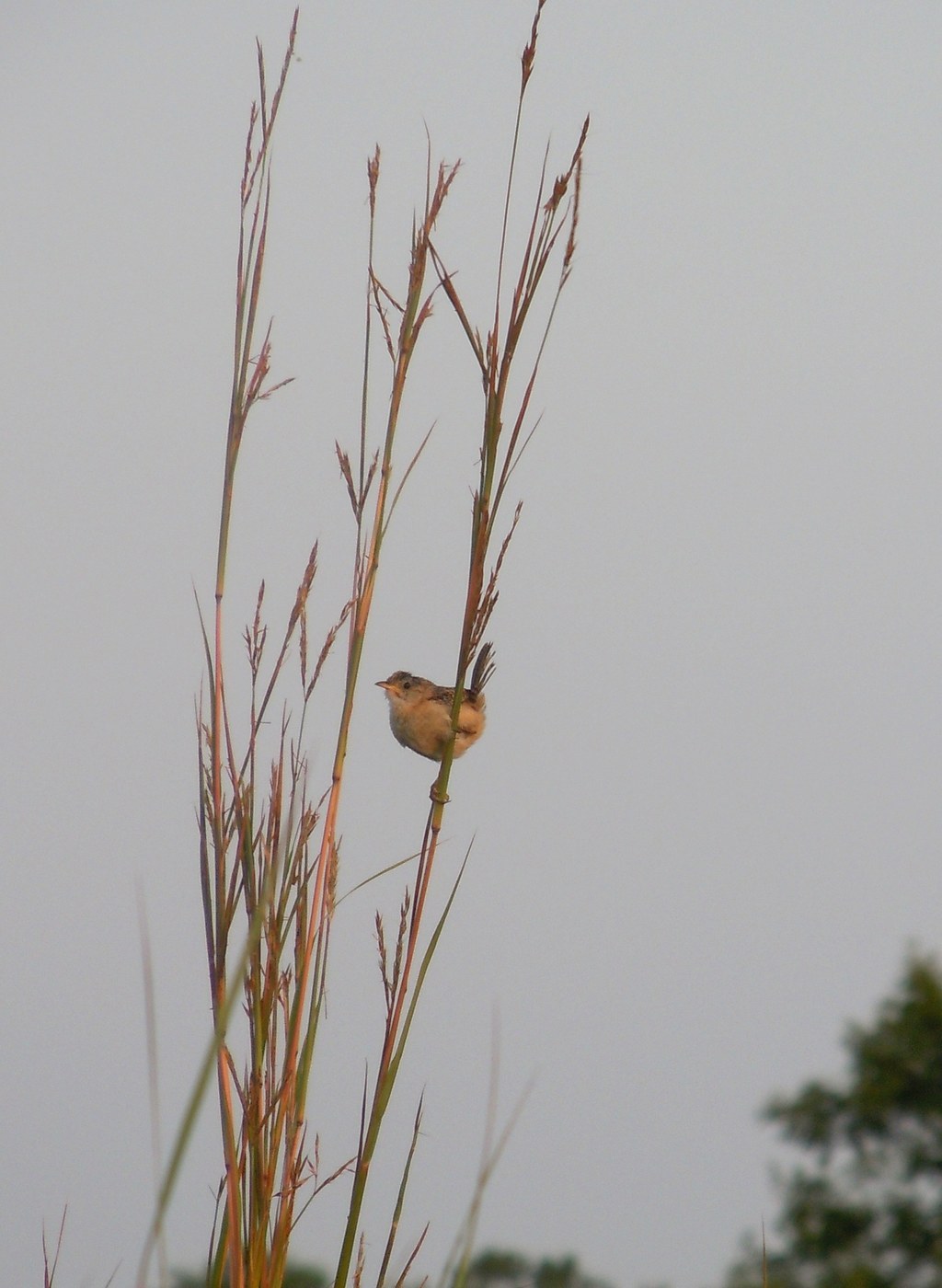
Sedge Wren
Tiny streaked crown and back feathers

Yellow-winged Cacique
Glossy black body feathers, yellow wing patch, shaggy crest

Yellow Warbler
Small contour and flight feathers
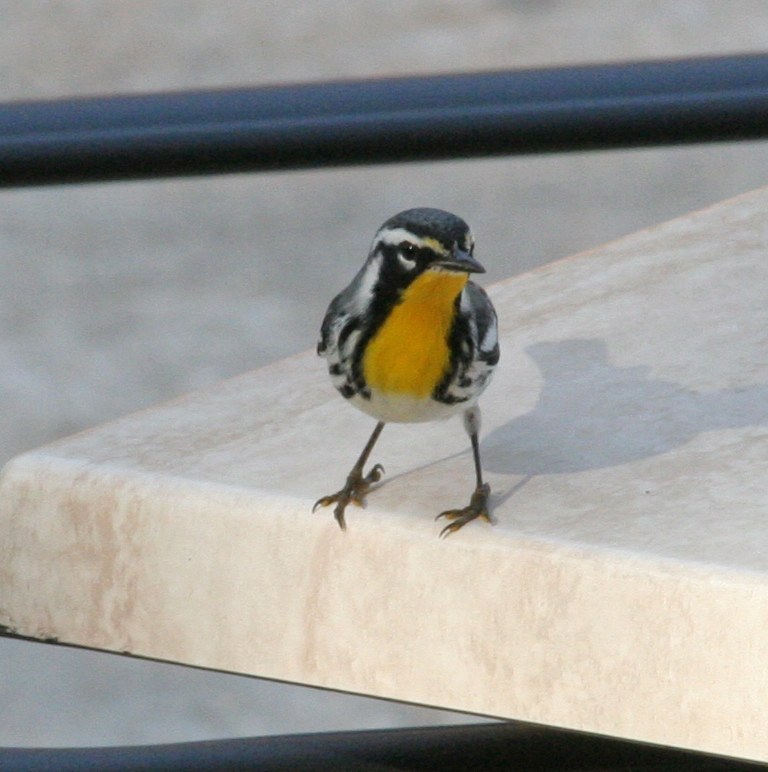
Yellow-throated Warbler
Small contour and flight feathers
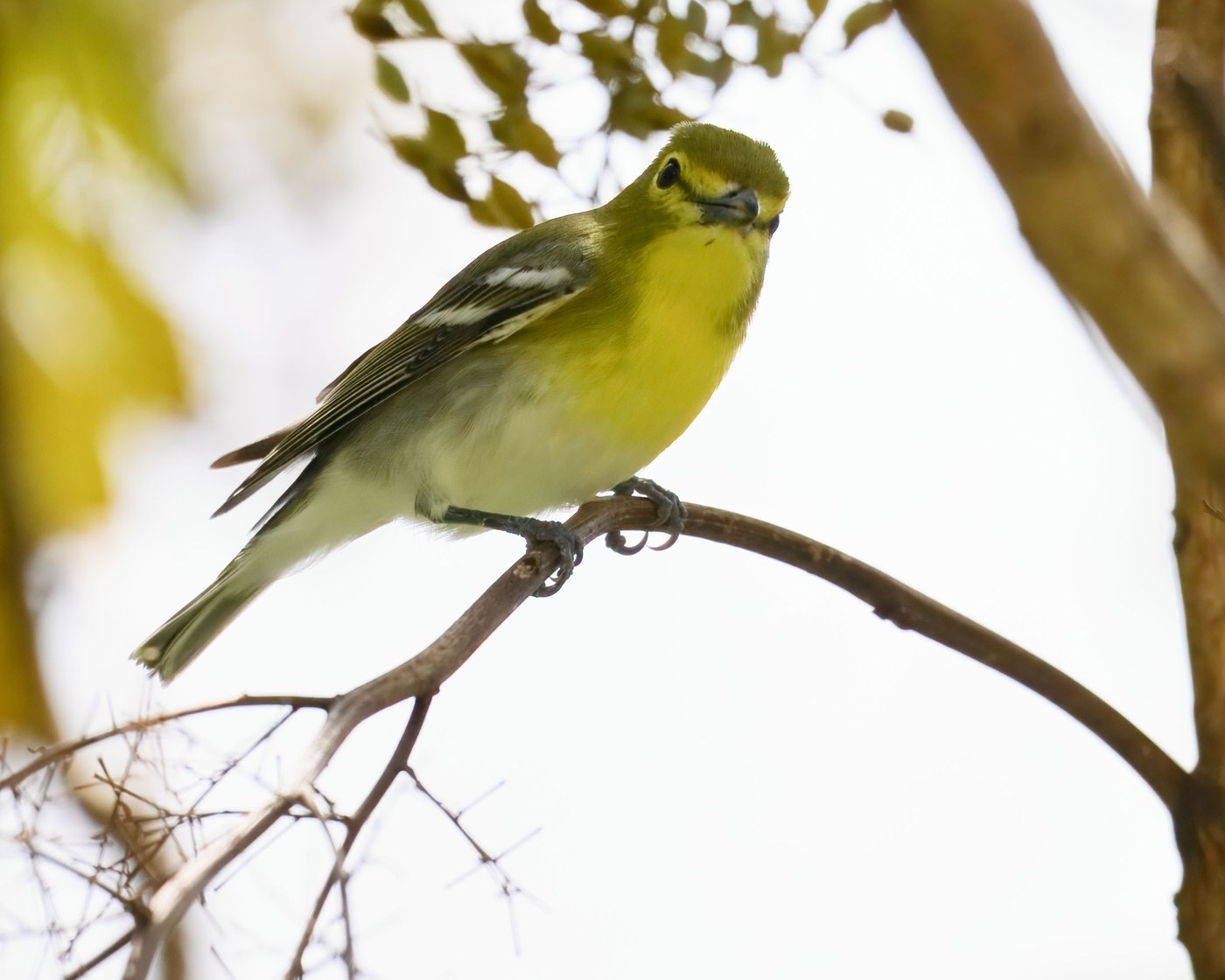
Yellow-throated Vireo
Bright yellow throat and spectacle feathers; olive-green back feathers; two white wing-bar feathers

Yellow-rumped Warbler
Small contour and flight feathers
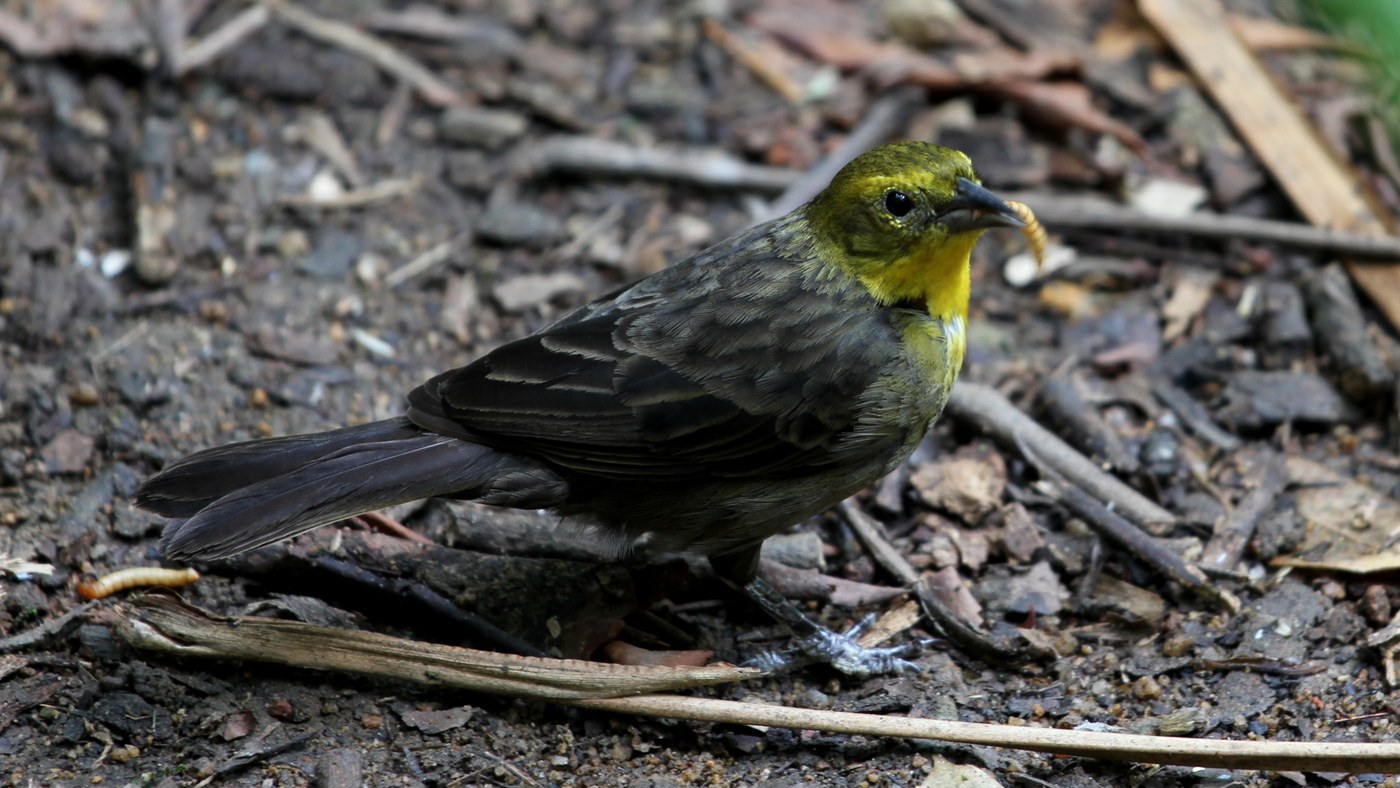
Yellow-hooded Blackbird
Contrasting hood and body feathers
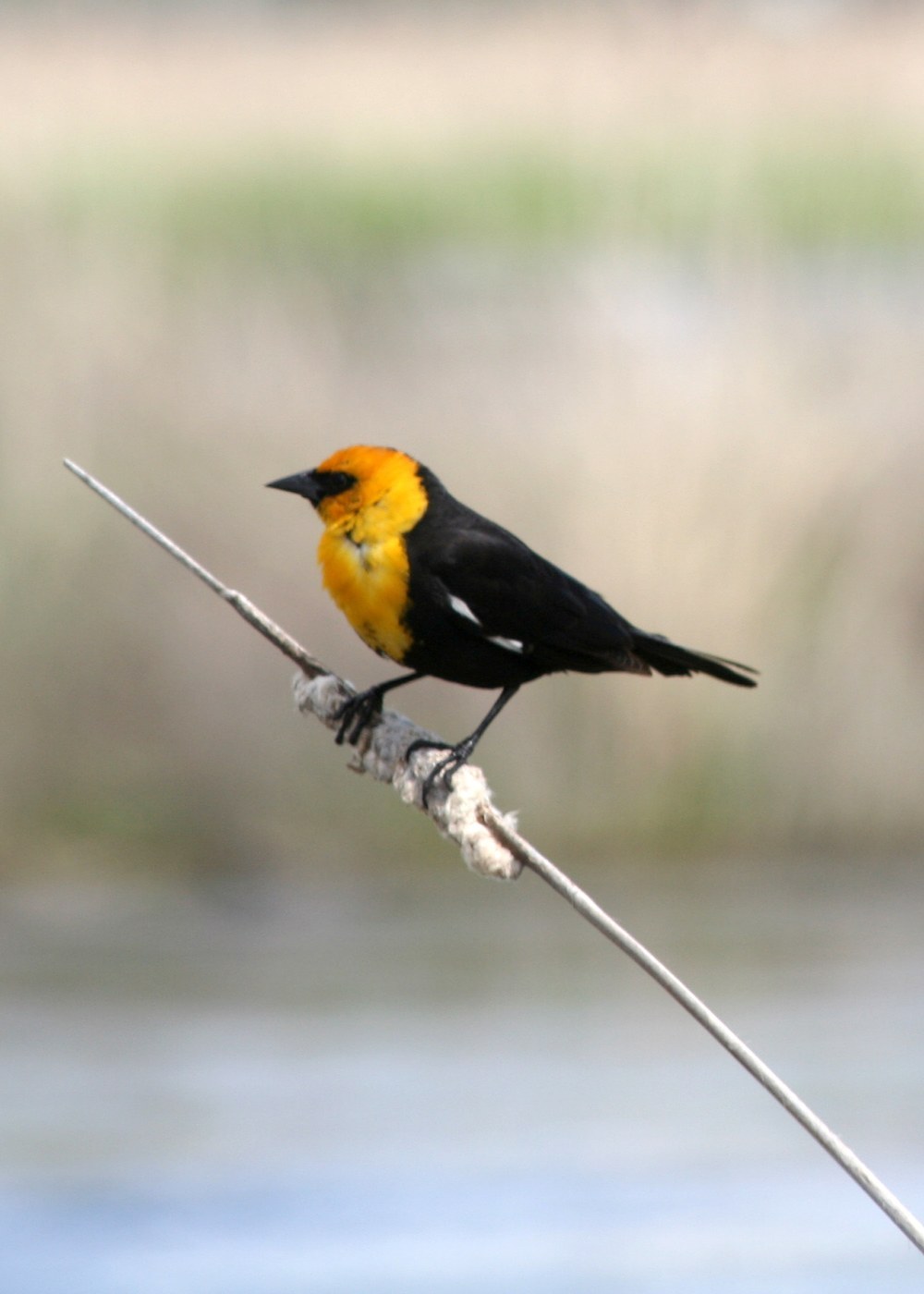
Yellow-headed Blackbird
Glossy black body plumage with a bright yellow head and breast

Yellow-eyed Junco
Contour and flight feathers

Yellow-fronted Canary
Small, smooth body plumage

Yellow-breasted Greenfinch
Compact, smooth body plumage