

Snow Bunting
Plectrophenax nivalis
The Snow Bunting is a hardy Arctic songbird whose breeding males become strikingly white and black, while winter birds show warmer buff-brown tones as they flock over open fields and shorelines farther south.
- Feather type
- Contour and flight feathers, extensively white
- Colours
- Largely white with black back and wingtip markings in breeding males
- Bird size
- Sparrow-sized, ~17 cm
Found a feather like this?
Identify any feather from a photo, free.
Overview
Overview
The Snow Bunting is one of the most cold-adapted songbirds in the world, breeding farther north than almost any other passerine and appearing in large winter flocks over open country well south of the Arctic.
- Family: Longspurs and snow buntings (Calcariidae)
- Genus: Plectrophenax, shared only with McKay's Bunting
- Known for achieving pure white breeding plumage through feather wear rather than a spring molt
Identifying the Feather
Feather Identification
Snow Bunting feathers in breeding males are largely pure white with black feathers on the back, primaries, and central tail; winter birds show extensive buff-brown wash over the white base.
- Shape: Rounded contour feathers; wings show extensive white patches formed by white bases to the flight feathers
- Size: Small, sparrow-sized feathers, though the bird looks bulky due to dense winter plumage
- Color pattern: Breeding males are white with black back, primaries, and central tail feathers; females show more brown mottling; winter birds of both sexes show rusty-buff wash on the head, back, and flanks
- Shaft: Pale, not diagnostic
- Vs. similar species: The extensive white on the wings, more than in any other North American songbird, is the best identifying feature, distinguishing it readily from McKay's Bunting only by the greater amount of black in Snow Bunting's wings and back
Plumage & Molt
Plumage Details
Breeding males achieve pure white-and-black plumage through wear of buff feather tips present since the previous molt; females and winter birds retain more brown and buff coloring.
- Sexes: Breeding males are the whitest; females retain more brownish mottling on the back and crown
- Juveniles: Grayish and streaked, quite different from the white adult pattern, transitioning by the first winter
- Seasonal changes: The dramatic shift from buffy winter plumage to black-and-white breeding plumage occurs largely through abrasion of pale feather tips rather than a full new molt
- Molt: Complete molt in late summer produces the buff-tipped winter feathers that wear down to reveal breeding plumage by spring
Habitat & Range
Habitat & Range
Snow Buntings breed on high Arctic tundra and rocky terrain, wintering across open habitats well to the south.
- Range: Circumpolar Arctic breeder; winters across southern Canada, the northern United States, and similar latitudes in Eurasia
- Habitat: Breeds on rocky Arctic tundra and cliffs; winters on open fields, beaches, dunes, and shorelines
- Migratory status: Long-distance migrant, among the northernmost-breeding songbirds in the world, forming large winter flocks
Behavior & Field Notes
Behavior & Field Notes
Snow Buntings forage on the ground in flocks, often running rather than hopping, searching for seeds among snow and stubble.
- Diet: Insects during the Arctic breeding season; seeds and waste grain during migration and winter
- Nesting: Nests in rock crevices, providing shelter from harsh Arctic conditions unusual among ground-nesting songbirds
- Voice: A musical, whistled song on the breeding grounds; winter calls include soft rattling and whistled notes
- Field notes: Winter flocks swirl low over open fields and beaches in a distinctive flashing pattern created by their extensive white wing patches
Frequently asked questions
How can you recognize Snow Bunting feathers?
Look for extensive white on the wings and body, contrasting with black on the back, primaries, and central tail in breeding males.
How does the Snow Bunting turn white for the breeding season without molting in spring?
The buff and brown tips of feathers grown the previous late summer wear away over the winter, revealing black-and-white feather bases underneath.
Where does the Snow Bunting nest?
It nests in rock crevices on Arctic tundra and cliffs, a sheltered site unusual among ground-nesting songbirds.
Where can Snow Buntings be seen in winter?
They form flocks over open fields, beaches, and shorelines well south of the Arctic, across southern Canada and the northern United States.
Snow Bunting guides
In-depth guides for identifying and understanding Snow Bunting.

Other feathers you may enjoy

Yellow-breasted Bunting
Contour and flight feathers, chestnut-and-yellow breeding pattern
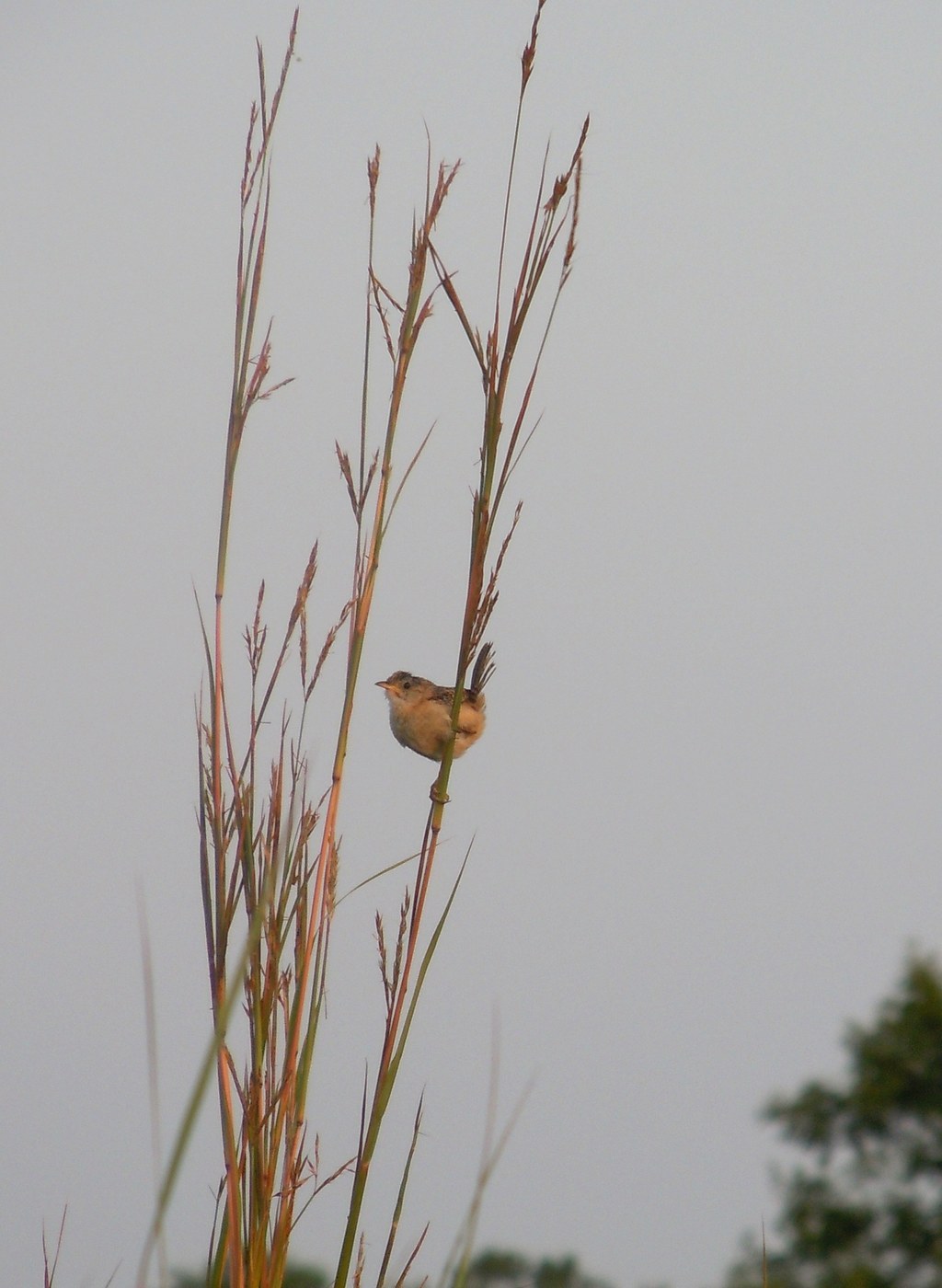
Sedge Wren
Tiny streaked crown and back feathers

Yellow-winged Cacique
Glossy black body feathers, yellow wing patch, shaggy crest

Yellow Warbler
Small contour and flight feathers
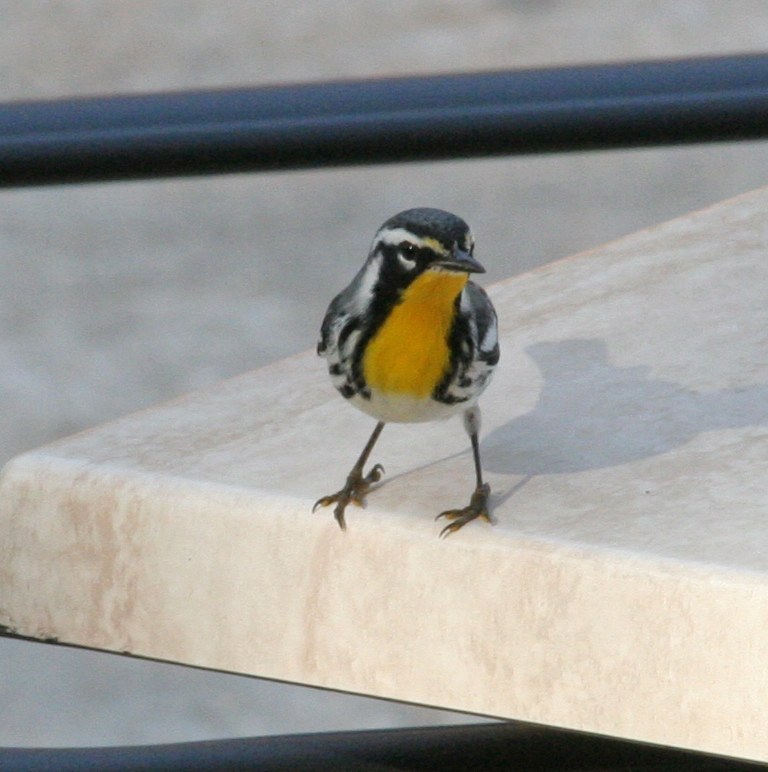
Yellow-throated Warbler
Small contour and flight feathers
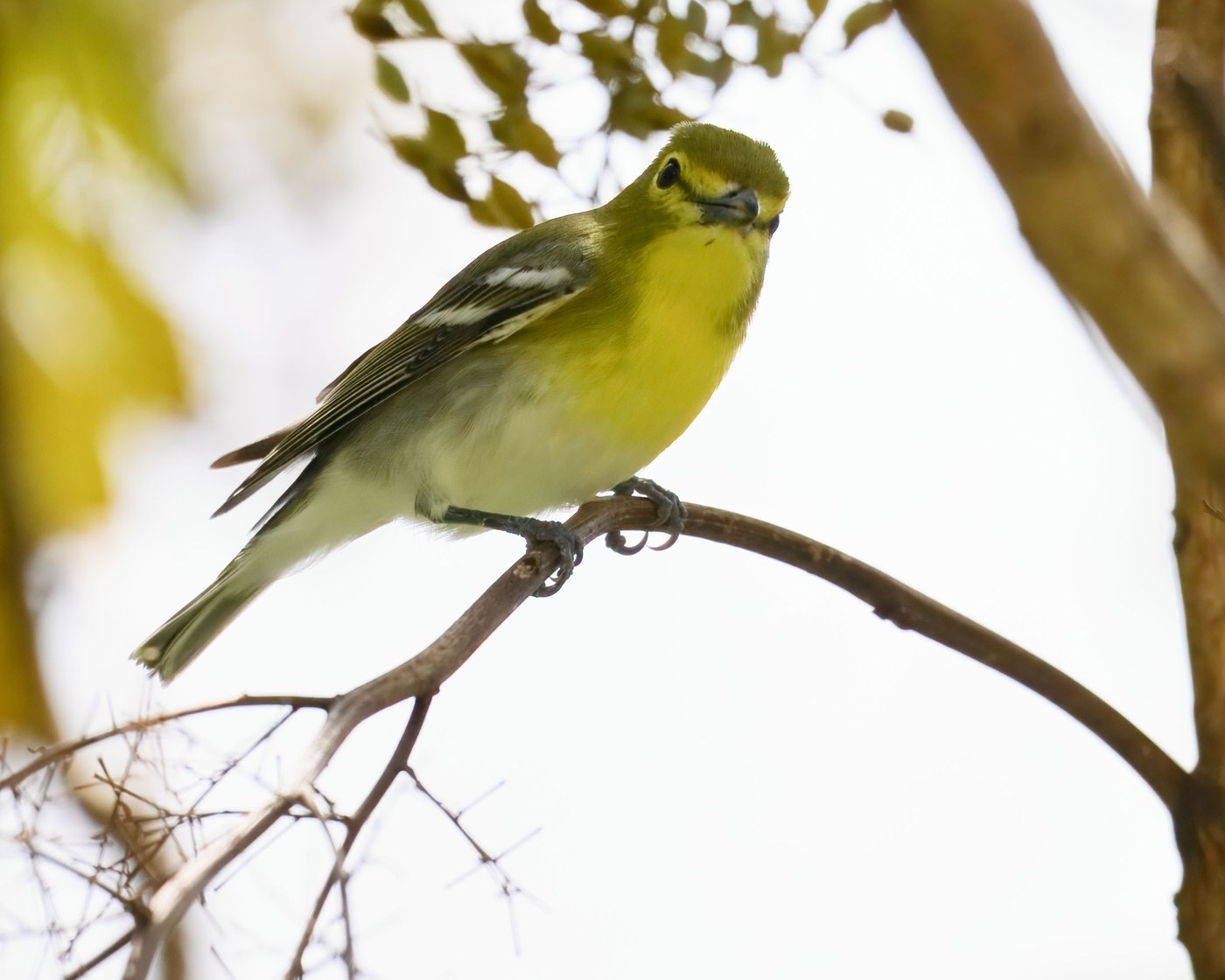
Yellow-throated Vireo
Bright yellow throat and spectacle feathers; olive-green back feathers; two white wing-bar feathers

Yellow-rumped Warbler
Small contour and flight feathers
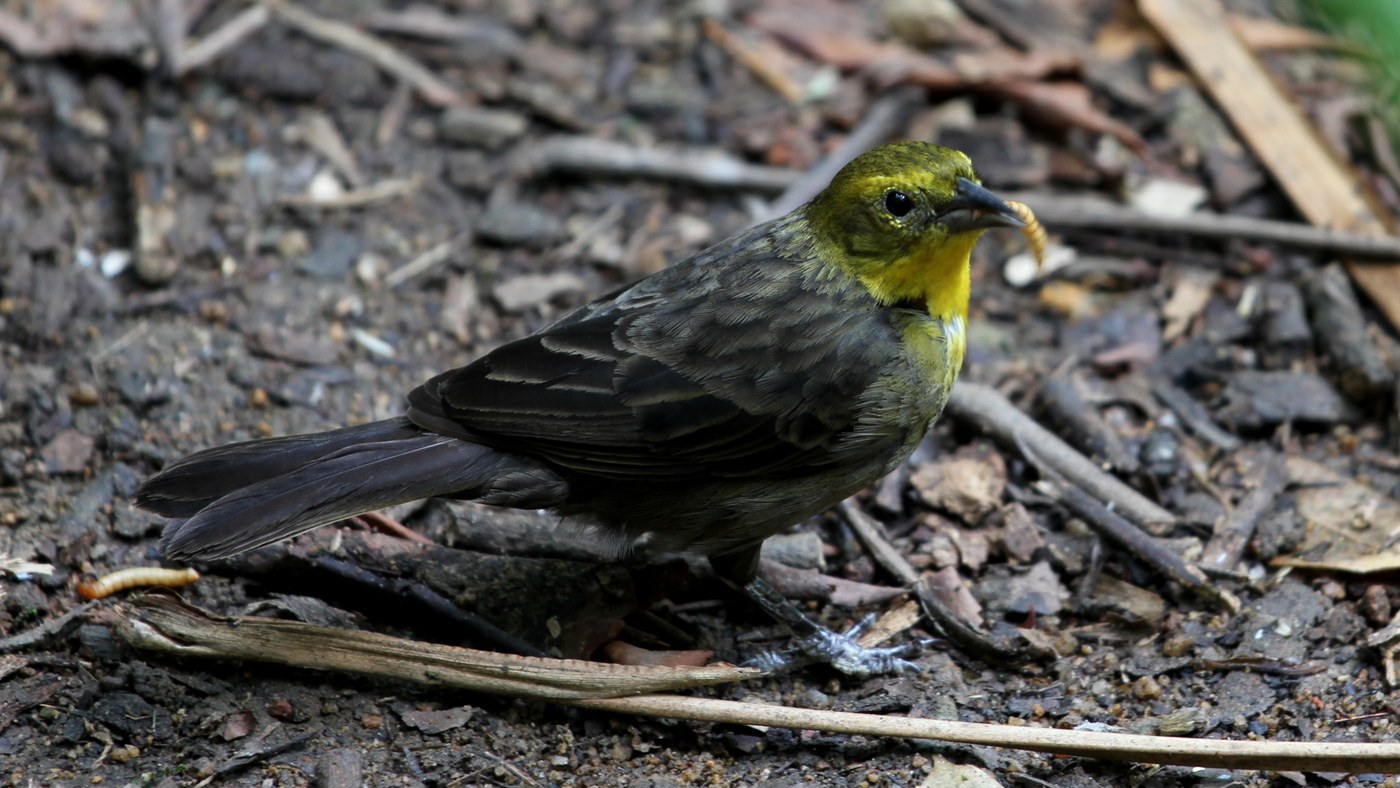
Yellow-hooded Blackbird
Contrasting hood and body feathers
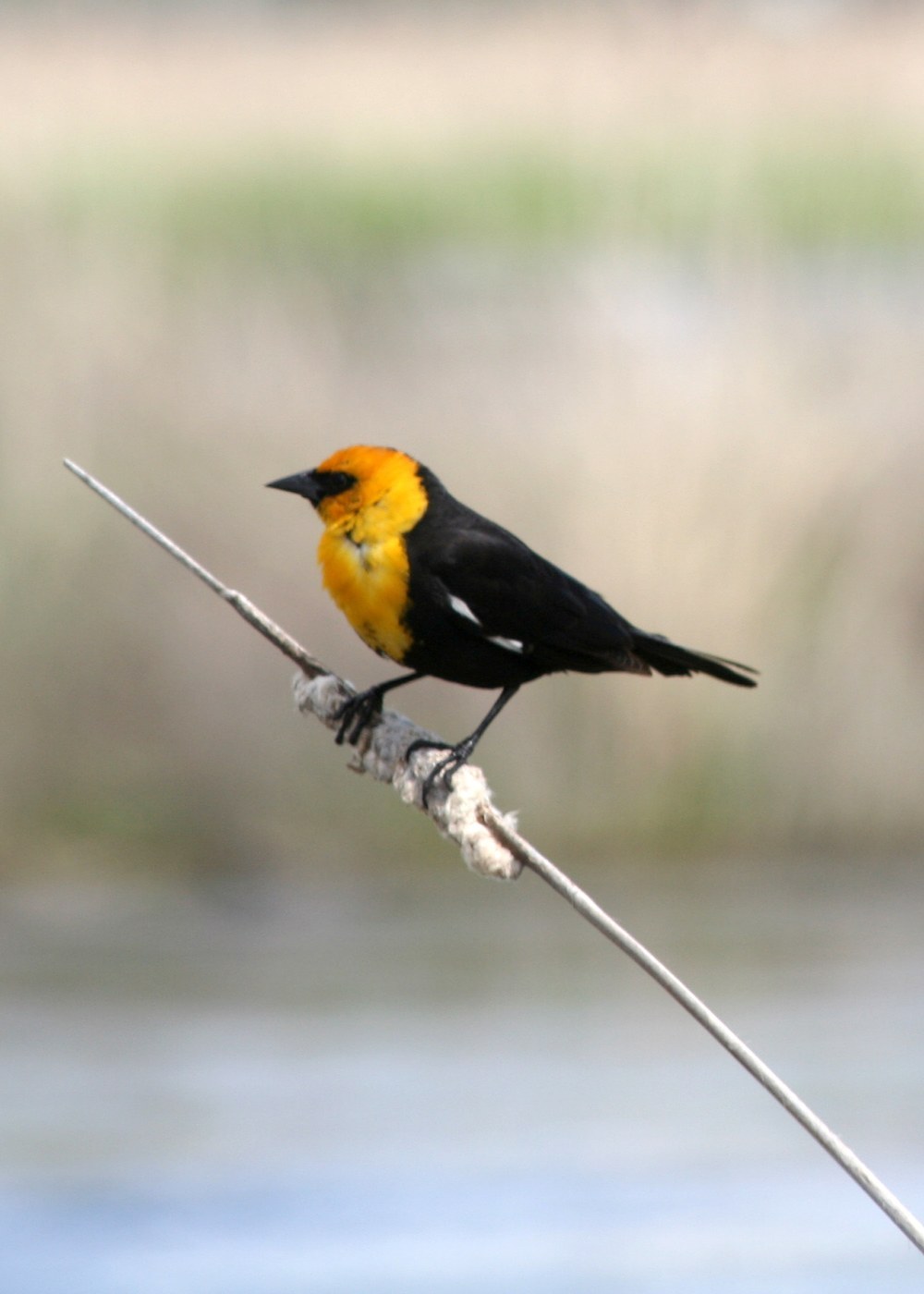
Yellow-headed Blackbird
Glossy black body plumage with a bright yellow head and breast

Yellow-eyed Junco
Contour and flight feathers

Yellow-fronted Canary
Small, smooth body plumage

Yellow-breasted Greenfinch
Compact, smooth body plumage