

Song Sparrow
Melospiza melodia
The Song Sparrow is a widespread, geographically variable sparrow whose brown-streaked feathers often converge into a distinctive central dark spot on the breast.
- Feather type
- Heavily streaked brown body feathers; central breast-spot feathers
- Colours
- Warm brown streaked with darker brown/black, central breast spot
- Bird size
- Sparrow-sized, ~15-17 cm (variable by region)
Found a feather like this?
Identify any feather from a photo, free.
Overview
Overview
The Song Sparrow is one of the most widespread and variable sparrows in North America, with dozens of regional subspecies differing in size and color intensity. Despite this variation, its feathers consistently show heavy brown streaking, usually converging into a central dark spot on the breast.
It is named for its rich, musical song, and is a familiar bird of brushy edges, gardens, and wetlands nearly continent-wide.
Identifying the Feather
Recognizing the Feathers
- Back feathers: warm brown with bold blackish streaking
- Breast/flank feathers: whitish, heavily streaked with brown, often converging into a central dark spot
- Head feathers: brown-streaked crown with a grayish eyebrow stripe
- Regional variation: coastal/northern subspecies show darker, richer brown tones; desert subspecies are paler
The central breast spot formed by converging streaks is a helpful (though not universal) clue; overall heavy streaking without any yellow, black cap, or white crown stripes helps separate this from goldfinches, chickadees, and crowned sparrows.
Plumage & Molt
Plumage
Sexes look alike, brown-streaked throughout with a grayish face and a central breast spot in many individuals. Juveniles show finer, buffier streaking. Considerable geographic variation exists in overall color saturation and size. One complete molt occurs after breeding, and some populations show a partial molt before migration.
Habitat & Range
Habitat & Range
Song Sparrows occupy brushy wetlands, hedgerows, gardens and forest edges across nearly all of North America, from Alaska to Mexico. Northern populations migrate south in winter, while many populations elsewhere are year-round residents.
Behavior & Field Notes
Behavior & Field Notes
Song Sparrows forage low in dense cover for seeds and insects, and are named for their variable, musical song often beginning with several clear notes followed by a trill. They nest low in shrubs or on the ground, and their skulking habits mean feathers are more often found than the bird itself is seen well. A heavily streaked brown feather with a converging central breast spot, found near brushy cover, is a good Song Sparrow indicator.
Frequently asked questions
What is the key feather clue for a Song Sparrow?
Heavy brown streaking on the breast that often converges into a central dark spot.
Do Song Sparrows look the same across their whole range?
No, there is substantial regional variation in size and color intensity among subspecies.
How can I tell a Song Sparrow feather from a House Sparrow feather?
Song Sparrow feathers show heavier, bolder streaking throughout, without the male House Sparrow's gray crown/black bib pattern.
Is this species migratory?
Some populations migrate south in winter, while others are year-round residents.
Song Sparrow guides
In-depth guides for identifying and understanding Song Sparrow.

Other feathers you may enjoy

Yellow-breasted Bunting
Contour and flight feathers, chestnut-and-yellow breeding pattern
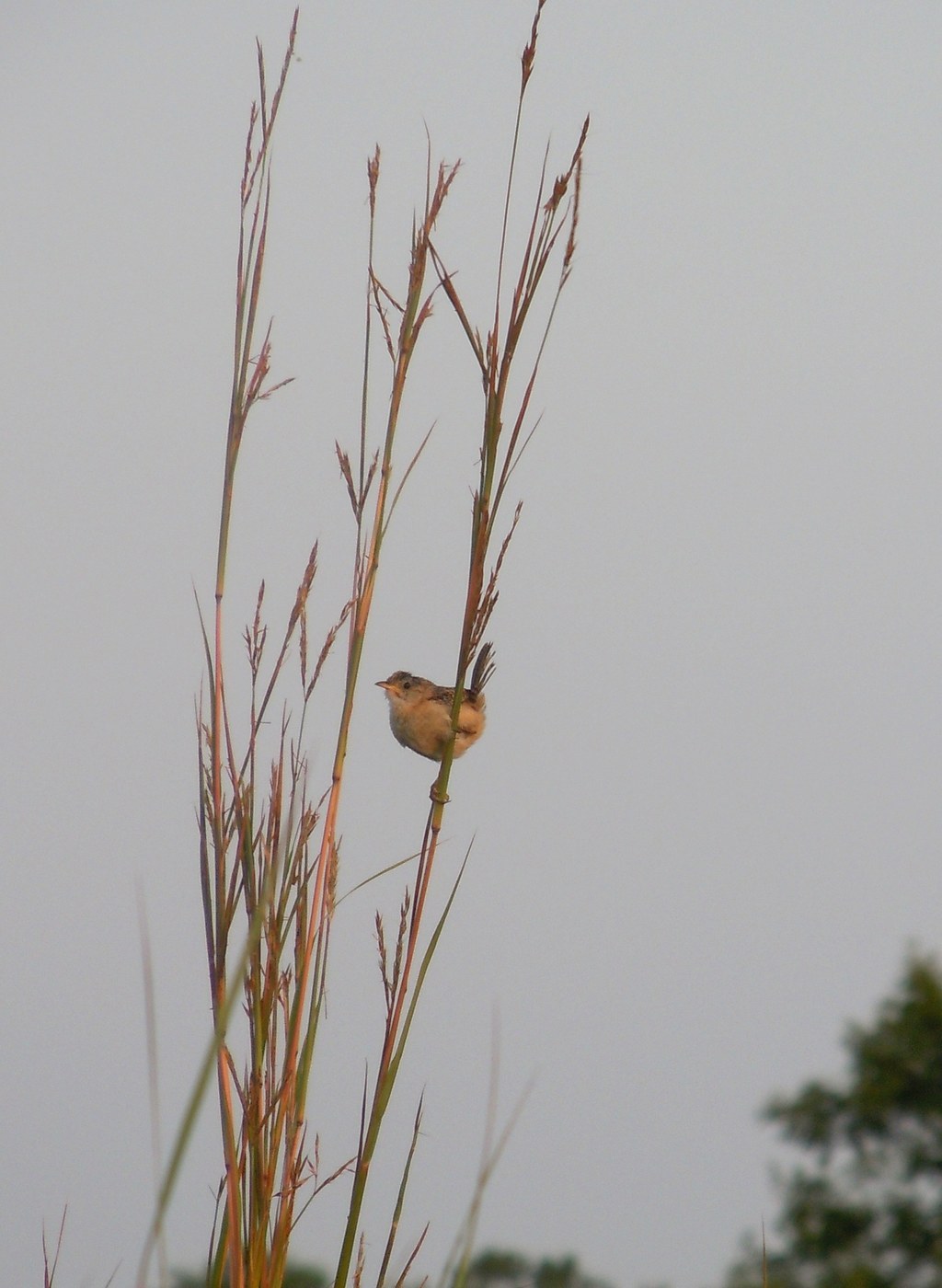
Sedge Wren
Tiny streaked crown and back feathers

Yellow-winged Cacique
Glossy black body feathers, yellow wing patch, shaggy crest

Yellow Warbler
Small contour and flight feathers
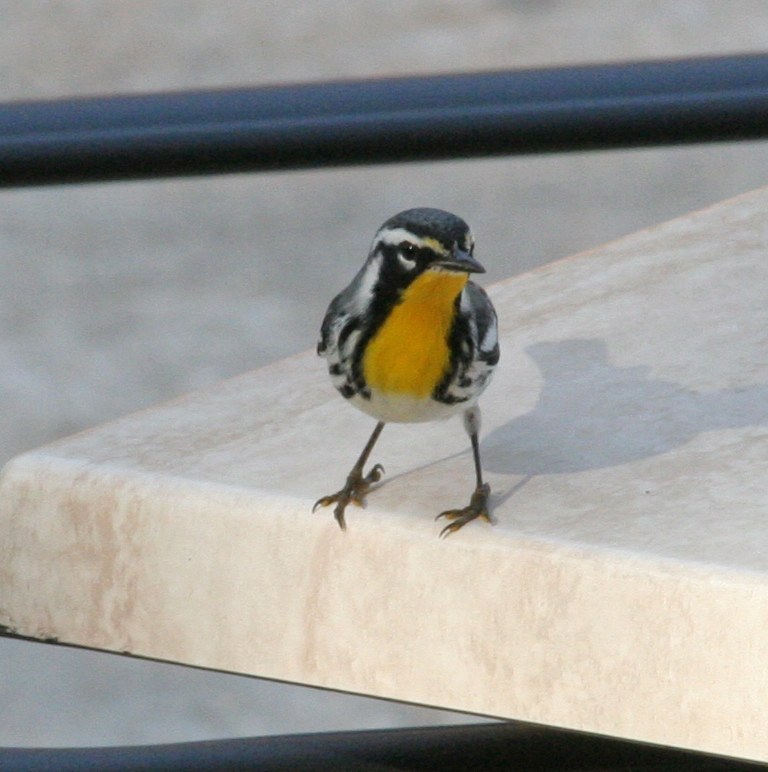
Yellow-throated Warbler
Small contour and flight feathers
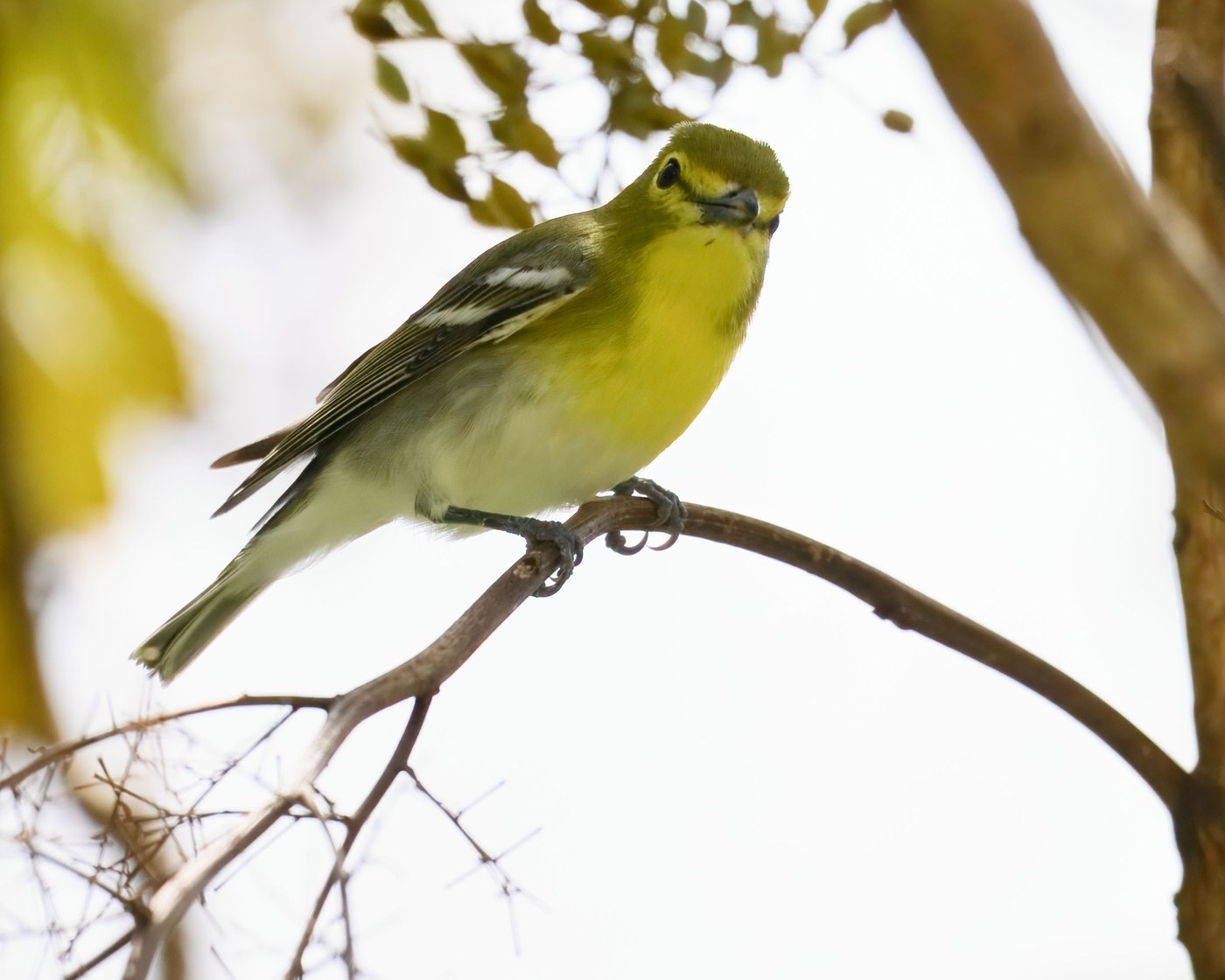
Yellow-throated Vireo
Bright yellow throat and spectacle feathers; olive-green back feathers; two white wing-bar feathers

Yellow-rumped Warbler
Small contour and flight feathers
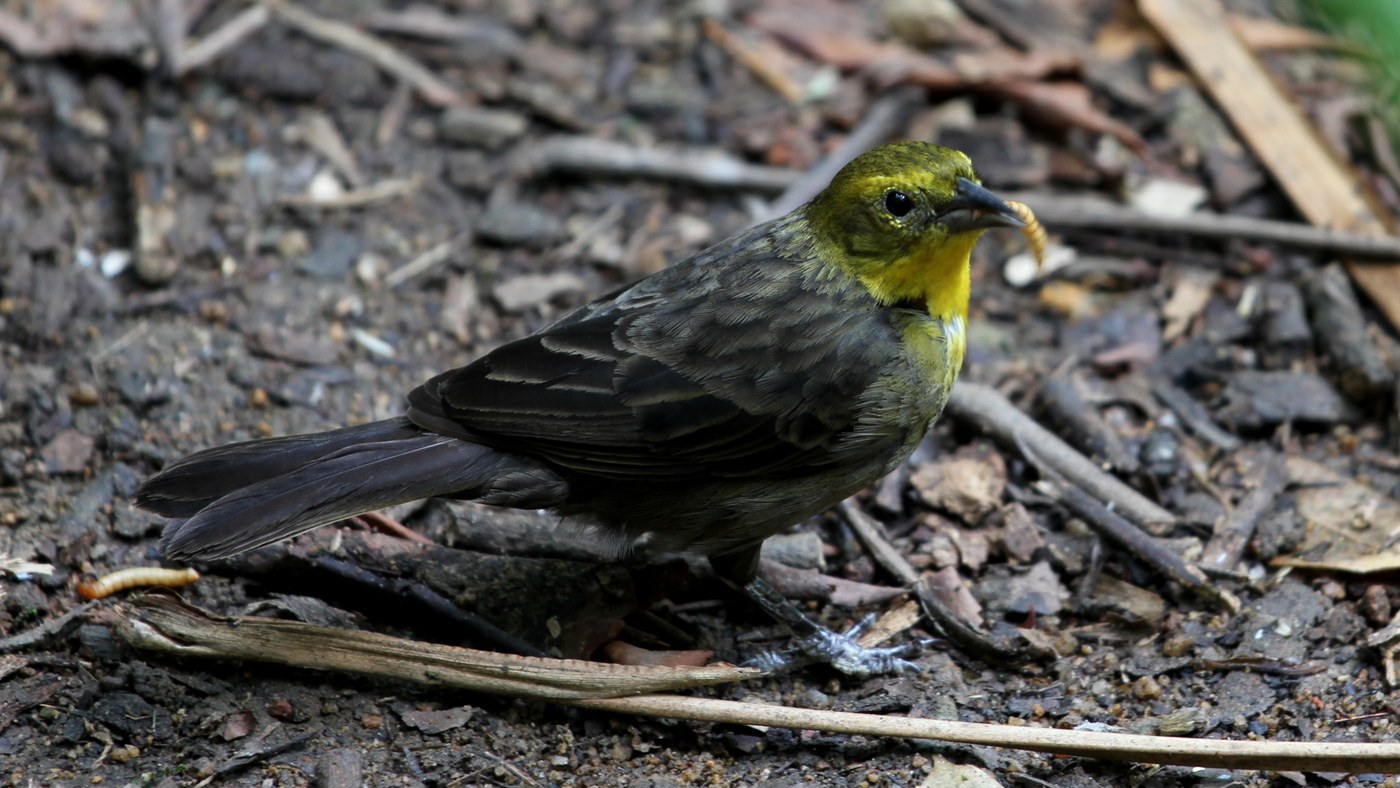
Yellow-hooded Blackbird
Contrasting hood and body feathers
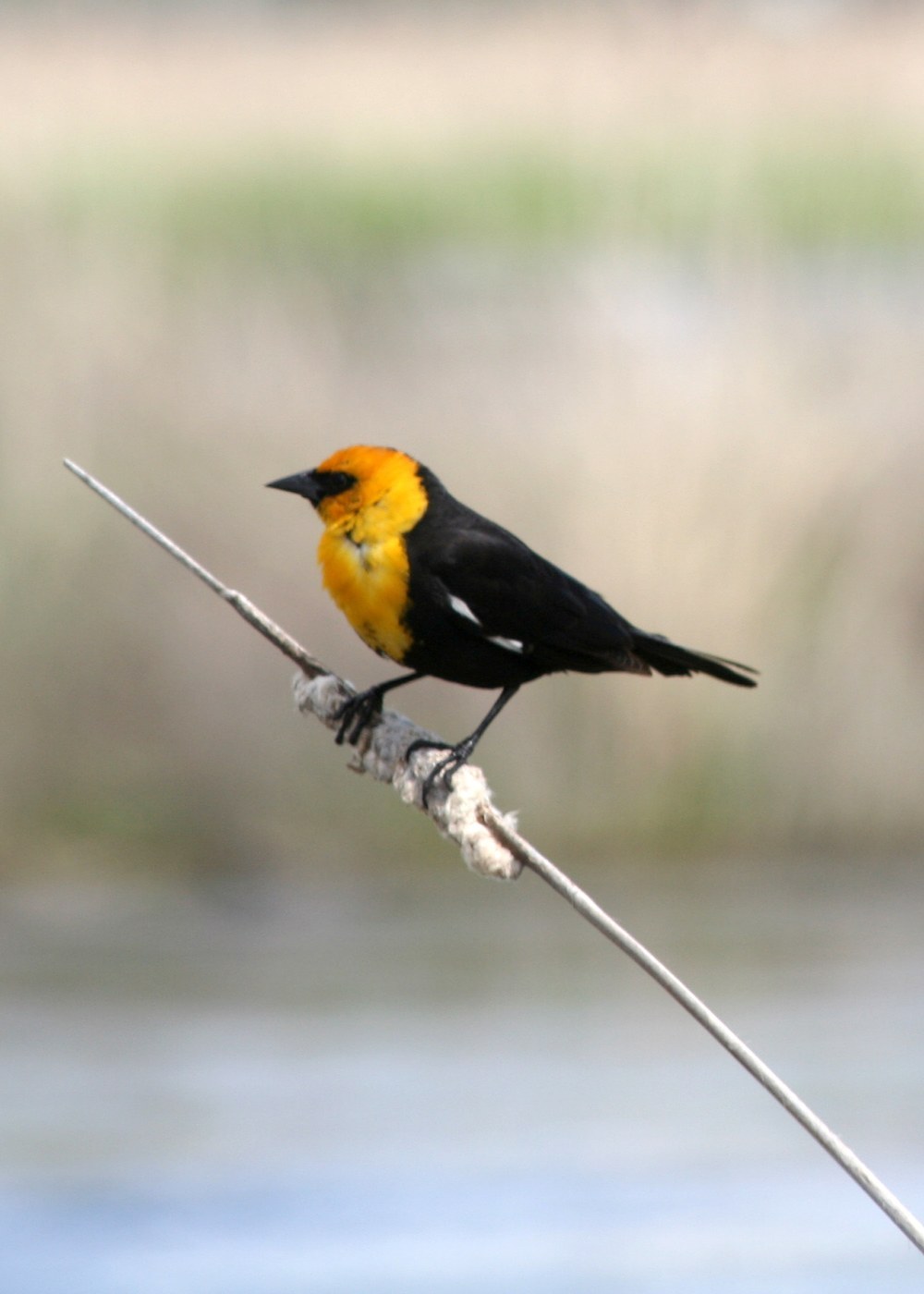
Yellow-headed Blackbird
Glossy black body plumage with a bright yellow head and breast

Yellow-eyed Junco
Contour and flight feathers

Yellow-fronted Canary
Small, smooth body plumage

Yellow-breasted Greenfinch
Compact, smooth body plumage