
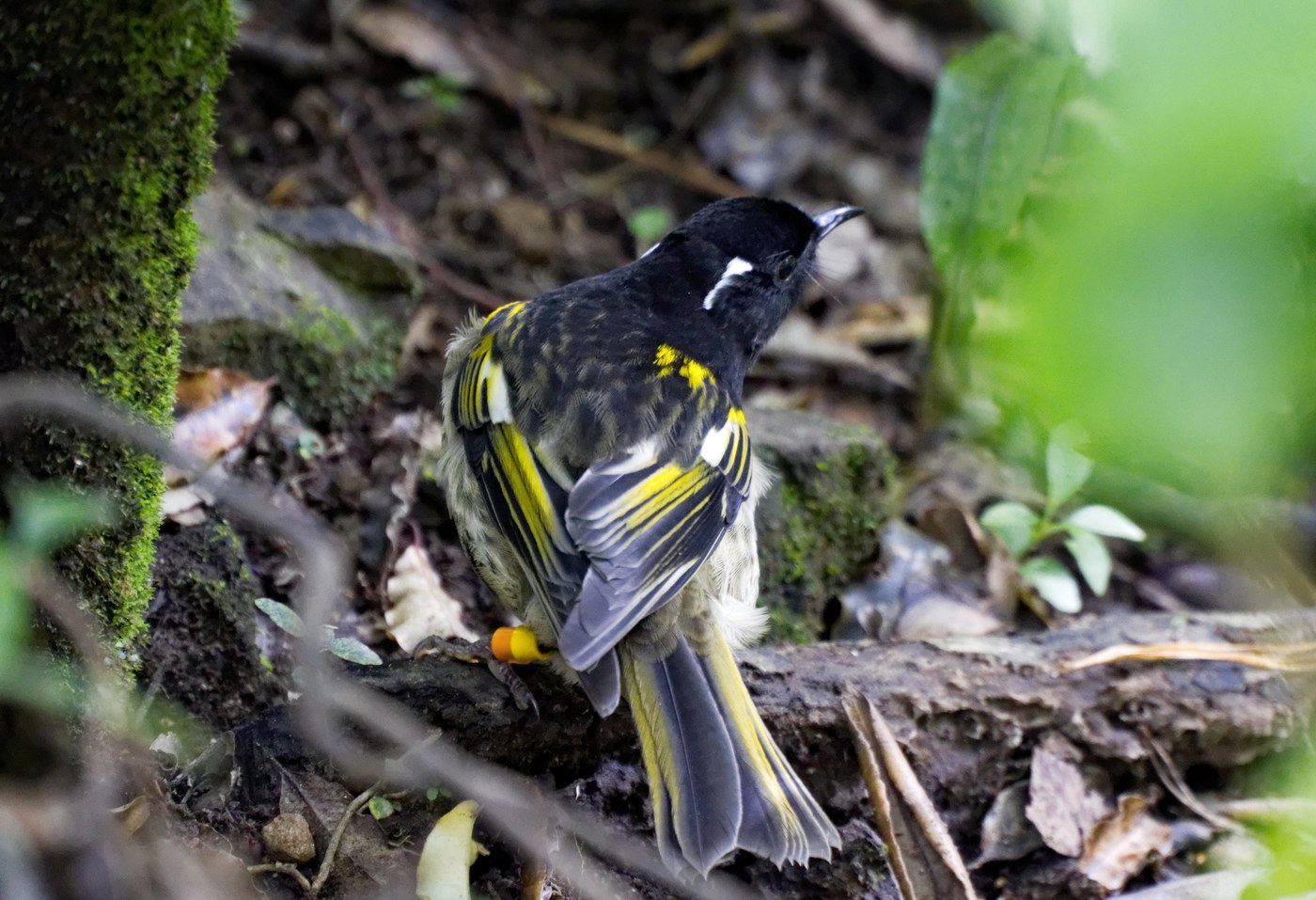
Stitchbird
Notiomystis cincta
The Stitchbird, or Hihi, is a small New Zealand honeyeater-relative in which males show a striking black head and yellow shoulder band, now restricted mainly to predator-free sanctuaries.
- Feather type
- Soft contour feathers with fine erectile tufts behind the ear
- Colours
- Black head and yellow shoulder band in males; olive-brown in females
- Bird size
- Small, ~18 cm
Found a feather like this?
Identify any feather from a photo, free.
Overview
Overview
The Stitchbird is a distinctive New Zealand endemic, the sole member of its own family, once widespread but now surviving naturally only on one offshore island with additional populations established through conservation translocation. Its common name refers to its sharp, stitching-like call note.
- Family: Notiomystidae (stitchbirds)
- Distribution: predator-free islands and mainland sanctuaries in New Zealand
- Notable trait: small erectile feather tufts behind the eye in males
Identifying the Feather
Feather Identification
Males have a velvety black head and upper breast, a bright yellow band across the shoulder and upper back, a white wing bar, and olive-brown lower underparts; small white ear-tufts can be erected behind the eye during display. Females are much duller olive-brown overall with a whitish wing bar, lacking the male's black-and-yellow pattern. The bill is fine and slightly downcurved, suited to nectar feeding.
- Overall pattern: striking black, yellow, and white in males; plain olive-brown in females
- Key mark: male's yellow shoulder band and white wing bar
- Compare with: New Zealand Bellbird (female Stitchbird can look superficially similar but shows a whiter wing bar and different structure)
Plumage & Molt
Plumage
Males show the bold black, yellow, and white pattern described above, while females and juveniles are duller olive-brown with a whitish wing bar. There is no strong seasonal plumage change, though the male's erectile ear-tufts are most often displayed during courtship.
Habitat & Range
Habitat & Range
Stitchbirds inhabit native forest with a naturally surviving population on one predator-free offshore island, supplemented by translocated populations on other islands and fenced mainland sanctuaries as part of ongoing conservation efforts. They do not migrate, remaining within forest territories year-round.
Behavior & Field Notes
Behavior & Field Notes
This species feeds on nectar, fruit, and insects, and is notable for an unusual habit of sometimes mating face-to-face, one of the very few birds known to do so. Calls include a sharp, distinctive 'stitch' note that gives the bird its English name. Nests are built in tree cavities, often supplemented with artificial nest boxes in managed populations.
- Diet: nectar, fruit, and insects
- Voice: a sharp, stitching 'tzit' call alongside other whistled notes
- Field note: intensive conservation management, including supplementary feeding stations, supports many current populations
Frequently asked questions
Why is it called the Stitchbird?
Its sharp, distinctive call note sounds like the word 'stitch', giving the species its English common name.
Why are Stitchbirds so rare in the wild?
Historic declines from introduced predators and habitat loss left only one naturally surviving population, though translocations have established additional sites.
How do males and females differ?
Males show a striking black head, yellow shoulder band, and white wing bar, while females are plain olive-brown with a whitish wing bar.
What is unusual about its behaviour?
It is one of very few bird species known to sometimes mate in a face-to-face position rather than the typical posture.
Stitchbird guides
In-depth guides for identifying and understanding Stitchbird.
Other feathers you may enjoy

Yellow-breasted Bunting
Contour and flight feathers, chestnut-and-yellow breeding pattern
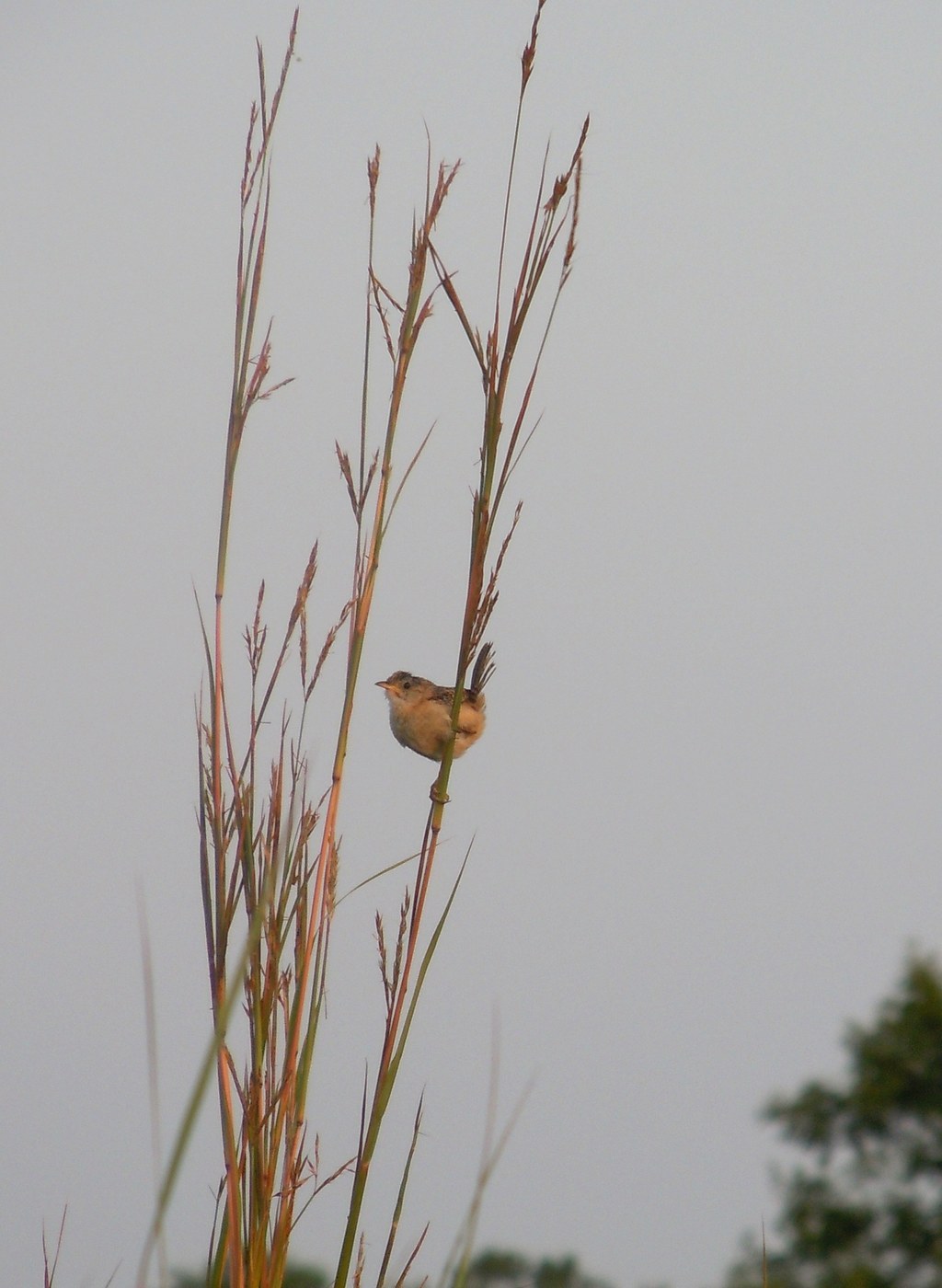
Sedge Wren
Tiny streaked crown and back feathers

Yellow-winged Cacique
Glossy black body feathers, yellow wing patch, shaggy crest

Yellow Warbler
Small contour and flight feathers
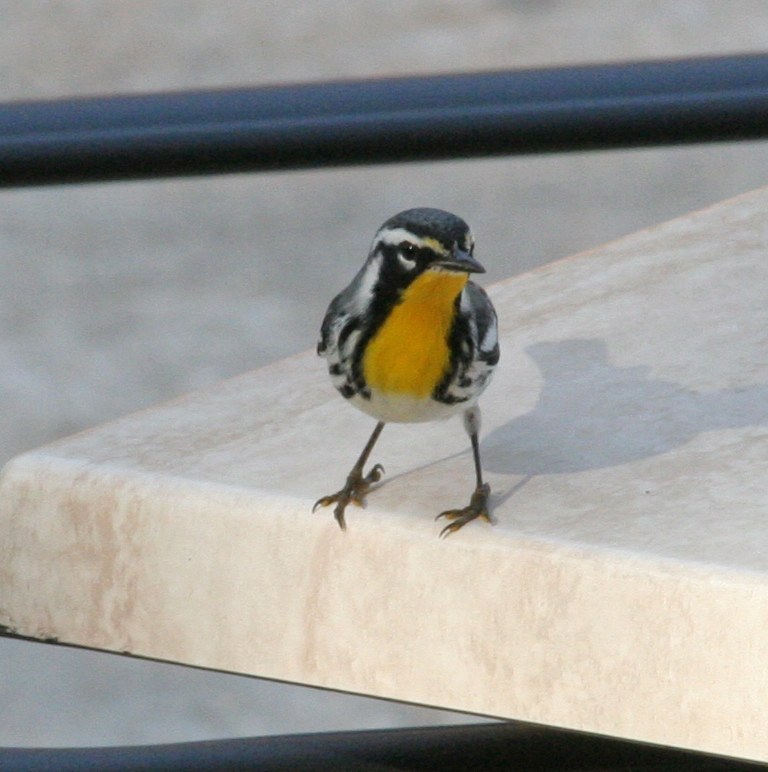
Yellow-throated Warbler
Small contour and flight feathers
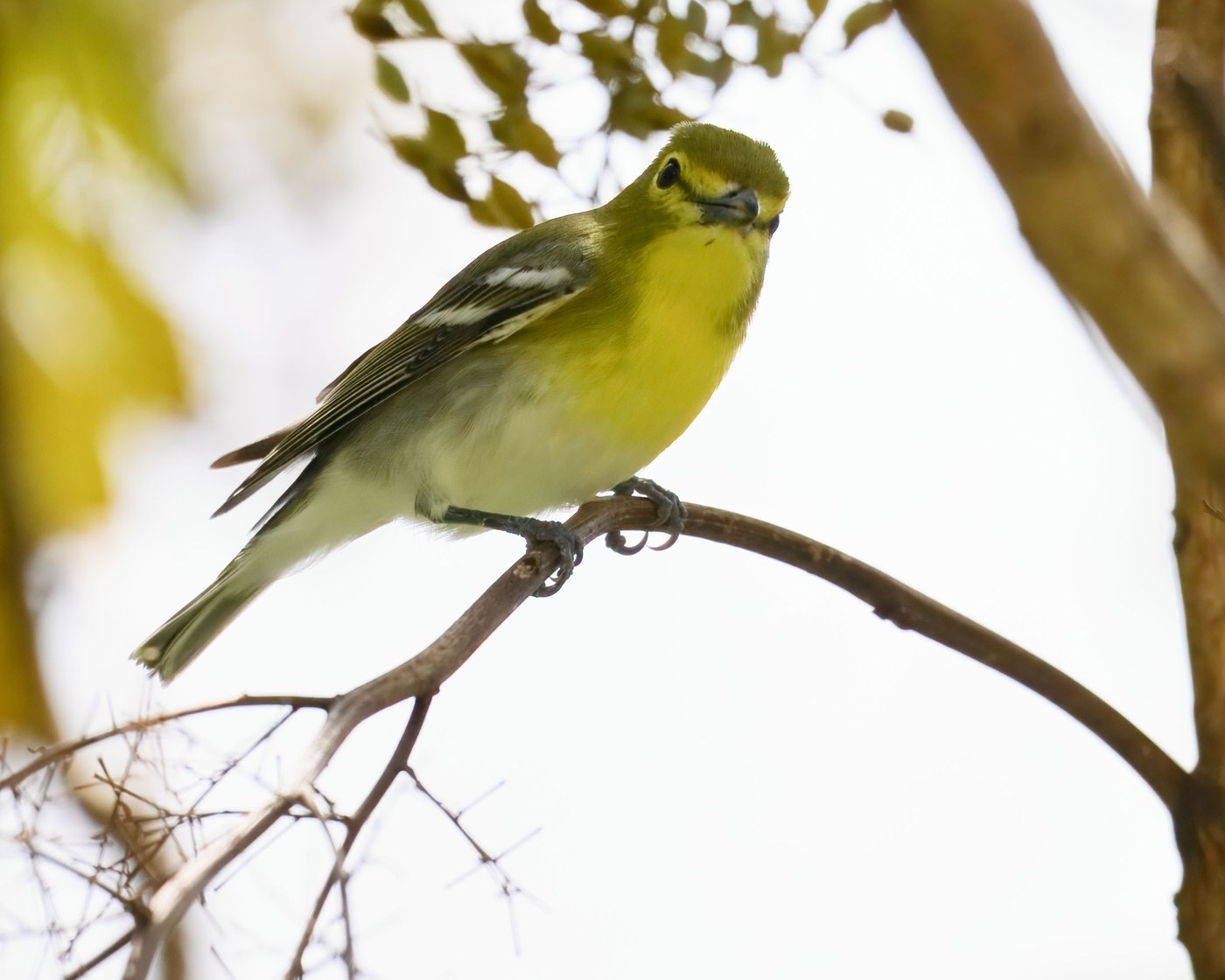
Yellow-throated Vireo
Bright yellow throat and spectacle feathers; olive-green back feathers; two white wing-bar feathers

Yellow-rumped Warbler
Small contour and flight feathers
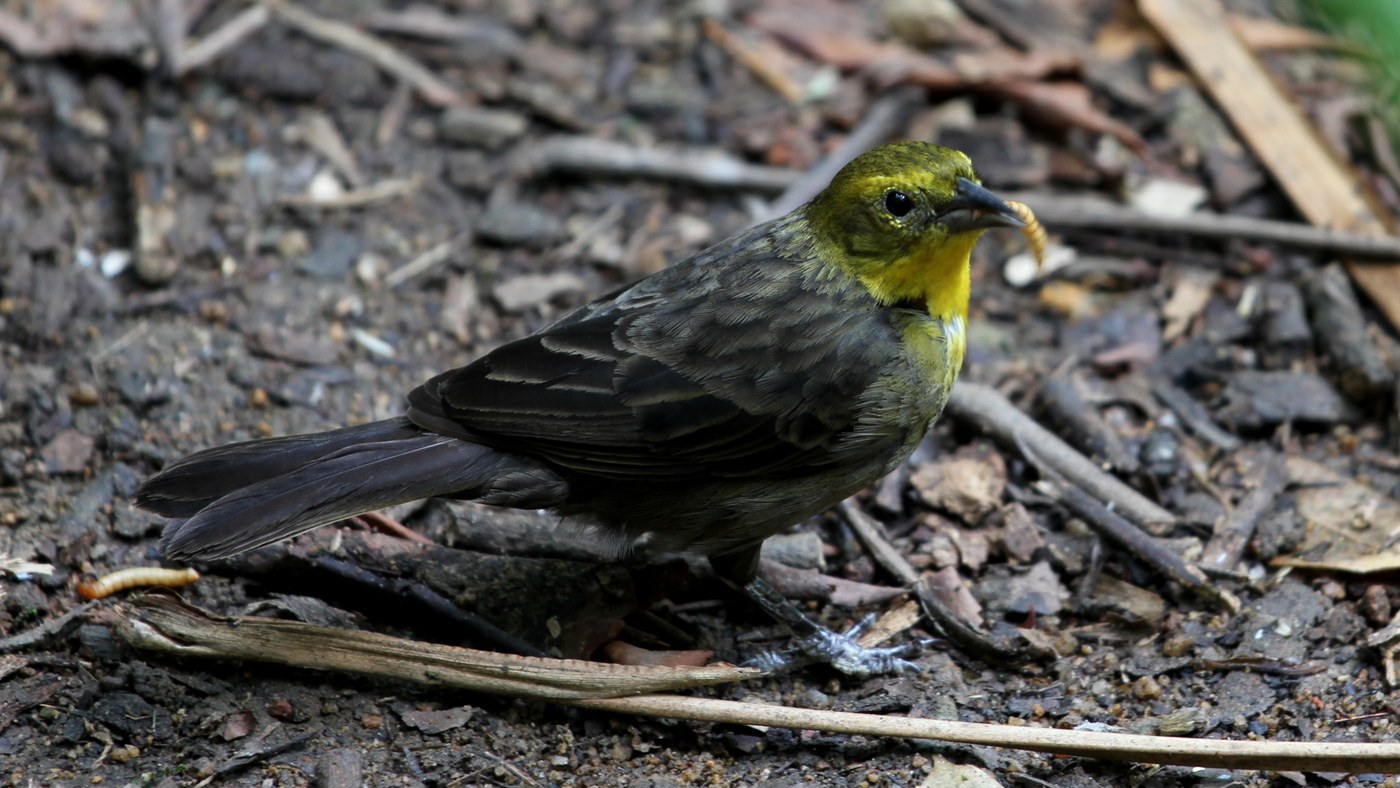
Yellow-hooded Blackbird
Contrasting hood and body feathers
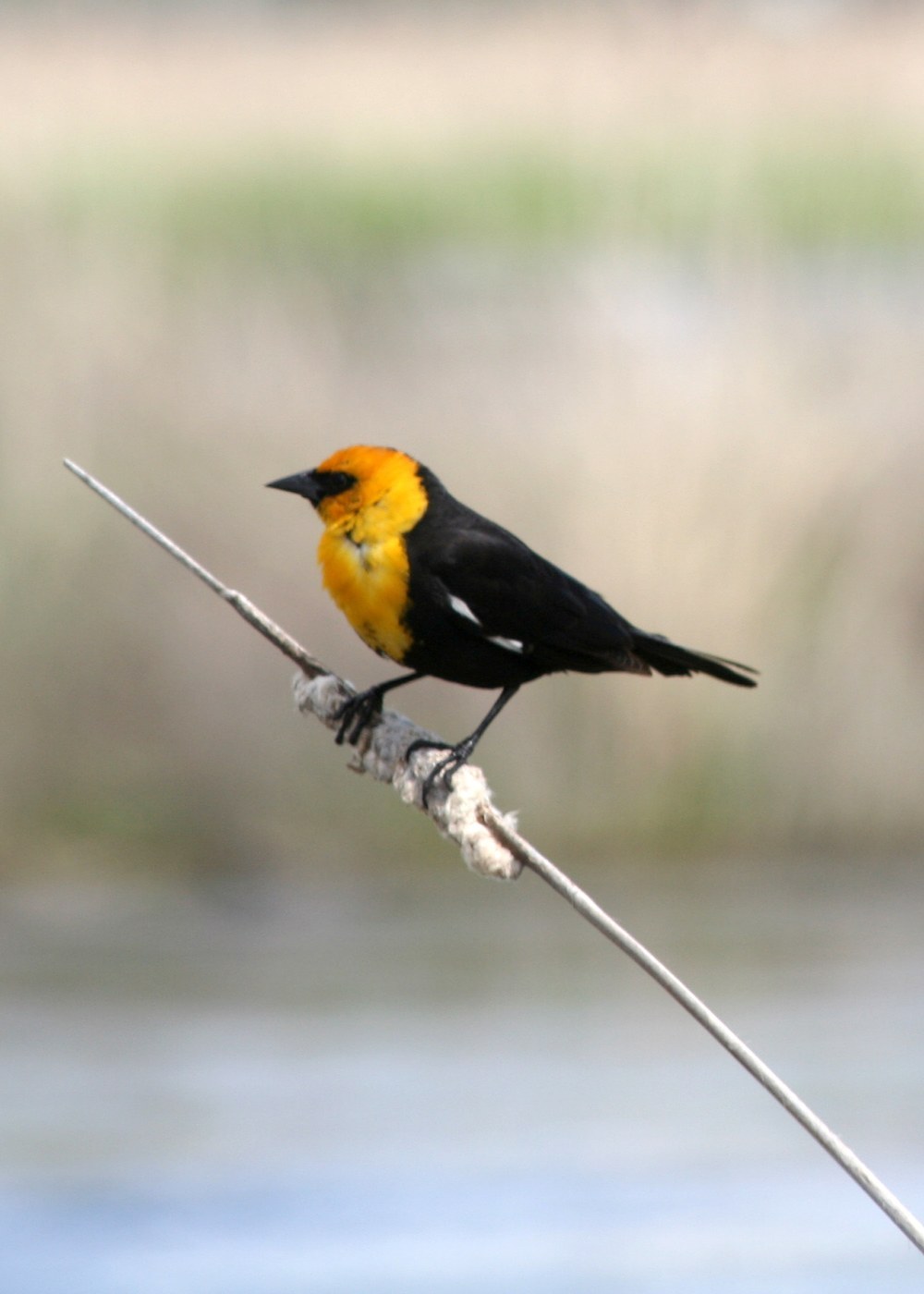
Yellow-headed Blackbird
Glossy black body plumage with a bright yellow head and breast

Yellow-eyed Junco
Contour and flight feathers

Yellow-fronted Canary
Small, smooth body plumage

Yellow-breasted Greenfinch
Compact, smooth body plumage