

Temminck's Stint
Calidris temminckii
A small, plain-plumaged stint that favors quiet freshwater edges over open mudflats, distinguished from its rufous relatives by generally duller upperpart feathers and distinctive white outer tail feathers.
- Feather type
- Tiny wader contour and flight feathers
- Colours
- Plain grayish-brown upperparts, less rufous than most small stints; white outer tail feathers
- Bird size
- Sparrow-sized, ~13-15 cm
Found a feather like this?
Identify any feather from a photo, free.
Overview
Overview
Temminck's Stint is a small Eurasian sandpiper that breeds across the subarctic and boreal zone from Scandinavia to eastern Siberia. It tends to favor vegetated freshwater edges rather than open mudflats, and its plumage is generally plainer and less contrastingly patterned than that of the similarly sized Little Stint.
Feathers are small and often found around the muddy or grassy margins of freshwater pools and slow-moving streams used during migration.
Identifying the Feather
Feather Identification
- Overall tone: plain grayish-brown upperpart feathers, generally duller and less rufous than Little Stint or other small stints, even in breeding plumage.
- Tail feathers: outer tail feathers are white, a useful distinguishing feature when tail feathers are found intact, unlike the more uniformly dark tails of related stints.
- Underparts: pale grayish breast band grading to white belly, with little bold streaking.
- Wing feathers: dark brown-gray with a faint pale wingbar.
- Versus Little Stint: Temminck's Stint feathers are duller and less rufous overall, and the white outer tail feathers offer a strong distinguishing clue not present in Little Stint.
Plumage & Molt
Plumage Notes
Breeding adults show a subdued grayish-brown back with only limited darker feather centers, and a plain grayish breast band; sexes look alike. Nonbreeding adults are similarly plain gray-brown above and white below, showing only subtle seasonal change compared to more strikingly patterned stints.
Juveniles show slightly warmer buff fringing on the upperparts compared to adults, but still notably duller than juvenile Little Stints. Molt into nonbreeding plumage happens gradually through autumn migration and after arrival on wintering grounds.
Habitat & Range
Habitat & Range
Temminck's Stint breeds across subarctic and boreal habitats from Scandinavia through Siberia, often near freshwater pools at the edge of taiga or tundra. It migrates through Europe and Asia to winter on freshwater and coastal wetlands across sub-Saharan Africa and South and Southeast Asia.
Behavior & Field Notes
Behavior & Field Notes
This species often behaves somewhat like a tiny sandpiper crossed with a small plover, freezing and crouching low when alarmed, and favoring quiet, vegetated pool edges over exposed open mudflats. It forages with quick pecking movements for small invertebrates.
Nests are shallow scrapes near freshwater, often at the edge of low vegetation. The flight call is a distinctive, dry, trilling rattle unlike the calls of most other small stints. Feathers are typically found around quiet freshwater margins rather than open coastal mudflats.
Frequently asked questions
What is the best feather clue for Temminck's Stint?
White outer tail feathers combined with generally plain, dull grayish-brown upperparts lacking strong rufous tones.
How does this differ from Little Stint feathers?
Temminck's Stint feathers are duller and less rufous, and the tail shows white outer feathers not present in Little Stint.
Where would I find Temminck's Stint feathers?
Around quiet freshwater pool edges and grassy wetland margins rather than open coastal mudflats.
Does this species show a strong breeding plumage change?
Only subtly - breeding plumage is a modest shift from nonbreeding, without the bold rufous transformation seen in some related stints.
Is the flight call useful alongside feather evidence?
Yes, the dry, trilling rattle call is distinctive and can help confirm identification when feathers are found near a calling bird.
Temminck's Stint guides
In-depth guides for identifying and understanding Temminck's Stint.

Other feathers you may enjoy
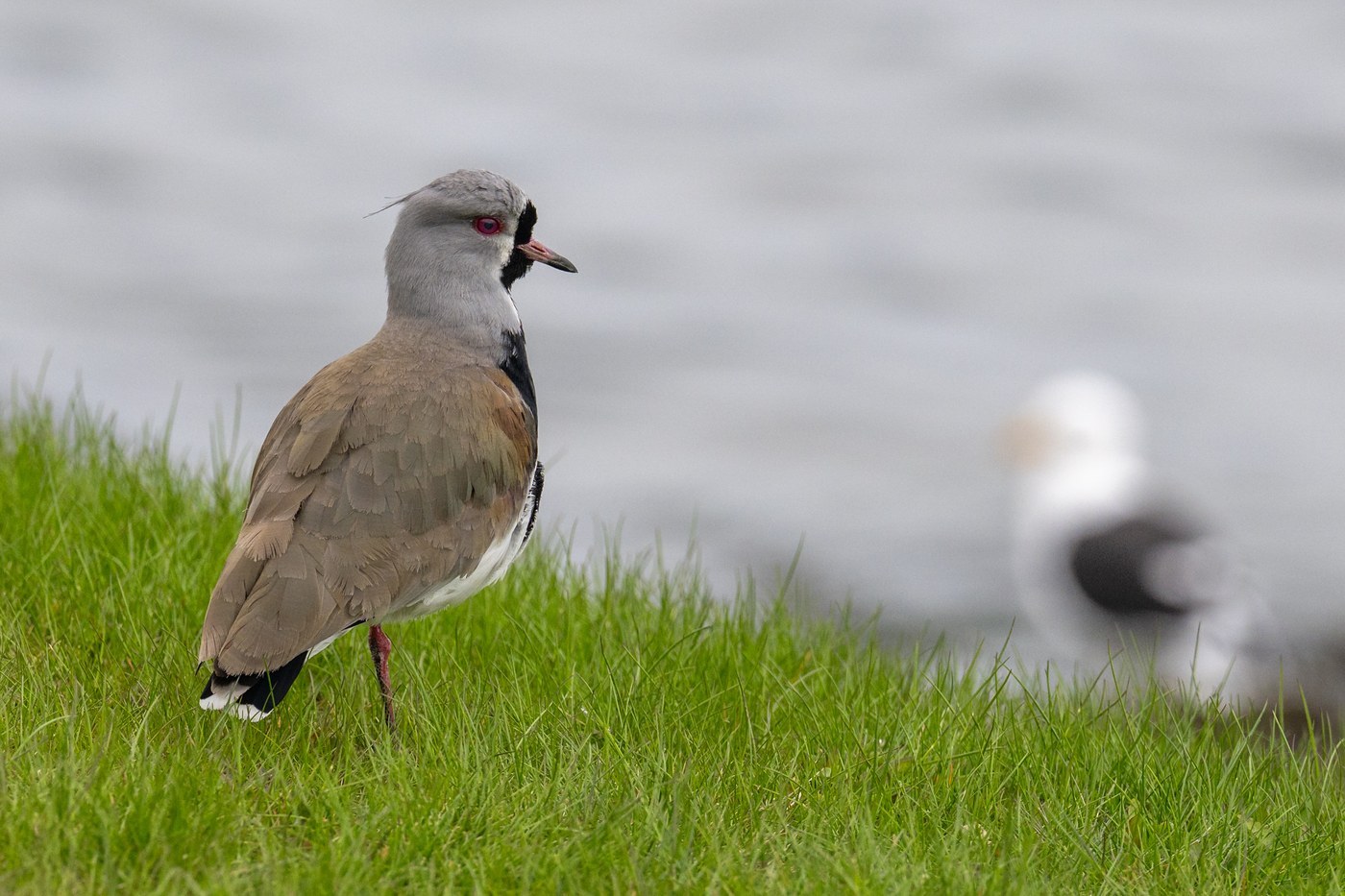
Southern Lapwing
Body, flight, and tail feathers

Jack Snipe
Body and flight feathers

Far Eastern Curlew
Body, flight, and tail feathers

Terek Sandpiper
Body and flight feathers

Wilson's Phalarope
Body and flight feathers
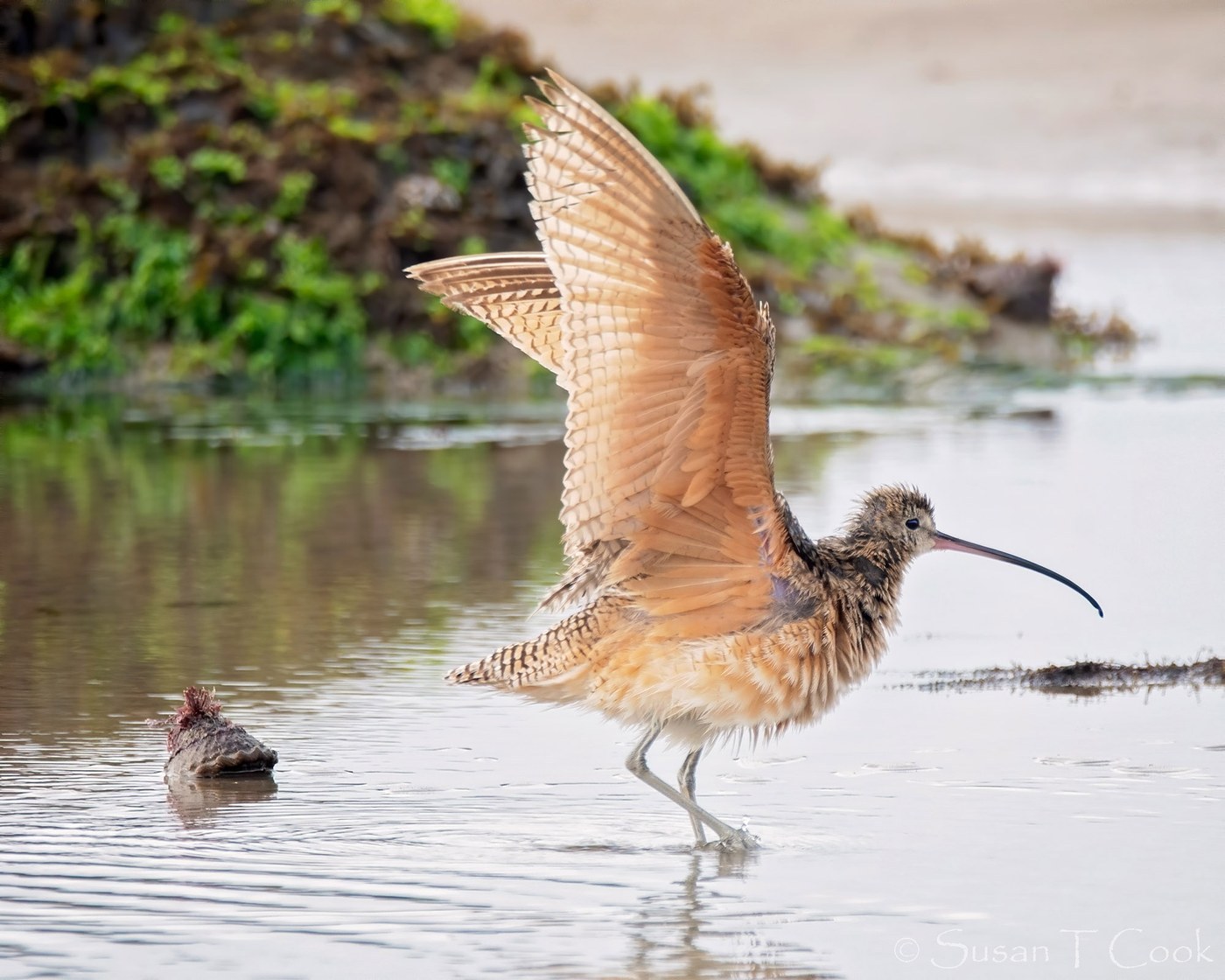
Long-billed Curlew
Body, flight, and tail feathers

Upland Sandpiper
Body, flight, and tail feathers

Red Phalarope
Body and flight feathers

Eurasian Dotterel
Body feathers
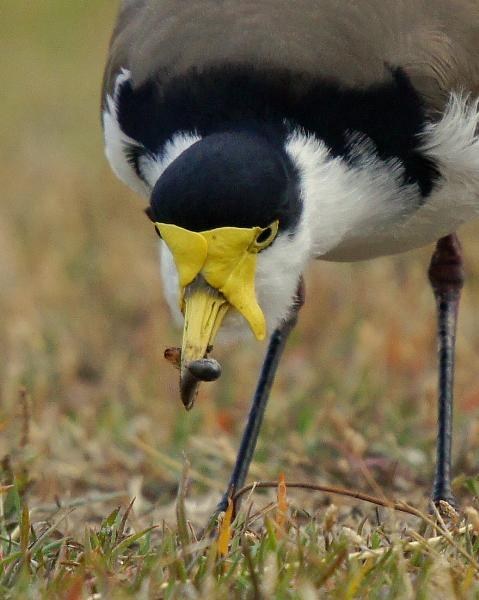
Masked Lapwing
Body, flight, and tail feathers
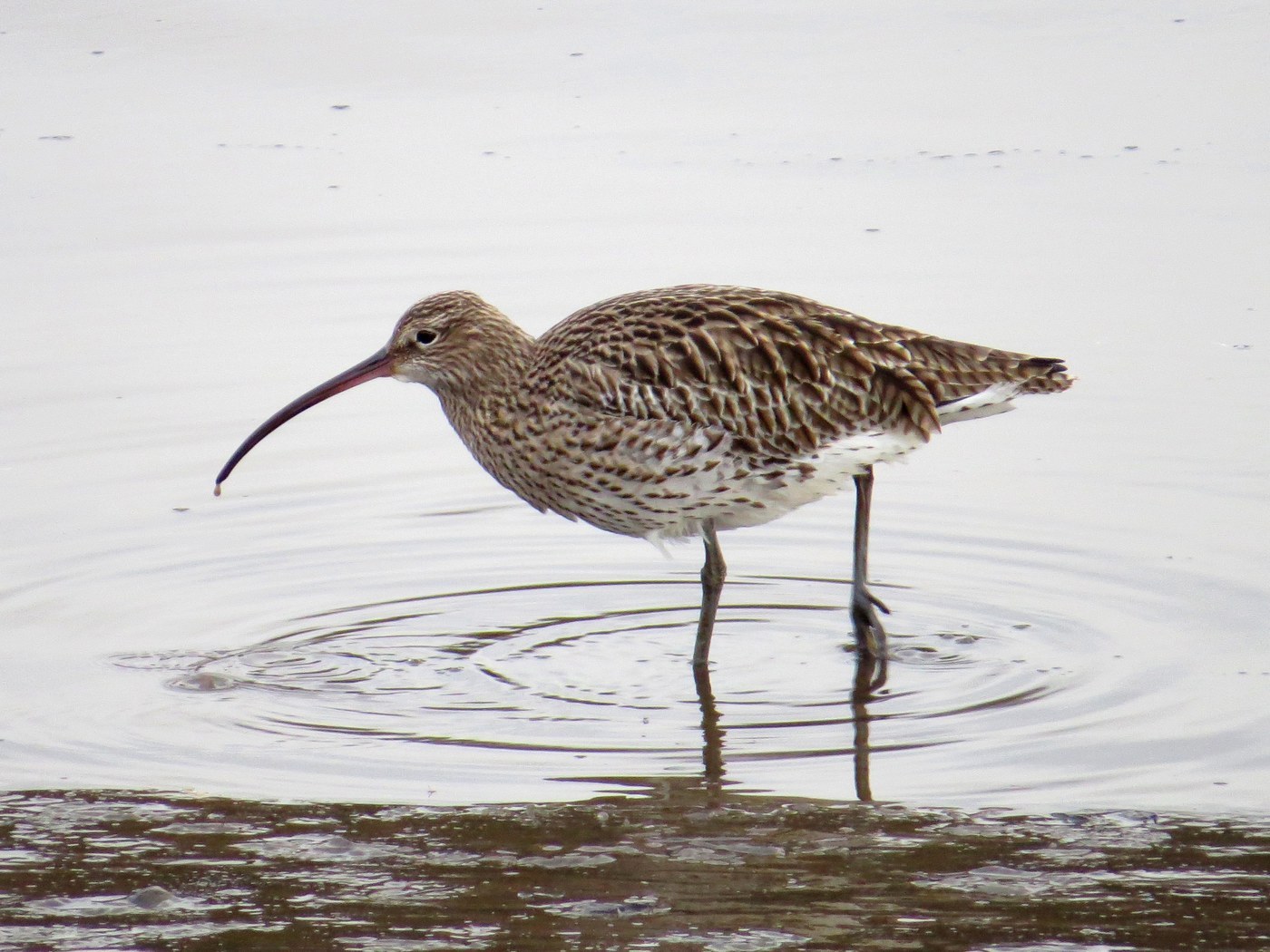
Eurasian Curlew
Body, flight, and tail feathers
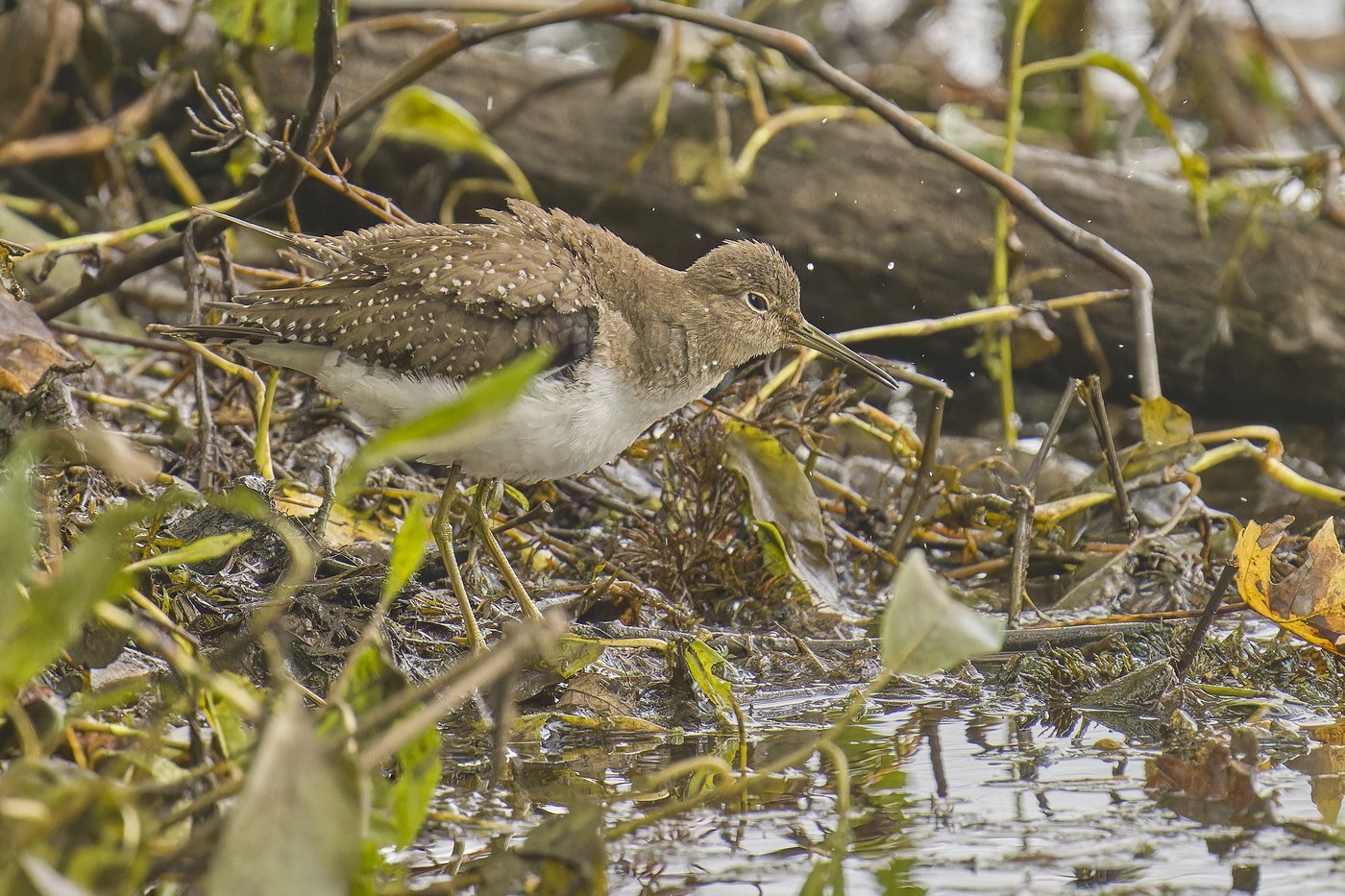
Solitary Sandpiper
Contour and flight feathers