

Whimbrel
Numenius phaeopus
A widespread curlew with a moderately long, downcurved bill and bold dark stripes on the crown, the Whimbrel shows grayish-brown feathers with fine barring adapted for camouflage on tundra and mudflats alike.
- Feather type
- Body, flight, and tail feathers
- Colours
- Grayish-brown with dark barring and streaked crown pattern
- Bird size
- Medium-large shorebird, ~40-46 cm
Found a feather like this?
Identify any feather from a photo, free.
Overview
The Whimbrel is a medium-sized curlew found across much of the Northern Hemisphere, breeding on Arctic and subarctic tundra and undertaking long-distance migrations to coastal wintering grounds on nearly every continent. It is best known for its striped crown pattern and rapid, staccato whistled call, often given in flight. Its bill is shorter and less dramatically curved than the Long-billed Curlew's, giving it a somewhat more compact silhouette.
Identifying the Feather
Whimbrel feathers are grayish-brown to buffy-brown, marked with dark brown barring and blotching that creates a mottled, cryptic pattern. Crown and head feathers show a distinctive pattern of dark lateral stripes separated by a pale central stripe, a feature unique among most curlews and useful for identifying head feathers specifically. Flight feathers are dark brown with pale buffy notching on the edges, less warm-toned than Long-billed Curlew. Underwing coverts are grayish-buff rather than richly cinnamon. Tail feathers show narrow dark bars on a grayish-buff ground. Overall the plumage reads cooler and grayer than the warm cinnamon tones of Long-billed Curlew.
Plumage & Molt
Sexes are similar in plumage, with females slightly larger. Juveniles show finer, more spotted buff fringing on the wing coverts and scapulars compared to the coarser barring of adults. There is minimal seasonal color change. A full post-breeding molt occurs primarily on wintering grounds, with flight feathers replaced sequentially over an extended period, sometimes overlapping with the next breeding migration in some individuals.
Habitat & Range
Breeds on Arctic and subarctic tundra, including wet sedge meadows and hummocky ground across northern North America, Europe, and Asia. During migration and winter, Whimbrels use coastal mudflats, rocky shorelines, sandy beaches, and mangrove-lined estuaries across a vast wintering range spanning coastlines of the Americas, Africa, and Asia-Pacific. It is one of the most widely distributed curlews, undertaking long nonstop oceanic flights during migration.
Behavior & Field Notes
Whimbrels forage by probing mud and sand for crustaceans, particularly fiddler crabs in some wintering areas, and also pick insects and berries on the tundra breeding grounds. Nests are shallow ground scrapes on tundra, camouflaged among low vegetation, with both parents attending the nest and young. The flight call is a rapid, evenly spaced series of whistled notes, often described as a titter, distinct from the rising two-note call of Long-billed Curlew. Whimbrels are known for remarkable long-distance nonstop flights during migration.
Frequently asked questions
What feather feature is unique to Whimbrel among curlews?
Its crown and head feathers show a bold striped pattern of dark lateral stripes with a pale central stripe, a pattern not shared by most other curlew species.
How does a Whimbrel feather differ from a Long-billed Curlew feather?
Whimbrel feathers are cooler and grayer overall, lacking the warm cinnamon tones seen especially on the underwing of Long-billed Curlew.
Where do Whimbrels breed?
They breed on Arctic and subarctic tundra across North America, Europe, and Asia, nesting in shallow ground scrapes among low vegetation.
What does a Whimbrel sound like?
Its call is a rapid, evenly spaced titter of whistled notes, quite different from the slower, rising cur-lee call of the Long-billed Curlew.
Whimbrel guides
In-depth guides for identifying and understanding Whimbrel.

Other feathers you may enjoy
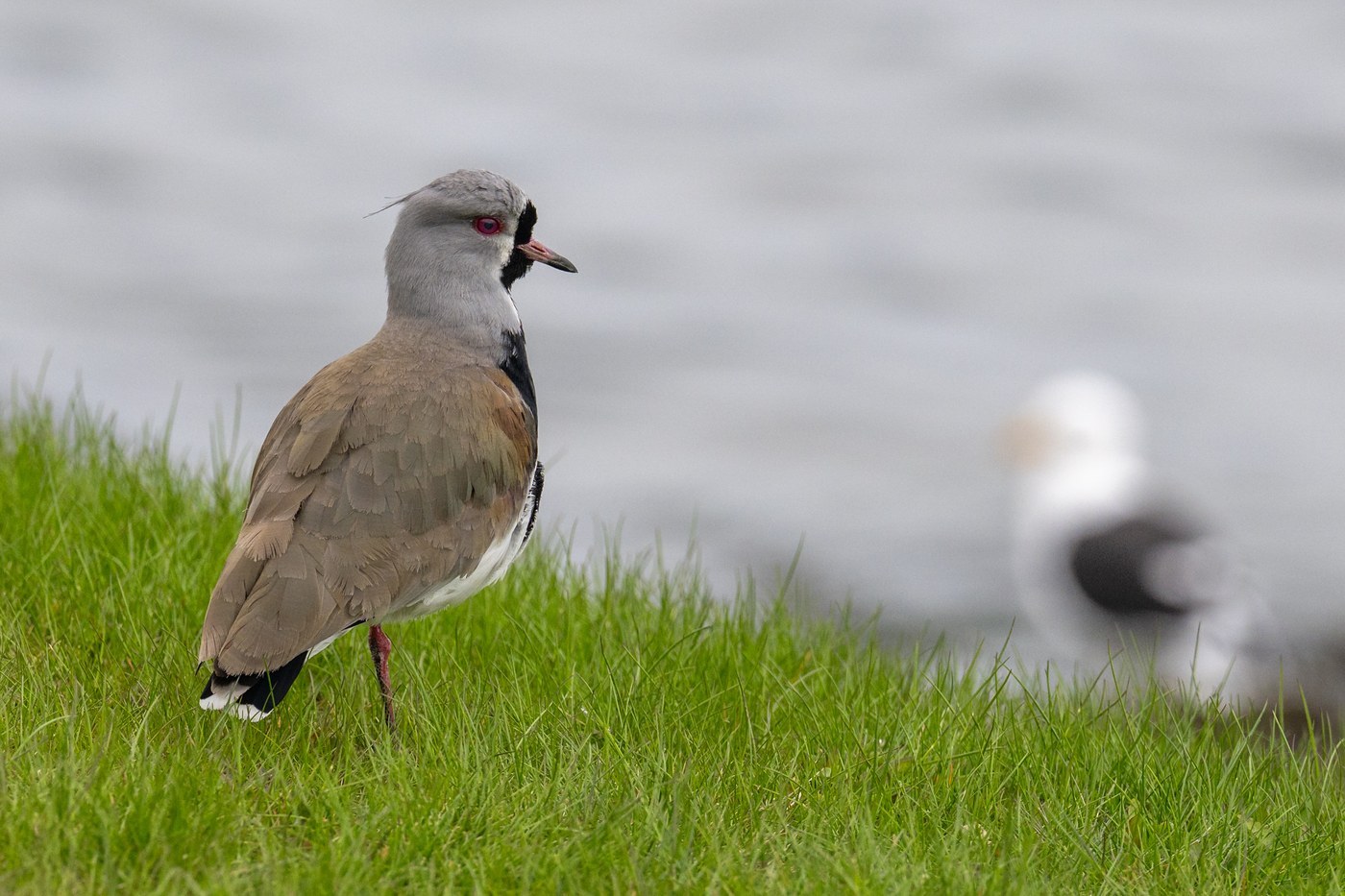
Southern Lapwing
Body, flight, and tail feathers

Jack Snipe
Body and flight feathers

Far Eastern Curlew
Body, flight, and tail feathers

Terek Sandpiper
Body and flight feathers

Wilson's Phalarope
Body and flight feathers
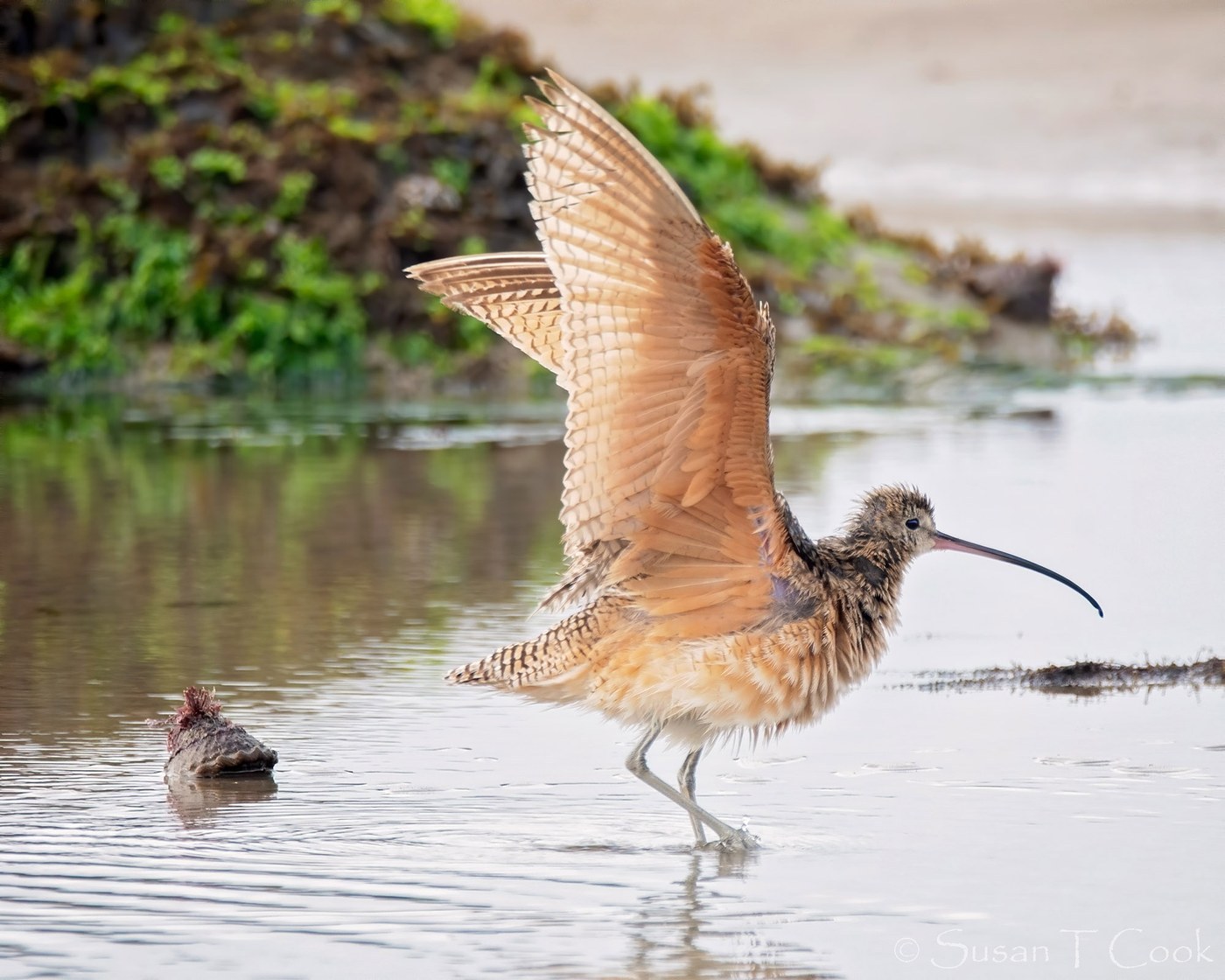
Long-billed Curlew
Body, flight, and tail feathers

Upland Sandpiper
Body, flight, and tail feathers

Red Phalarope
Body and flight feathers

Eurasian Dotterel
Body feathers
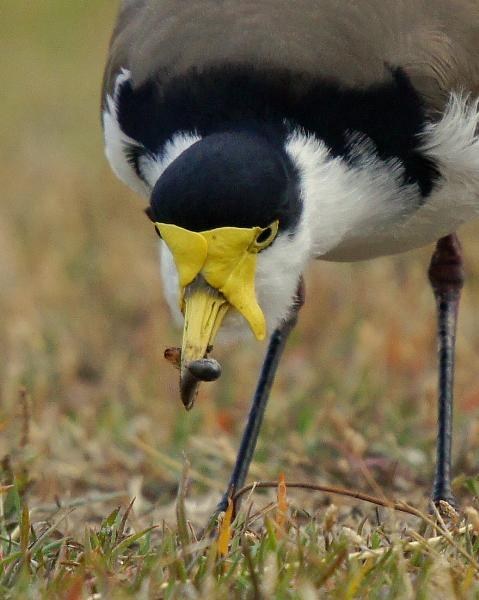
Masked Lapwing
Body, flight, and tail feathers
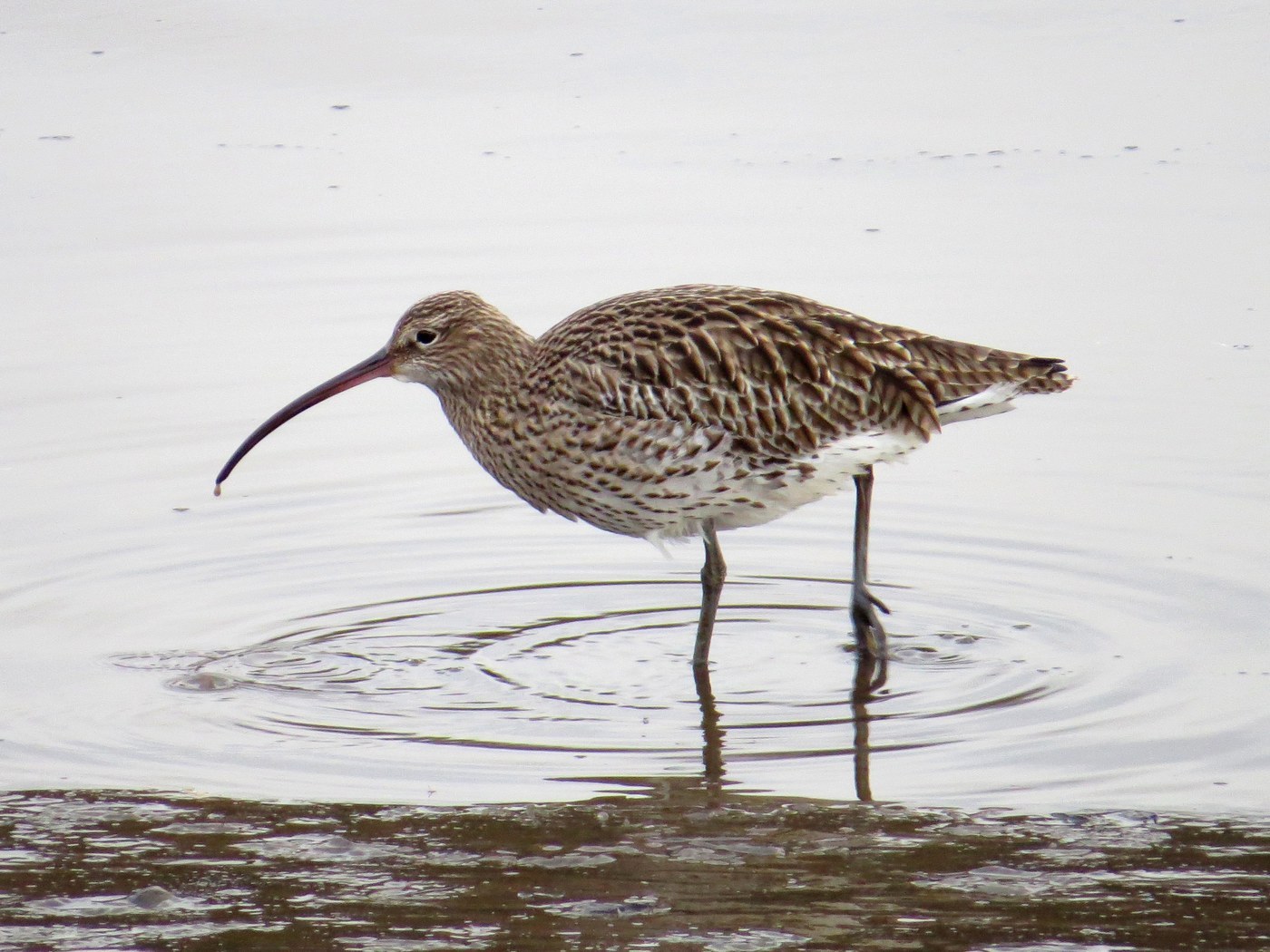
Eurasian Curlew
Body, flight, and tail feathers
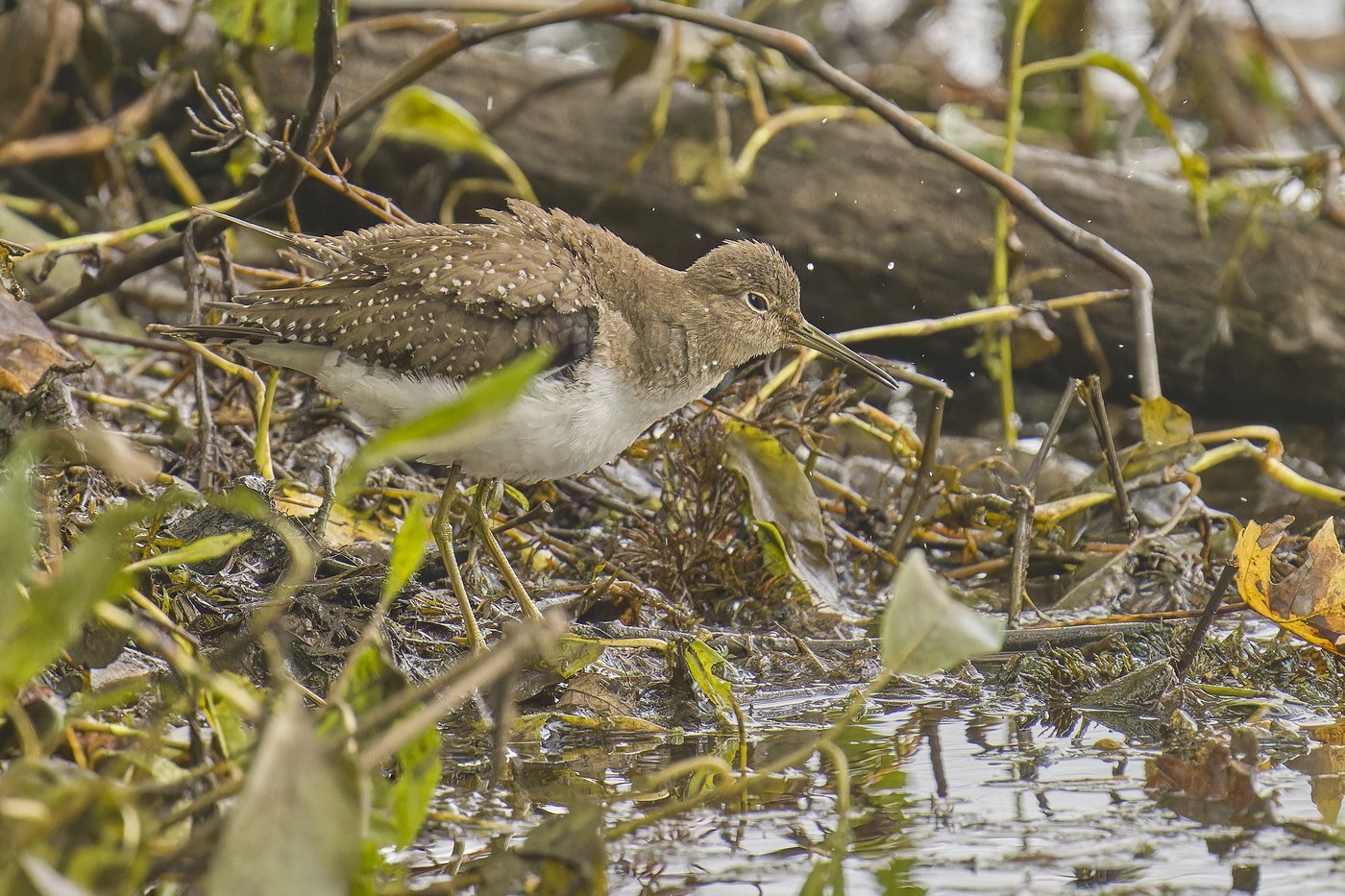
Solitary Sandpiper
Contour and flight feathers