

Wilson's Snipe
Gallinago delicata
A secretive, superbly camouflaged marsh bird whose intricately patterned brown-and-buff feathers provide near-perfect concealment among wetland vegetation, with narrow outer tail feathers used to produce an eerie winnowing sound in flight.
- Feather type
- Cryptic contour, flight, and specialized outer tail feathers
- Colours
- Intricately patterned brown, black, and buff with bold cream mantle stripes
- Bird size
- Robin-sized, ~25-28 cm
Found a feather like this?
Identify any feather from a photo, free.
Overview
Overview
Wilson's Snipe is a stocky, long-billed bird of freshwater marshes and wet meadows across North America, more often heard than seen due to its outstanding camouflage and secretive habits. It is closely related to the Common Snipe of Eurasia and was until relatively recently considered the same species.
Feathers are usually found in dense marsh or bog vegetation, and the species' narrow, specialized outer tail feathers are a particularly distinctive find.
Identifying the Feather
Feather Identification
- Upperparts: intricate patterning of black, brown, and buff, with bold cream-colored stripes running down the mantle and scapulars, providing exceptional camouflage in marsh vegetation.
- Outer tail feathers: narrow, stiffened outer tail feathers that vibrate in fast diving flight to produce a distinctive winnowing sound; these differ from the broader, more typical central tail feathers.
- Underparts: barred flanks with a whitish belly, contrasting with the darker, more mottled upperparts.
- Versus Common Snipe: extremely similar; Wilson's Snipe typically has slightly narrower white trailing edges on the secondaries and a marginally different number and width of outer tail feathers, subtle differences generally only reliably assessed in the hand.
Plumage & Molt
Plumage Notes
Adults show intricate camouflage patterning year-round, with bold buff-and-black mantle stripes and finely barred underparts; sexes look alike, with no strong seasonal plumage change. Juveniles resemble adults closely, showing a similarly patterned but sometimes slightly less contrasty plumage when very fresh.
The complete molt typically occurs after the breeding season, with body feathers replaced gradually; the specialized outer tail feathers used in winnowing displays are molted along with the rest of the tail.
Habitat & Range
Habitat & Range
Wilson's Snipe breeds across a wide swath of North America, from Alaska and Canada south through the northern United States, in wet meadows, bogs, and marshes. Many populations migrate south for winter, wintering across the southern United States, Mexico, and parts of Central America, while some populations in milder regions remain resident year-round.
Behavior & Field Notes
Behavior & Field Notes
Wilson's Snipe forages by probing deeply into soft mud with its long, flexible bill, taking invertebrates from wet soil. It relies heavily on camouflage and freezing behavior to avoid detection, flushing suddenly with a sharp call when approached closely.
During courtship display flights, males dive steeply through the air, using specialized outer tail feathers to produce a distinctive winnowing or drumming sound rather than a vocal call. Nests are well-hidden scrapes in dense marsh vegetation. Feathers, especially the narrow winnowing tail feathers, are a strong identifying find in wetland habitats.
Frequently asked questions
What makes Wilson's Snipe feathers distinctive?
Intricately patterned black, brown, and buff camouflage with bold cream mantle stripes, plus narrow, specialized outer tail feathers used to produce a winnowing sound in flight.
How is the winnowing sound produced?
Air vibrates through the narrow, stiffened outer tail feathers during steep display dives, producing an eerie sound without any vocalization.
How can I tell Wilson's Snipe from Common Snipe by feather?
The two are very similar; subtle differences in the width of the white trailing edge on the secondaries and outer tail feather details are usually only reliably assessed in the hand.
Where would I find Wilson's Snipe feathers?
In dense vegetation within freshwater marshes, wet meadows, and bogs.
Do Wilson's Snipe show much plumage change through the year?
No, their intricate camouflage pattern remains largely consistent year-round with no strong seasonal shift.
Wilson's Snipe guides
In-depth guides for identifying and understanding Wilson's Snipe.

Wilson's Snipe identified by the community
Real feathers identified with Feather Identifier.

Other feathers you may enjoy
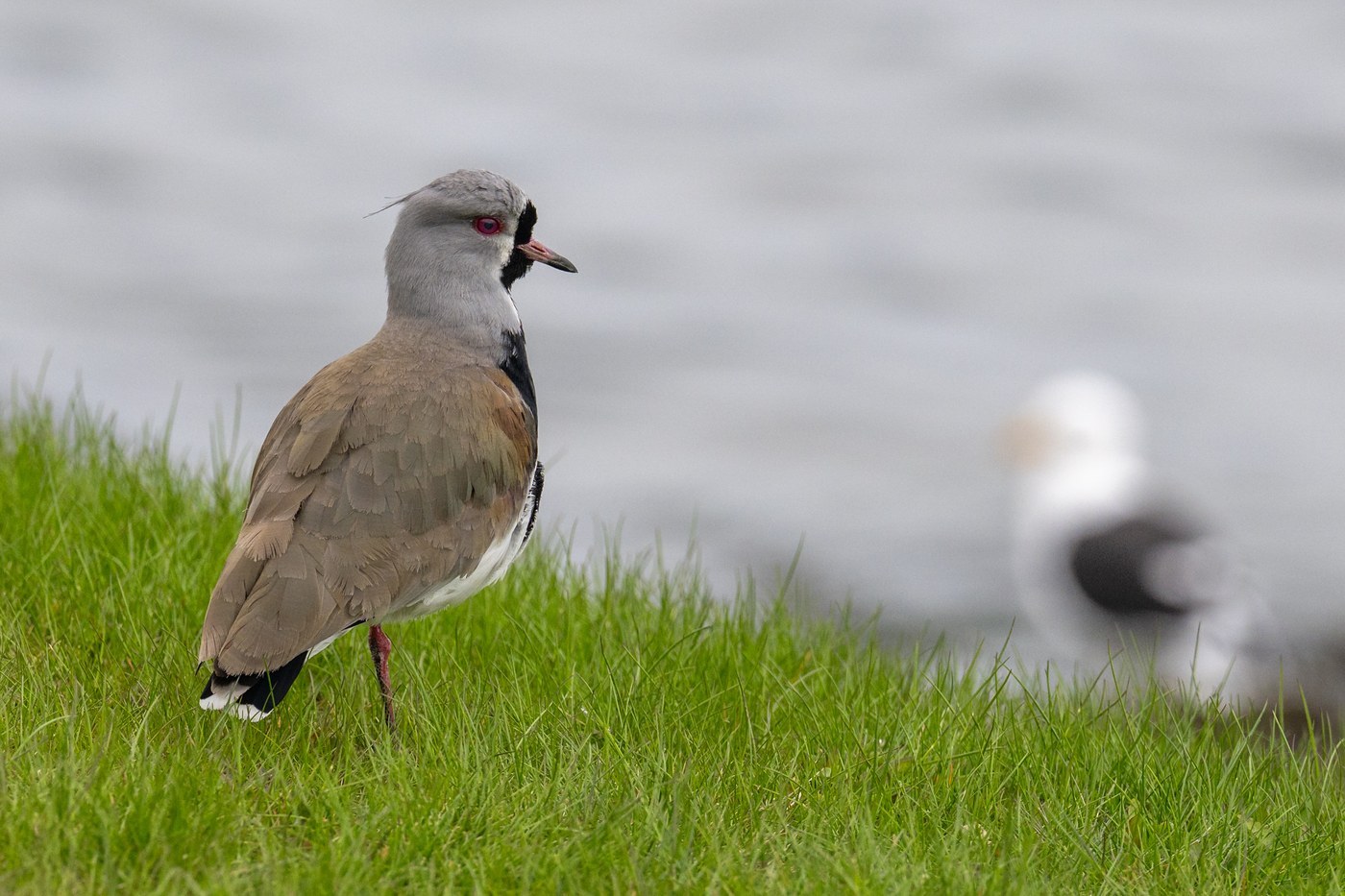
Southern Lapwing
Body, flight, and tail feathers

Jack Snipe
Body and flight feathers

Far Eastern Curlew
Body, flight, and tail feathers

Terek Sandpiper
Body and flight feathers

Wilson's Phalarope
Body and flight feathers
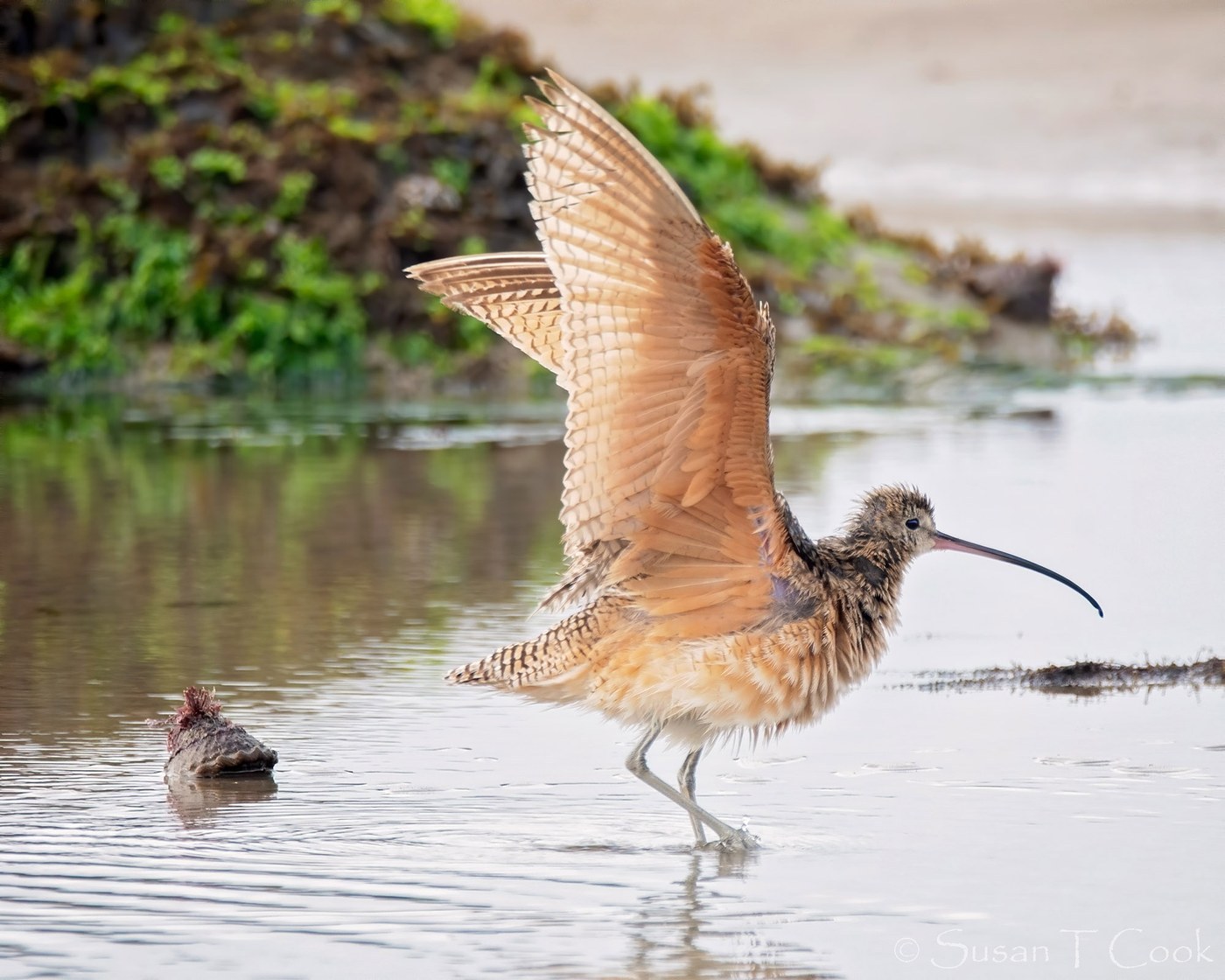
Long-billed Curlew
Body, flight, and tail feathers

Upland Sandpiper
Body, flight, and tail feathers

Red Phalarope
Body and flight feathers

Eurasian Dotterel
Body feathers
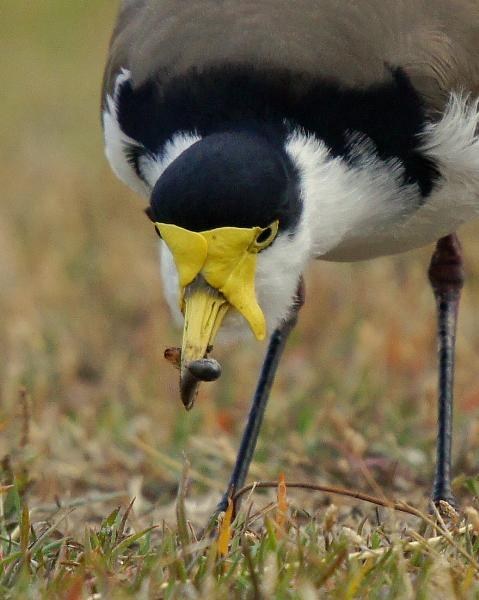
Masked Lapwing
Body, flight, and tail feathers
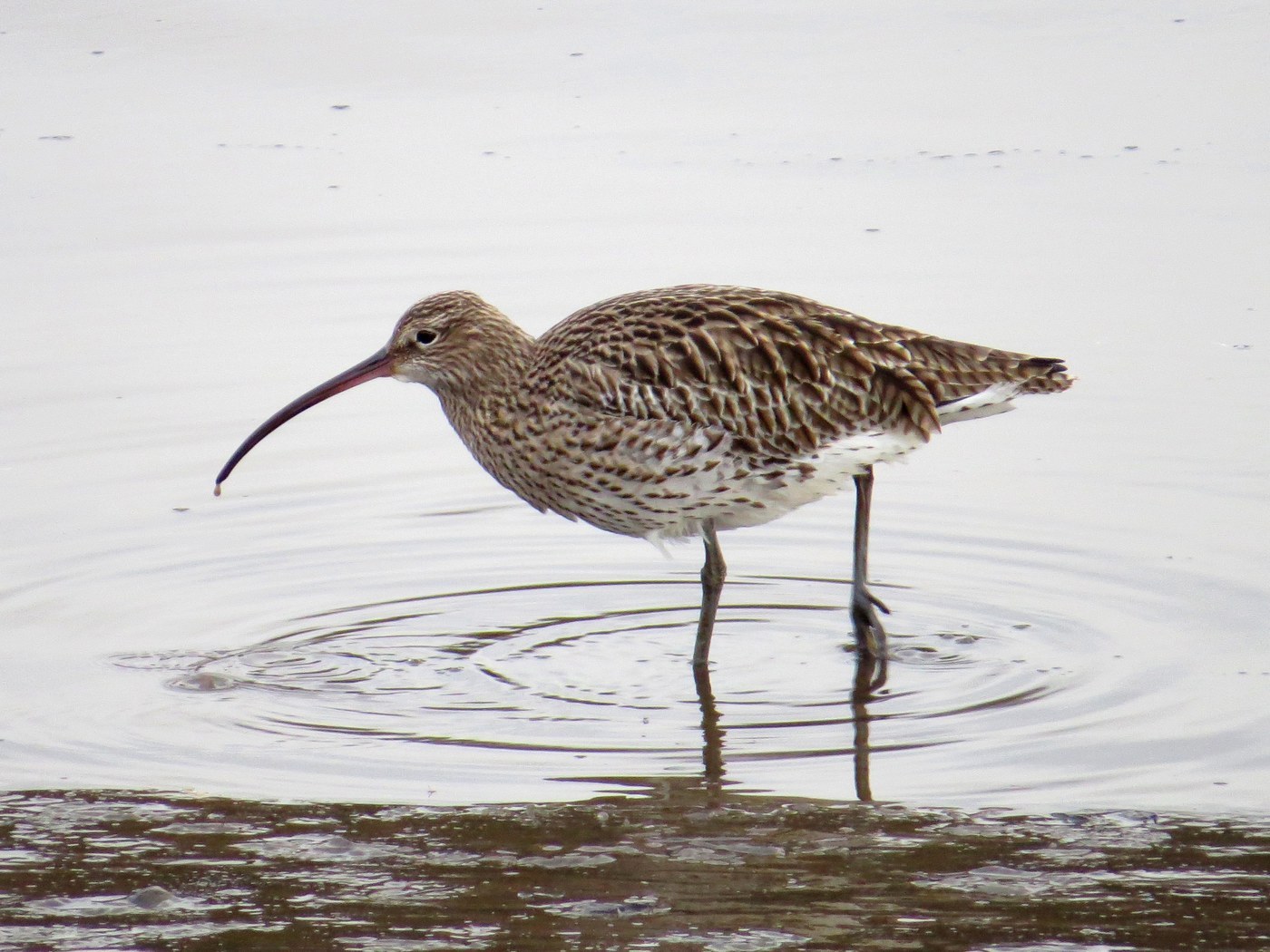
Eurasian Curlew
Body, flight, and tail feathers
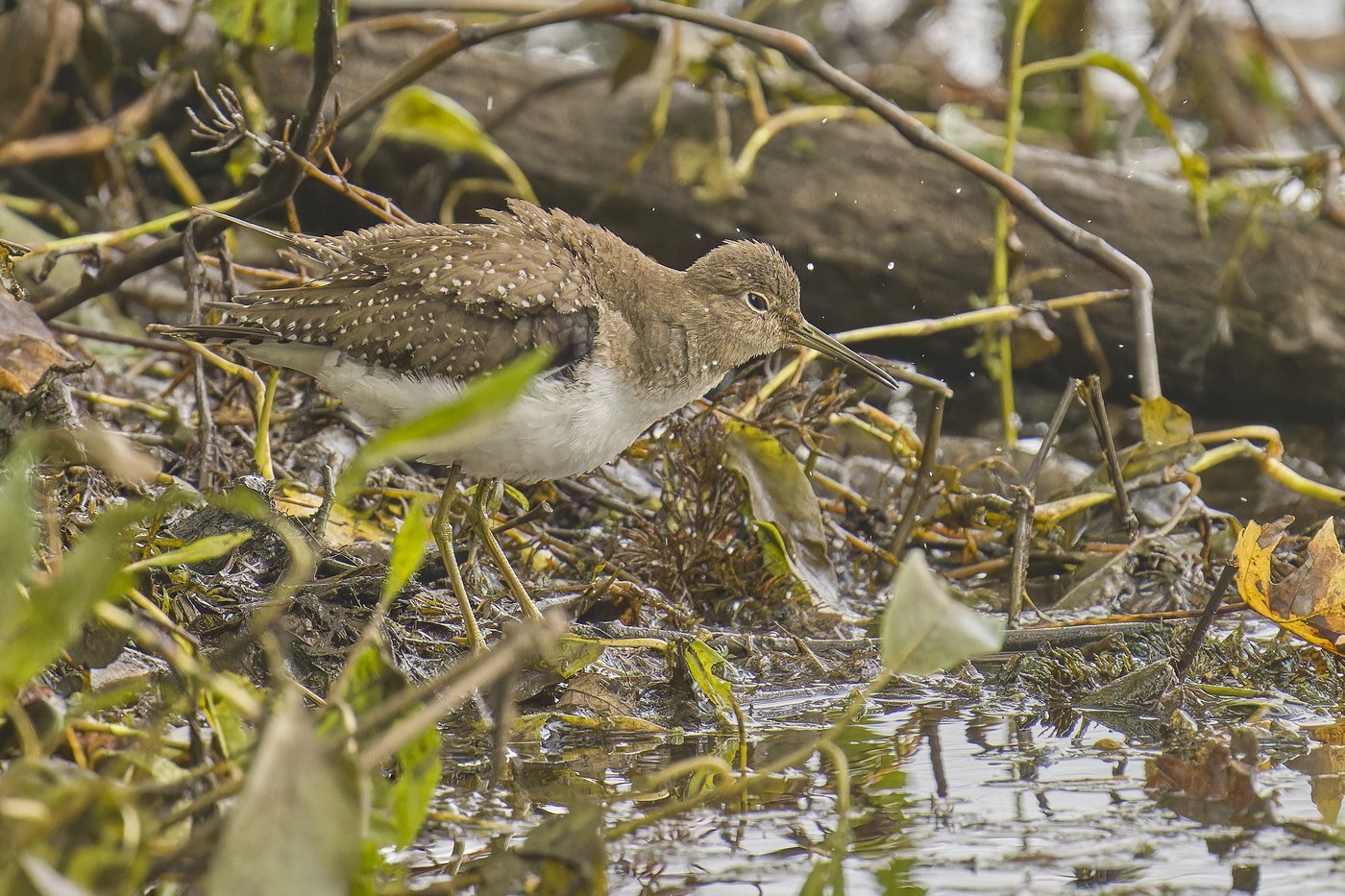
Solitary Sandpiper
Contour and flight feathers