

Wilson's Phalarope
Phalaropus tricolor
A slim, needle-billed shorebird of prairie wetlands, Wilson's Phalarope shows a striking chestnut neck stripe in breeding plumage and plain gray-and-white feathers otherwise, unusual among birds for its reversed sexual dichromatism.
- Feather type
- Body and flight feathers
- Colours
- Pale gray back, white underparts, chestnut neck stripe in breeding plumage
- Bird size
- Small shorebird, ~23 cm
Found a feather like this?
Identify any feather from a photo, free.
Overview
Wilson's Phalarope is a small, elegant shorebird of interior North American wetlands, notable for its needle-thin bill and habit of spinning on the water surface to stir up prey. Unusually among birds, females are more brightly colored than males during the breeding season, a reflection of the species' reversed sex roles in which females compete for mates and males provide most parental care.
Identifying the Feather
Breeding-plumage feathers show a pale gray back and crown contrasting with a bold black stripe through the eye that continues down the neck as chestnut on females, more muted gray-brown on males. Underparts feathers are clean white with little or no barring, distinguishing them from more heavily marked sandpipers. Nonbreeding plumage feathers are plain pale gray above and white below, lacking bold markings entirely, which can make loose feathers easy to overlook or misattribute to a generic small shorebird. Flight feathers are plain grayish-brown without a strong wing stripe, unlike the other phalarope species. The bill is notably thin and needle-like, longer and more slender than in Red-necked or Red Phalarope.
Plumage & Molt
This species shows reversed sexual dichromatism: breeding females are more vividly patterned, with a rich chestnut stripe down the neck and gray crown, while breeding males are duller with muted brownish tones, consistent with their greater share of nest and chick care. Both sexes molt into a plain pale gray-and-white nonbreeding plumage. Juveniles resemble nonbreeding adults but show a buffier wash on the upperparts. Molt into nonbreeding plumage often begins before or during migration, with many individuals completing flight feather replacement at staging areas on saline lakes.
Habitat & Range
Breeds around shallow freshwater and alkaline wetlands, marshes, and wet meadows across the northern Great Plains and prairie provinces of North America. During migration, large numbers stage at hypersaline lakes rich in brine shrimp and alkali flies. Winters primarily on high-altitude saline lakes in the Andes of South America, making it one of the longer-distance migrant shorebirds of the interior flyways.
Behavior & Field Notes
Wilson's Phalaropes are famous for a spinning feeding behavior, rapidly rotating on the water surface to create a small vortex that draws invertebrates upward, which they then pick from the surface with their needle-like bill. Nesting duties fall largely to males, who build the ground nest in vegetation near water and perform most incubation and chick care after females depart. The call is a low, nasal grunting note, less vocal than many other shorebirds. The species depends heavily on a limited number of key staging wetlands during migration.
Frequently asked questions
Why are female Wilson's Phalarope feathers more colorful than male feathers?
The species shows reversed sexual dichromatism, where females compete for mates and males take on most incubation and chick-rearing duties, so females have evolved brighter breeding plumage to attract mates.
How can I recognize a Wilson's Phalarope feather?
Look for a very thin, needle-like bill shape and, in breeding birds, a bold chestnut or gray neck stripe against pale gray upperparts and clean white underparts with no strong wing stripe.
Where do Wilson's Phalaropes spend the winter?
Most winter on high-altitude saline lakes in the Andes of South America after migrating from prairie wetland breeding grounds in North America.
What is the spinning behavior phalaropes are known for?
They spin rapidly on the water surface to create a small whirlpool that stirs up aquatic invertebrates, making them easier to pick off with their thin bills.
Wilson's Phalarope guides
In-depth guides for identifying and understanding Wilson's Phalarope.

Other feathers you may enjoy
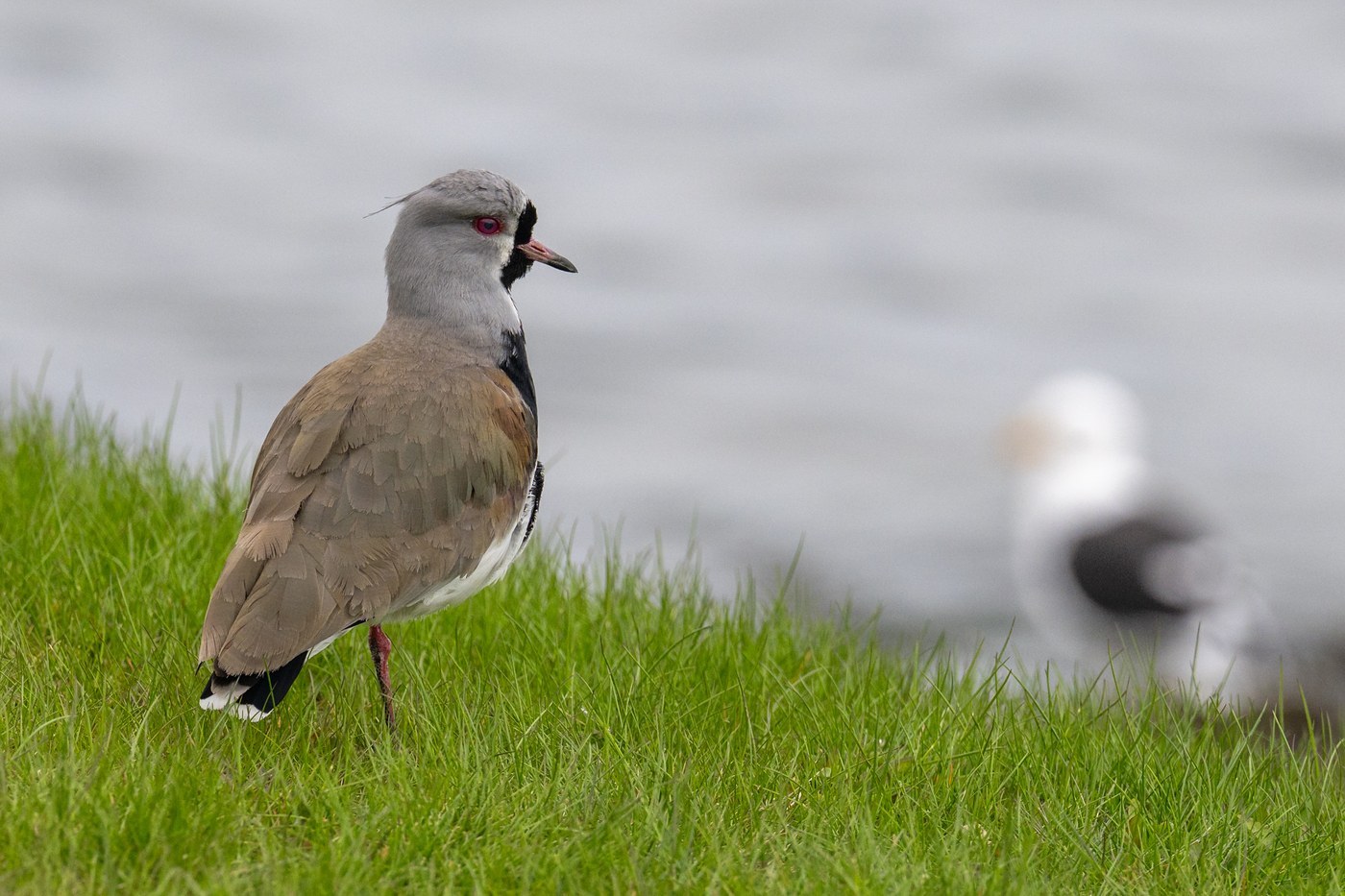
Southern Lapwing
Body, flight, and tail feathers

Jack Snipe
Body and flight feathers

Far Eastern Curlew
Body, flight, and tail feathers

Terek Sandpiper
Body and flight feathers
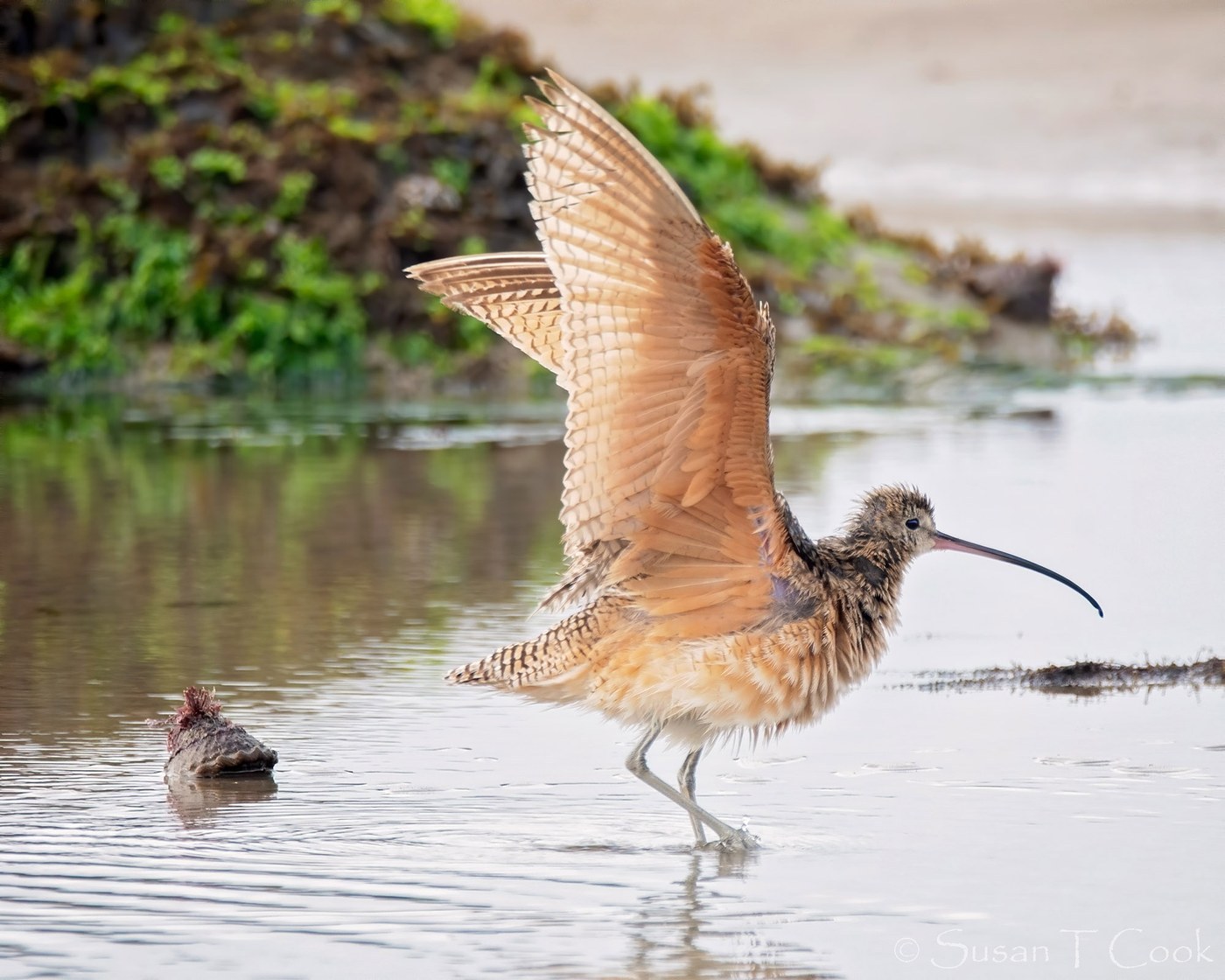
Long-billed Curlew
Body, flight, and tail feathers

Upland Sandpiper
Body, flight, and tail feathers

Red Phalarope
Body and flight feathers

Eurasian Dotterel
Body feathers
Masked Lapwing
Body, flight, and tail feathers
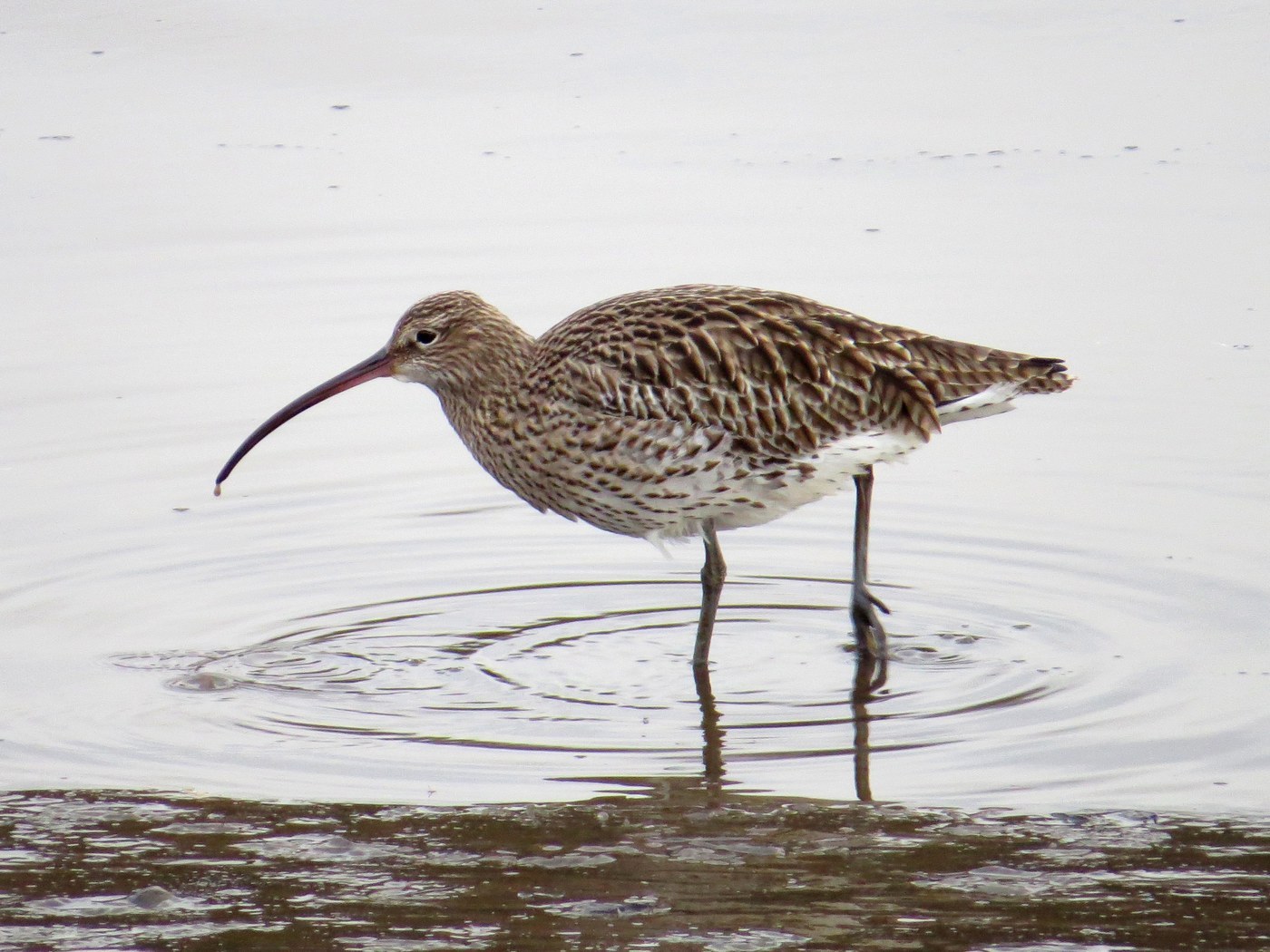
Eurasian Curlew
Body, flight, and tail feathers
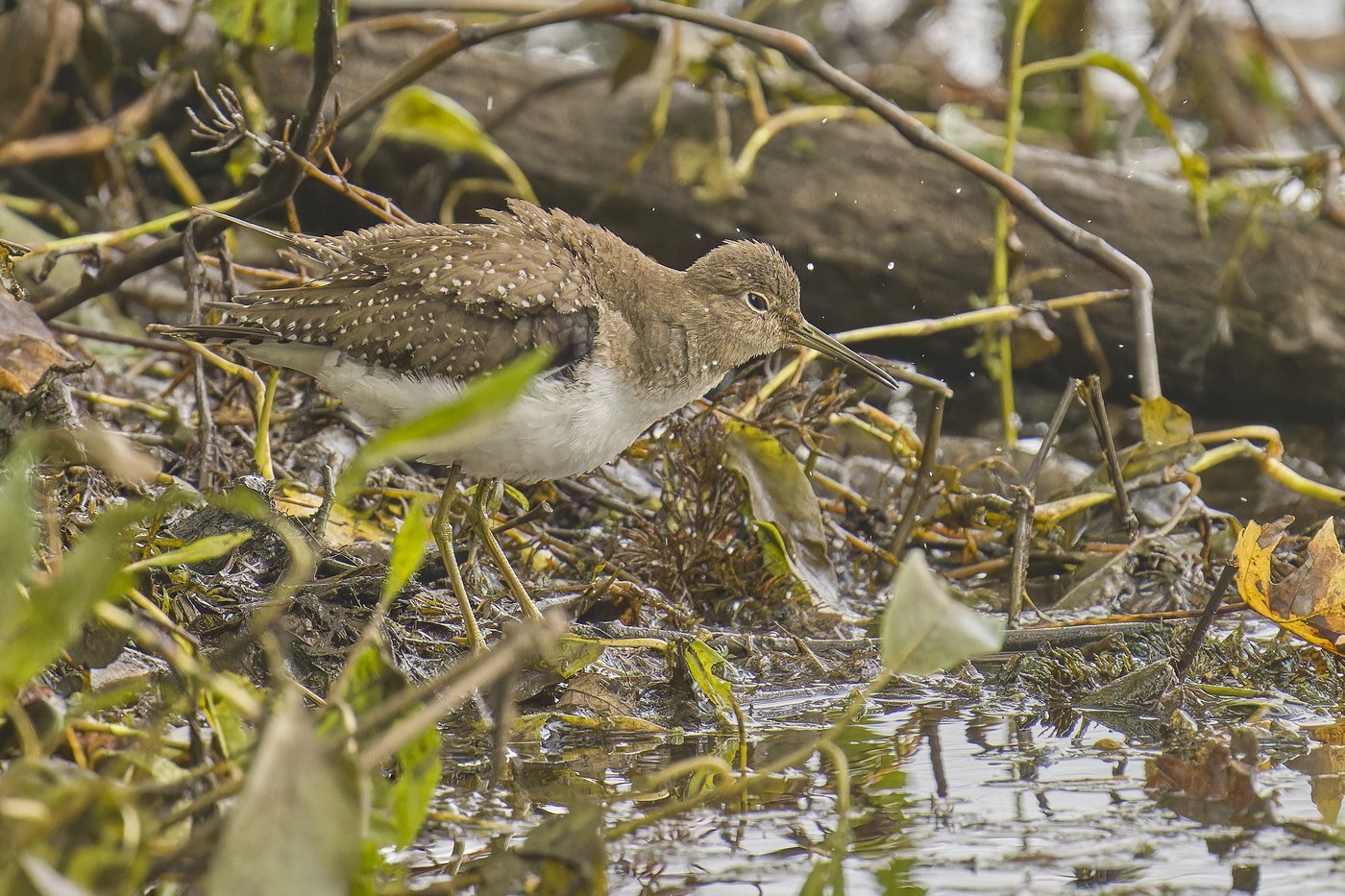
Solitary Sandpiper
Contour and flight feathers

Piping Plover
Small, pale, compact body feathers and short flight feathers typical of a beach-nesting plover