
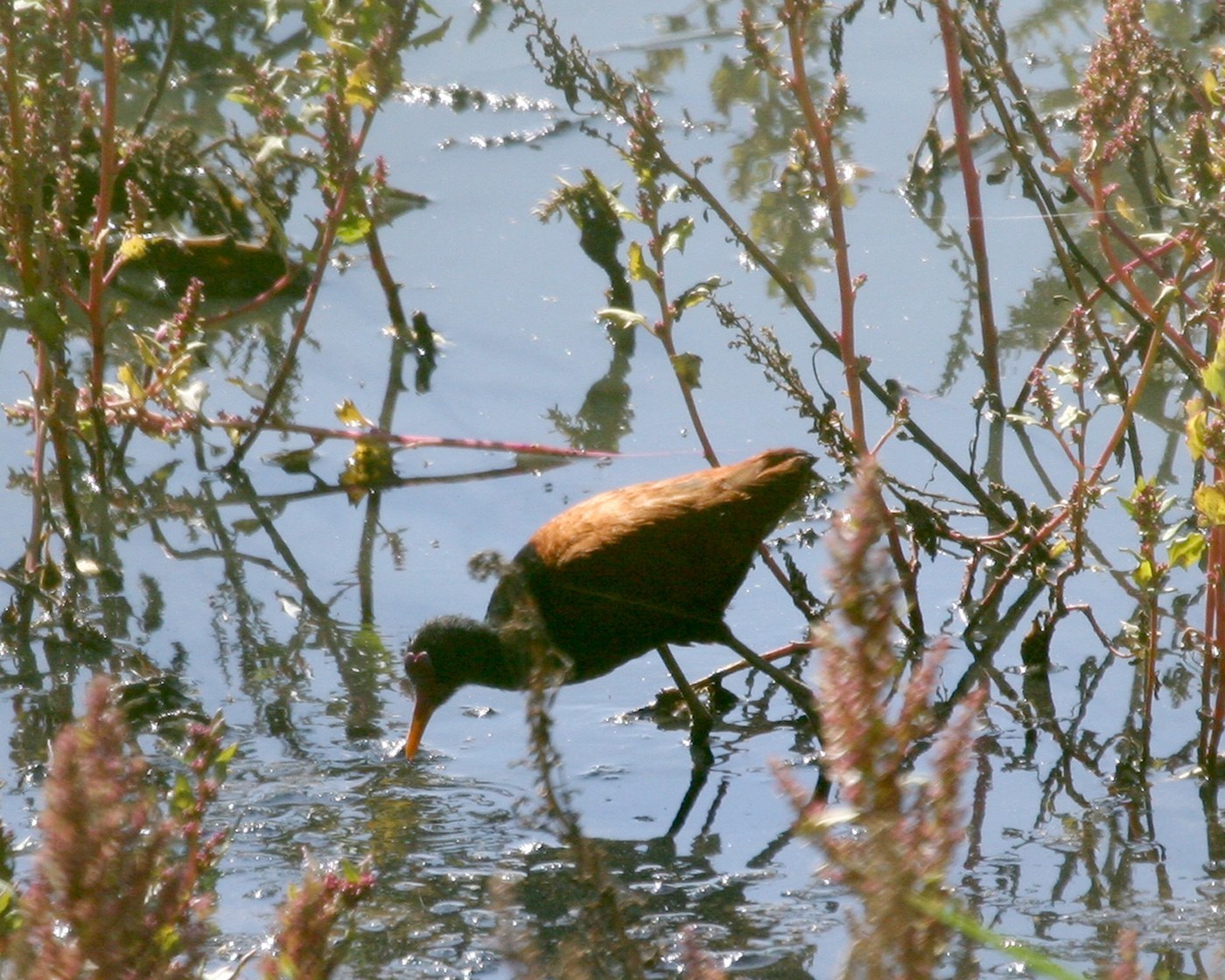
Wattled Jacana
Jacana jacana
A chestnut-and-black wetland bird best known for its extraordinarily long toes, which let it walk across lily pads and floating vegetation. A bright yellow facial shield and greenish-yellow flight feathers add to its distinctive look.
- Feather type
- Contour feathers plus greatly elongated toes and claws (a foot adaptation, not feathering) for walking on floating vegetation
- Colours
- Chestnut body, black head and neck, and yellow-green flight feathers
- Bird size
- Small shorebird, ~17-23 cm
Found a feather like this?
Identify any feather from a photo, free.
Overview
Overview
The Wattled Jacana is a striking wetland bird of Central and South America, easily recognized by its solid black head and neck contrasting with rich chestnut body plumage, a bright yellow fleshy shield and wattle above the bill, and remarkably long toes and claws. These oversized feet distribute the bird's weight across floating vegetation such as water lily pads, allowing it to walk over the surface of ponds and marshes. The species is also notable for a polyandrous breeding system, in which females mate with multiple males who alone incubate the eggs and raise the young.
Identifying the Feather
Feather Identification
- Head and neck: Solid black feathering.
- Body: Rich chestnut plumage on the back, breast, and flanks.
- Flight feathers: Primaries and secondaries are yellow-green, a color usually hidden at rest but conspicuous in flight.
- Facial shield: A fleshy yellow frontal shield and wattle above the bill is diagnostic, though this is bare skin rather than feathering.
- Feet: Extremely long toes and claws, longer in proportion than the body, used to distribute weight on floating leaves.
- Versus similar jacanas: Other jacana species differ in shield shape and color and in the extent of chestnut versus black plumage.
Plumage & Molt
Plumage Notes
Sexes are similar in pattern, though females average larger than males. Juveniles show largely white underparts and brown upperparts, gradually acquiring the adult chestnut-and-black plumage as they mature. A complete molt occurs annually.
Habitat & Range
Habitat & Range
The Wattled Jacana is widespread from Panama through most of South America east of the Andes to northern Argentina. It is found on freshwater marshes, ponds, slow rivers, and lakes with abundant floating vegetation such as water lilies, and is resident and non-migratory.
Behavior & Field Notes
Behavior & Field Notes
Wattled Jacanas walk across floating vegetation using their long toes to distribute weight, foraging for insects and other invertebrates. The species is notable for a polyandrous breeding system in which females mate with multiple males, and males alone incubate the eggs and tend the chicks. Calls are sharp, chattering notes, often given when the bird is alarmed.
Frequently asked questions
Why does the Wattled Jacana have such long toes?
Its long toes and claws distribute its weight across floating vegetation like water lily pads, allowing it to walk on the surface of ponds and marshes.
What is unusual about Wattled Jacana breeding behavior?
The species is polyandrous - females mate with multiple males, and the males alone incubate the eggs and raise the chicks.
What color are a Wattled Jacana's flight feathers?
The primaries and secondaries are yellow-green, a color that is hidden at rest but conspicuous when the bird flies.
Where does the Wattled Jacana live?
It is found on freshwater marshes, ponds, and lakes with floating vegetation from Panama through most of South America to northern Argentina.
Wattled Jacana guides
In-depth guides for identifying and understanding Wattled Jacana.
Other feathers you may enjoy
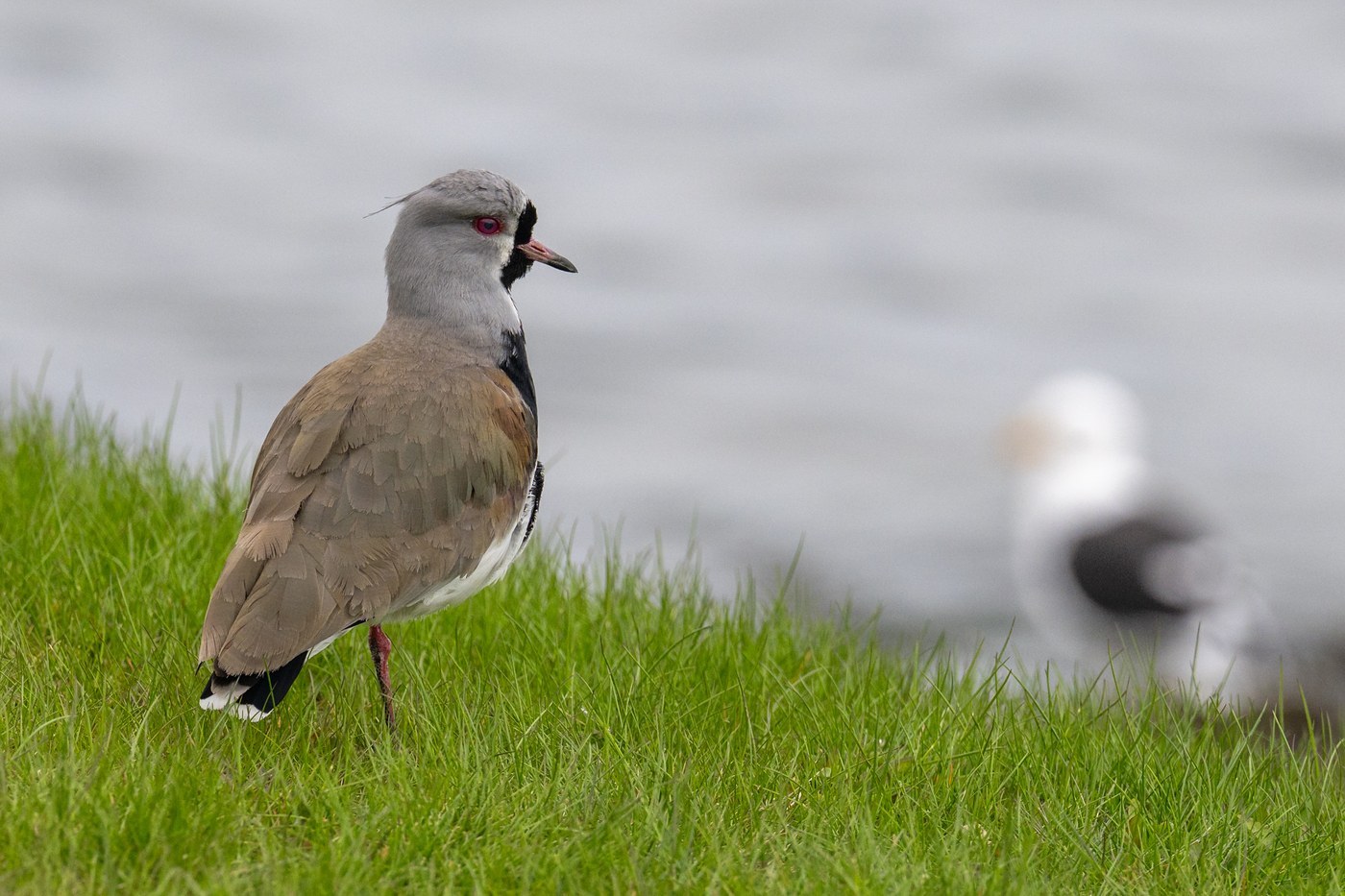
Southern Lapwing
Body, flight, and tail feathers

Jack Snipe
Body and flight feathers

Far Eastern Curlew
Body, flight, and tail feathers

Terek Sandpiper
Body and flight feathers

Wilson's Phalarope
Body and flight feathers
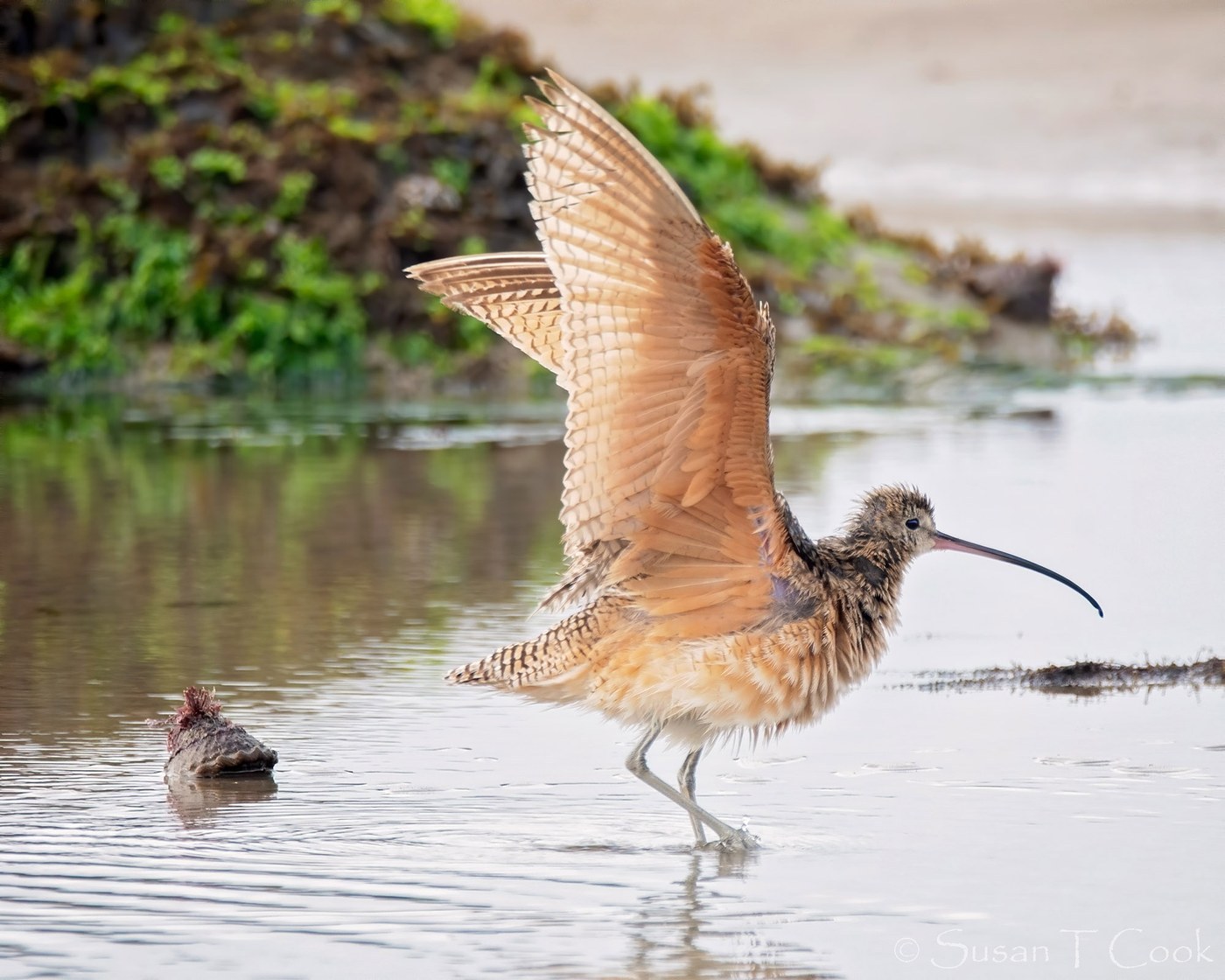
Long-billed Curlew
Body, flight, and tail feathers

Upland Sandpiper
Body, flight, and tail feathers

Red Phalarope
Body and flight feathers

Eurasian Dotterel
Body feathers
Masked Lapwing
Body, flight, and tail feathers
Eurasian Curlew
Body, flight, and tail feathers
Solitary Sandpiper
Contour and flight feathers