

Twelve-wired Bird-of-paradise
Seleucidis melanoleucus
The Twelve-wired Bird-of-paradise is named for the dozen thin, curled wire-like filaments trailing from the male's bright yellow flank plumes, used to brush against a female's face during courtship. It inhabits lowland swamp forest across New Guinea and nearby islands.
- Feather type
- Wire-like flank filaments, velvety contour feathers
- Colours
- Velvety black body with bright yellow flank plumes and an iridescent green breast shield
- Bird size
- Medium, ~33 cm plus wire filaments
Found a feather like this?
Identify any feather from a photo, free.
Overview
Overview
The Twelve-wired Bird-of-paradise combines a bold black, yellow, and green plumage pattern with an unusual set of wire-like filaments extending from the flank feathers. These wires are used in an intimate part of the courtship display, brushing against a visiting female's face.
- Named for a set of thin wire-like filaments extending from the flank plumes
- Restricted mainly to lowland swamp forest habitat
- Displays involve close physical contact between male and female using the wires
Identifying the Feather
Feather Identification
The body plumage is velvety black, with an iridescent green breast shield and bright yellow flank plumes. Extending from the yellow flank plumes are around a dozen thin, black, wire-like filaments that curl slightly at the tips.
- Body: velvety black
- Breast shield: iridescent green
- Flank plumes: bright yellow, dense and plumose
- Wire filaments: thin, black, curling, extending well beyond the flank plumes
The combination of yellow flank plumes with trailing black wire filaments is unique to this species among birds-of-paradise, making shed flank feathers with attached wire bases readily identifiable.
Plumage & Molt
Plumage Notes
Adult males show the full black, yellow, and green plumage with wire filaments described above, acquired gradually over several years. Females and immature males are plain brown with barred underparts, lacking the flank plumes, breast shield, and wire filaments.
- Adult males: black body with yellow flank plumes, green breast shield, and wire filaments
- Females and immatures: plain brown, barred underparts
- Wire filaments and flank plumage develop later in a male's maturation
Habitat & Range
Habitat & Range
Found in lowland swamp forest and adjacent wet lowland habitat across New Guinea and the nearby island of Salawati.
- Non-migratory resident of lowland wetland forest
- More closely tied to swampy, wet lowland habitat than many other birds-of-paradise
- Occupies mid-story perches within swamp forest for display
Behavior & Field Notes
Behavior & Field Notes
Males display from a fixed vertical perch, inviting females to approach closely so the wire filaments can brush against her face and body. Diet is mainly fruit and small animal prey.
- Voice: a loud, distinctive call given from the display perch
- Nesting: females build and tend nests alone
- Field notes: the yellow flank plumes trailing into thin black wire filaments are unmistakable and specific to this species
Frequently asked questions
What are the 'wires' in this species' name?
Thin, black, wire-like filaments extending from the male's bright yellow flank plumes, curling slightly at the tips.
How are the wires used during display?
Males use them to brush against a visiting female's face and body as part of an intimate courtship routine.
What habitat does this species prefer?
Lowland swamp forest and adjacent wet lowland habitat across New Guinea and the island of Salawati.
How do females differ from males?
Females are plain brown with barred underparts and lack the flank plumes, breast shield, and wire filaments of adult males.
Twelve-wired Bird-of-paradise guides
In-depth guides for identifying and understanding Twelve-wired Bird-of-paradise.

Other feathers you may enjoy

Yellow-breasted Bunting
Contour and flight feathers, chestnut-and-yellow breeding pattern
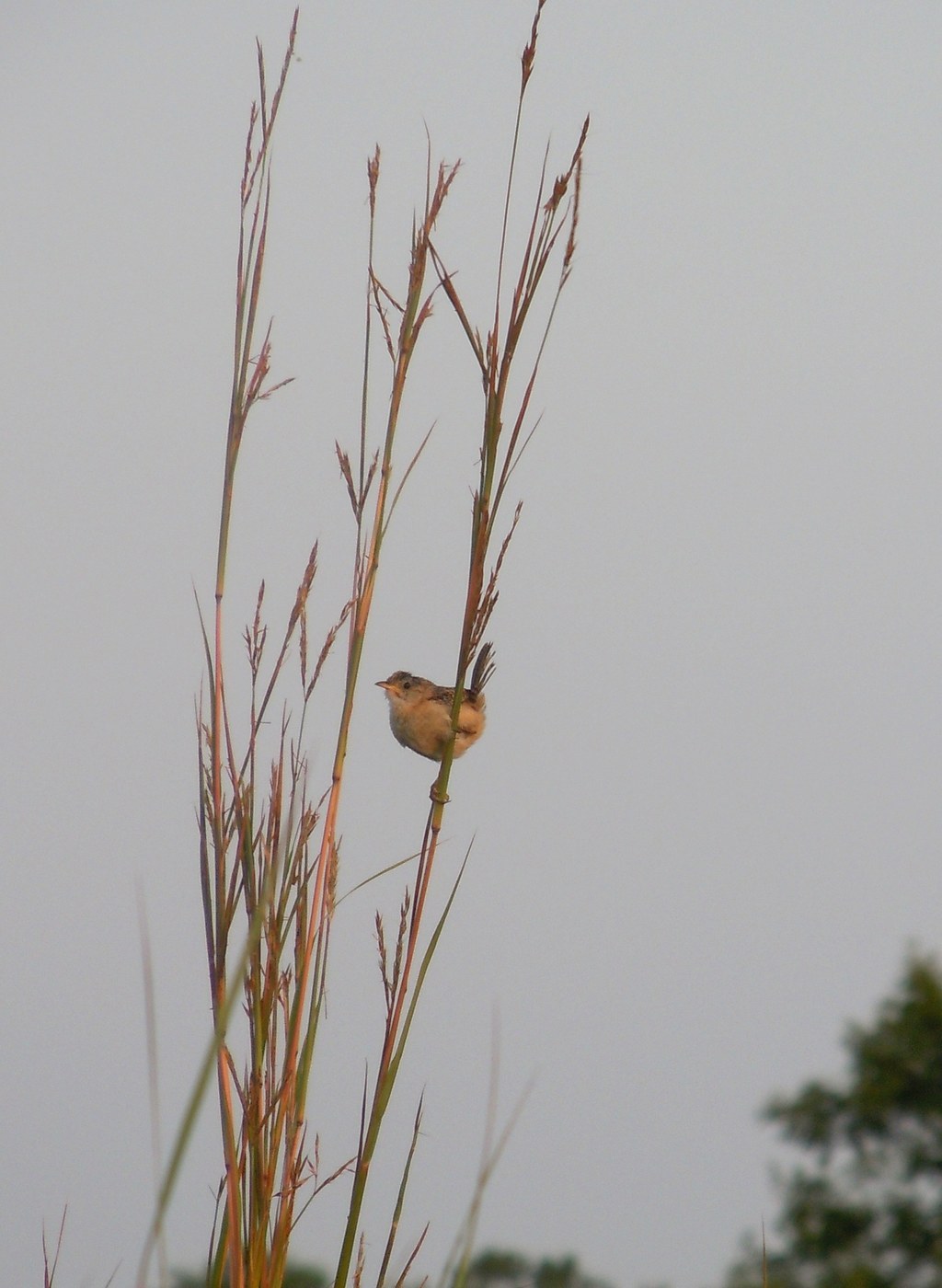
Sedge Wren
Tiny streaked crown and back feathers

Yellow-winged Cacique
Glossy black body feathers, yellow wing patch, shaggy crest

Yellow Warbler
Small contour and flight feathers
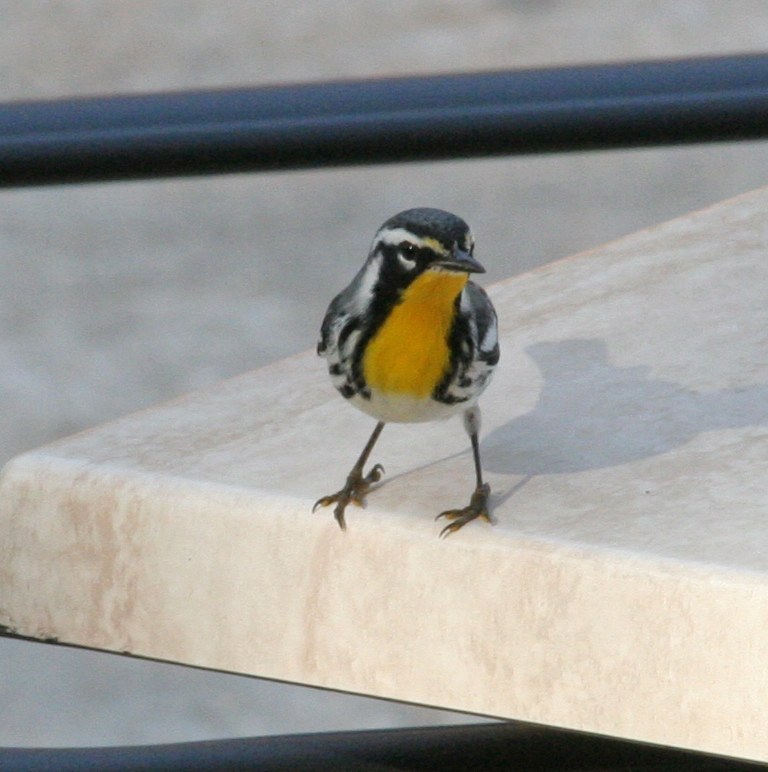
Yellow-throated Warbler
Small contour and flight feathers
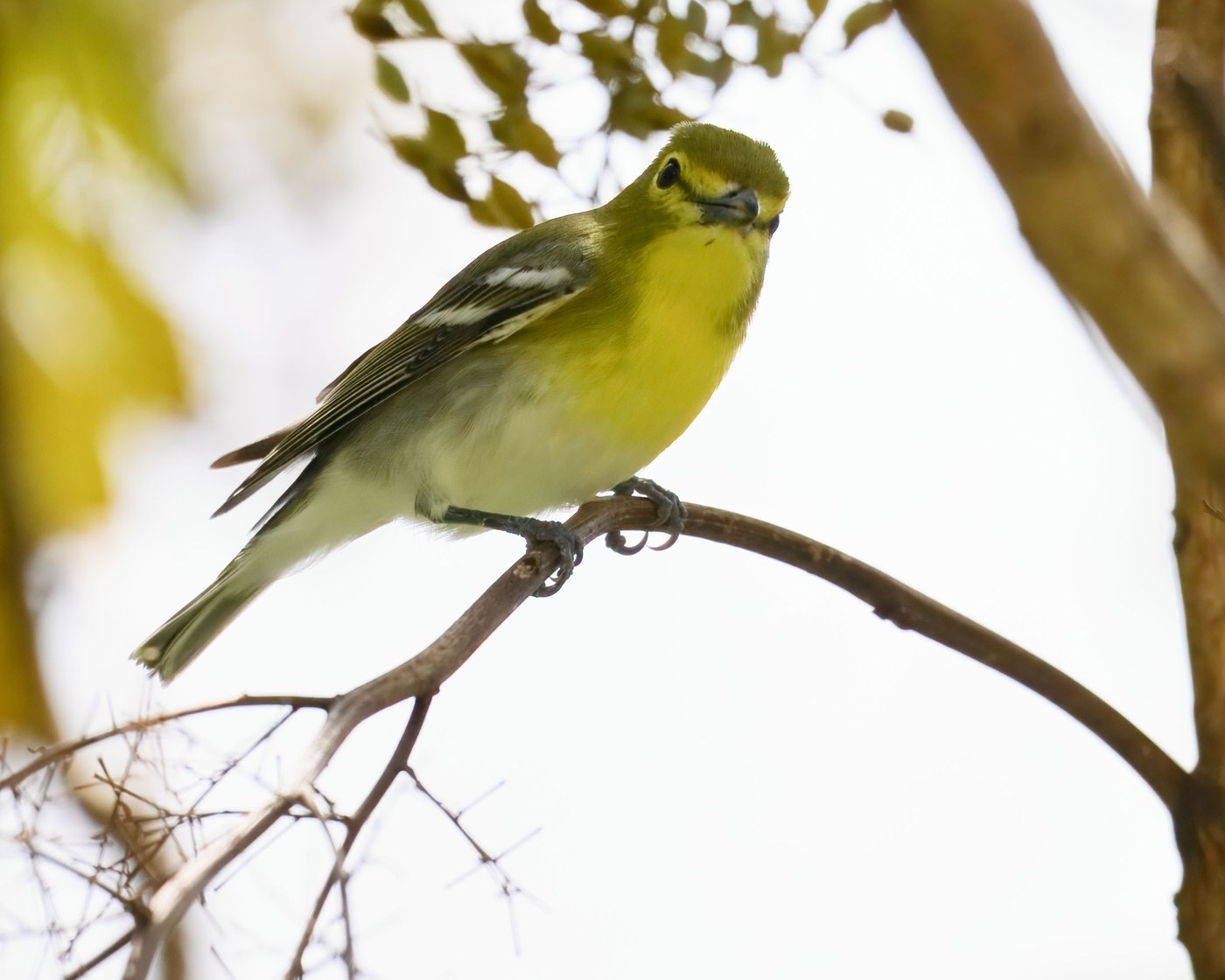
Yellow-throated Vireo
Bright yellow throat and spectacle feathers; olive-green back feathers; two white wing-bar feathers

Yellow-rumped Warbler
Small contour and flight feathers
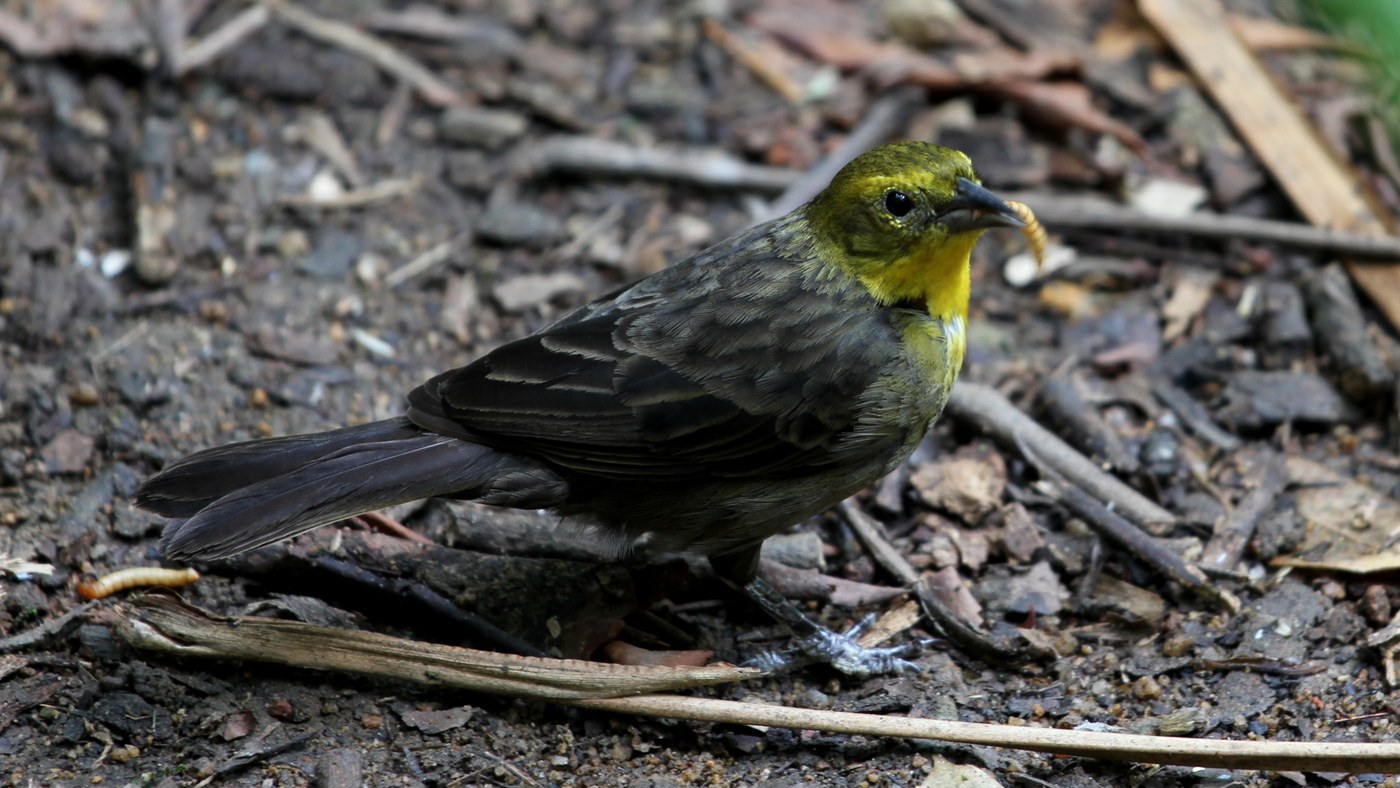
Yellow-hooded Blackbird
Contrasting hood and body feathers
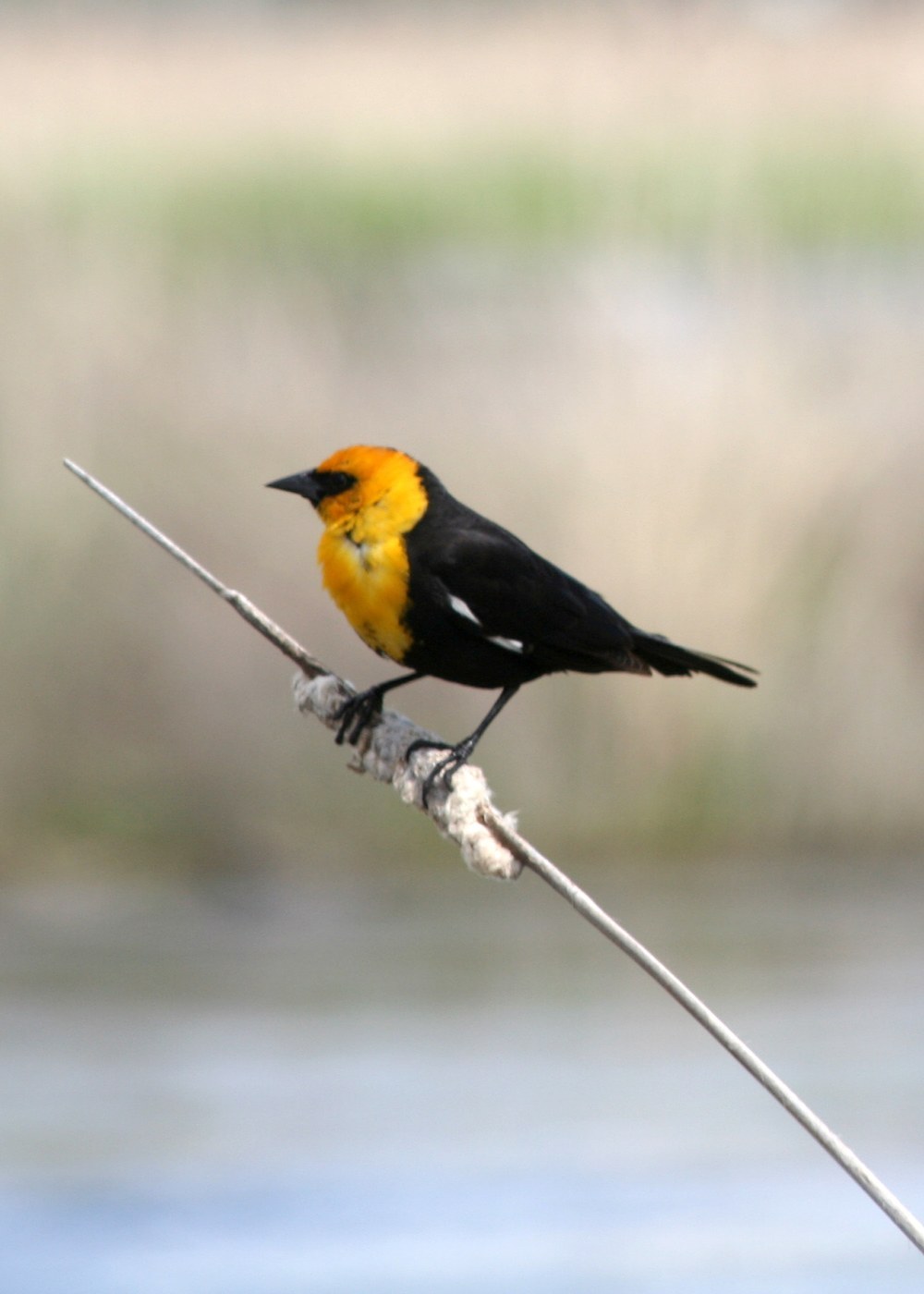
Yellow-headed Blackbird
Glossy black body plumage with a bright yellow head and breast

Yellow-eyed Junco
Contour and flight feathers

Yellow-fronted Canary
Small, smooth body plumage

Yellow-breasted Greenfinch
Compact, smooth body plumage