

Vermilion Cardinal
Cardinalis phoeniceus
A cardinal of the dry Caribbean coast of Colombia and Venezuela, with males cloaked almost entirely in brilliant red plumage and a prominent crest.
- Feather type
- Dense crested contour feathers, brilliant red in males, brown with red highlights in females
- Colours
- Vivid all-over red in males; brown body with reddish crest, wings, and tail in females
- Bird size
- Cardinal-sized, ~19-20 cm
Found a feather like this?
Identify any feather from a photo, free.
Overview
The Vermilion Cardinal is restricted to the arid coastal lowlands of northern Colombia and Venezuela, where it inhabits dry thorn scrub and semi-desert vegetation. Males are strikingly red almost from crest to tail, more uniformly colored than the related Northern Cardinal, lacking the black facial mask of that species. Females, while much duller, still show a warm reddish influence on the crest and wings that distinguishes them from many other brown desert songbirds.
Identifying the Feather
Male feathers are a rich, even vermilion-to-crimson red covering the crest, head, back, wings, and underparts, with only slightly darker feather bases visible when plumage is disturbed; there is no black mask surrounding the bill as seen in the Northern Cardinal. The crest is tall and pointed, formed of elongated red feathers that can be raised or flattened. The bill is thick and conical, pale grayish to pinkish, contrasting against the red facial feathers. Females show a warm grayish-brown body plumage with a reddish tinge concentrated on the crest, wings, and tail, giving a two-toned look distinct from the nearly uniform red of the male.
Plumage & Molt
Adult males are almost entirely red with little variation between body regions, differing from the Northern Cardinal by the absence of a black face patch. Adult females are grayish-brown overall with reddish highlights restricted to the crest and flight feather edges. Juveniles resemble females with even more subdued color and a duller bill. There is no strong seasonal plumage change; feather wear across the year can slightly dull the male's red before molt renews it.
Habitat & Range
This species is endemic to dry Caribbean lowland habitats of northern Colombia and northwestern Venezuela, favoring thorn scrub, cactus-studded semi-desert, and dry woodland edge. It is a non-migratory resident, tied closely to its arid habitat and rarely found far from these dry coastal or lowland environments.
Behavior & Field Notes
Vermilion Cardinals forage low in scrub and on the ground for seeds and invertebrates, often in pairs that maintain a territory within their patch of thorn scrub. The song is a series of clear, whistled phrases broadly similar in structure to other cardinals. Nests are built in dense, often spiny vegetation, providing protection from predators in the open, dry landscape. Pairs tend to stay together and can be quite vocal, using whistled calls to maintain contact in the sparse habitat.
Frequently asked questions
How is the Vermilion Cardinal's plumage different from the Northern Cardinal's?
Male Vermilion Cardinals are red almost uniformly from crest to tail without the black facial mask that characterizes the Northern Cardinal.
What color are female Vermilion Cardinals?
Females are grayish-brown overall with reddish highlights limited to the crest, wings, and tail, much less vivid than the male.
Where does the Vermilion Cardinal live?
It is restricted to arid coastal scrub and thorn woodland in northern Colombia and northwestern Venezuela.
Does the Vermilion Cardinal migrate?
No, it is a non-migratory resident tightly associated with its dry habitat year-round.
Vermilion Cardinal guides
In-depth guides for identifying and understanding Vermilion Cardinal.

Other feathers you may enjoy

Yellow-breasted Bunting
Contour and flight feathers, chestnut-and-yellow breeding pattern
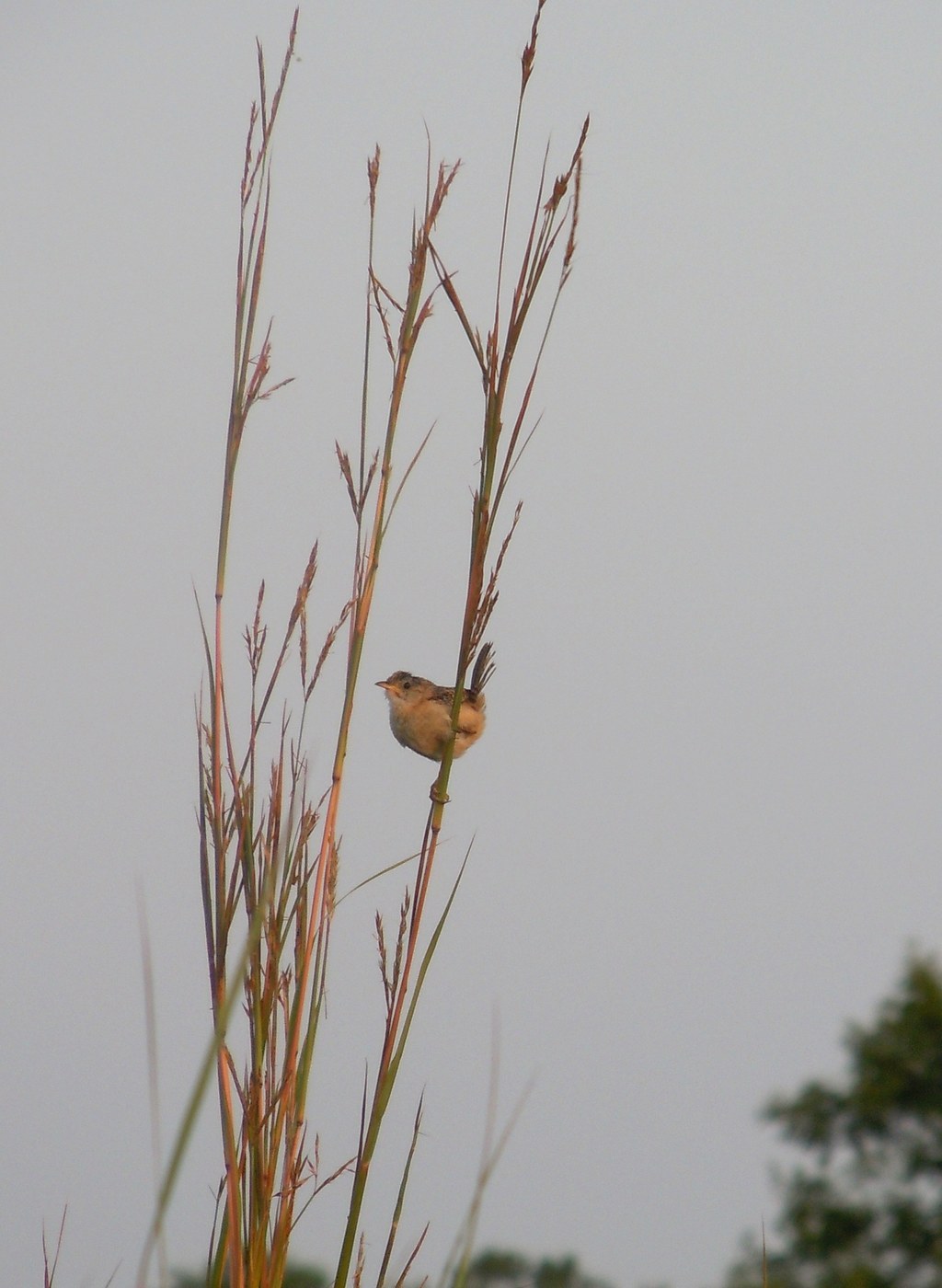
Sedge Wren
Tiny streaked crown and back feathers

Yellow-winged Cacique
Glossy black body feathers, yellow wing patch, shaggy crest

Yellow Warbler
Small contour and flight feathers
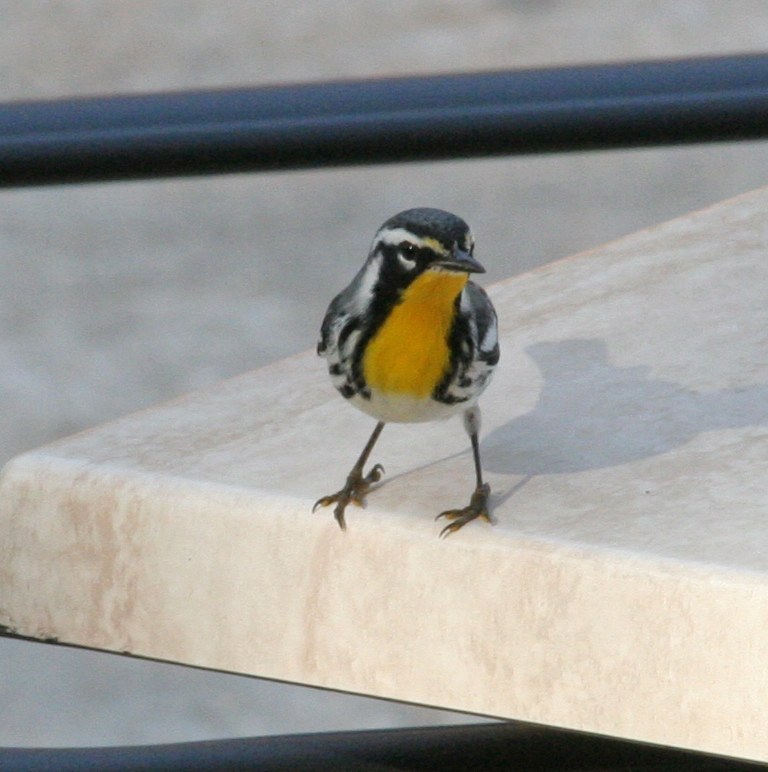
Yellow-throated Warbler
Small contour and flight feathers
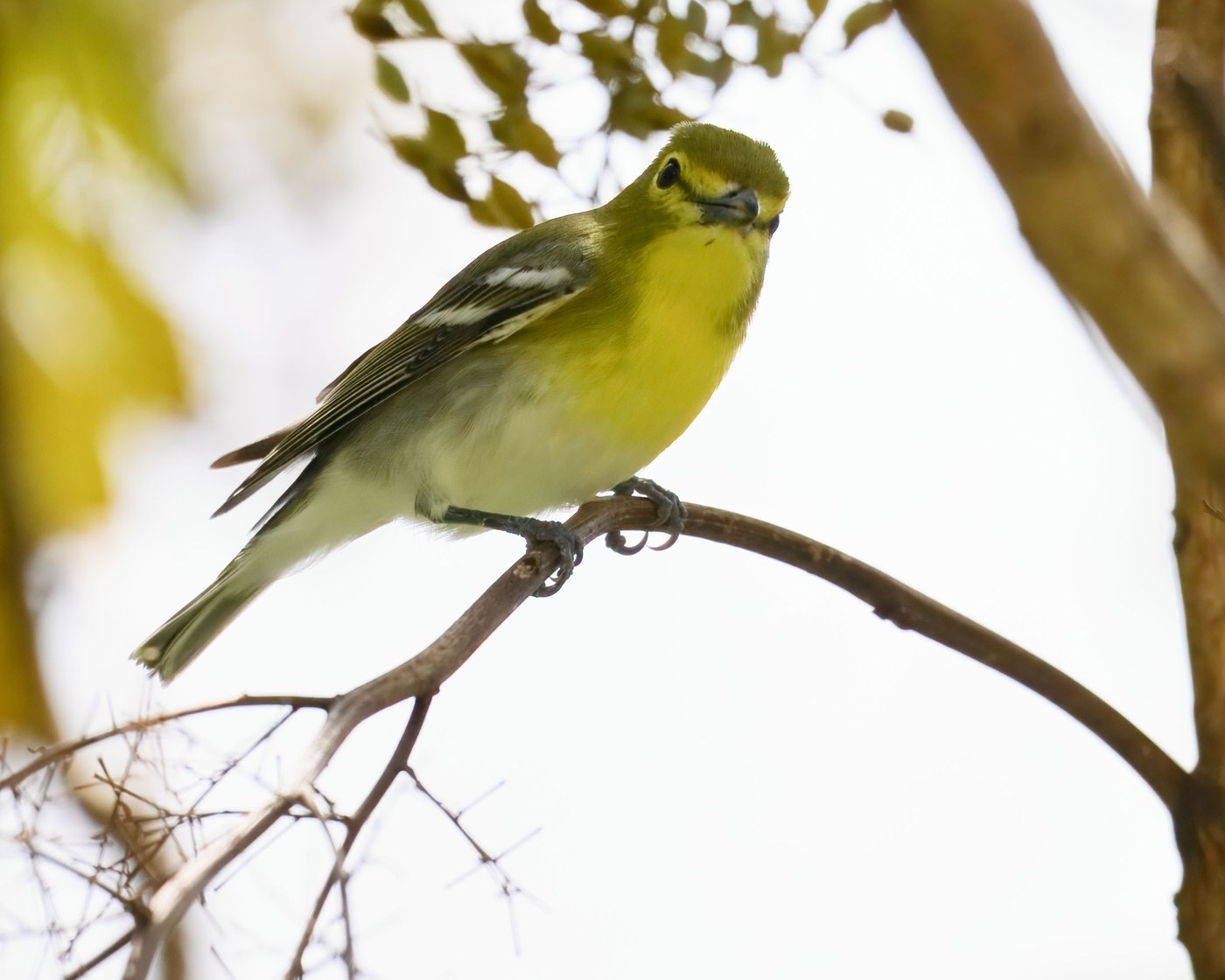
Yellow-throated Vireo
Bright yellow throat and spectacle feathers; olive-green back feathers; two white wing-bar feathers

Yellow-rumped Warbler
Small contour and flight feathers
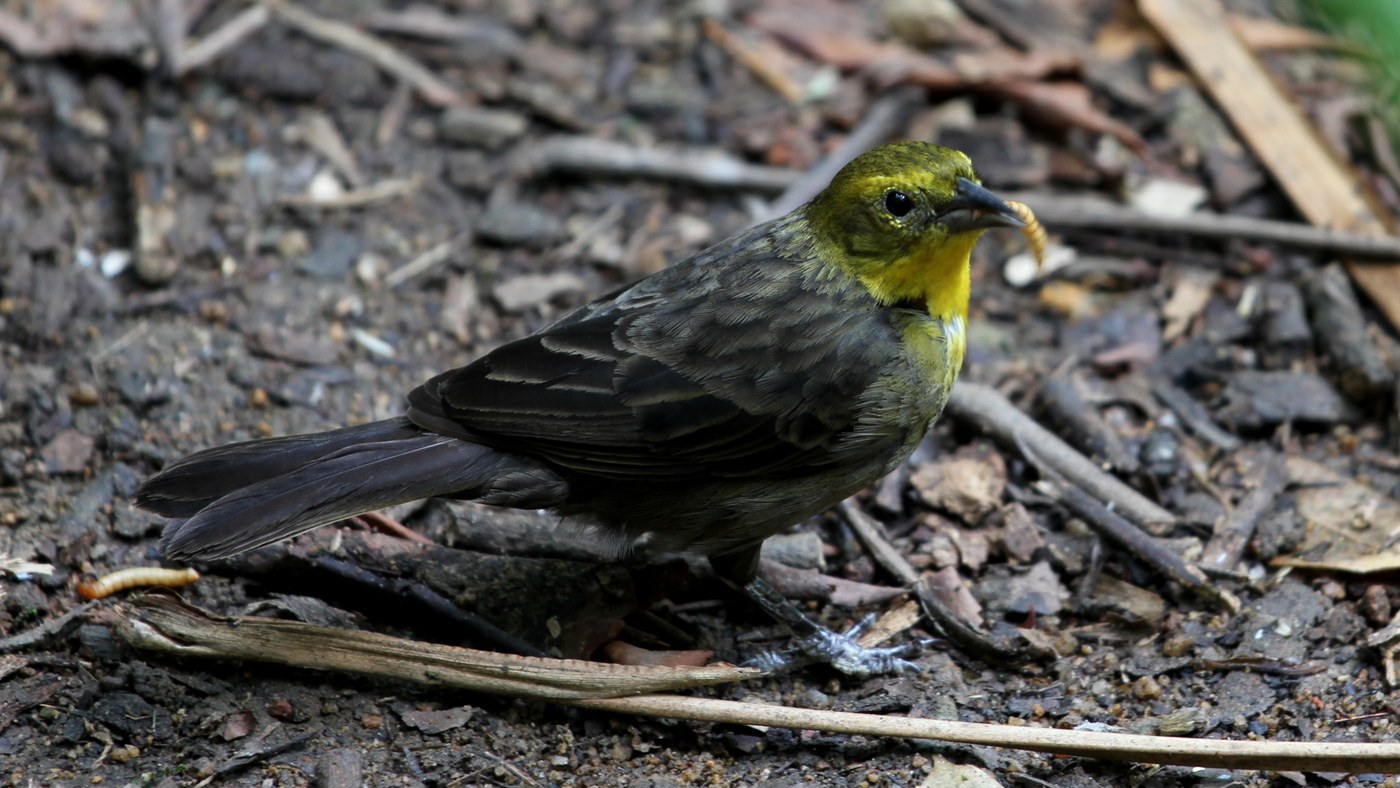
Yellow-hooded Blackbird
Contrasting hood and body feathers
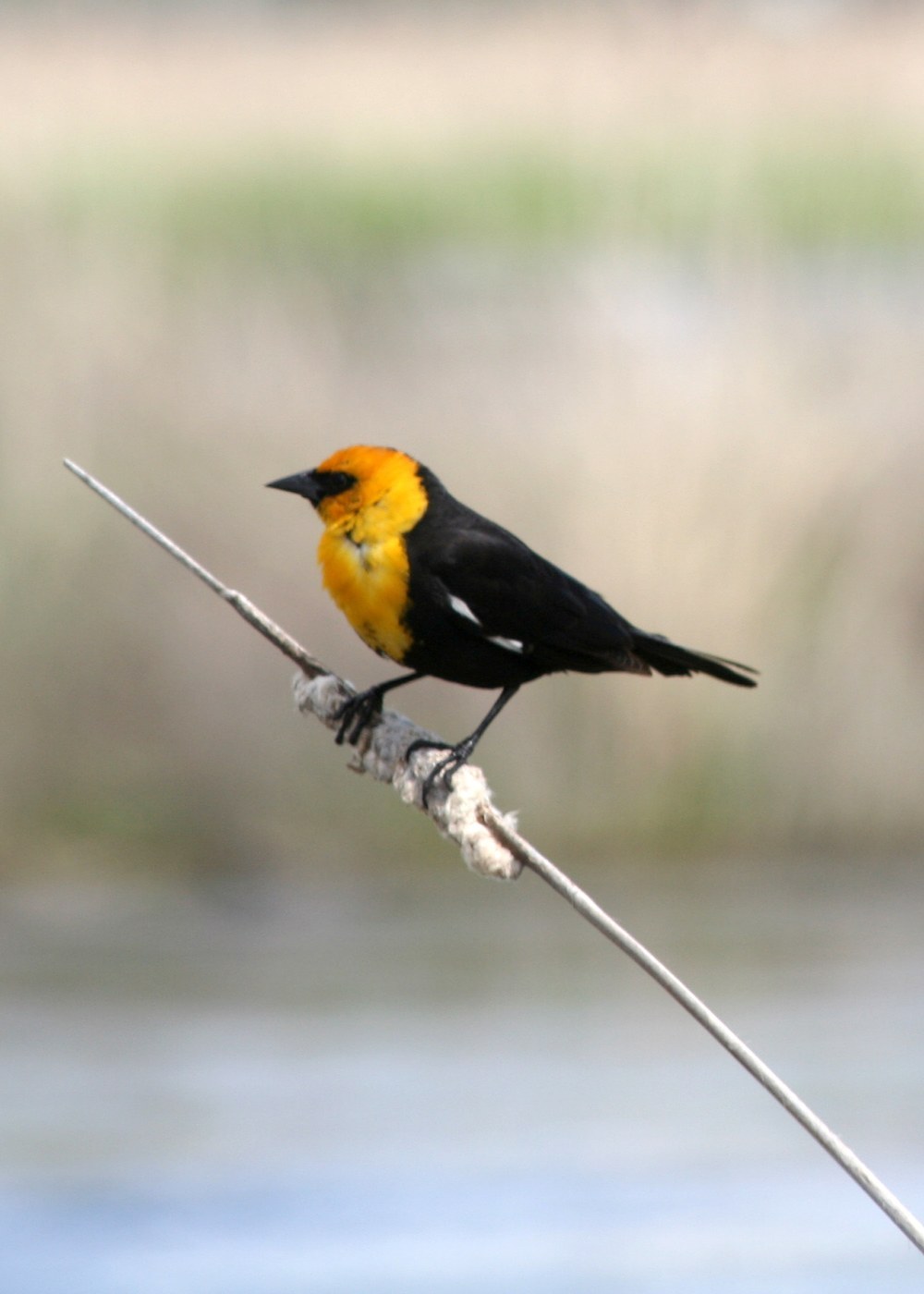
Yellow-headed Blackbird
Glossy black body plumage with a bright yellow head and breast

Yellow-eyed Junco
Contour and flight feathers

Yellow-fronted Canary
Small, smooth body plumage

Yellow-breasted Greenfinch
Compact, smooth body plumage