

Violet-green Swallow
Tachycineta thalassina
A small western swallow with iridescent green upperparts, violet-tinged rump and wings, and white extending unusually high onto the face and flanks.
- Feather type
- Contour and flight feathers
- Colours
- Iridescent green back, violet-purple rump/wings, white underparts extending onto face sides
- Bird size
- Sparrow-sized, ~13 cm
Found a feather like this?
Identify any feather from a photo, free.
Overview
Overview
The Violet-green Swallow is a small, brightly iridescent swallow of open woodland, canyons, and mountainous terrain across western North America, frequently seen foraging in loose flocks over open areas or near cliffs and rock outcrops where it often nests. Its combination of shimmering green and violet upperparts with extensive white underparts sets it apart from other North American swallows.
Upperparts show an iridescent green back that shifts to violet-purple on the rump and wing coverts depending on the angle of light, while the white underparts extend unusually far up onto the sides of the face and rump, a pattern not seen in similarly sized swallows.
Identifying the Feather
Feather ID Notes
Violet-green Swallow feathers show a bright, iridescent green sheen across the back that gives way to violet-purple tones on the rump and wing coverts, colors that can shift noticeably with lighting angle. White underpart feathers extend up onto the sides of the face, nearly meeting above the eye and around the ear, and also show as pale patches on the sides of the rump.
- Back feathers: iridescent green, shifting to violet-purple toward the rump
- Rump feathers: violet-purple, extending into white side patches
- Face feathers: white extending unusually high, nearly surrounding the eye
- Wing feathers: dark with a violet sheen in good light The white face extending above and around the eye, combined with white rump-side patches, separates this species from Tree Swallow, which shows a more uniform dark green-blue back and no white on the face.
Plumage & Molt
Plumage Details
Males typically show more extensive and brighter iridescence than females, which can appear somewhat duller overall, though both sexes share the same general pattern. Juveniles are notably duller, showing brownish-gray upperparts lacking strong iridescence, and gradually develop the adult coloration through subsequent molts. There is no distinct seasonal plumage change beyond this age-related progression.
Habitat & Range
Habitat & Range
This species breeds in open woodland, canyons, and mountainous terrain across western North America, often nesting in tree cavities, rock crevices, or cliff faces, and readily using nest boxes in some areas. It is migratory, wintering primarily in Mexico and Central America, with birds departing the breeding range in the colder months.
Behavior & Field Notes
Behavior & Field Notes
Violet-green Swallows forage on the wing, catching flying insects in open airspace, often in mixed flocks with other swallow species. Diet consists almost entirely of flying insects captured in flight. Nests are placed in cavities or crevices, lined with feathers and other soft material. Calls include soft, twittering notes typical of swallows, often given in flight or near the nest site.
Frequently asked questions
What feather feature separates Violet-green Swallow from Tree Swallow?
White facial feathering that extends up and around the eye, plus white patches on the rump sides, which Tree Swallow lacks.
Do males and females look different?
Males tend to show brighter, more extensive iridescence than the somewhat duller females.
Where does this swallow typically nest?
In tree cavities, rock crevices, cliff faces, or nest boxes across open woodland and mountainous terrain.
Is the Violet-green Swallow migratory?
Yes, it winters primarily in Mexico and Central America, departing its western North American breeding range in colder months.
Violet-green Swallow guides
In-depth guides for identifying and understanding Violet-green Swallow.

Other feathers you may enjoy

Yellow-breasted Bunting
Contour and flight feathers, chestnut-and-yellow breeding pattern
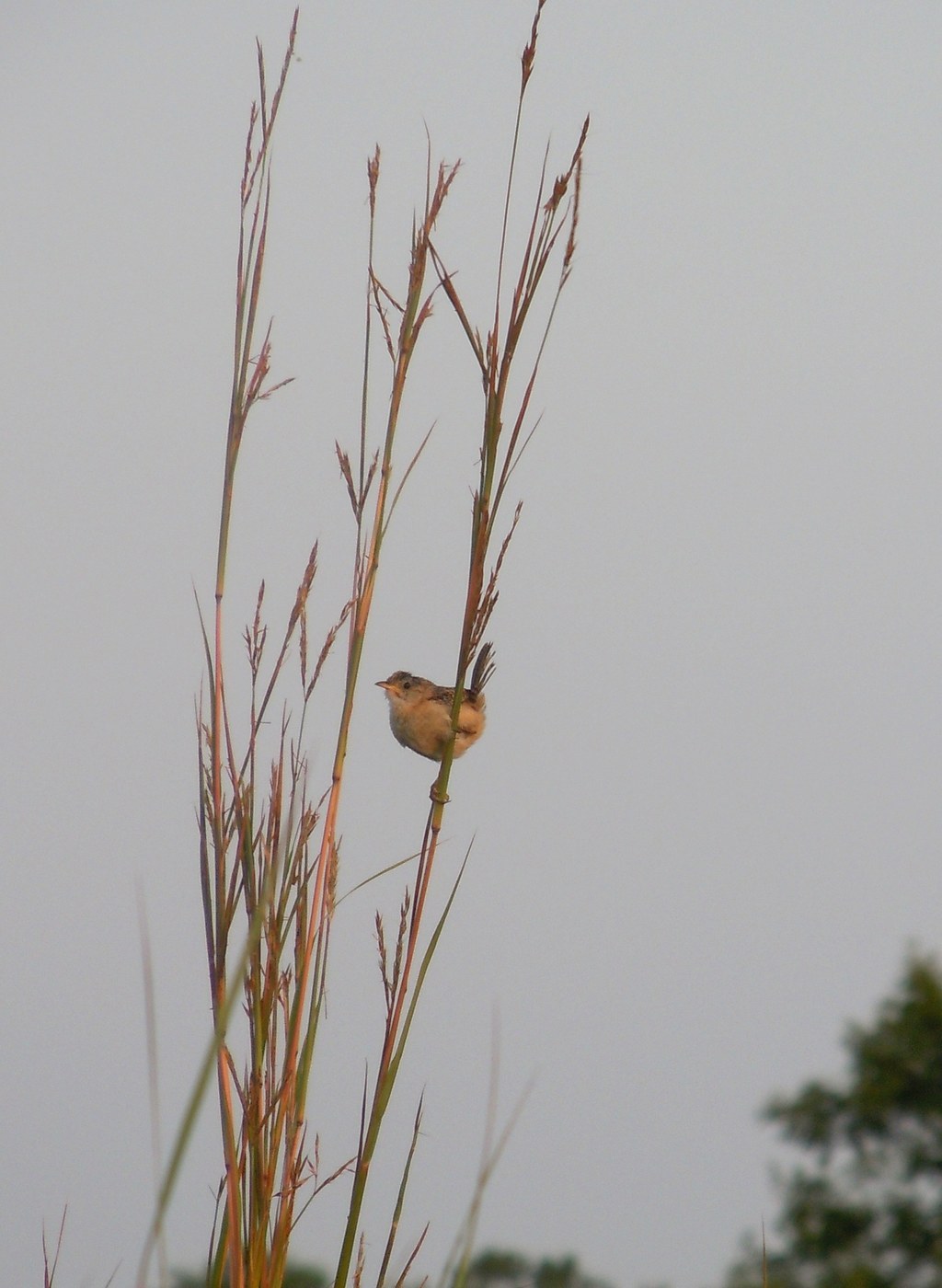
Sedge Wren
Tiny streaked crown and back feathers

Yellow-winged Cacique
Glossy black body feathers, yellow wing patch, shaggy crest

Yellow Warbler
Small contour and flight feathers
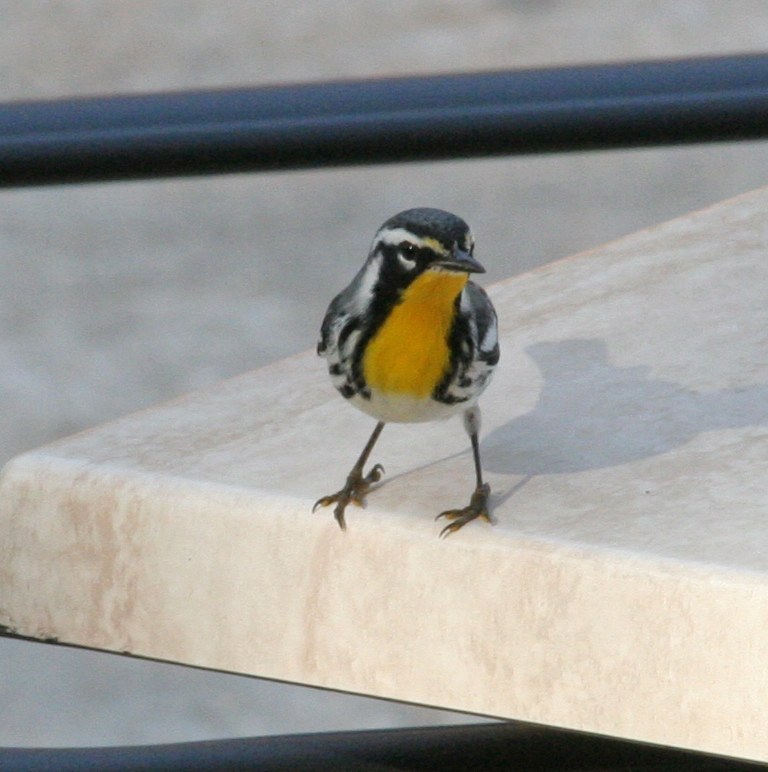
Yellow-throated Warbler
Small contour and flight feathers
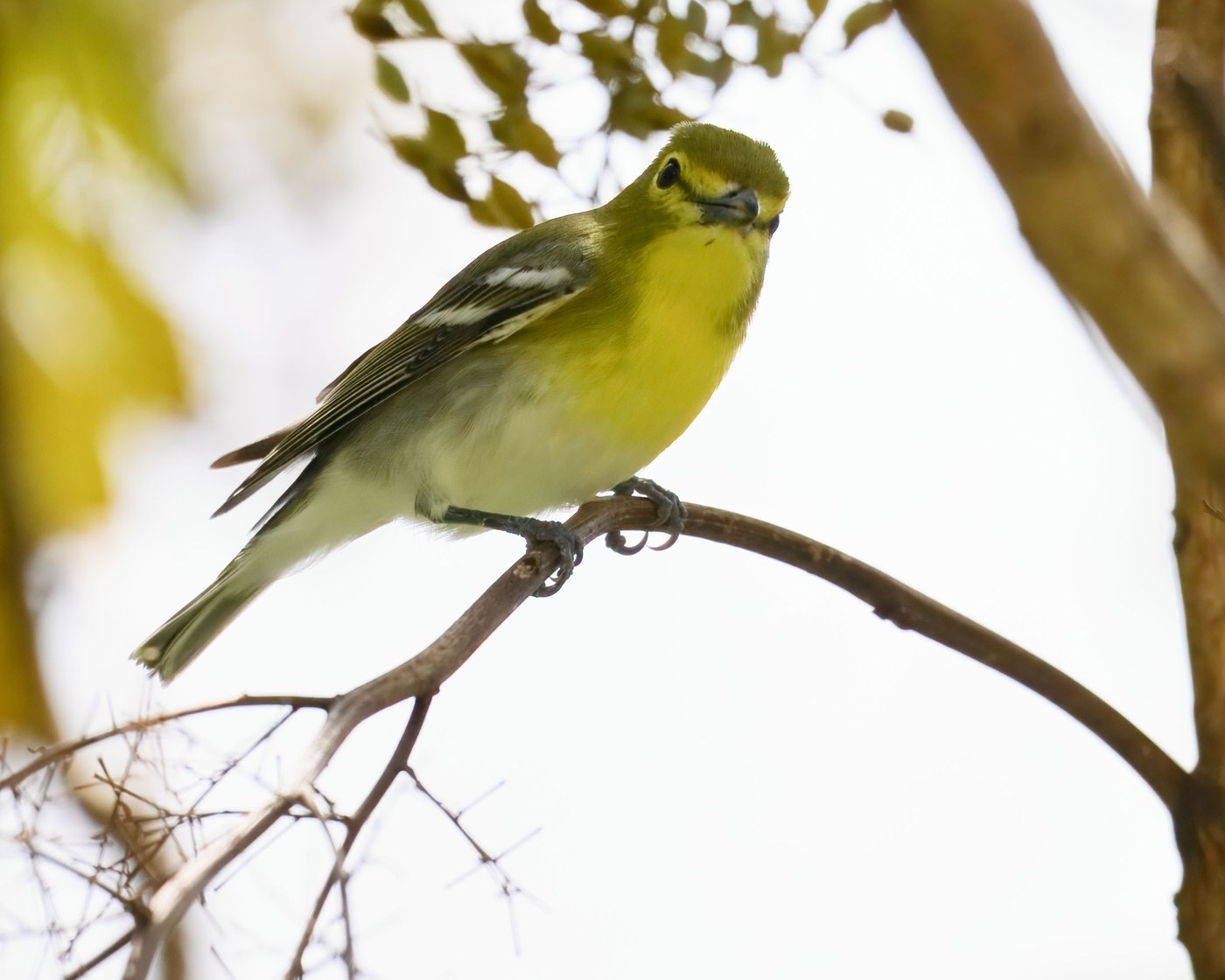
Yellow-throated Vireo
Bright yellow throat and spectacle feathers; olive-green back feathers; two white wing-bar feathers

Yellow-rumped Warbler
Small contour and flight feathers
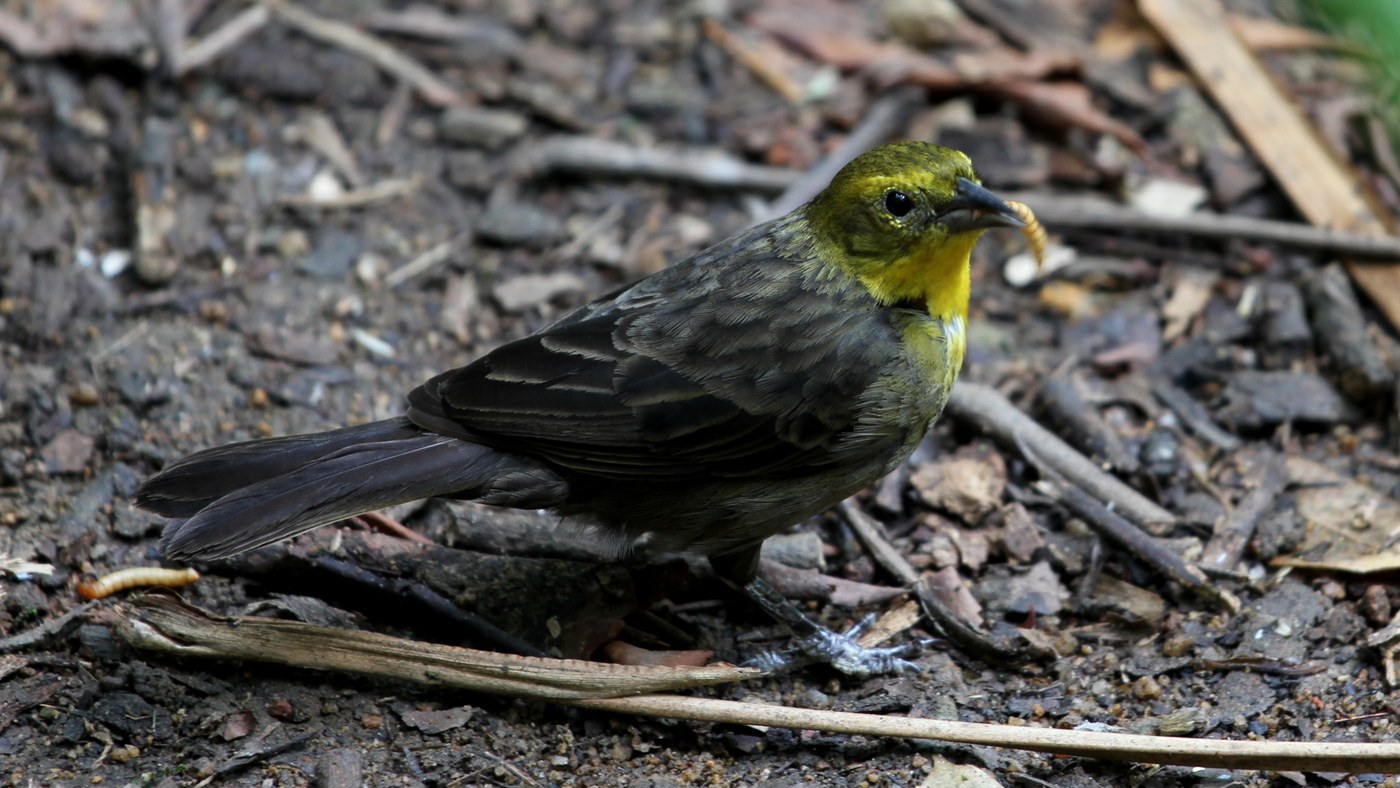
Yellow-hooded Blackbird
Contrasting hood and body feathers
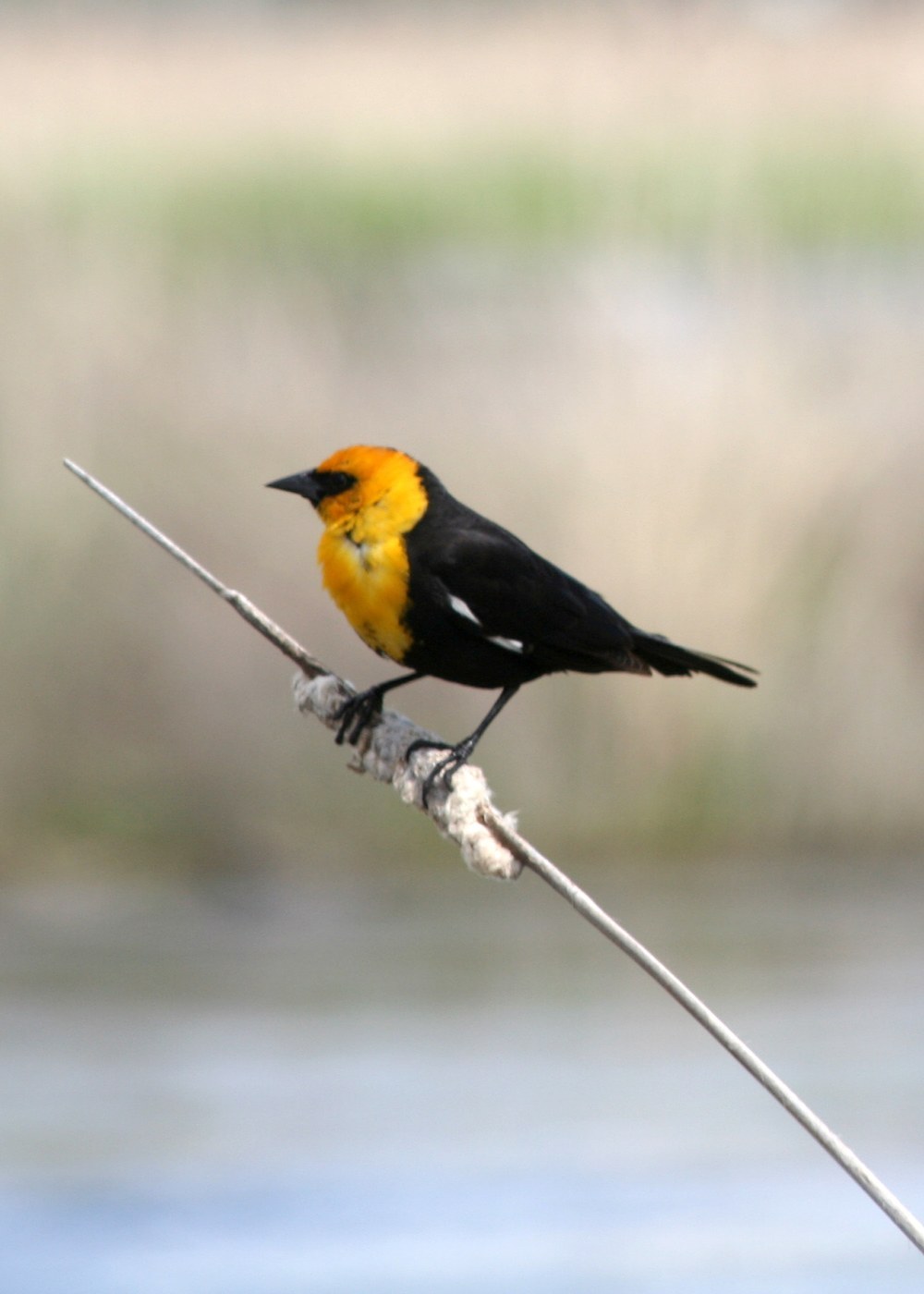
Yellow-headed Blackbird
Glossy black body plumage with a bright yellow head and breast

Yellow-eyed Junco
Contour and flight feathers

Yellow-fronted Canary
Small, smooth body plumage

Yellow-breasted Greenfinch
Compact, smooth body plumage