

Western Bluebird
Sialia mexicana
A small western thrush whose males show rich cobalt-blue upperparts and wings against a rusty chest, making shed body feathers easy to spot on the ground under nest boxes and fence lines.
- Feather type
- Contour and flight feathers
- Colours
- Deep blue, chestnut-orange, gray
- Bird size
- Sparrow-sized, ~16-18 cm
Found a feather like this?
Identify any feather from a photo, free.
Overview
The Western Bluebird is a compact thrush of open woodlands and rangeland across the western United States and Mexico. Males display a deep, almost indigo blue on the head, back, wings, and tail, paired with a burnt-orange breast and upper back patch, while females show a muted gray-blue wash over the same pattern. Feathers from this species turn up near nest boxes, orchard rows, and oak savannas, since the bird nests in cavities and forages from low perches.
Identifying the Feather
Size and Shape
Western Bluebird feathers are small, rarely exceeding 8-9 cm even for the longest flight feathers, with rounded tips typical of a compact perching bird.
Color and Pattern
- Back and covert feathers: solid, saturated blue with little to no barring
- Breast feathers: warm chestnut-orange, unbarred
- Belly and undertail: pale gray to whitish
- Flight feathers: blue on the outer web, duller gray-brown on the inner web
Distinguishing from Similar Species
Compared to the Eastern Bluebird, the Western Bluebird's blue extends further down onto the throat and upper breast, with the orange confined to the sides of the breast and upper back rather than a full orange throat. Mountain Bluebird feathers lack any chestnut-orange entirely, showing blue washed over a whitish belly instead.
Plumage & Molt
Adult males are unmistakable with saturated blue upperparts and a rusty breast; adult females are duller overall, with gray-brown heads, a pale blue tinge to the wings and tail, and a soft orange wash on the breast. Juveniles are heavily spotted gray-brown with pale streaking, gradually molting into adult-like plumage by their first fall. Bluebirds undergo a complete molt after the breeding season, typically in late summer, replacing worn flight and body feathers before migration or winter flocking.
Habitat & Range
Western Bluebirds favor open pine and oak woodlands, savannas, orchards, and burned or logged forest edges where scattered perches and cavities are available. They range from British Columbia south through the western United States into the Mexican highlands. Populations are largely resident in milder areas but move to lower elevations or south in winter where snow limits ground foraging.
Behavior & Field Notes
This species forages by dropping from a low perch to catch insects on the ground, and also eats berries, especially in colder months when flocks gather at fruiting shrubs like mistletoe and juniper. It nests in natural cavities, old woodpecker holes, and nest boxes, often in loose colonies. The song is a soft, subdued series of warbled notes, and calls include a short, mellow "few" contact note. Outside the breeding season, bluebirds often form small foraging flocks that move together between fruiting trees.
Frequently asked questions
What color are Western Bluebird feathers?
Males show deep blue on the back, wings, and tail with a chestnut-orange breast; females show the same pattern in muted gray-blue and pale orange tones.
How can I tell a Western Bluebird feather from an Eastern Bluebird feather?
Western Bluebird blue extends onto the throat and upper breast, with orange limited to the breast sides and upper back, while Eastern Bluebirds show a full orange throat.
Where would I find a Western Bluebird feather?
Look near nest boxes, orchards, oak savannas, and open woodland edges where the birds perch low and forage on the ground.
Do Western Bluebirds molt their feathers seasonally?
Yes, adults undergo a complete molt after breeding in late summer, replacing worn feathers before winter.
Western Bluebird guides
In-depth guides for identifying and understanding Western Bluebird.

Other feathers you may enjoy

Yellow-breasted Bunting
Contour and flight feathers, chestnut-and-yellow breeding pattern
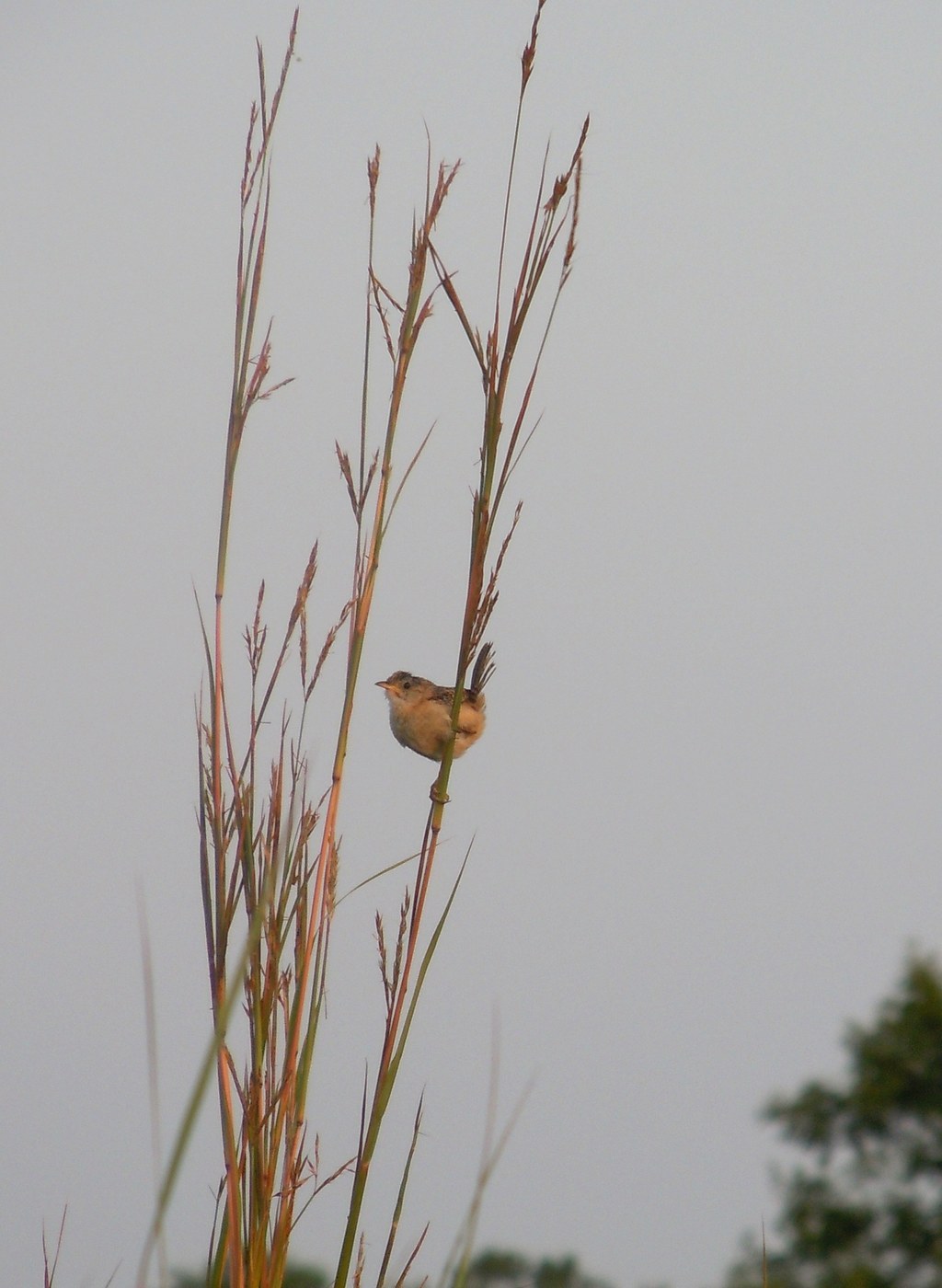
Sedge Wren
Tiny streaked crown and back feathers

Yellow-winged Cacique
Glossy black body feathers, yellow wing patch, shaggy crest

Yellow Warbler
Small contour and flight feathers
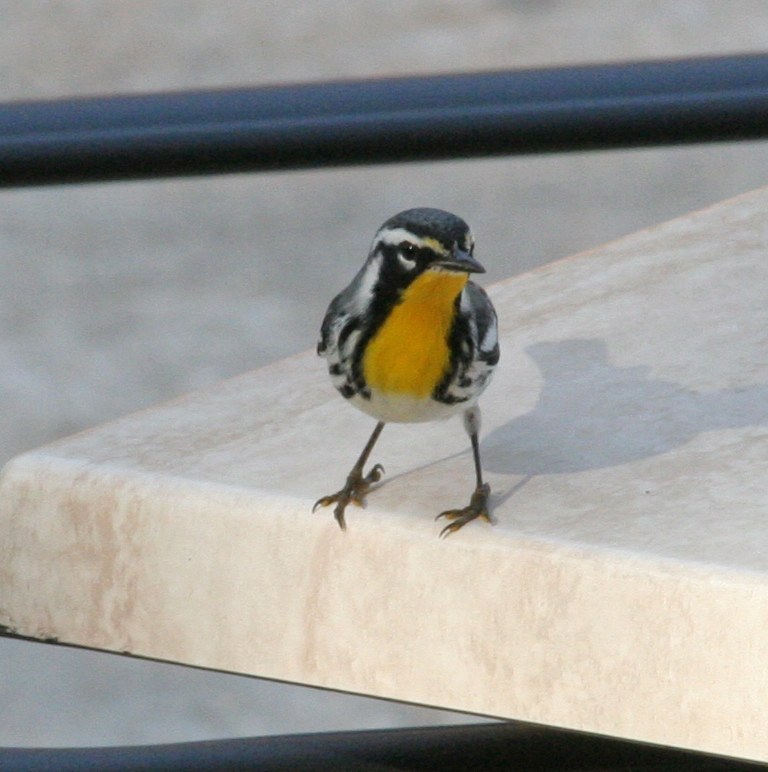
Yellow-throated Warbler
Small contour and flight feathers
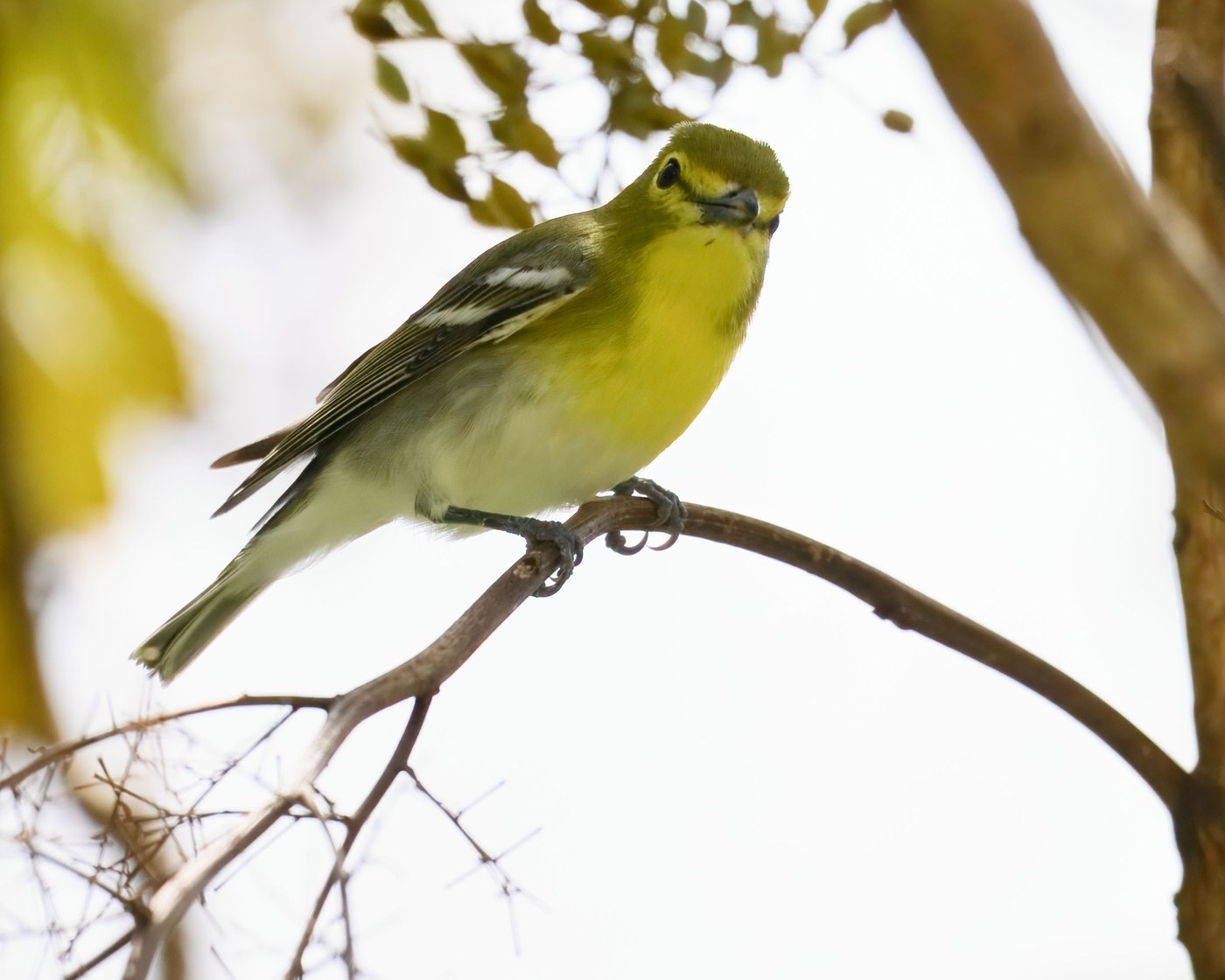
Yellow-throated Vireo
Bright yellow throat and spectacle feathers; olive-green back feathers; two white wing-bar feathers

Yellow-rumped Warbler
Small contour and flight feathers
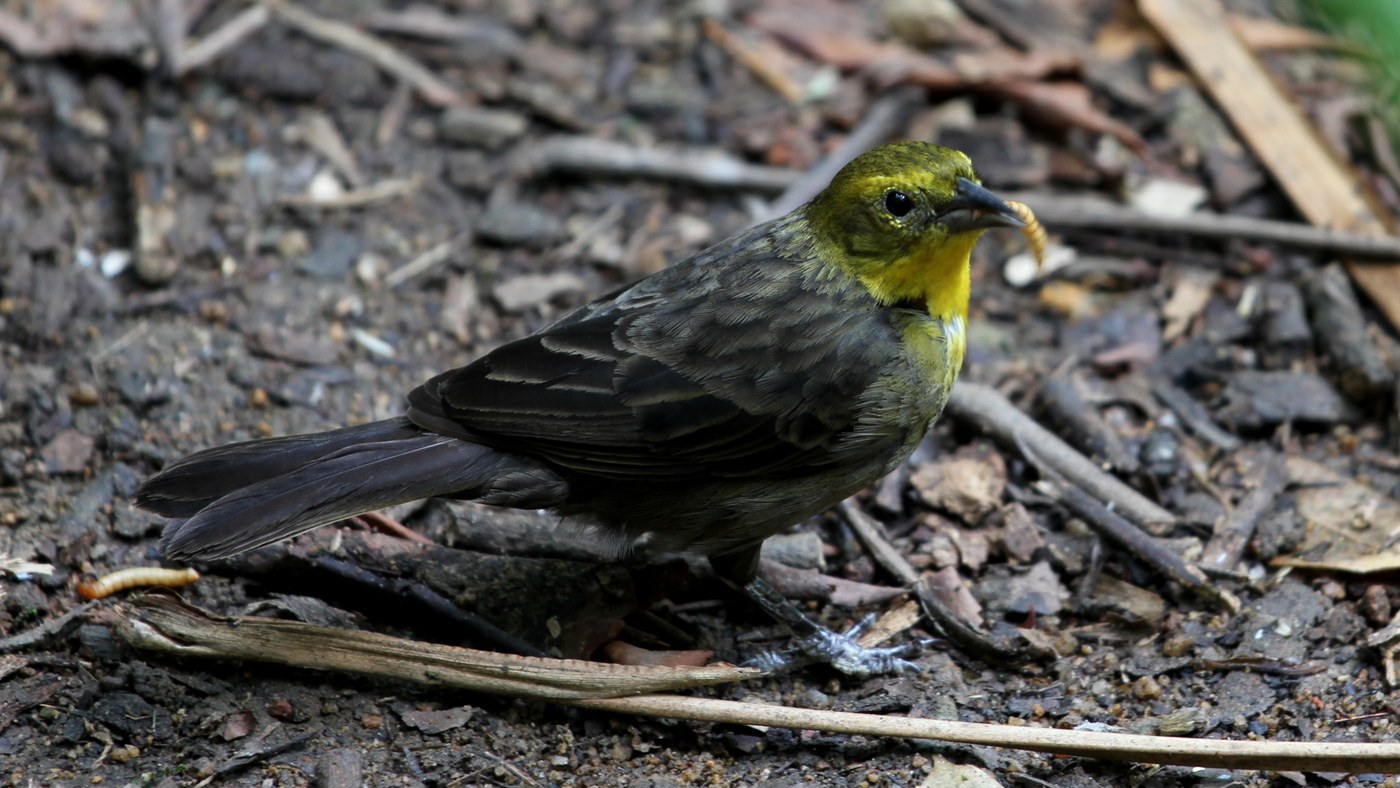
Yellow-hooded Blackbird
Contrasting hood and body feathers
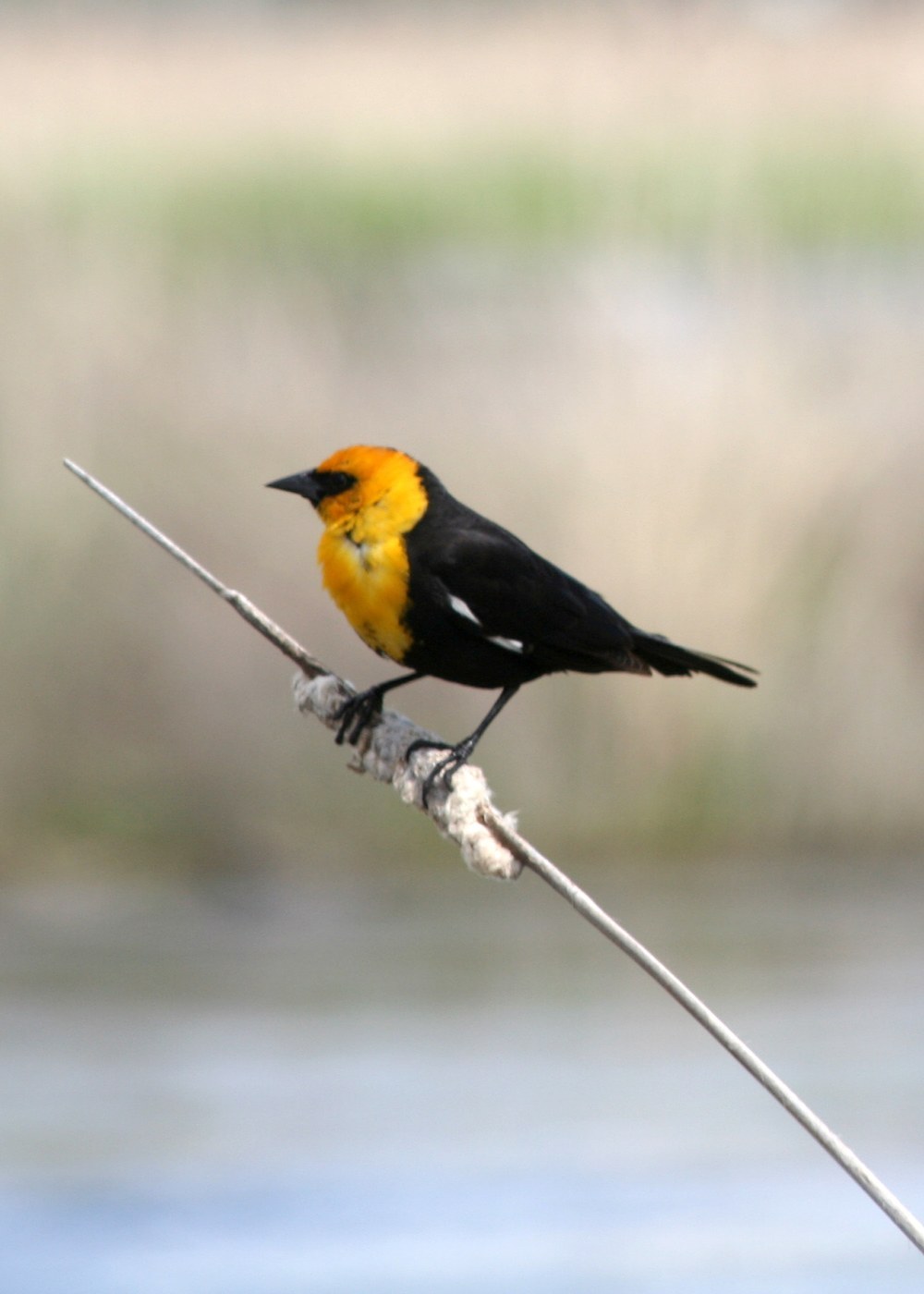
Yellow-headed Blackbird
Glossy black body plumage with a bright yellow head and breast

Yellow-eyed Junco
Contour and flight feathers

Yellow-fronted Canary
Small, smooth body plumage

Yellow-breasted Greenfinch
Compact, smooth body plumage