
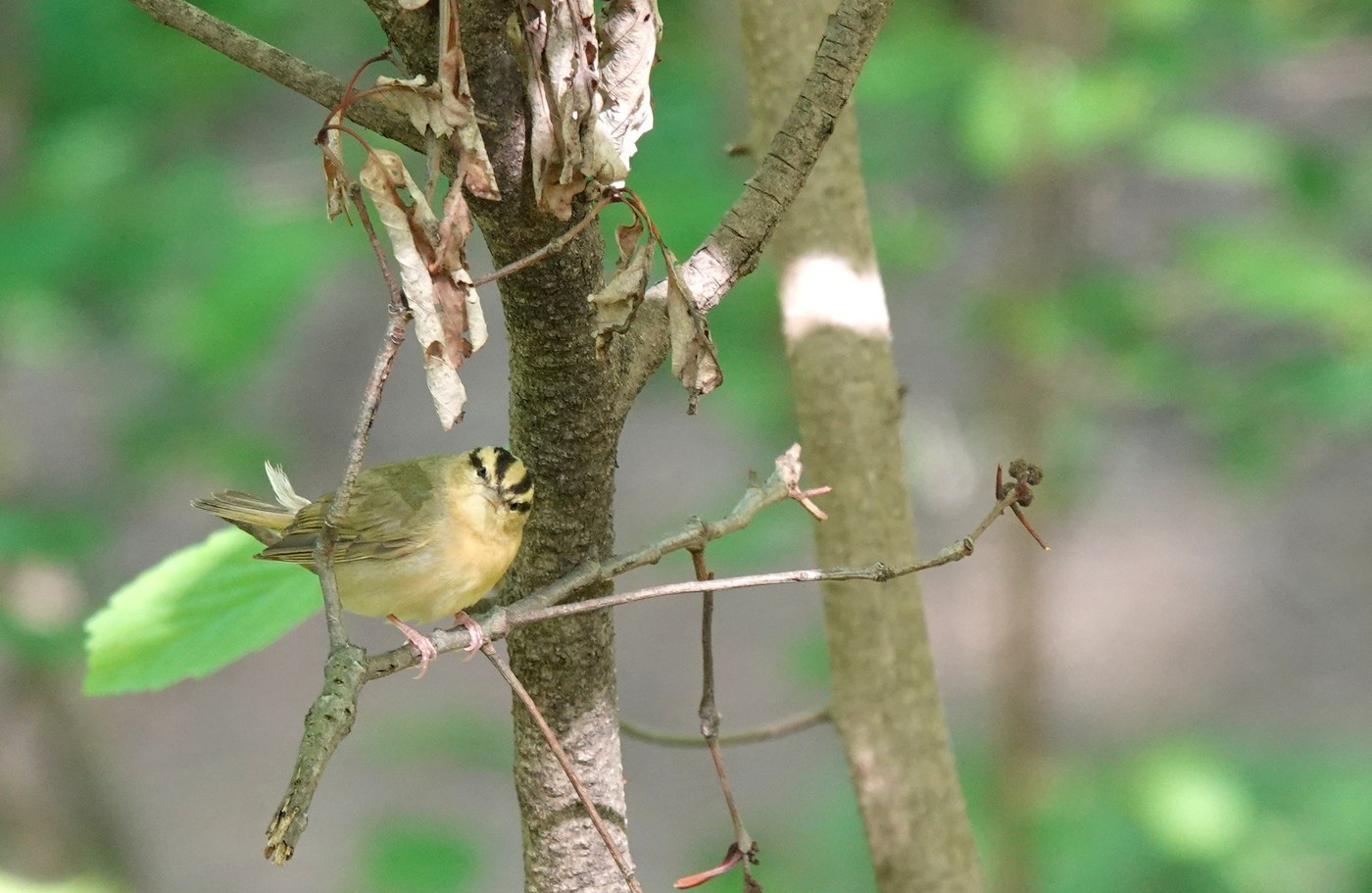
Worm-eating Warbler
Helmitheros vermivorum
A plain buffy-olive warbler of steep, leaf-littered forest slopes, marked by bold black stripes across the crown and through the eye and a notably long, spike-like bill.
- Feather type
- Dense, buffy-olive contour feathers; bold black head stripes
- Colours
- Buffy-olive overall, bold black crown and eye stripes, no wing bars
- Bird size
- Sparrow-sized, ~13 cm
Found a feather like this?
Identify any feather from a photo, free.
Overview
Overview
The Worm-eating Warbler is a plainly colored but distinctively marked warbler of dry deciduous forest slopes with dense understory in the eastern United States. Its overall buffy-olive body is set off by bold black stripes across the crown and through the eye, and it forages in a distinctive manner, often probing into curled dead leaves and hanging leaf clusters for hidden invertebrates.
Despite its name, this species does not specialize on earthworms but rather forages for a variety of small invertebrates, particularly among dead leaves, and it favors steep, well-drained forest slopes rather than wet or swampy ground.
Identifying the Feather
Feather Identification
- Head pattern: Bold black stripes run along the center of the crown and through the eye, set against buffy-olive surrounding head feathers, giving a striped appearance unique among similarly plain warblers.
- Body color: Overall body feathers are a warm buffy-olive, unmarked by streaking on the underparts.
- Wings: Wings are plain olive without wing bars.
- Bill: A notably long, spike-like bill (not a feather feature but a useful corroborating field mark) suits its leaf-probing foraging style.
- Underparts: Breast and belly feathers are pale buffy-yellow, unstreaked, generally paler than the more olive-toned back and head.
- Size and shape: A fairly large, full-bodied warbler with dense feathering suited to time spent on the ground and in dense understory.
Plumage & Molt
Plumage Details
Sexes are alike in this species, with both adult males and females showing the same bold black head stripes and buffy-olive body coloring. There is little seasonal plumage change; immatures resemble adults closely, perhaps with slightly less crisp head striping in their first fall.
A complete molt occurs on the breeding grounds in late summer, after which plumage remains stable through migration and winter, with the head striping pattern retained essentially unchanged throughout the year.
Habitat & Range
Habitat & Range
Worm-eating Warblers breed on steep, dry deciduous forest slopes with a dense shrub or sapling understory, often in ravines or hillside forest, across much of the eastern United States, particularly the Appalachian region, Ozarks, and parts of the mid-Atlantic and Northeast.
This species is a long-distance migrant, wintering primarily in Mexico, Central America, and parts of the Caribbean, typically in forest and forest-edge habitats with a similarly dense understory structure.
Behavior & Field Notes
Behavior & Field Notes
This warbler forages by probing into curled dead leaves, leaf clusters, and other debris, both on the ground and in the understory, using its long bill to extract hidden insects and spiders, a distinctive foraging technique among warblers.
The nest is built on the ground, typically on a steep slope, well hidden among leaf litter or at the base of a shrub or sapling. The song is a dry, insect-like trill, delivered on a single pitch, generally simpler in structure than the songs of many other warblers. Because of its plain coloring and preference for steep forested slopes, careful attention to its bold head striping and characteristic leaf-probing behavior aids identification.
Frequently asked questions
What is the most distinctive feather feature of a Worm-eating Warbler?
Bold black stripes across the crown and through the eye, set against an otherwise plain buffy-olive body, are the key identification features.
Does this species eat earthworms?
No, despite its name it forages mainly for insects and spiders, especially by probing curled dead leaves, rather than specializing on earthworms.
Does the Worm-eating Warbler have wing bars?
No, its wings are plain olive without wing bars.
What forest habitat does this species prefer?
Steep, dry deciduous forest slopes with a dense shrub or sapling understory, often in ravines or hillside forest.
Worm-eating Warbler guides
In-depth guides for identifying and understanding Worm-eating Warbler.
Other feathers you may enjoy

Yellow-breasted Bunting
Contour and flight feathers, chestnut-and-yellow breeding pattern
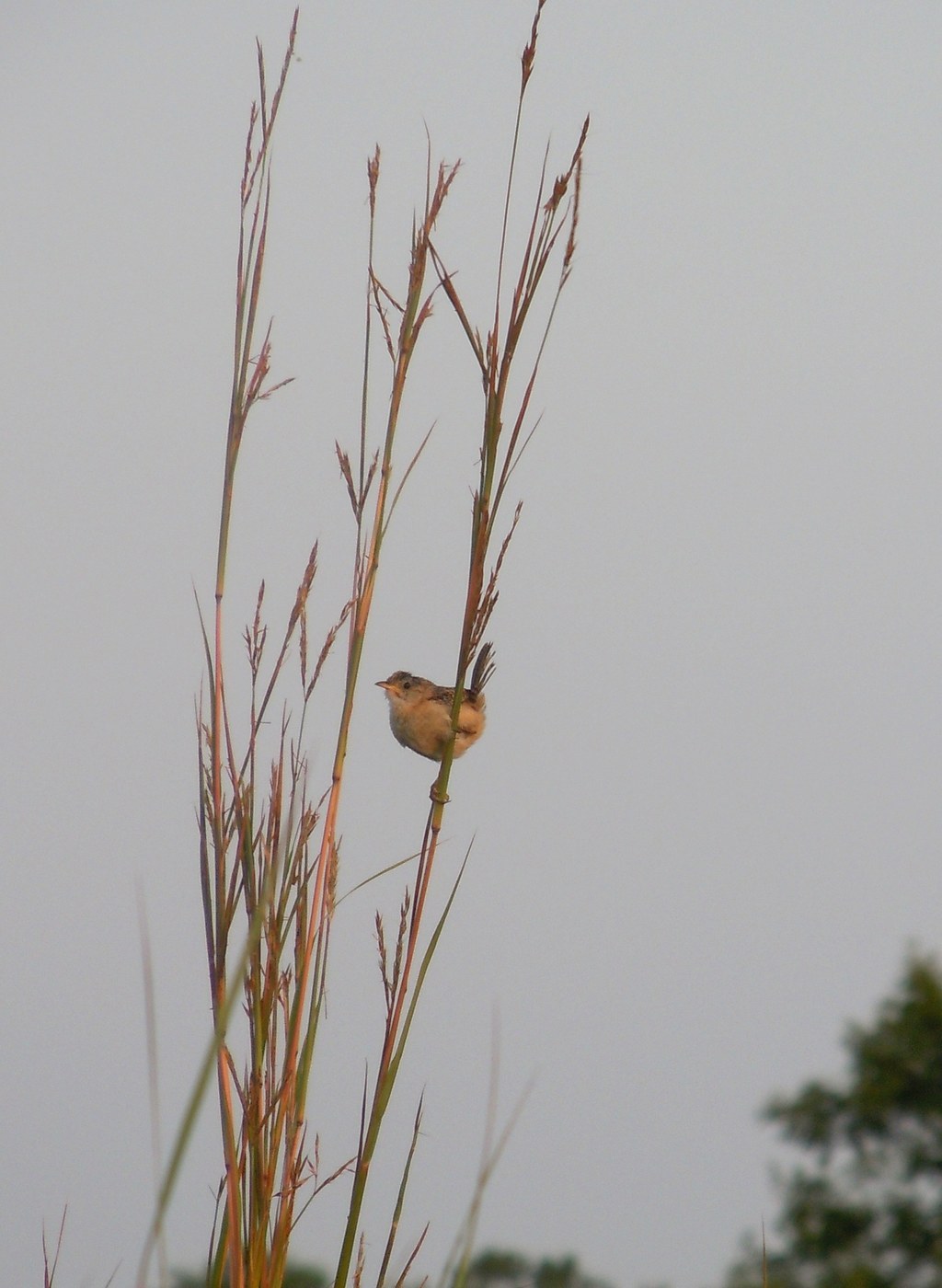
Sedge Wren
Tiny streaked crown and back feathers

Yellow-winged Cacique
Glossy black body feathers, yellow wing patch, shaggy crest

Yellow Warbler
Small contour and flight feathers
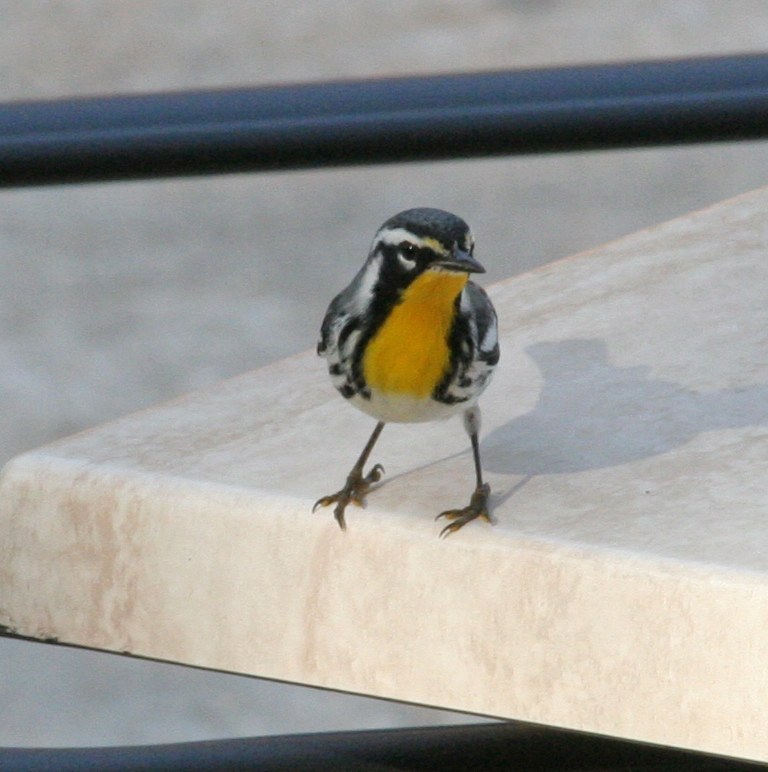
Yellow-throated Warbler
Small contour and flight feathers
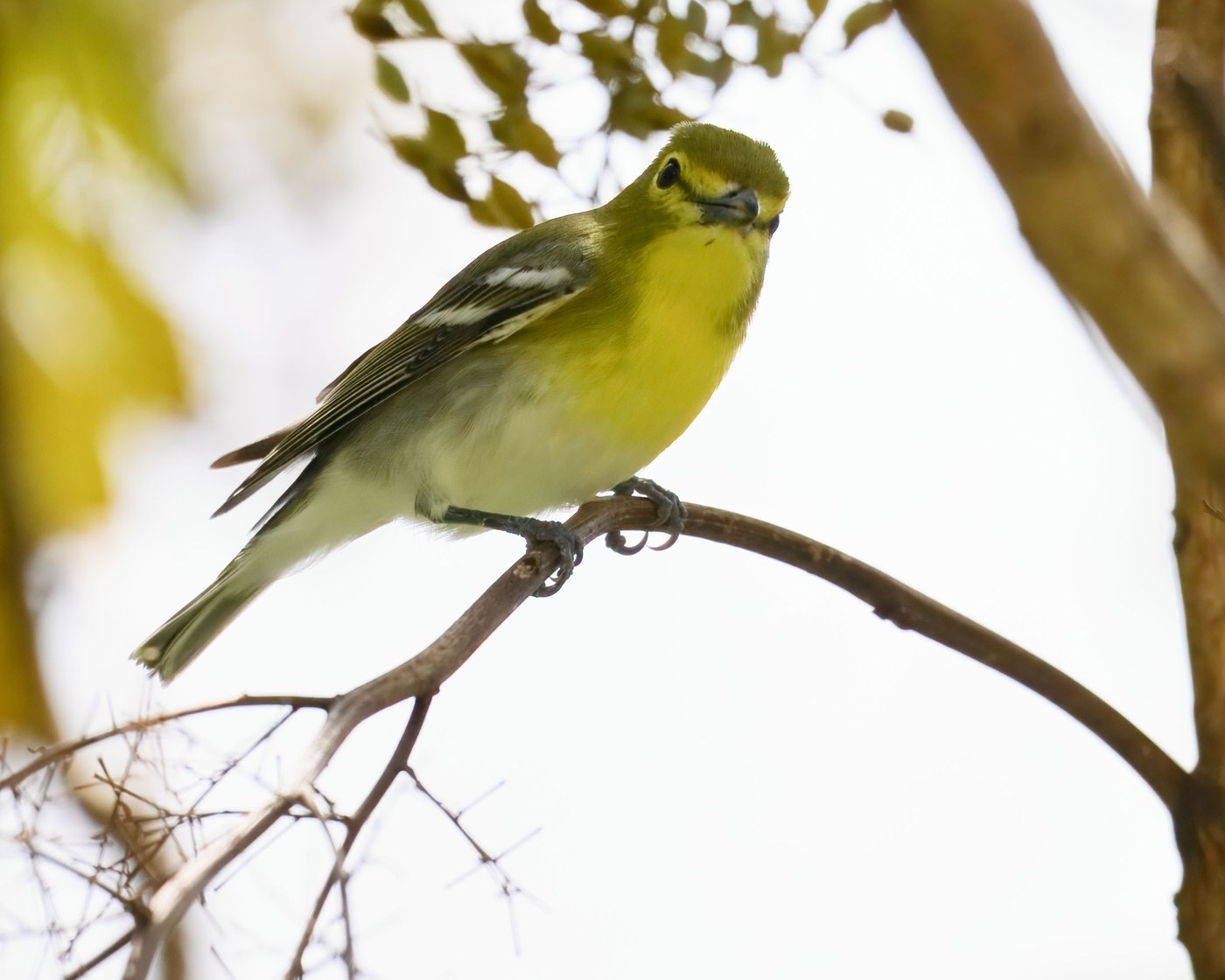
Yellow-throated Vireo
Bright yellow throat and spectacle feathers; olive-green back feathers; two white wing-bar feathers

Yellow-rumped Warbler
Small contour and flight feathers
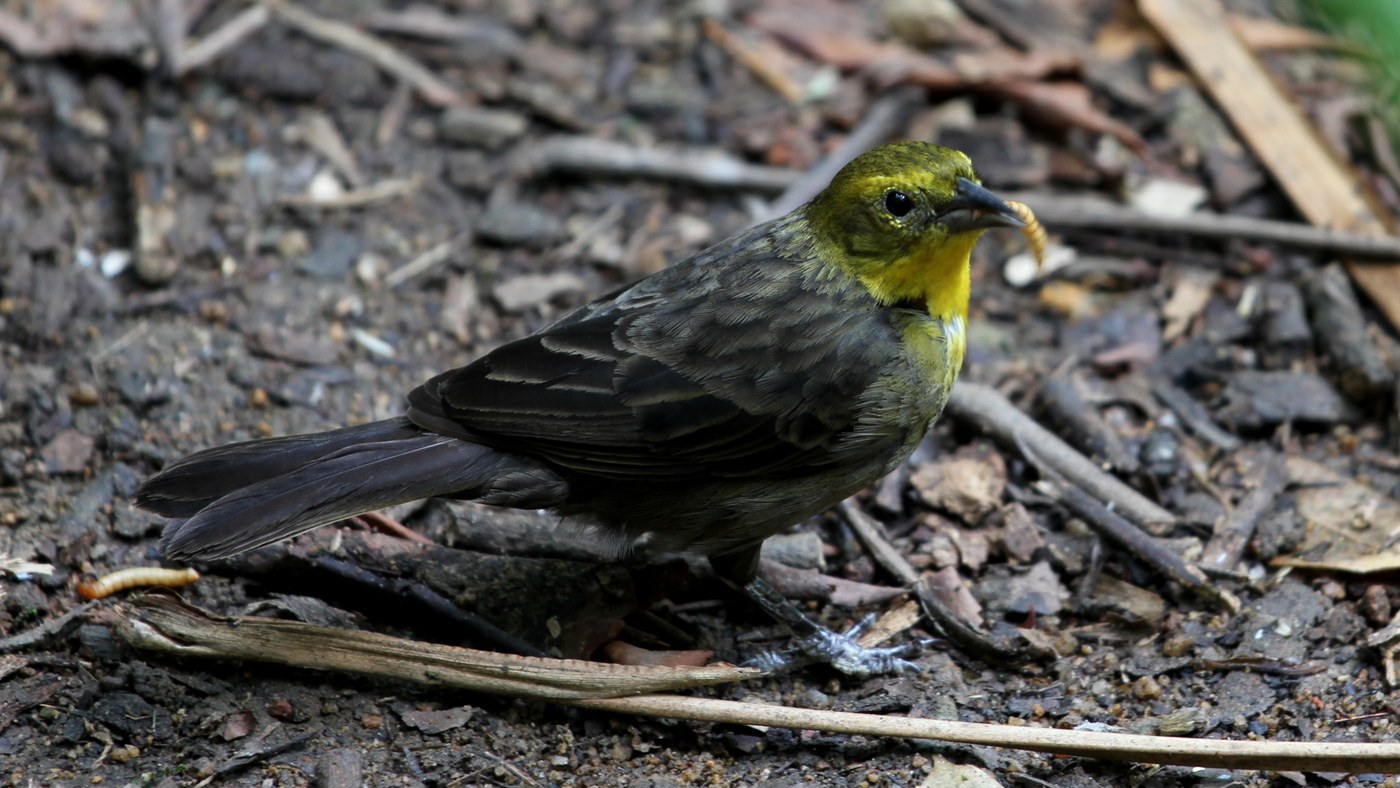
Yellow-hooded Blackbird
Contrasting hood and body feathers
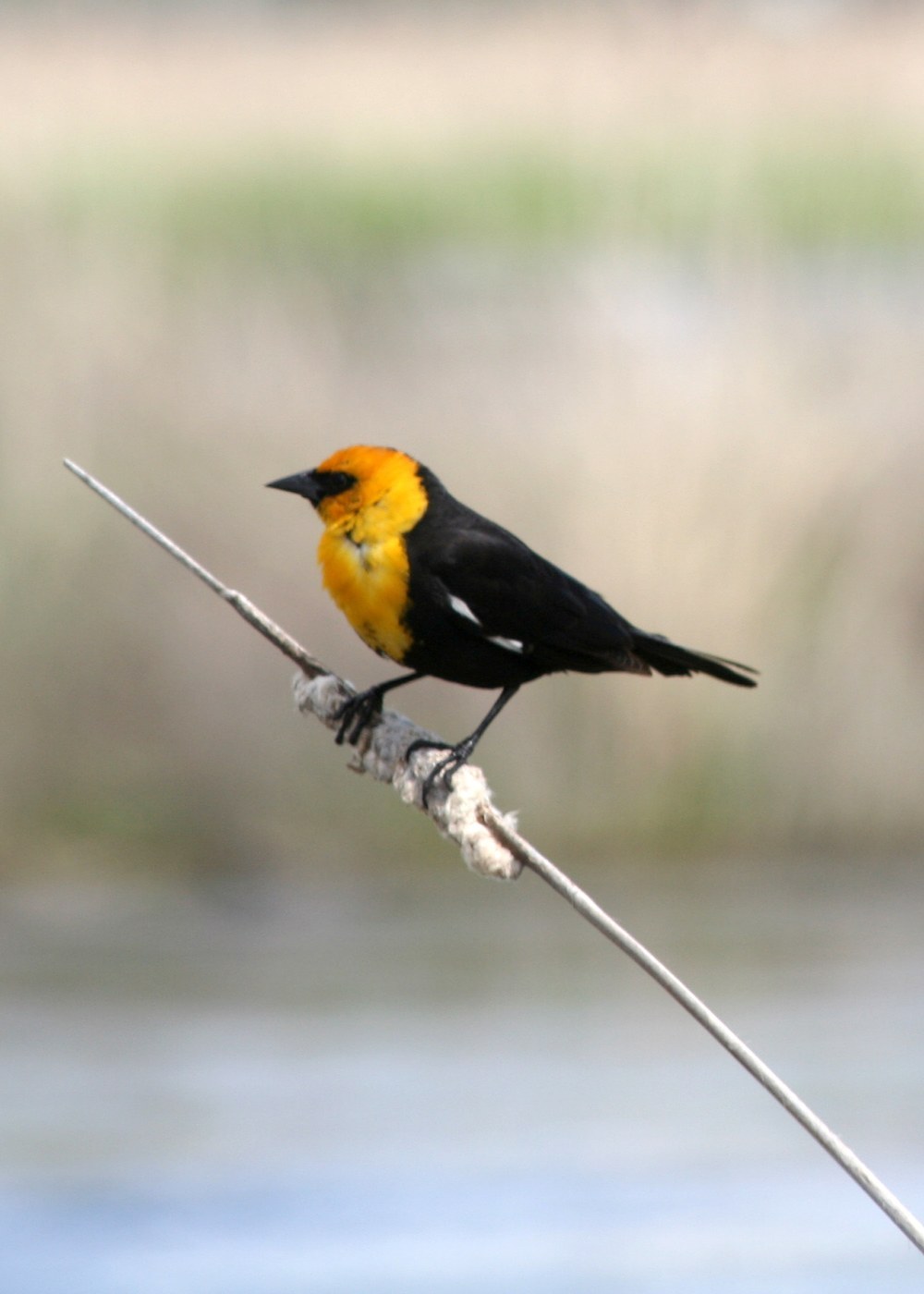
Yellow-headed Blackbird
Glossy black body plumage with a bright yellow head and breast

Yellow-eyed Junco
Contour and flight feathers

Yellow-fronted Canary
Small, smooth body plumage

Yellow-breasted Greenfinch
Compact, smooth body plumage