

Yellow-browed Bunting
Emberiza chrysophrys
A Siberian-breeding bunting recognized by its yellow-tinged eyebrow stripe fading to white toward the back of the head.
- Feather type
- Striped crown feathers with a yellow-tinged supercilium
- Colours
- Black, white, chestnut, and pale yellow
- Bird size
- Sparrow-sized, ~14 cm
Found a feather like this?
Identify any feather from a photo, free.
Overview
Overview
The Yellow-browed Bunting breeds in Siberian taiga and winters mainly in eastern China. Its head pattern resembles that of several related striped-crown buntings, but the yellow wash at the front of the supercilium is a useful distinguishing feature.
It is a scarce and localized species compared with some of its more widespread relatives.
Identifying the Feather
Feather Identification
- Supercilium: pale yellow near the bill, fading to whitish toward the back of the head.
- Crown: dark stripes bordering a paler central stripe, similar to related striped-crown buntings.
- Underparts: white with fine dark streaking along the flanks.
- Wing bars: two narrow white wing bars visible on folded wings.
The yellow-tinged front portion of the supercilium, combined with white wing bars, separates this species from the whiter-browed Tristram's Bunting.
Plumage & Molt
Plumage Notes
Breeding and non-breeding plumages are fairly similar in this species, with the yellow supercilium tint present year-round, though it may appear slightly duller outside the breeding season.
Females resemble males closely, and juveniles show more diffuse streaking with a less distinct supercilium color. A single annual molt follows breeding.
Habitat & Range
Habitat & Range
This bunting breeds in taiga forest and scrub across Siberia, wintering primarily in eastern China, with occasional records farther afield during migration.
It is considered a scarce migrant across much of its range, often found in small numbers at forest edges and scrubby habitat during passage.
Behavior & Field Notes
Behavior & Field Notes
Yellow-browed Buntings forage on the ground and in low vegetation for seeds and insects, often in small groups or mixed with other buntings during migration.
The nest is built on or near the ground in breeding habitat. The song is a simple, brief series of notes. The yellow-tinged supercilium is the most useful feature for separating this species from similarly striped relatives in the field.
Frequently asked questions
What is the key field mark for the Yellow-browed Bunting?
A pale yellow tinge at the front of the supercilium, fading to white toward the back of the head, is the most distinctive feature.
How does this species differ from Tristram's Bunting?
Tristram's Bunting has a whiter supercilium overall, while the Yellow-browed Bunting shows a yellow tint near the bill.
Where does this bunting breed?
It breeds in taiga forest and scrub across Siberia.
Is this a commonly encountered bunting?
It is considered scarce across much of its range, typically found in small numbers during migration.
Yellow-browed Bunting guides
In-depth guides for identifying and understanding Yellow-browed Bunting.

Other feathers you may enjoy

Yellow-breasted Bunting
Contour and flight feathers, chestnut-and-yellow breeding pattern
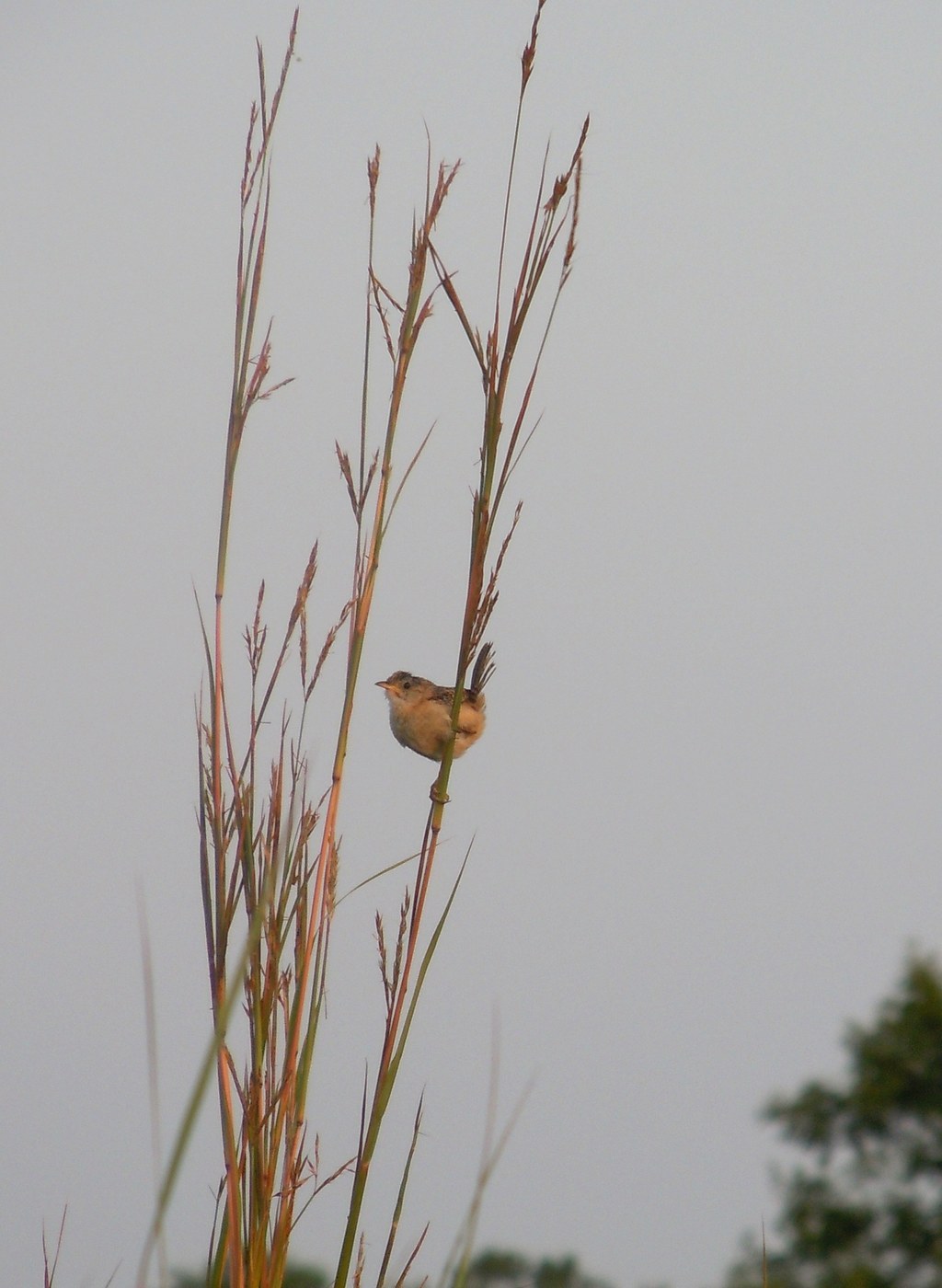
Sedge Wren
Tiny streaked crown and back feathers

Yellow-winged Cacique
Glossy black body feathers, yellow wing patch, shaggy crest

Yellow Warbler
Small contour and flight feathers
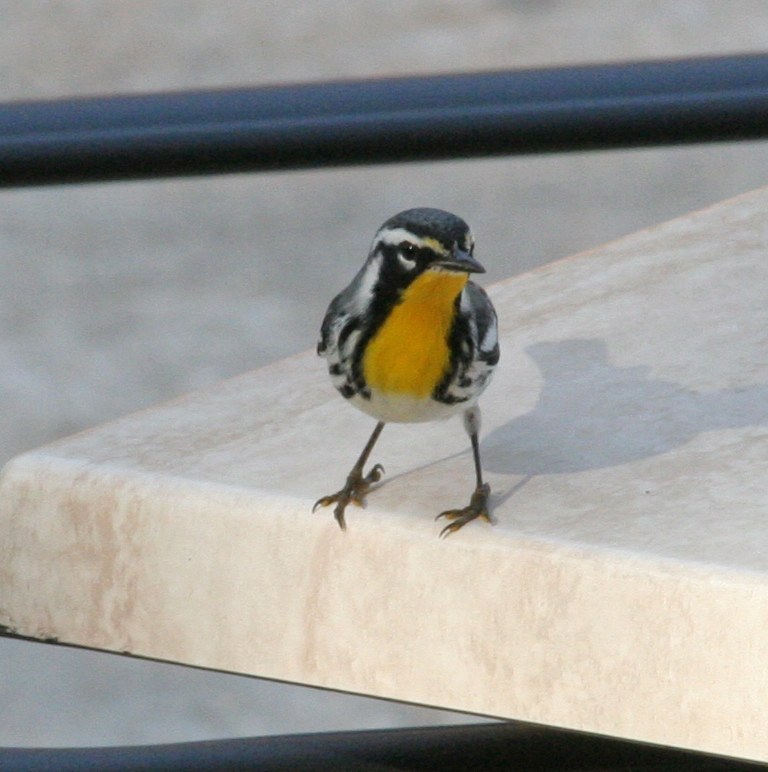
Yellow-throated Warbler
Small contour and flight feathers
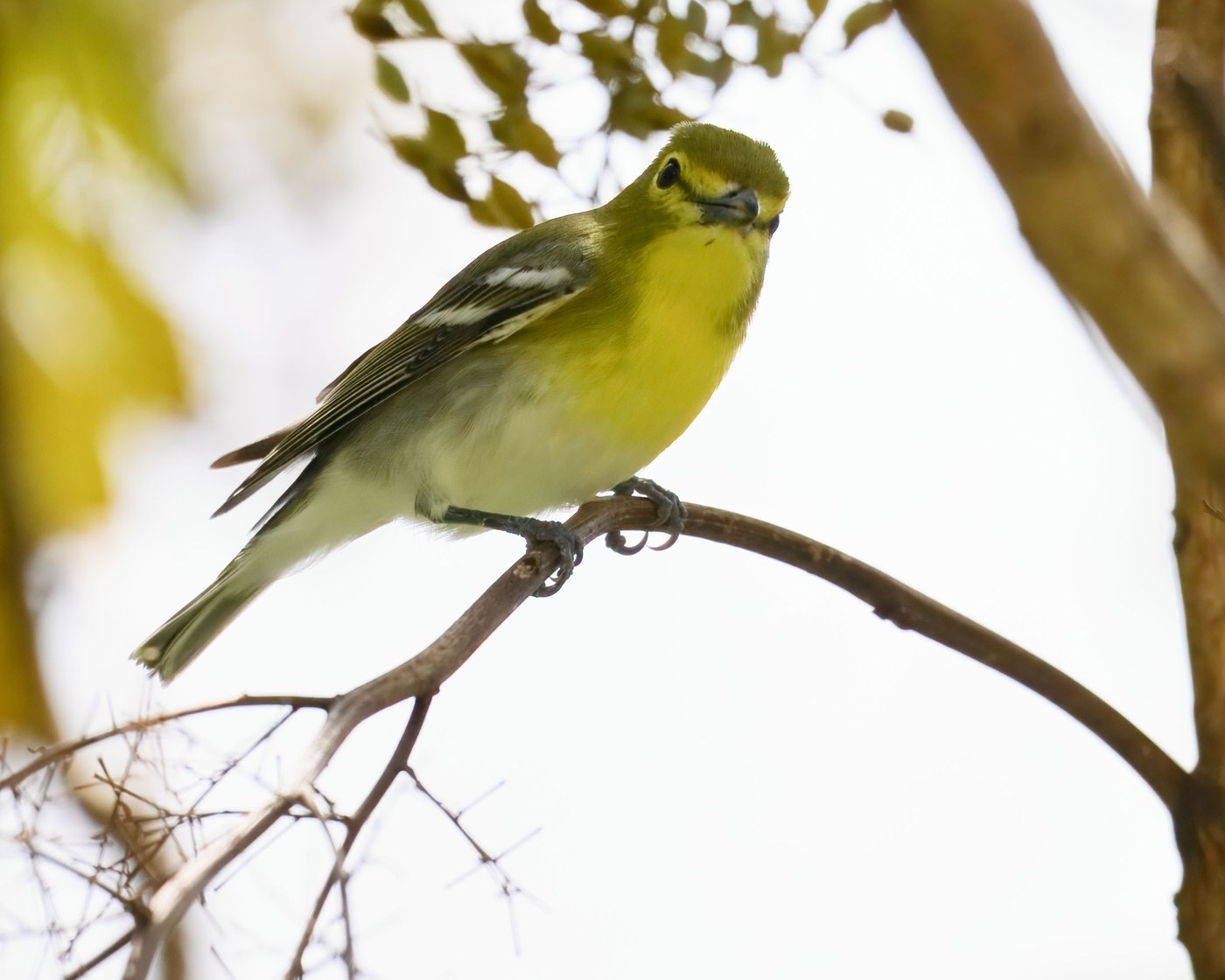
Yellow-throated Vireo
Bright yellow throat and spectacle feathers; olive-green back feathers; two white wing-bar feathers

Yellow-rumped Warbler
Small contour and flight feathers
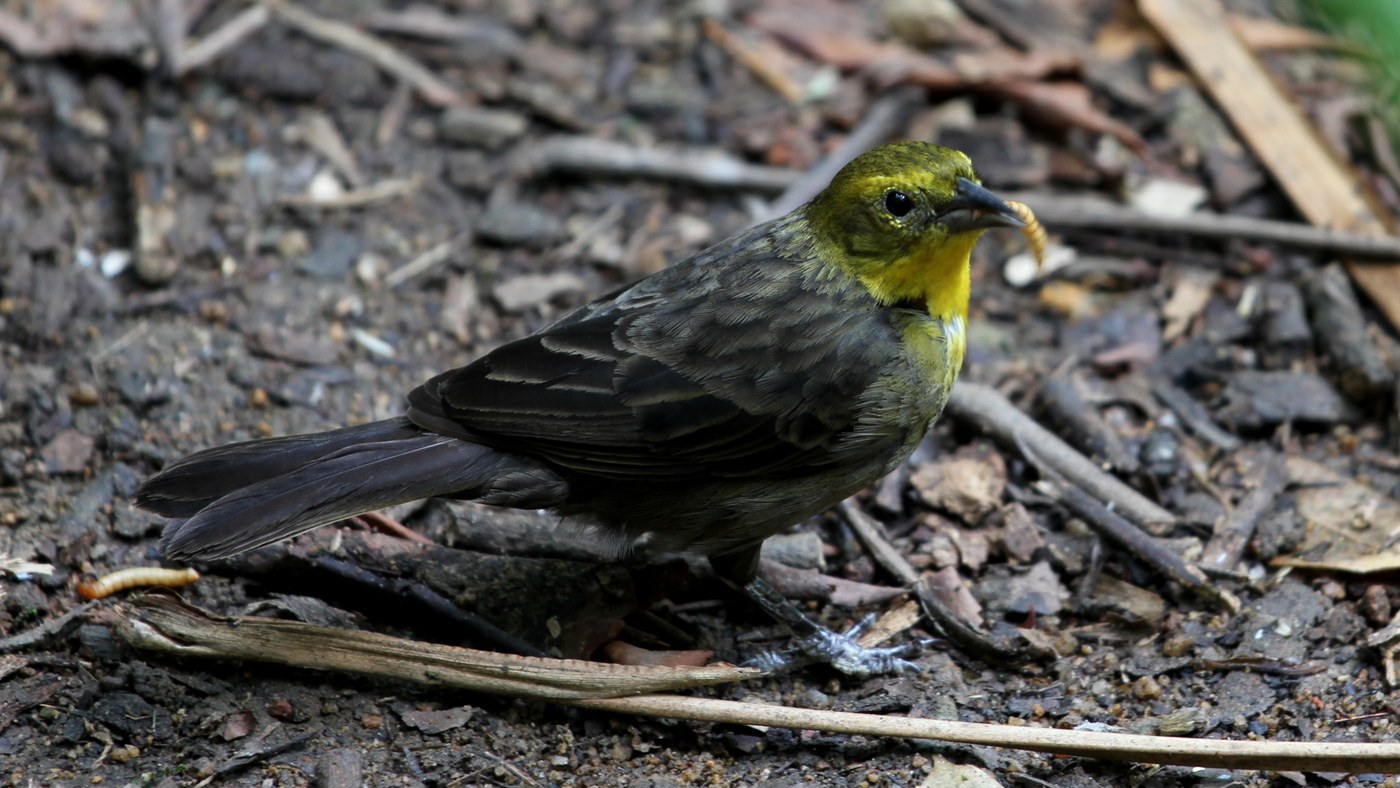
Yellow-hooded Blackbird
Contrasting hood and body feathers
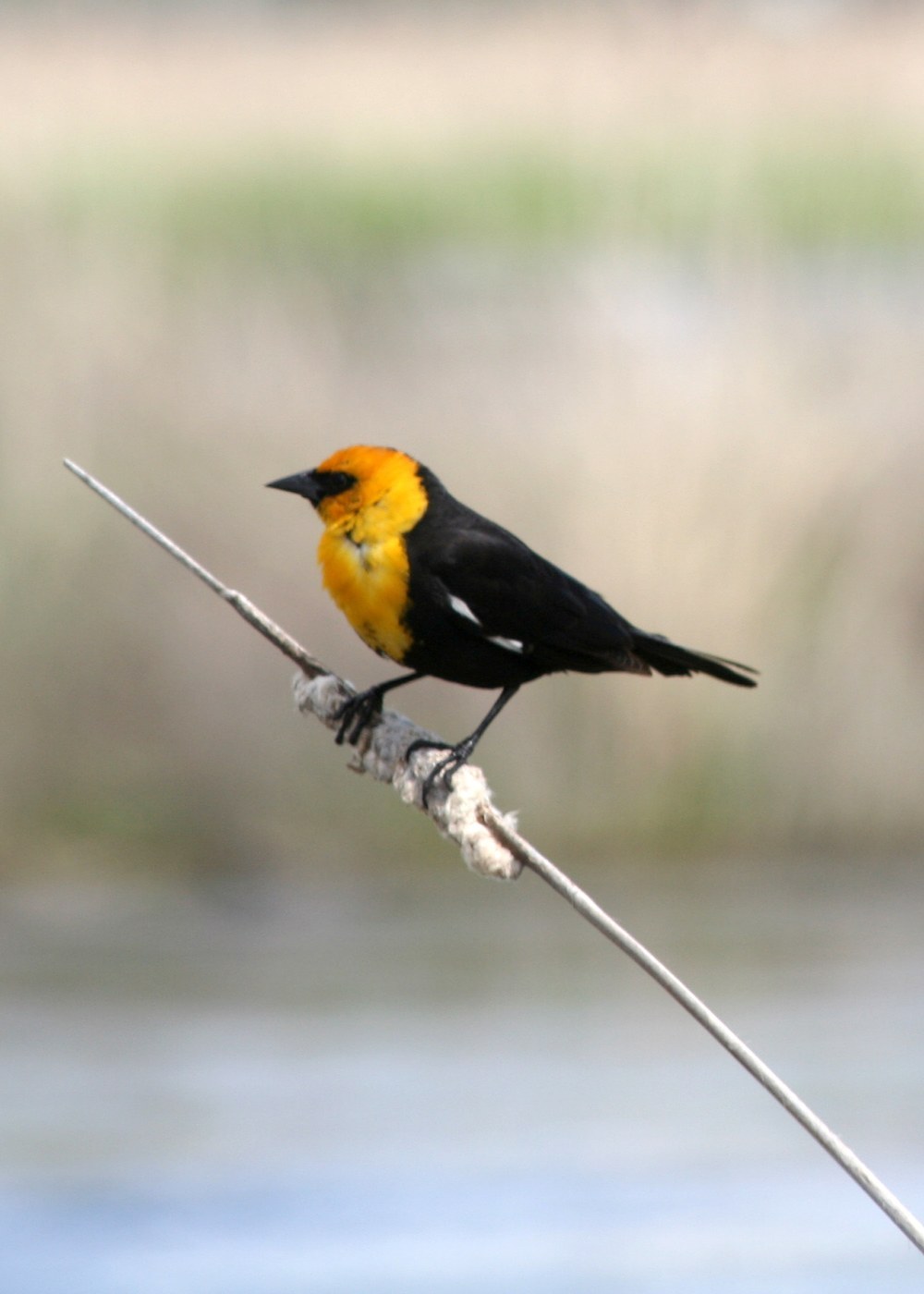
Yellow-headed Blackbird
Glossy black body plumage with a bright yellow head and breast

Yellow-eyed Junco
Contour and flight feathers

Yellow-fronted Canary
Small, smooth body plumage

Yellow-breasted Greenfinch
Compact, smooth body plumage