

Zenaida Dove
Zenaida aurita
A warm cinnamon-brown Caribbean dove closely related to the Mourning Dove, told apart by its shorter, rounded tail edged in white.
- Feather type
- Contour and flight feathers, faint iridescent sheen on neck
- Colours
- Warm cinnamon-brown with black-spotted wing coverts and white-tipped tail feathers
- Bird size
- Robin-to-dove-sized, ~25-28 cm
Found a feather like this?
Identify any feather from a photo, free.
Overview
The Zenaida Dove is a medium-sized dove found throughout the Caribbean islands and along parts of the Yucatan coast. It shares its genus with the familiar Mourning Dove of North America but has a stockier build and a shorter, more rounded tail. Overall coloration is a rich cinnamon to grayish-brown, with a pale forehead and a small black crescent below the eye. It is often seen walking on open ground in pairs or small groups, bobbing its head as it forages.
Identifying the Feather
- Wing coverts: warm cinnamon-brown with a scatter of small, discrete black spots, unlike the more uniformly patterned coverts of many Streptopelia doves
- Tail feathers: shorter and more rounded than the Mourning Dove's pointed tail, with white terminal bands visible on the outer feathers when fanned
- Body contour feathers: soft brownish-gray with a faint pinkish wash on the breast
- Flight feathers: dark brown primaries that contrast modestly with the paler coverts in flight
- Compare with the Mourning Dove, which shows a longer, more tapered tail and lacks the bold white tail-corner patches typical of Zenaida
Plumage & Molt
Sexes look similar, with males showing slightly brighter, more iridescent neck patches (pink-to-green sheen) than females. Juveniles are duller overall with buff-edged feathers giving a scaly look on the upperparts, which is lost after the first molt. Adults undergo a complete annual molt after breeding, gradually replacing flight feathers in sequence so the bird generally retains the ability to fly throughout.
Habitat & Range
Zenaida Doves inhabit dry scrub, coastal woodland, agricultural edges, and mangrove borders across the West Indies, with a small population on the Yucatan Peninsula. They are largely non-migratory residents, though some local movements occur in response to food availability and seasonal rainfall patterns.
Behavior & Field Notes
This dove forages mostly on the ground, walking with a steady, head-bobbing gait while picking at seeds and small fruits. Nests are simple platforms of twigs built low in shrubs or on the ground in some island populations. The voice is a soft, mournful cooing similar to other Zenaida doves. Field observers often note its tendency to freeze and rely on camouflage before flushing abruptly with a whir of wings.
Frequently asked questions
How can I tell a Zenaida Dove feather from a Mourning Dove feather?
Zenaida Dove tail feathers are shorter and more rounded with broader white tips, while Mourning Dove tail feathers are longer, more tapered, and show narrower white edging.
Do Zenaida Doves show iridescence?
Yes, a subtle pink-to-green sheen appears on the neck feathers, especially in good light, though it is far less pronounced than in true pigeons.
Are the sexes distinguishable by feather color?
Only subtly; males tend to show a slightly brighter neck sheen and warmer breast tone than females, but the difference is not always obvious in the field.
Where would I most likely find a molted feather?
Look in dry coastal scrub, garden edges, and open ground near thickets across Caribbean islands, where these doves spend most of their time foraging.
Zenaida Dove guides
In-depth guides for identifying and understanding Zenaida Dove.

Other feathers you may enjoy

Victoria Crowned Pigeon
Large lace-like fan crest plumes over dense body contour feathers

Plain Pigeon
Contour feathers, plain and uniformly toned, with a white wing patch

Pink Pigeon
Soft contour feathers with graduated tail

Nicobar Pigeon
Long, hackle-like elongated neck feathers with iridescent sheen
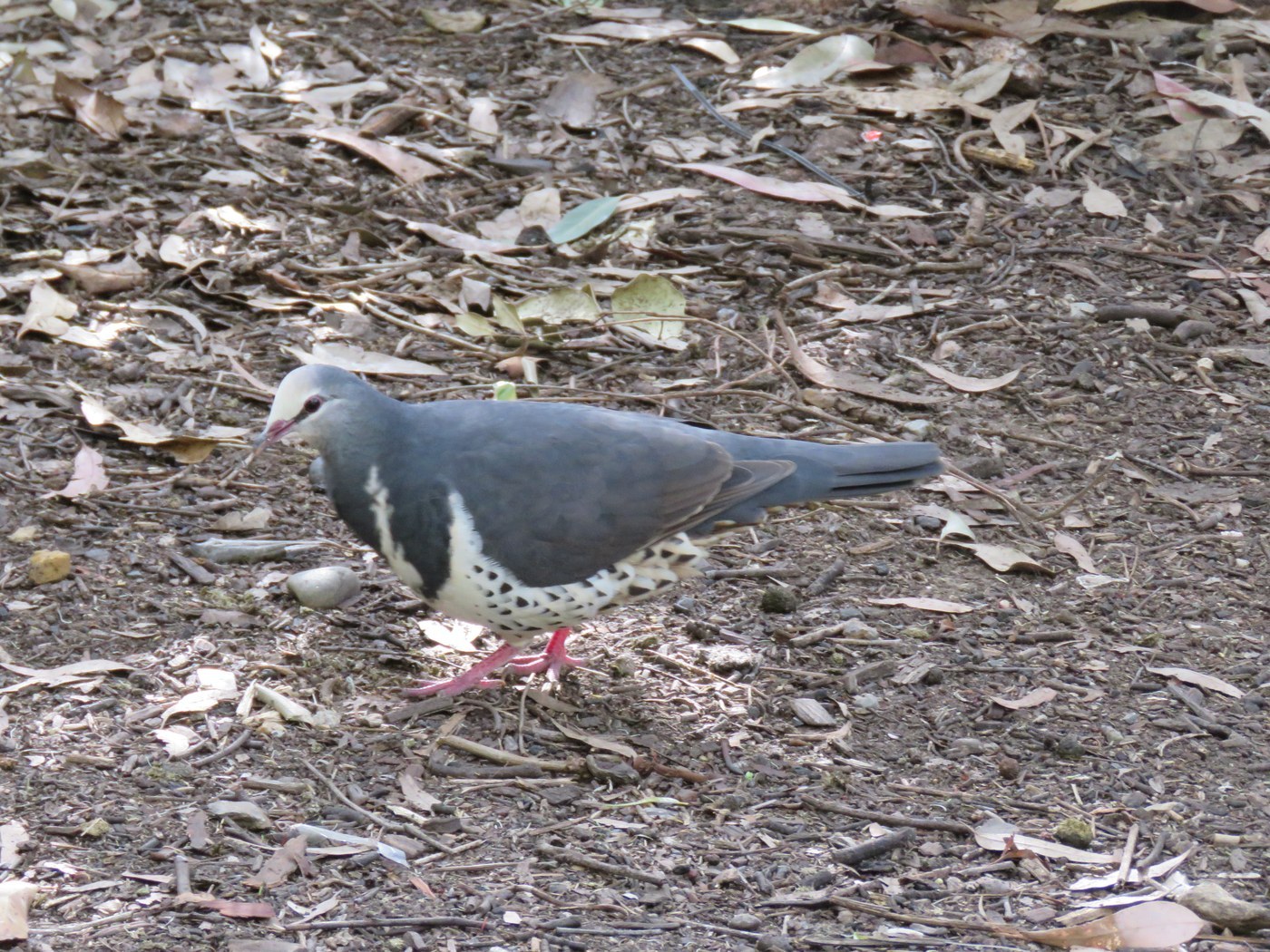
Wonga Pigeon
Dense, soft body contour feathers over a stocky frame

Squatter Pigeon
Dense, cryptic body contour feathers with a bold facial pattern

White-winged Dove
Broad, sturdy flight feathers with a bold white wing stripe

Western Crowned Pigeon
Rounded fan crest plumes over dense soft body feathers

Snow Pigeon
Dense insulating body contour feathers with a bold white rump and belly patch

Zebra Dove
Contour feathers with bold, extensive black-and-white barring

Scaly-naped Pigeon
Contour feathers with iridescent scaled nape pattern
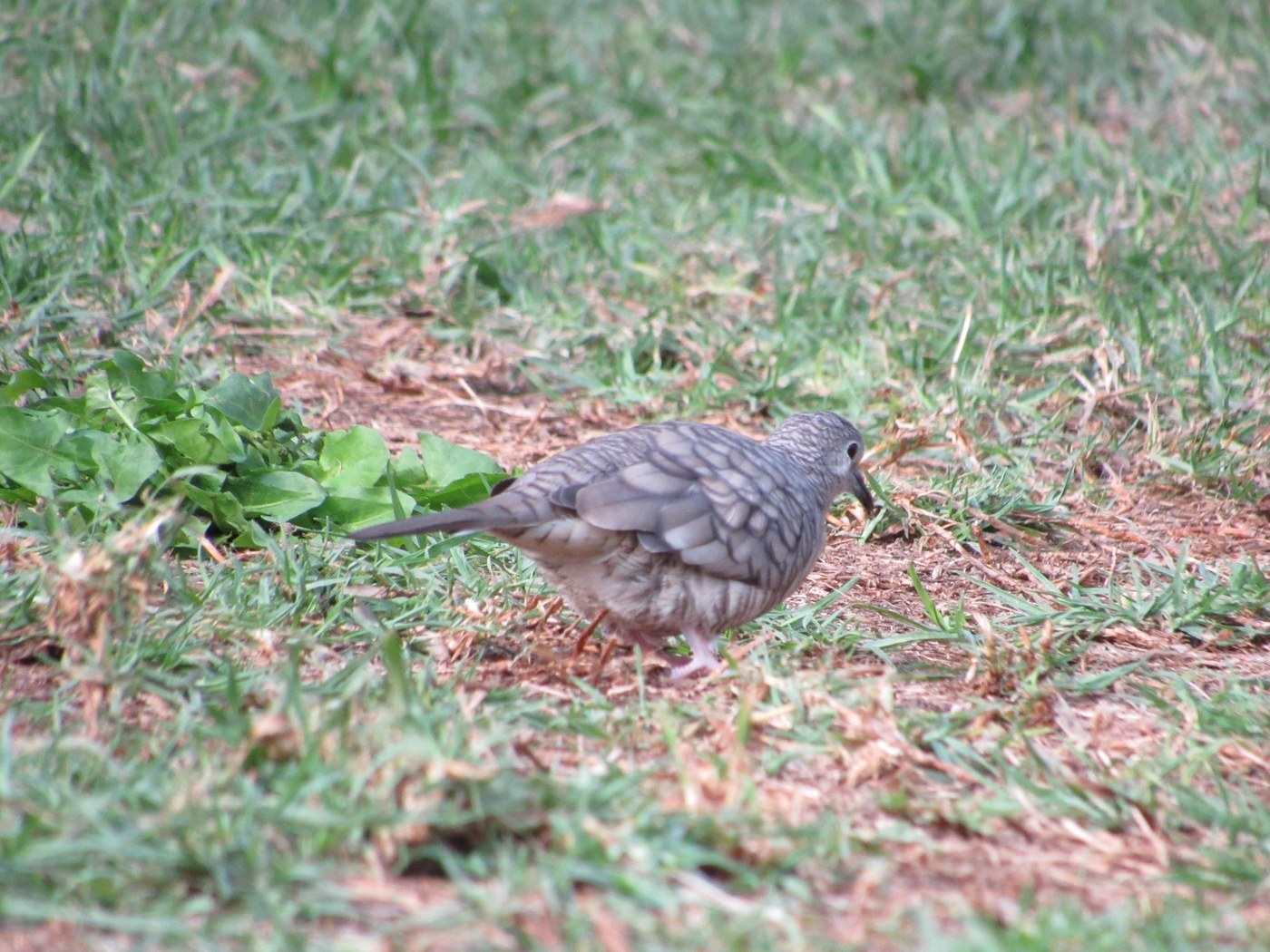
Scaled Dove
Contour feathers with dark scalloped edging