

African Scops Owl
Otus senegalensis
The African Scops Owl is a tiny, well-camouflaged owl of African savanna woodland, patterned in fine grey or rufous vermiculation that mimics tree bark.
- Feather type
- Small, cryptically patterned flight and body feathers with short ear tufts
- Colours
- Grey or rufous-brown with fine dark vermiculation resembling bark
- Bird size
- Small, roughly 15-18 cm
Found a feather like this?
Identify any feather from a photo, free.
Overview
The African Scops Owl is a diminutive owl widespread across savanna woodland and dry bushveld habitats of sub-Saharan Africa. Despite its small size, it is a familiar nocturnal presence, often detected by its soft, frog-like call before being seen roosting motionless against a tree trunk.
Its plumage occurs in grey and rufous-brown morphs, both finely vermiculated to blend seamlessly with bark, making daytime roosting spots very difficult to spot even at close range.
Because of its small size and cryptic pattern, feathers are correspondingly tiny and finely mottled, useful clues when combined with the savanna woodland habitat typical of this species.
Identifying the Feather
Shape and Size
Flight feathers are very small, typically 8-11 cm on primaries, among the smallest of the scops owls, with soft fringed edges.
Color and Pattern
- Grey or rufous-brown ground color with fine dark vermiculation and streaking
- Bark-mimicking mottled texture across back and wing feathers
- Underparts paler with fine dark shaft streaks
Shaft and Vane
Shafts are pale, thin, and delicate given the bird's small size; vanes are soft and finely textured.
Distinguishing from Similar Species
Its very small feather size helps separate it from most other African owls; within scops owls specifically, savanna woodland habitat and range across sub-Saharan Africa support identification alongside the fine vermiculated pattern.
Plumage & Molt
Adults occur in grey and rufous-brown morphs, both finely vermiculated to resemble bark, with a pale facial disc, short ear tufts, and yellow eyes.
Sexes look alike, with females slightly larger. Juveniles are downier with less defined pattern. Adults undergo a single annual molt, generally timed to local wet or dry season patterns.
Habitat & Range
This species is widespread across sub-Saharan Africa in savanna woodland, dry bushveld, and thornveld habitats, generally avoiding dense rainforest.
It is largely a non-migratory resident across its range, though some populations may shift locally with seasonal rainfall patterns.
Behavior & Field Notes
The African Scops Owl is nocturnal, roosting by day pressed upright against tree bark, relying almost entirely on camouflage rather than flight to avoid detection. It feeds on large insects and other invertebrates.
It nests in tree cavities. Its call is a soft, repeated frog-like croaking note. A tiny, finely mottled grey or rufous-brown feather found in African savanna woodland is consistent with this species.
Frequently asked questions
How small are African Scops Owl feathers?
Very small, with primaries often under 11 cm, reflecting the species' status as one of the tiniest African owls.
What does this owl's call sound like?
A soft, repeated croaking note often mistaken for a frog or insect call.
Where is this species found?
Across sub-Saharan Africa in savanna woodland and dry bushveld habitats.
How does it avoid predators during the day?
It roosts upright and motionless against tree bark, relying on its vermiculated plumage for camouflage rather than fleeing.
African Scops Owl guides
In-depth guides for identifying and understanding African Scops Owl.

African Scops Owl identified by the community
Real feathers identified with Feather Identifier.

Other feathers you may enjoy

Tawny Owl
Wing (flight) and body (contour) feathers
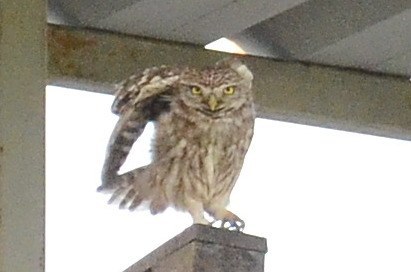
Little Owl
Wing and body feathers

Balsas Screech-Owl
Small ear-tuft feathers; soft, finely vermiculated body feathers

Blakiston's Fish Owl
Massive flight feathers with looser structure; shaggy body plumage; prominent ear-tuft feathers

Barn Owl
Wing and facial-disc feathers
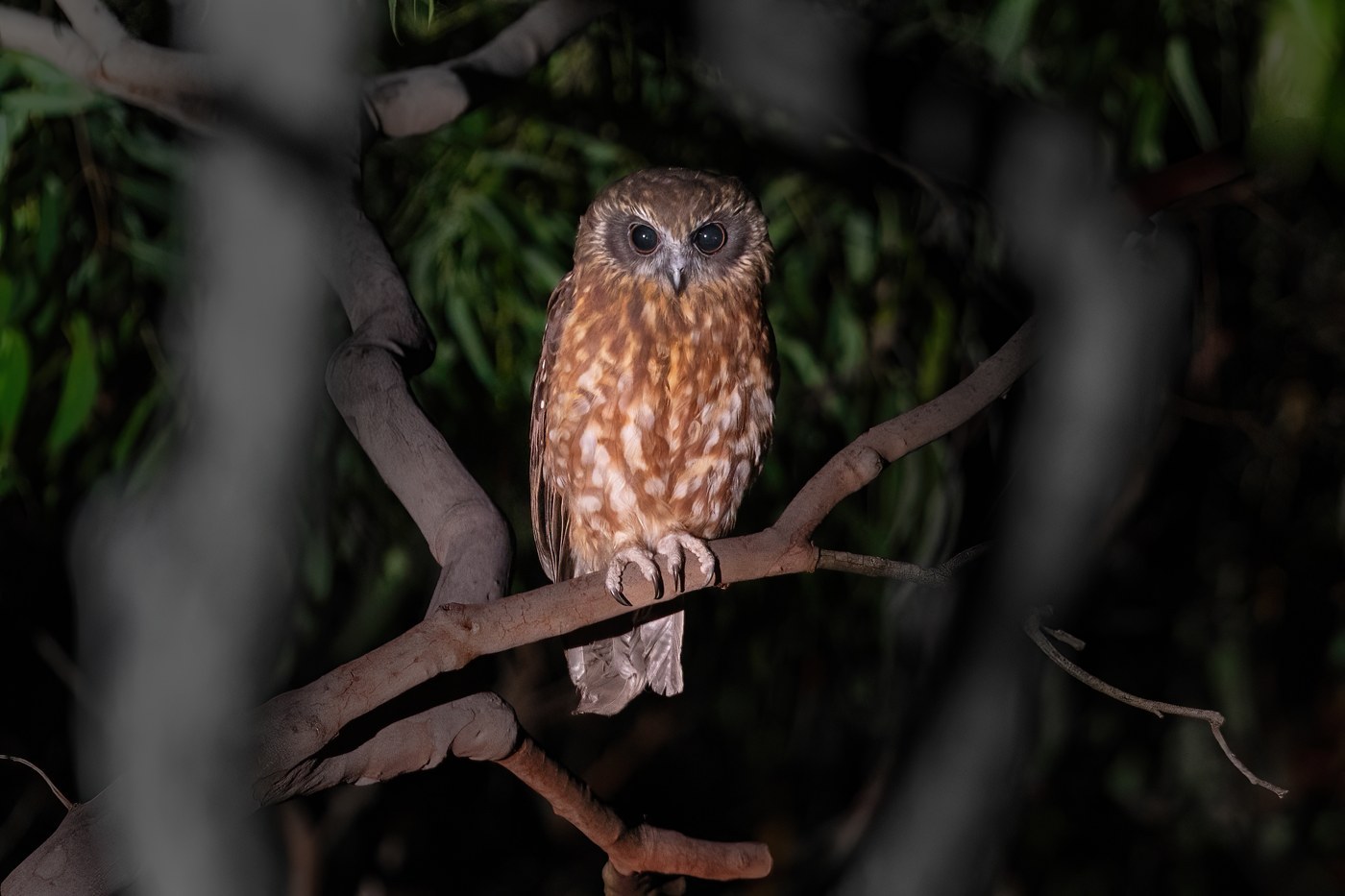
Southern Boobook
Rounded flight feathers; banded tail; spotted body plumage

Sooty Owl
Broad soft-edged flight feathers; heart-shaped facial disc feathers; finely speckled body plumage

Short-eared Owl
Broad soft-fringed flight feathers; streaked body feathers; tiny, rarely visible ear tufts

Stygian Owl
Dark, mottled flight and body feathers with long, closely-set ear tufts
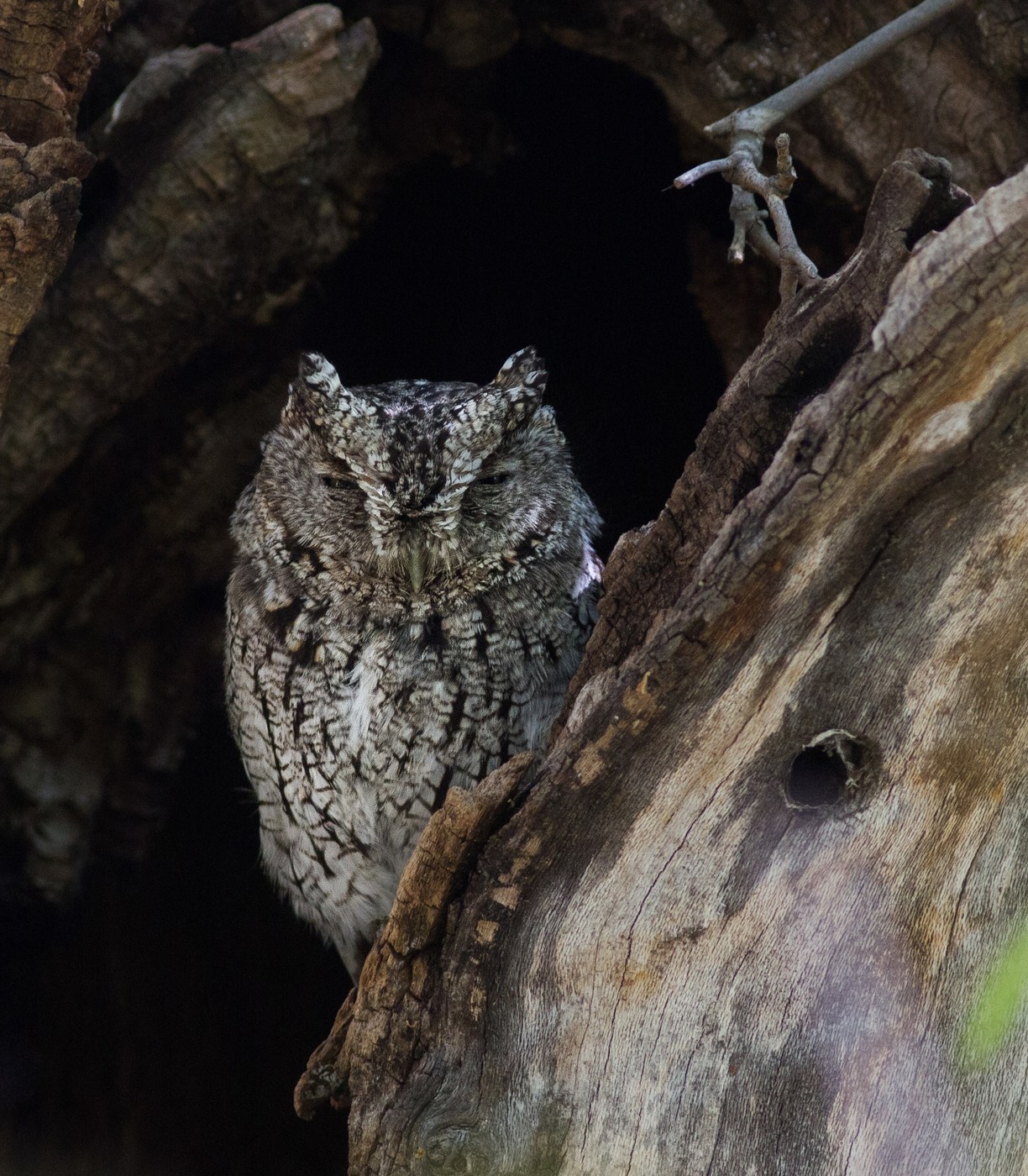
Whiskered Screech-Owl
Small soft-fringed flight feathers; finely mottled body feathers; short ear tufts
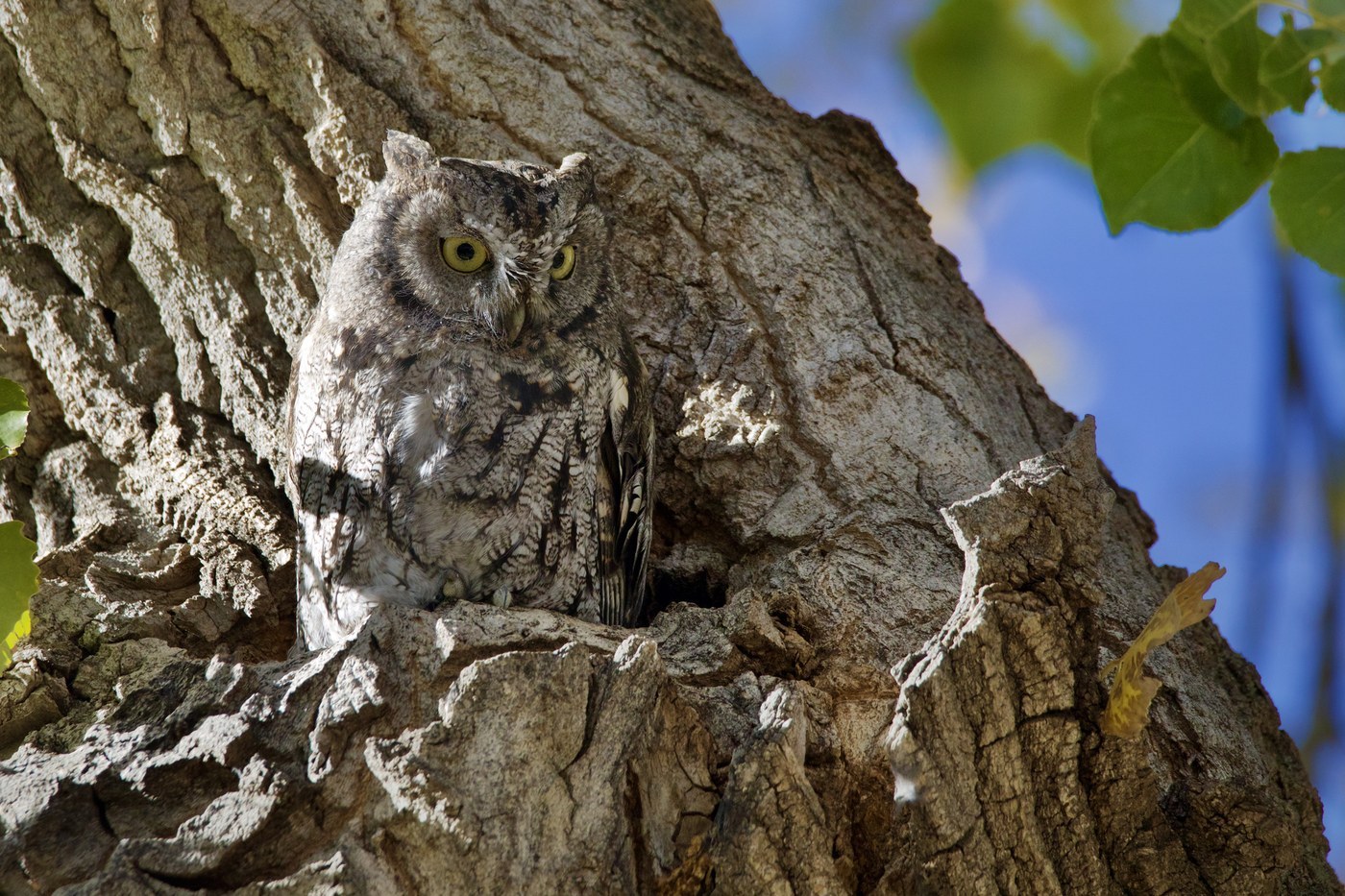
Western Screech-Owl
Small soft-fringed flight feathers; cryptic mottled/streaked body feathers; short ear tufts

White-faced Scops Owl
Small to medium flight feathers with a distinctive whitish facial disc and long ear-tuft plumes