

Spotted Owl
Strix occidentalis
An old-growth forest specialist of western North America, dark brown overall with distinctive rounded white spotting across its plumage, dependent on structurally complex mature forest.
- Feather type
- Soft-fringed flight feathers; spotted body feathers
- Colours
- Dark brown with rounded white spots across the head, back and underparts
- Bird size
- Large, ~43-48 cm
Found a feather like this?
Identify any feather from a photo, free.
Overview
The Spotted Owl is a large, non-eared owl closely tied to old-growth and mature coniferous forest in the western United States and Mexico, split into distinct northern, California, and Mexican subspecies. It has become a well-known symbol of old-growth forest conservation debates.
Its plumage is dark chocolate-brown overall, marked with numerous rounded white spots across the head, back, wings, and underparts, giving it a heavily spotted rather than barred or streaked appearance.
Its feathers share the soft, fringed structure typical of forest owls for silent flight, and the species faces conservation pressure both from habitat loss and from range expansion of the closely related Barred Owl.
Identifying the Feather
Recognizing the feathers
- Body feathers are dark brown marked with numerous small, rounded white spots across the crown, nape, back, and underparts - a genuinely spotted pattern rather than barred or streaked.
- Underside feathers show white spotting continuing onto the belly, distinct from the vertical streaking of the Barred Owl.
- Flight feathers are broad with soft, fringed edges typical of forest owls.
- Overall tone is darker and richer brown than the greyer-brown Barred Owl.
Similar species
- Distinguished from the closely related Barred Owl by white spotting throughout rather than horizontal chest barring transitioning to vertical belly streaking; darker overall tone than Barred Owl.
Plumage & Molt
Plumage
Adults are dark brown overall, densely marked with rounded white spots on the head, back, and underparts, with dark eyes and a plain brownish facial disc. Sexes look alike, with females slightly larger.
Juveniles show a downier, more diffusely marked plumage before acquiring the adult spotted pattern.
Molt occurs gradually over summer, with flight feathers replaced in sequence.
Habitat & Range
Habitat & range
Restricted to old-growth and mature coniferous and mixed forest in the western United States (Pacific Northwest, California) and parts of Mexico, requiring structurally complex forest with large trees and multi-layered canopy.
It is largely non-migratory, holding stable territories, though some populations may shift locally with prey availability or habitat disturbance.
Behavior & Field Notes
Behavior & field notes
Hunts nocturnally for small mammals, particularly flying squirrels and woodrats depending on region, typically from a perch within dense forest.
Its calls include a series of soft hoots, quite different from the more emphatic call pattern of the Barred Owl.
A dark brown feather covered in rounded white spots, found within old-growth conifer forest in the western United States, is a strong indicator of this species, though care should be taken given range overlap and similarity with Barred Owl.
Frequently asked questions
How can I tell a Spotted Owl feather from a Barred Owl feather?
Spotted Owl feathers show rounded white spots throughout, while Barred Owl feathers show horizontal chest barring changing to vertical belly streaking.
What habitat is most associated with this species?
Old-growth and mature coniferous forest in the western United States and Mexico.
Why is this species a conservation concern?
It depends on old-growth forest habitat that has been reduced by logging, and faces competition from the range-expanding Barred Owl.
Does this owl have ear tufts?
No, like other Strix owls it has a rounded head without ear tufts.
Spotted Owl guides
In-depth guides for identifying and understanding Spotted Owl.

Other feathers you may enjoy

Tawny Owl
Wing (flight) and body (contour) feathers
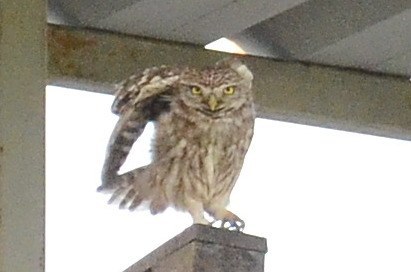
Little Owl
Wing and body feathers

Balsas Screech-Owl
Small ear-tuft feathers; soft, finely vermiculated body feathers

Blakiston's Fish Owl
Massive flight feathers with looser structure; shaggy body plumage; prominent ear-tuft feathers

Barn Owl
Wing and facial-disc feathers
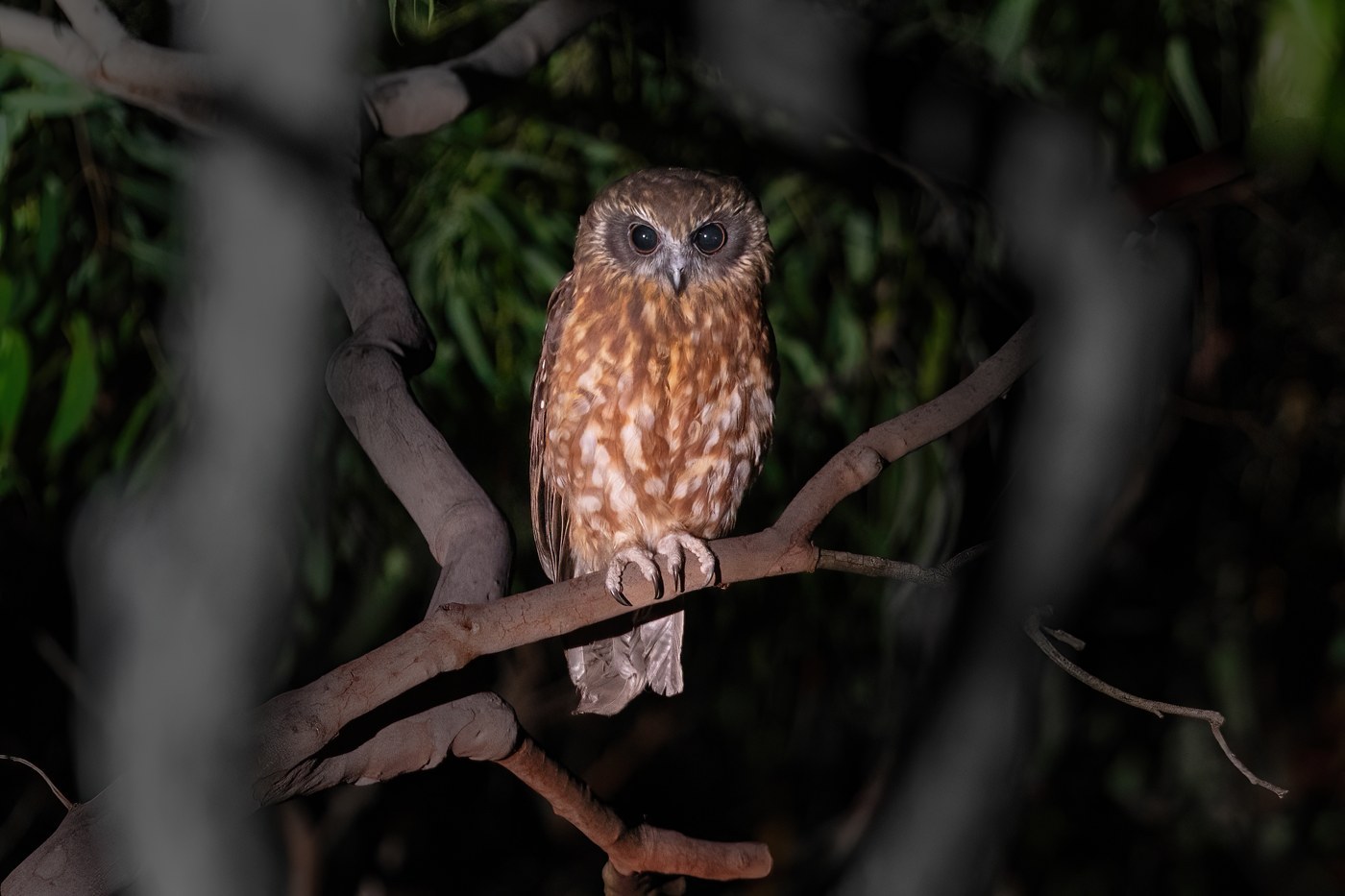
Southern Boobook
Rounded flight feathers; banded tail; spotted body plumage

Sooty Owl
Broad soft-edged flight feathers; heart-shaped facial disc feathers; finely speckled body plumage

Short-eared Owl
Broad soft-fringed flight feathers; streaked body feathers; tiny, rarely visible ear tufts

Stygian Owl
Dark, mottled flight and body feathers with long, closely-set ear tufts
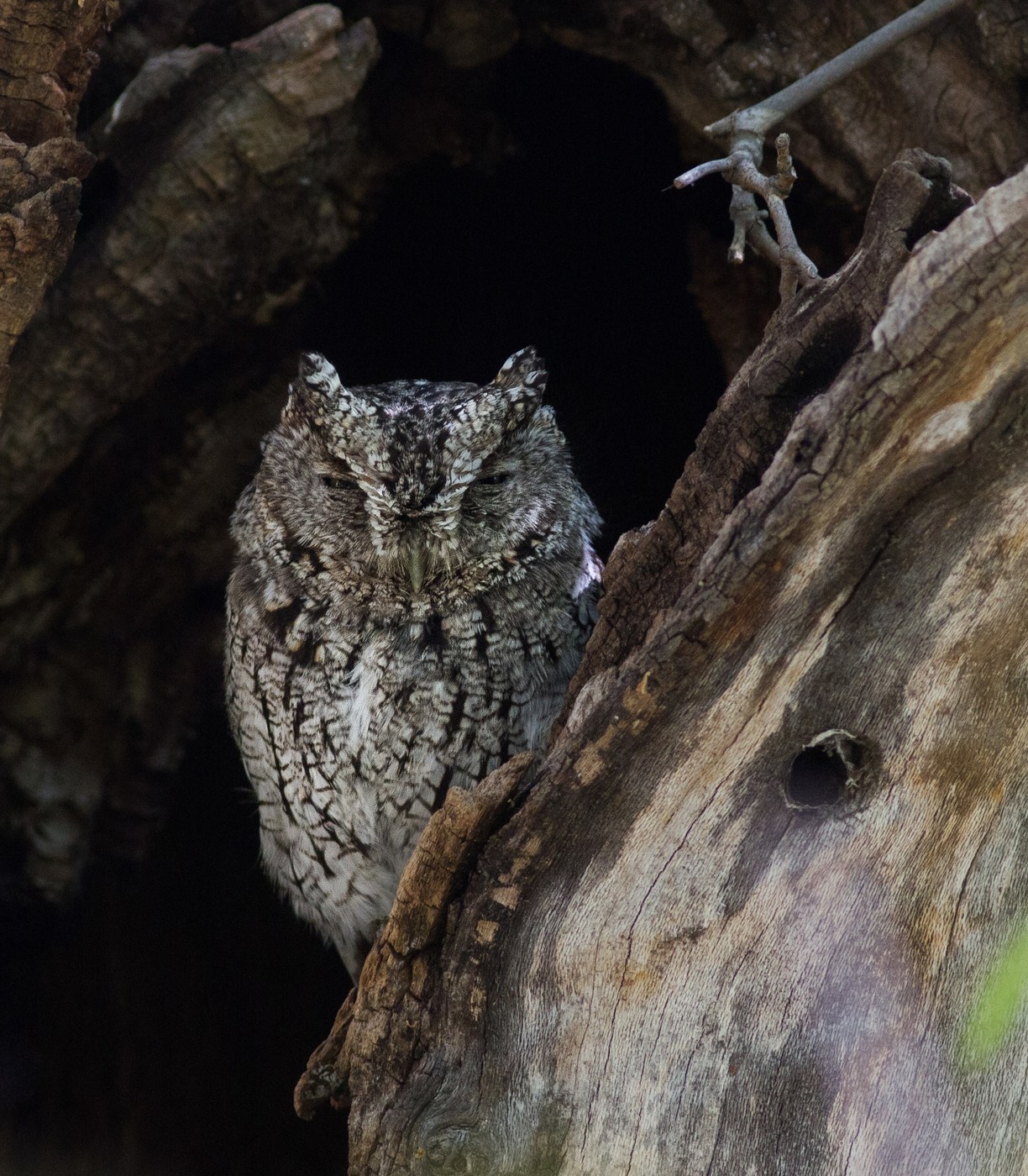
Whiskered Screech-Owl
Small soft-fringed flight feathers; finely mottled body feathers; short ear tufts
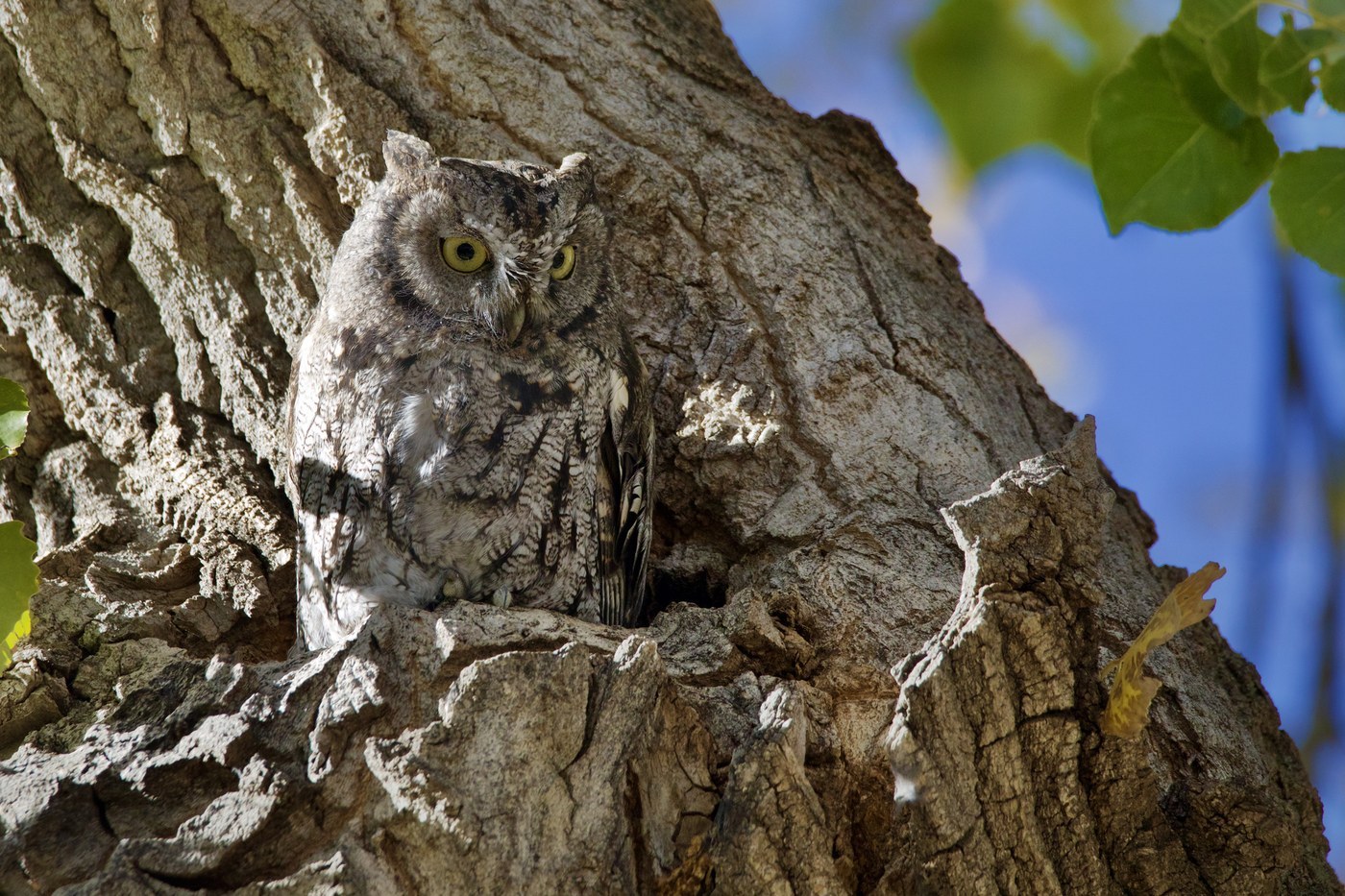
Western Screech-Owl
Small soft-fringed flight feathers; cryptic mottled/streaked body feathers; short ear tufts

White-faced Scops Owl
Small to medium flight feathers with a distinctive whitish facial disc and long ear-tuft plumes