

Verreaux's Eagle-Owl
Bubo lacteus
Africa's largest owl, a pale gray giant of savanna and riverine woodland, instantly recognizable in life by its bare pink eyelids, with correspondingly oversized, finely patterned feathers.
- Feather type
- Very large flight and tail feathers; dense soft body plumage; broad ear-tuft feathers
- Colours
- Pale grayish-white finely vermiculated plumage with distinctive pink eyelids on the living bird
- Bird size
- Very large, ~60-66 cm
Found a feather like this?
Identify any feather from a photo, free.
Overview
Verreaux's Eagle-Owl, also called the Milky Eagle-Owl, is the largest owl species in Africa, a powerful predator of savanna woodland, riverine forest, and semi-arid bushveld across the sub-Saharan region. Its huge size and pale, milky-gray plumage set it apart from Africa's other eagle-owls.
In life this species is best known for its striking bare pink eyelids, visible when the bird blinks, a feature unique among African owls. Its feathers, correspondingly, are large and finely patterned in soft grays, useful for identifying a molted feather by sheer scale alone.
It favors tall trees along rivers and in open woodland for roosting and nesting, often reusing the old stick nests of large raptors such as eagles or hamerkops rather than building its own.
Identifying the Feather
Size and shape
Among the largest owl feathers in Africa, with primaries and tail feathers reaching considerable length, reflecting a bird up to 66 cm long with a wingspan approaching 2 meters. Ear-tuft feathers are broad and prominent.
Color and pattern
- Ground color is pale grayish-white to milky gray, with fine, delicate dark vermiculations (wavy fine barring) throughout rather than bold bars or spots.
- Flight feathers show broader, soft dark barring against the pale gray ground.
- Underparts feathers are paler still, with fine gray vermiculation and little contrast.
- Shafts are pale grayish-white.
Distinguishing from similar species
Compared to the Spotted Eagle-Owl, Verreaux's Eagle-Owl feathers are notably larger, paler, and more uniformly grayish-white with finer vermiculation rather than bold dark spotting and blotching. Sheer size is often the fastest clue given this species is Africa's largest owl.
Plumage & Molt
Adults are pale grayish-white overall with fine dark vermiculations, appearing paler and softer than other African eagle-owls. Prominent ear tufts are present, and the facial disc is whitish with a dark rim. Sexes look alike in plumage, though females are somewhat larger. Juveniles are similarly pale but softer and downier. Molt follows breeding on an extended annual cycle typical of large owls, with flight feathers replaced gradually to maintain flight capability.
Habitat & Range
This species occupies savanna woodland, riverine forest, and semi-arid bushveld across much of sub-Saharan Africa, from the Sahel south to South Africa, generally avoiding dense rainforest and true desert. It is largely resident, with adults holding large territories year-round.
Behavior & Field Notes
Verreaux's Eagle-Owl is a powerful nocturnal predator taking a wide range of prey including mammals, birds, and reptiles, hunting from a still perch and dropping onto prey below. It typically nests in the disused stick nests of other large birds, such as eagles, storks, or hamerkops, rather than building its own. Its call is a deep, resonant series of grunting or booming notes, often given in duet. When identifying a feather, look for the exceptionally large size paired with a pale, milky-gray, finely vermiculated pattern rather than bold dark spotting.
Frequently asked questions
What makes Verreaux's Eagle-Owl unique among African owls?
It is Africa's largest owl and, in life, has distinctive bare pink eyelids, a feature not shared by other eagle-owls on the continent.
How can I tell this species' feathers from a Spotted Eagle-Owl's?
Verreaux's Eagle-Owl feathers are noticeably larger and paler, showing fine grayish-white vermiculation rather than the bolder dark spots and blotches typical of Spotted Eagle-Owl feathers.
Does Verreaux's Eagle-Owl build its own nest?
No, it typically uses the abandoned stick nests of other large birds such as eagles, storks, or hamerkops rather than constructing a nest of its own.
Where in Africa is this owl found?
It occurs across much of sub-Saharan Africa in savanna woodland and riverine forest, generally avoiding dense rainforest and true desert.
Verreaux's Eagle-Owl guides
In-depth guides for identifying and understanding Verreaux's Eagle-Owl.

Other feathers you may enjoy

Tawny Owl
Wing (flight) and body (contour) feathers
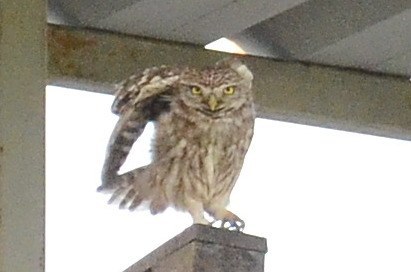
Little Owl
Wing and body feathers

Balsas Screech-Owl
Small ear-tuft feathers; soft, finely vermiculated body feathers

Blakiston's Fish Owl
Massive flight feathers with looser structure; shaggy body plumage; prominent ear-tuft feathers

Barn Owl
Wing and facial-disc feathers
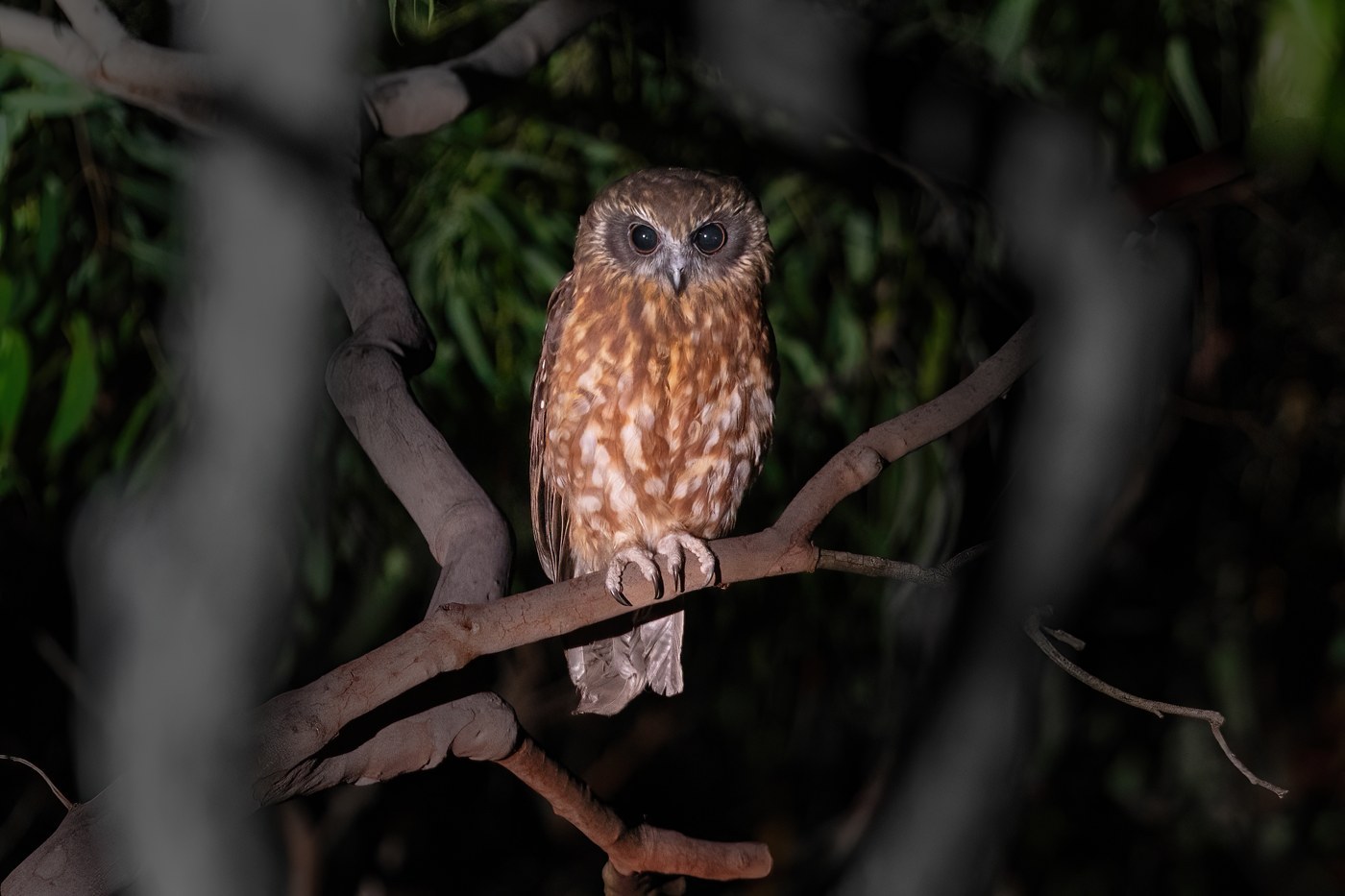
Southern Boobook
Rounded flight feathers; banded tail; spotted body plumage

Sooty Owl
Broad soft-edged flight feathers; heart-shaped facial disc feathers; finely speckled body plumage

Short-eared Owl
Broad soft-fringed flight feathers; streaked body feathers; tiny, rarely visible ear tufts

Stygian Owl
Dark, mottled flight and body feathers with long, closely-set ear tufts
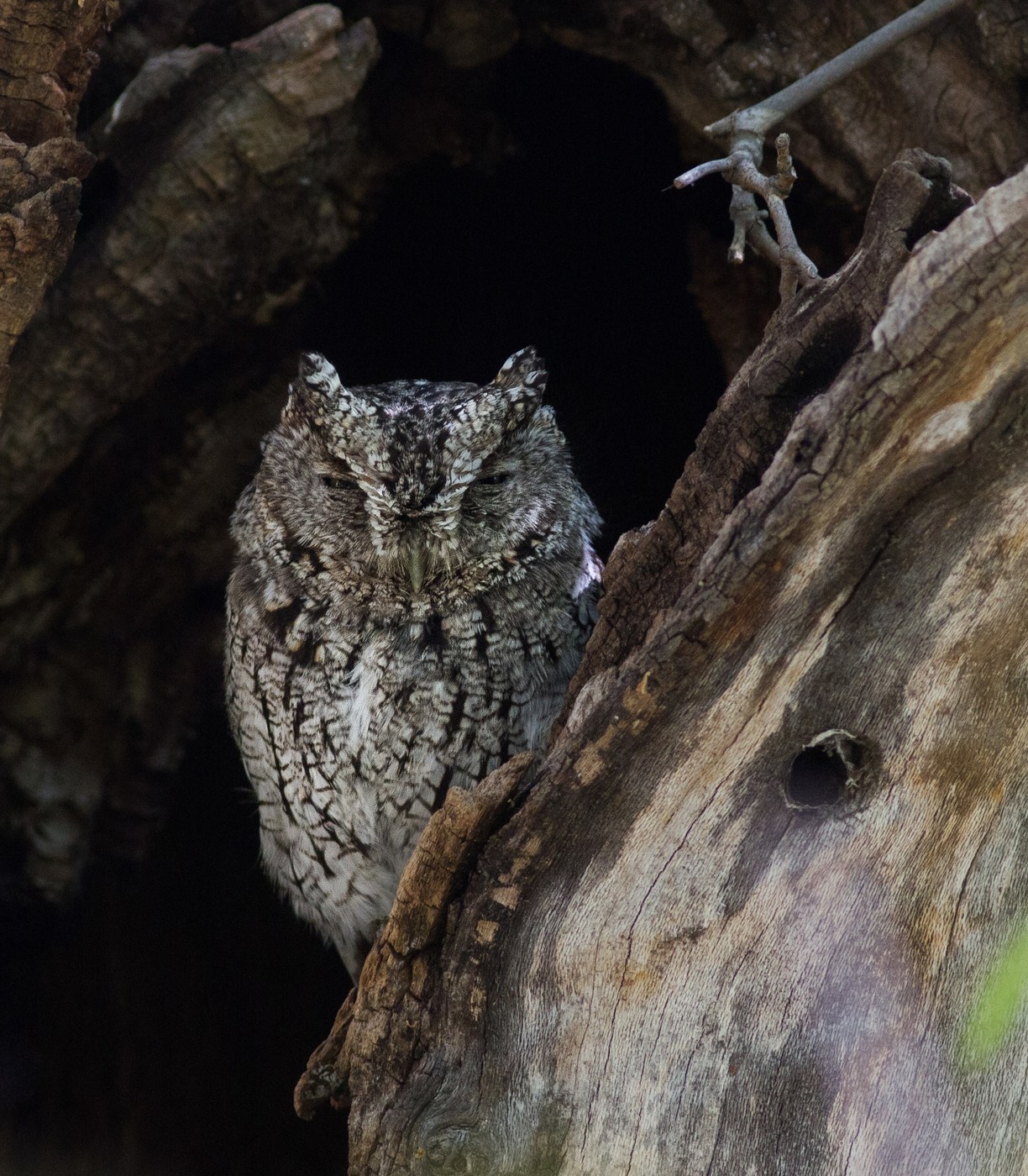
Whiskered Screech-Owl
Small soft-fringed flight feathers; finely mottled body feathers; short ear tufts
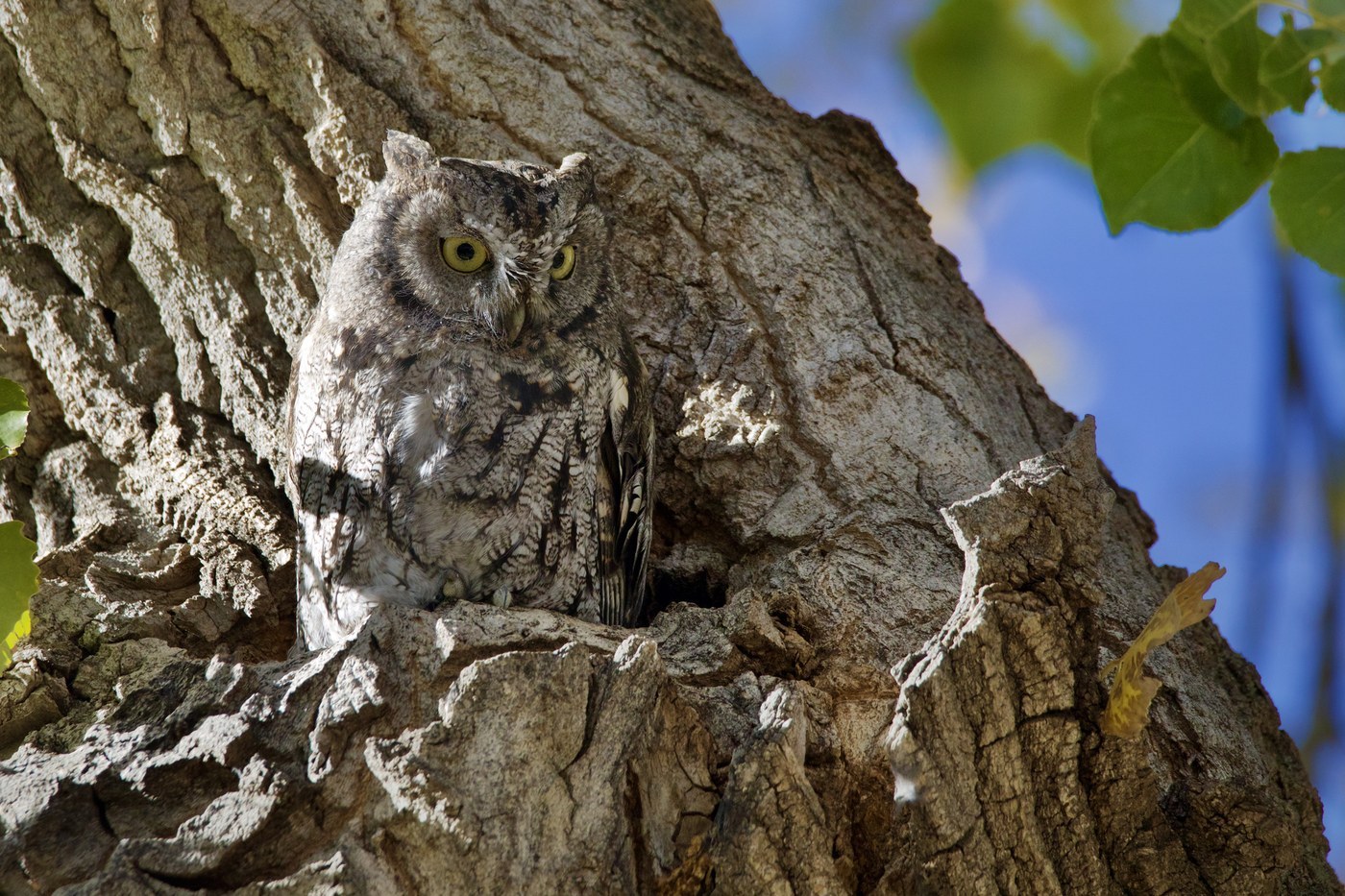
Western Screech-Owl
Small soft-fringed flight feathers; cryptic mottled/streaked body feathers; short ear tufts

White-faced Scops Owl
Small to medium flight feathers with a distinctive whitish facial disc and long ear-tuft plumes