

American Avocet
Recurvirostra americana
An elegant black-and-white wader with a distinctive upturned bill, showing a rusty cinnamon head and neck in breeding season.
- Feather type
- Contour and flight feathers
- Colours
- Black, white, and rufous-cinnamon (breeding)
- Bird size
- Large elegant wader, ~43-47 cm
Found a feather like this?
Identify any feather from a photo, free.
Overview
Overview
The American Avocet is a tall, graceful shorebird known for its slender upturned bill and bold black-and-white wing pattern. In breeding plumage its head and neck take on a warm cinnamon-rufous wash, replaced by pale gray in the non-breeding season. Long blue-gray legs and a striking silhouette make this species one of the easiest waders to recognize.
Avocets forage by sweeping their upcurved bills side to side through shallow water, a distinctive feeding method that sets them apart from most other shorebirds.
Identifying the Feather
Feather Identification
- Wing pattern: Bold black-and-white design on the folded wing, with black outer primaries and a broad white band across the inner wing formed by white secondaries and covert edges.
- Body feathers: White underparts and flanks with no streaking; back feathers show black-and-white striping formed by black scapular stripes against a white back.
- Head/neck coloring: Breeding feathers on the head and neck are washed cinnamon-rufous; in non-breeding birds these same feathers appear pale gray-white, so a rusty-headed feather points to breeding season.
- Shaft and shape: Flight feathers are stiff with dark shafts; body feathers are soft with fine white fluffy bases.
- Compared to similar species: The black scapular stripes and white wing patch distinguish it from the Pied Avocet, which shows a black cap and nape rather than a cinnamon wash.
Plumage & Molt
Plumage Notes
Breeding adults show a rich cinnamon-rufous head and neck contrasting with the black-and-white body and wings; this coloring fades to pale gray-white after the late-summer molt into non-breeding plumage. Males and females look similar, though the female's bill tends to be shorter and more strongly recurved. Juveniles resemble non-breeding adults but with a buffier wash on the head and less crisp wing markings until their first full molt.
Habitat & Range
Habitat & Range
American Avocets breed on alkaline lakes, prairie marshes, and shallow wetlands across the western and central interior of North America, wintering along coastal mudflats, estuaries, and salt marshes from the southern United States to Central America. Most populations are migratory, moving seasonally between inland breeding grounds and coastal wintering areas.
Behavior & Field Notes
Behavior & Field Notes
Avocets feed by sweeping their upturned bills side to side through shallow water and soft mud, detecting small invertebrates by touch. They often forage in loose groups, sometimes wading up to their bellies or swimming briefly. Nesting occurs on the ground near water, often in loose colonies, with both parents sharing incubation. Their calls include sharp, repeated "kleep" notes given in alarm when a nest or chick is threatened.
Frequently asked questions
What color is an American Avocet feather?
Body and wing feathers are black and white in a bold pattern; head and neck feathers turn cinnamon-rufous in breeding season and pale gray in winter.
How do I tell breeding from non-breeding avocet feathers?
A rusty cinnamon tone on head/neck feathers indicates breeding plumage, while pale gray-white feathers in the same area indicate non-breeding season.
Is the American Avocet feather pattern similar to the Pied Avocet?
Both share black-and-white wings, but the American Avocet lacks the black cap and nape of the Pied Avocet and instead shows a rufous wash when breeding.
Where might I find an American Avocet feather?
Search near alkaline lakes and prairie wetlands inland, or coastal mudflats and salt marshes during the non-breeding season.
American Avocet guides
In-depth guides for identifying and understanding American Avocet.

Other feathers you may enjoy
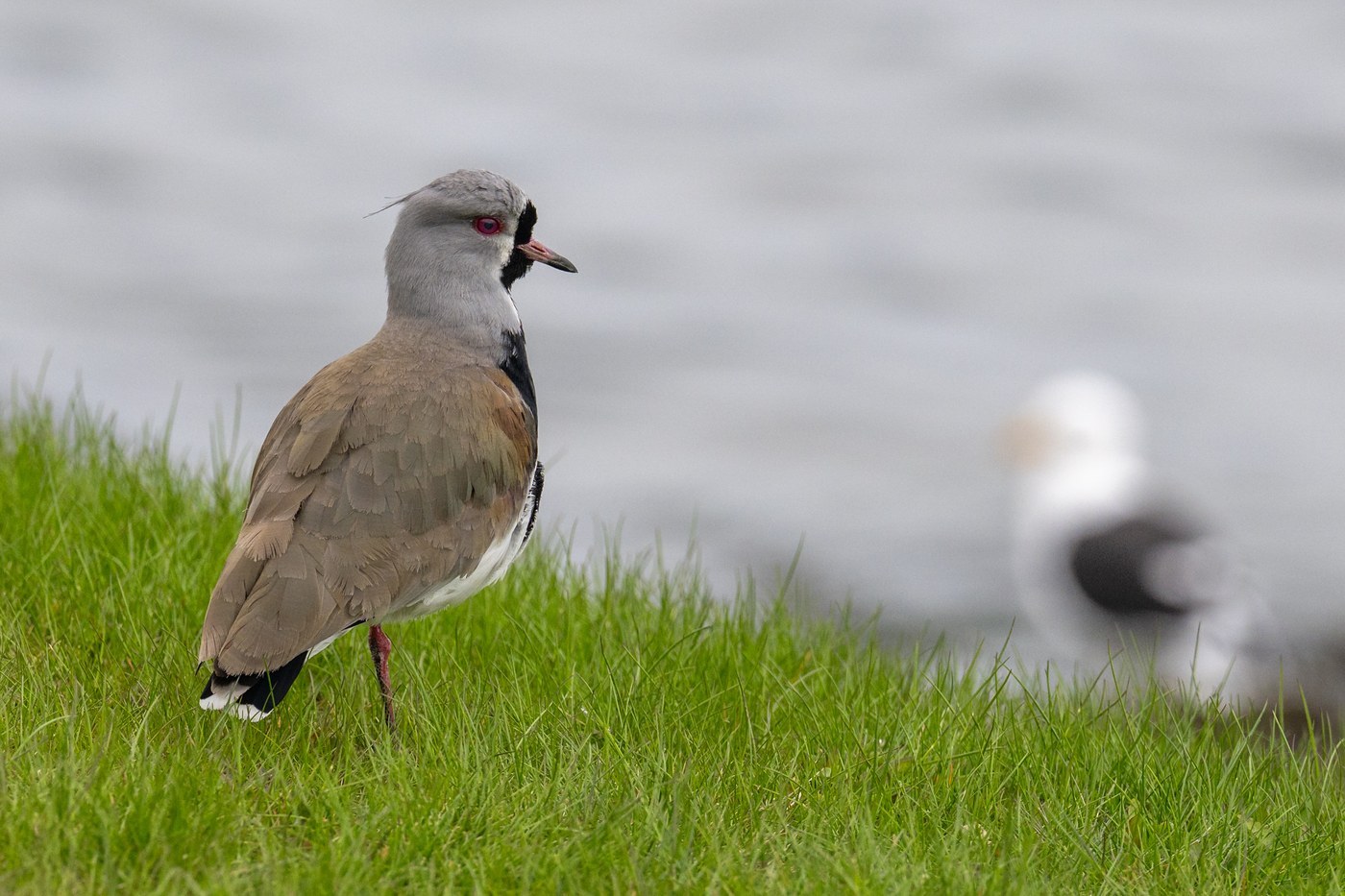
Southern Lapwing
Body, flight, and tail feathers

Jack Snipe
Body and flight feathers

Far Eastern Curlew
Body, flight, and tail feathers

Terek Sandpiper
Body and flight feathers

Wilson's Phalarope
Body and flight feathers
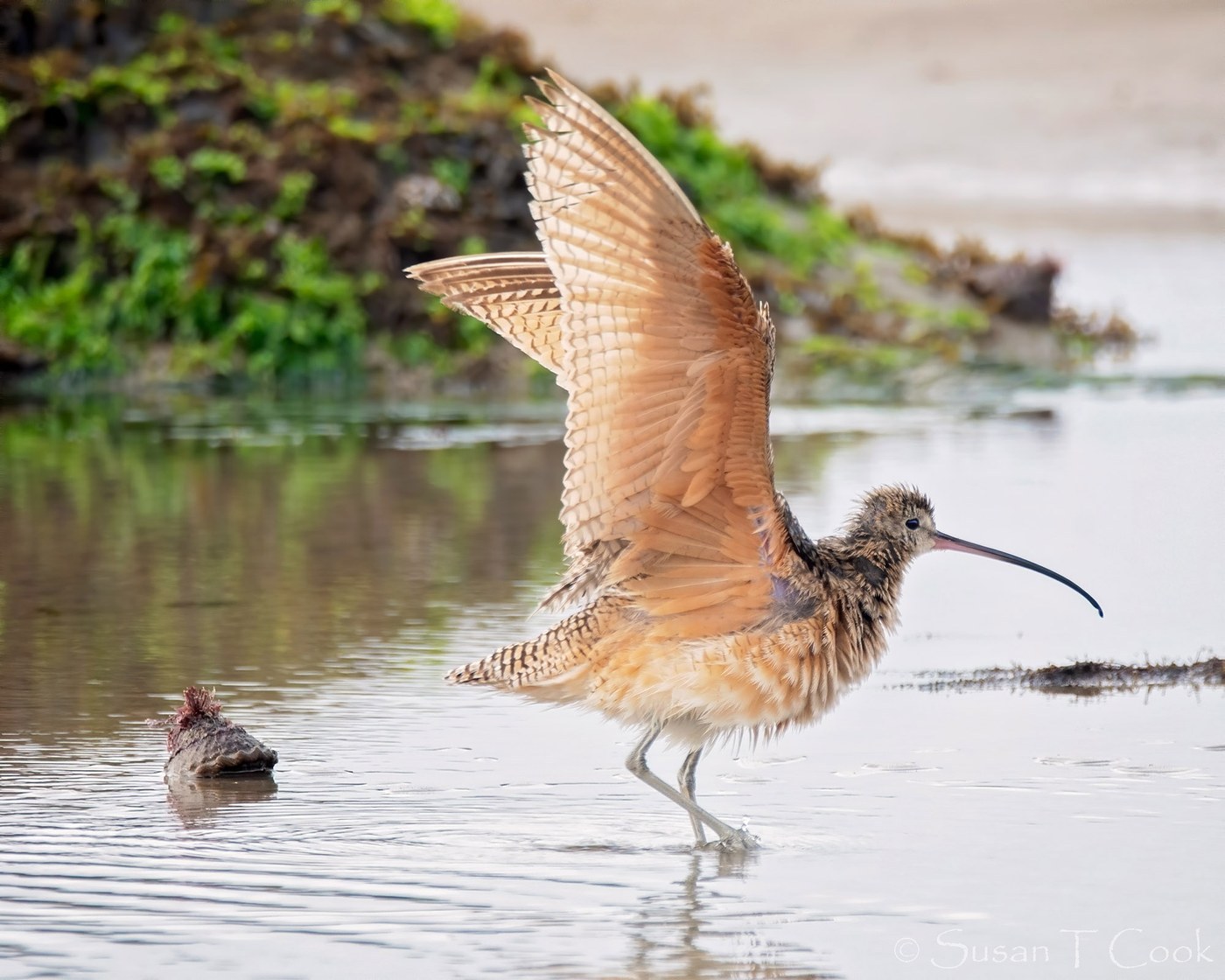
Long-billed Curlew
Body, flight, and tail feathers

Upland Sandpiper
Body, flight, and tail feathers

Red Phalarope
Body and flight feathers

Eurasian Dotterel
Body feathers
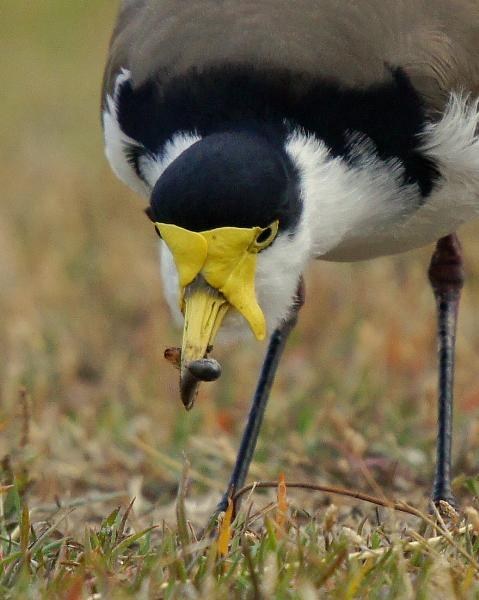
Masked Lapwing
Body, flight, and tail feathers
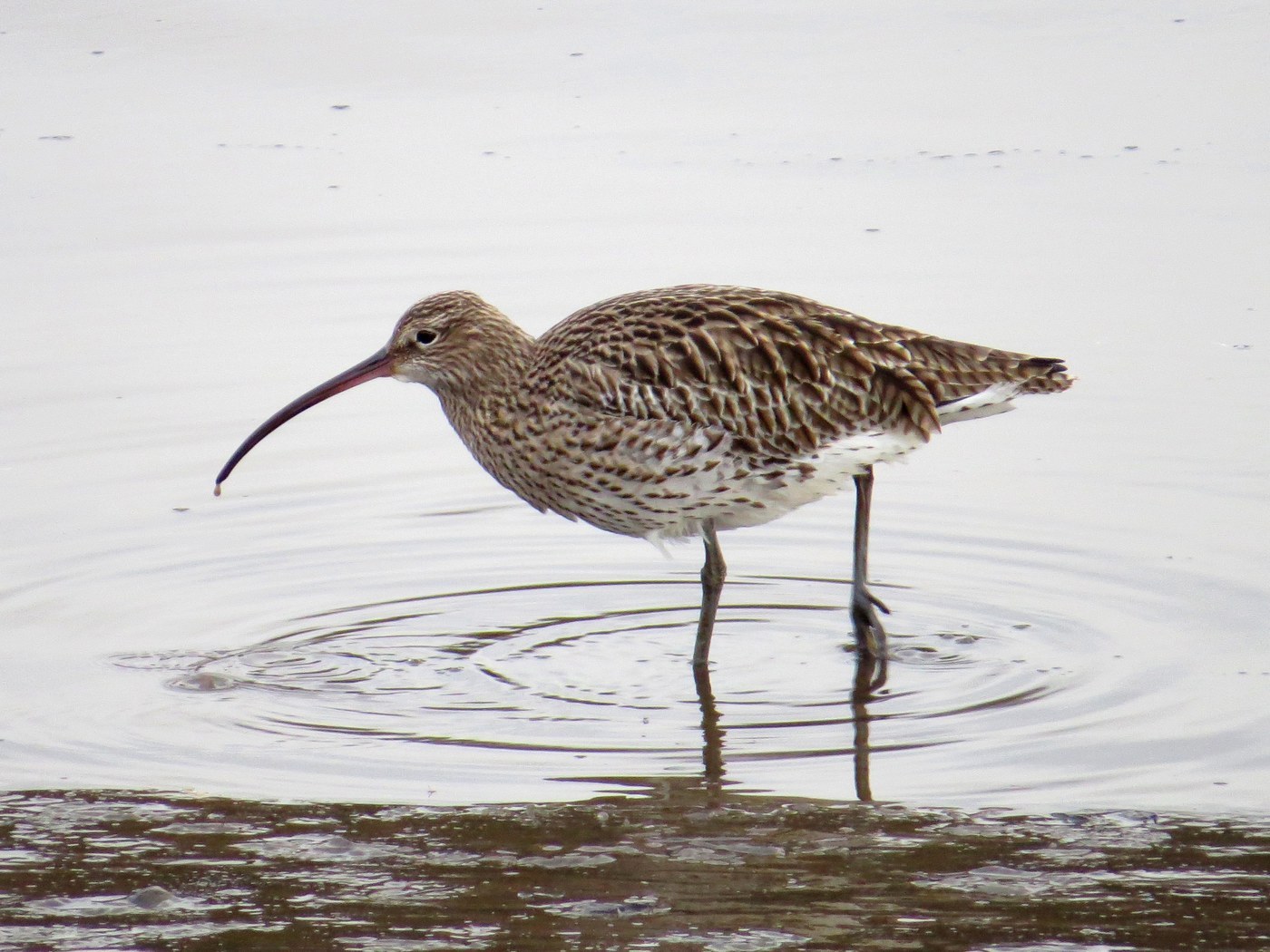
Eurasian Curlew
Body, flight, and tail feathers
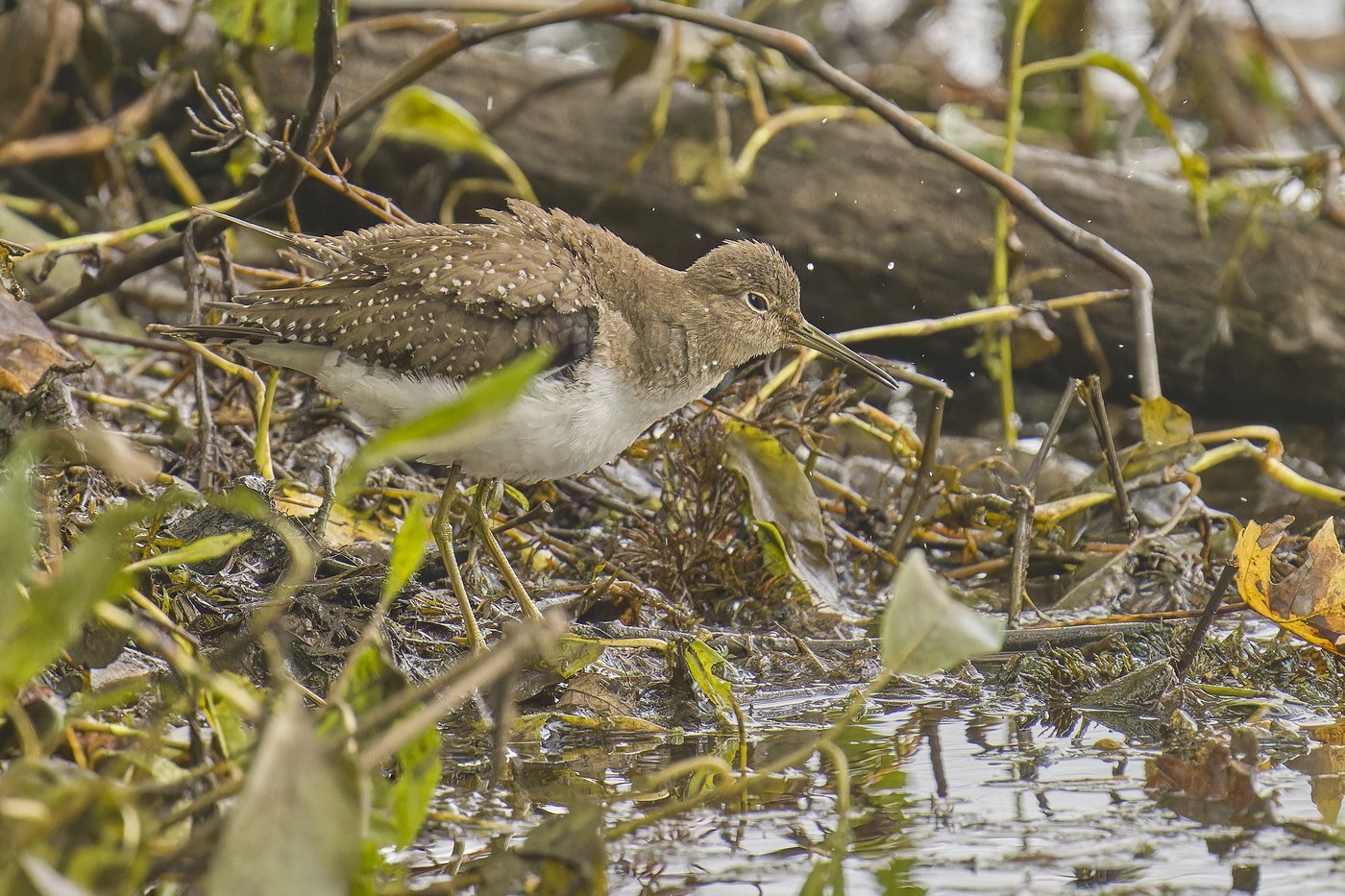
Solitary Sandpiper
Contour and flight feathers