
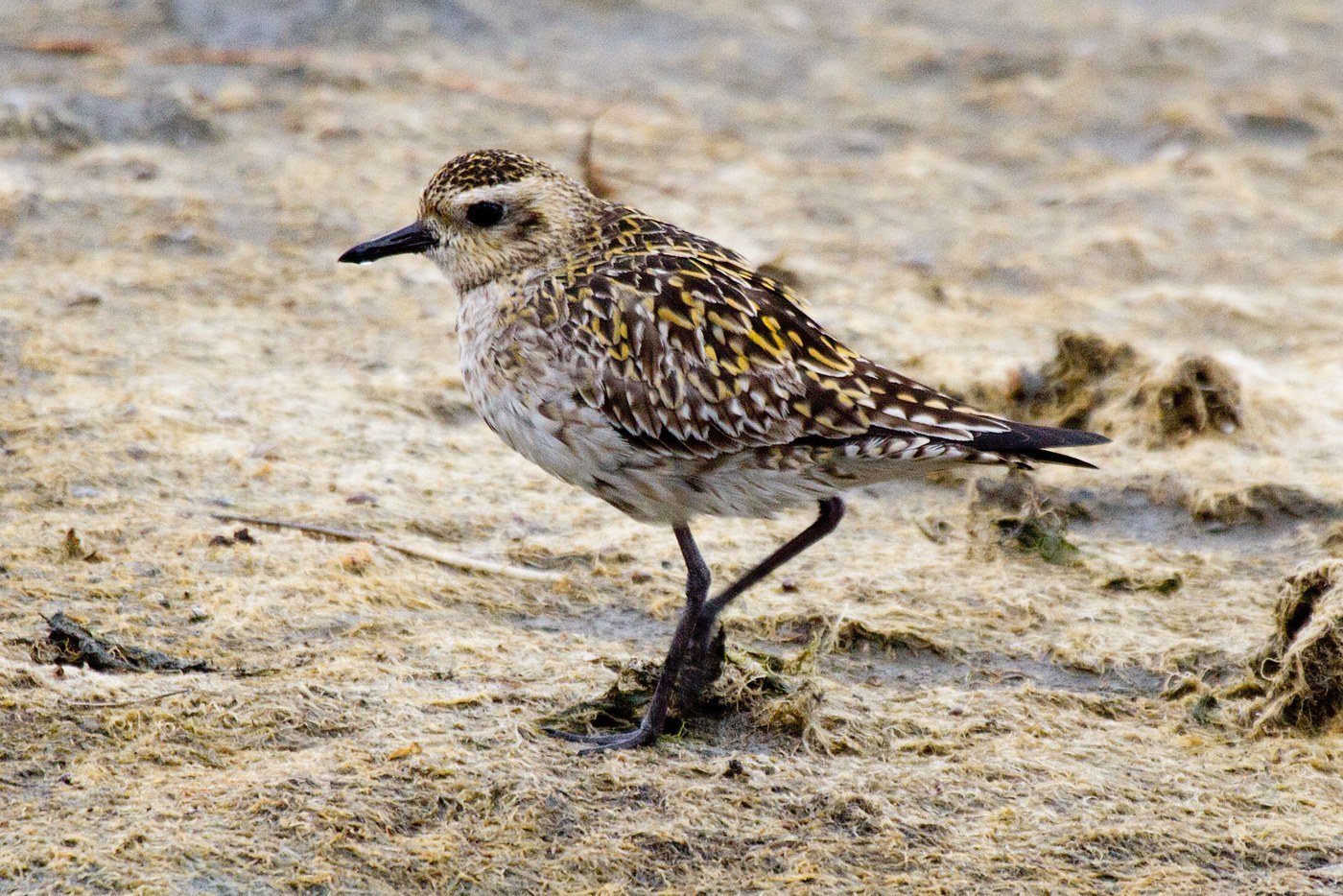
American Golden-Plover
Pluvialis dominica
A striking long-distance migrant plover whose breeding plumage combines gold-and-black spangled upperparts with solid black underparts bordered by a bold white stripe.
- Feather type
- Densely spangled body feathers in breeding plumage; plainer mottled feathers in non-breeding plumage
- Colours
- Gold-and-black spangled upperparts with black face and underparts bordered by a white stripe in breeding plumage
- Bird size
- Medium shorebird, ~24-28 cm
Found a feather like this?
Identify any feather from a photo, free.
Overview
The American Golden-Plover is a medium-sized shorebird renowned for one of the longest migrations of any bird in the Americas, breeding on Arctic tundra and wintering primarily on the grasslands of southern South America. In breeding plumage it is a striking bird, with densely spangled gold-and-black upperparts and solid black underparts bordered by a bold white stripe running from the forehead down the sides of the neck and flanks.
Outside the breeding season, its plumage becomes far more subdued, showing brownish-gray mottled upperparts and pale, lightly marked underparts, requiring more careful attention to structure and subtle pattern for identification. It closely resembles the Pacific Golden-Plover and Black-bellied Plover, both of which share the general "golden plover" body plan of spangled upperparts.
A densely spangled gold-and-black feather, or in non-breeding plumage a plain grayish-brown mottled feather, found in open grassland, farmland, or mudflat habitat along its long migratory route is a good indicator of this species.
Identifying the Feather
Shape and Size
Body feathers are moderate in size for a medium shorebird, with flight feathers built for sustained long-distance migratory flight, notably long and pointed relative to many other plovers.
Color and Pattern
- Breeding upperpart feathers show dense gold-and-black spangling, each feather marked with golden-yellow notches along a blackish center.
- Breeding underparts are largely solid black, bordered by a bold white stripe running from the forehead down the neck sides to the flanks, but the black typically continues to the undertail area.
- Non-breeding feathers are plainer, showing grayish-brown upperparts with buffy mottling and pale, lightly streaked underparts.
- Flight feathers are dark brownish-gray with little contrasting wing stripe.
Shaft and Vane
Shafts are dark on most upperpart feathers, with the golden spangling formed by notching along the feather edges rather than the shaft itself.
Distinguishing from Similar Species
Compared to Pacific Golden-Plover, American Golden-Plover in breeding plumage retains black coloration extending further toward the undertail area rather than showing white flanks below the black, and it has proportionally shorter legs. Compared to Black-bellied Plover, American Golden-Plover shows golden rather than white-and-black spangling on the upperparts and lacks the black axillary ("wingpit") feathers visible in Black-bellied Plover's flight feathers.
Plumage & Molt
Breeding adults show densely spangled gold-and-black upperparts and solid black underparts bordered by a bold white stripe from the forehead to the flanks. Non-breeding adults and juveniles are considerably plainer, with grayish-brown mottled upperparts and pale, faintly streaked underparts. Sexes look similar, though females may average slightly less extensively black below. The species undergoes a complete molt after breeding into non-breeding plumage, followed by a return to bold breeding plumage via a pre-breeding molt in late winter to spring.
Habitat & Range
The American Golden-Plover breeds on Arctic tundra across northern Canada and Alaska, and undertakes a remarkable long-distance migration, with much of the population making an extended nonstop flight over the Atlantic Ocean to reach wintering grounds on the grasslands and pampas of southern South America. During migration it also uses inland grassland, farmland, and mudflat habitat in North America.
Behavior & Field Notes
This species forages using a run-stop-peck technique on open ground, taking insects and other invertebrates from grassland, farmland, and mudflats. It is often found in flocks during migration, sometimes associating with other shorebirds. Its call is a clear, whistled note, useful for confirming identification. Nests are shallow scrapes on open Arctic tundra. For feather finders, a densely gold-and-black spangled feather encountered during migration in grassland or farmland, or a plainer grayish-brown mottled feather in non-breeding season, is a good indicator of this species, especially when Black-bellied Plover's diagnostic black axillary feathers are absent.
Frequently asked questions
How far does the American Golden-Plover migrate?
It undertakes one of the longest migrations of any American bird, breeding on Arctic tundra and wintering on the grasslands of southern South America, often crossing much of the Atlantic Ocean in a single extended flight.
How can I tell breeding plumage from Pacific Golden-Plover?
American Golden-Plover retains black coloration further toward the undertail area in breeding plumage, while Pacific Golden-Plover shows white flanks below the black.
How does it differ from Black-bellied Plover?
American Golden-Plover shows golden rather than white-and-black spangling above and lacks the black axillary feathers visible in Black-bellied Plover's underwing.
What does non-breeding plumage look like?
It becomes much plainer, with grayish-brown mottled upperparts and pale, lightly marked underparts, quite different from the bold breeding pattern.
American Golden-Plover guides
In-depth guides for identifying and understanding American Golden-Plover.

Other feathers you may enjoy
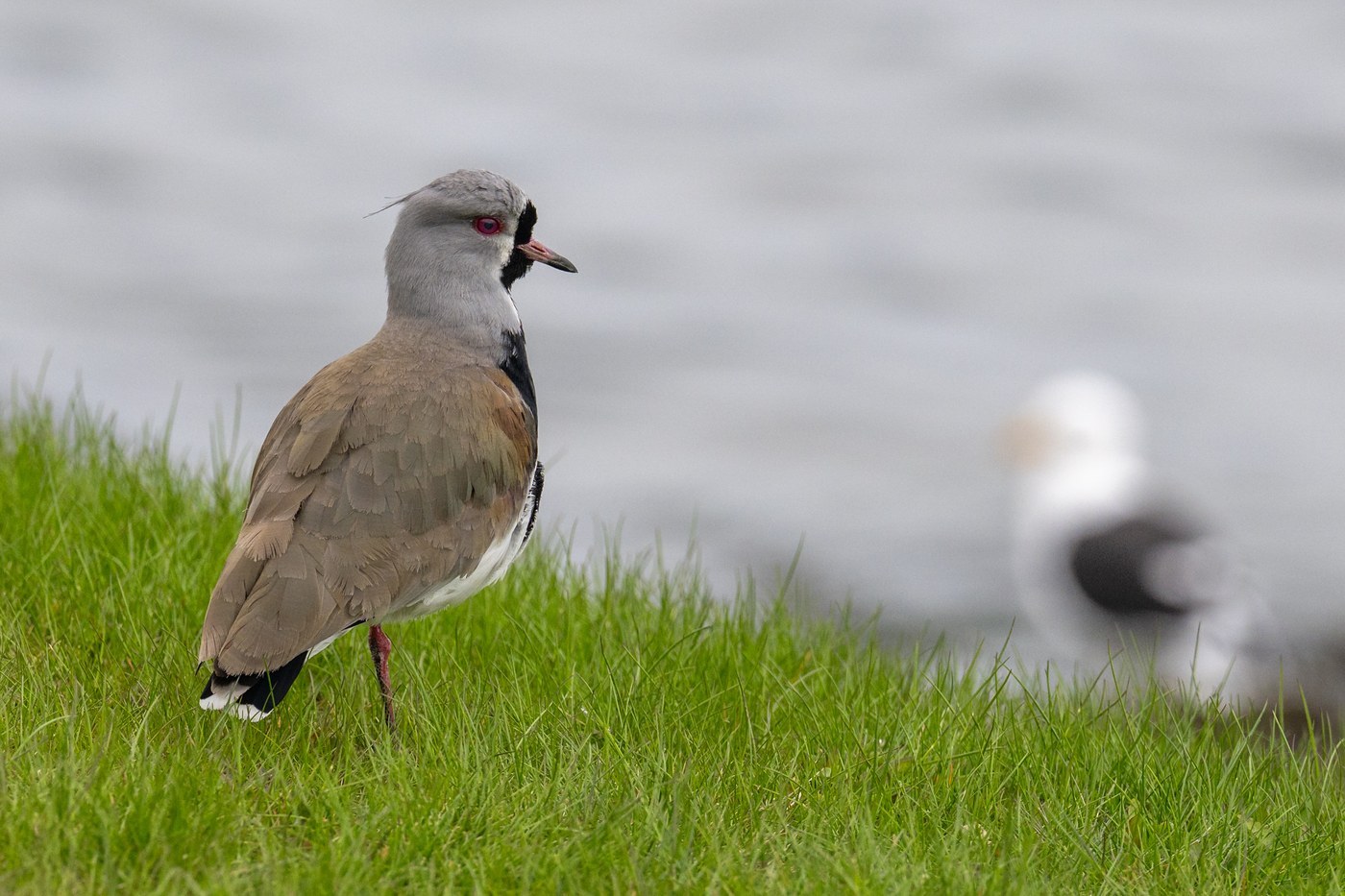
Southern Lapwing
Body, flight, and tail feathers

Jack Snipe
Body and flight feathers

Far Eastern Curlew
Body, flight, and tail feathers

Terek Sandpiper
Body and flight feathers

Wilson's Phalarope
Body and flight feathers
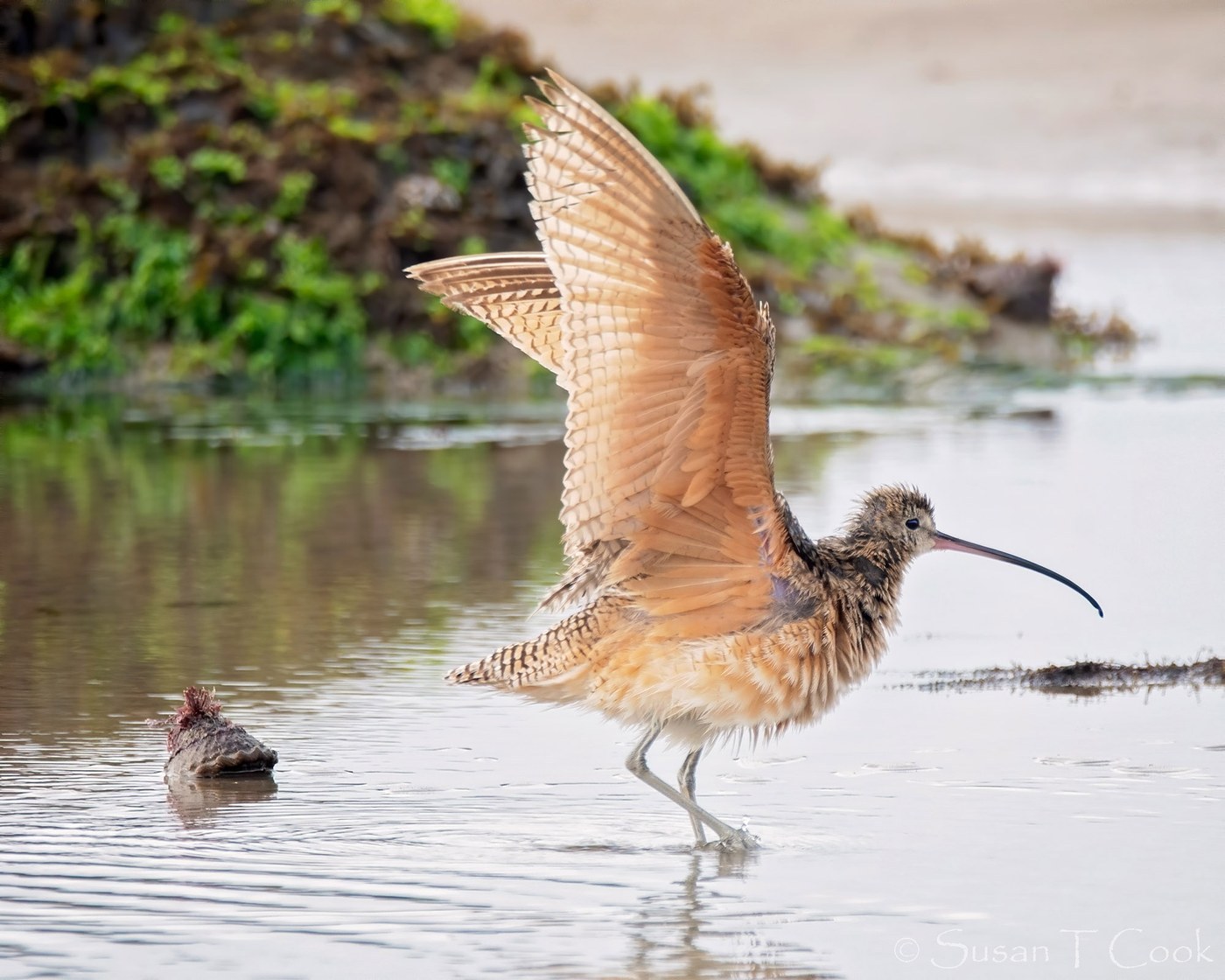
Long-billed Curlew
Body, flight, and tail feathers

Upland Sandpiper
Body, flight, and tail feathers

Red Phalarope
Body and flight feathers

Eurasian Dotterel
Body feathers
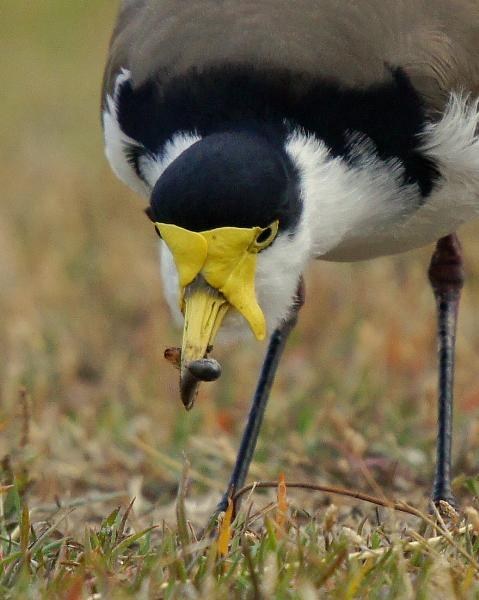
Masked Lapwing
Body, flight, and tail feathers
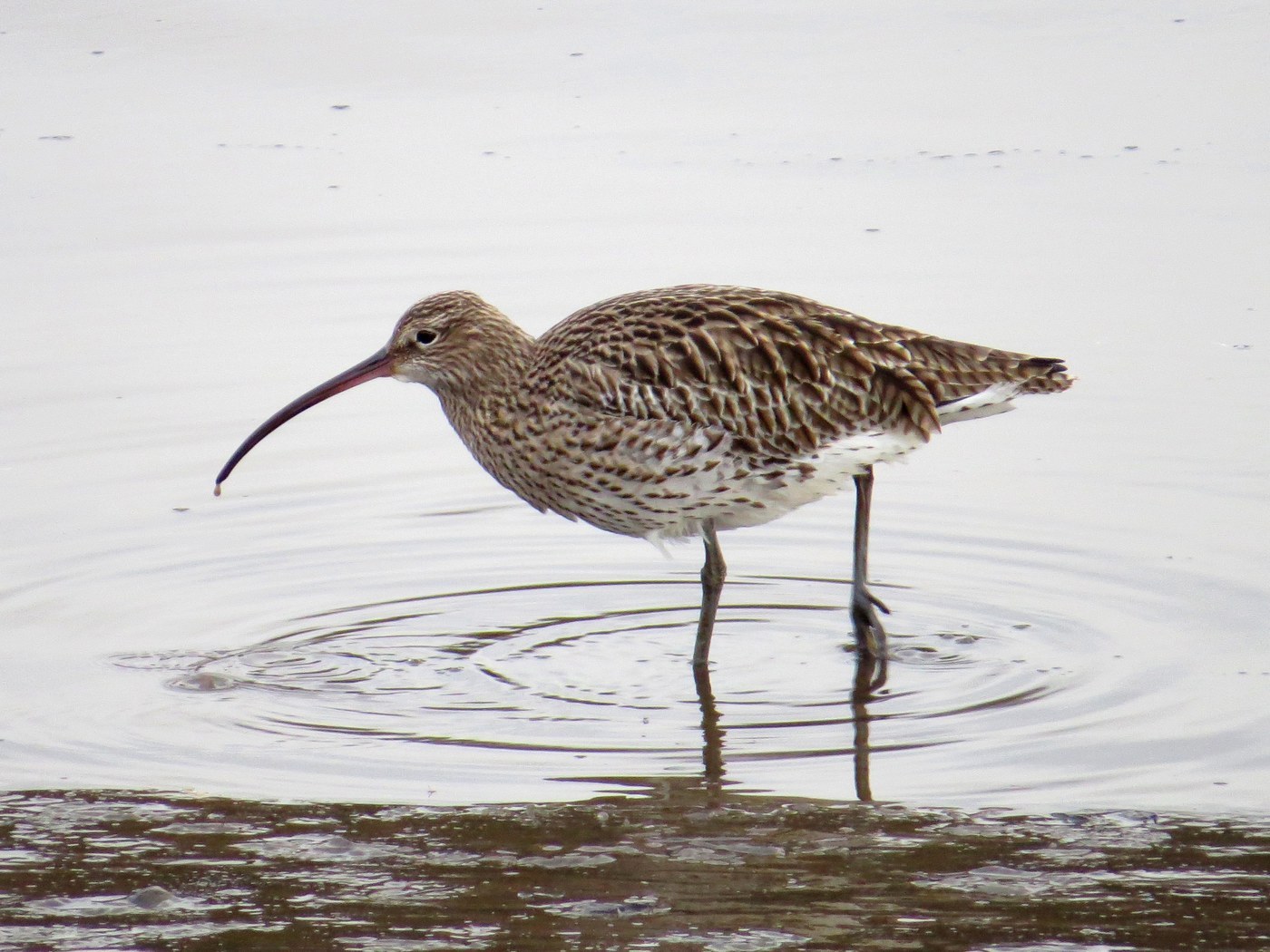
Eurasian Curlew
Body, flight, and tail feathers
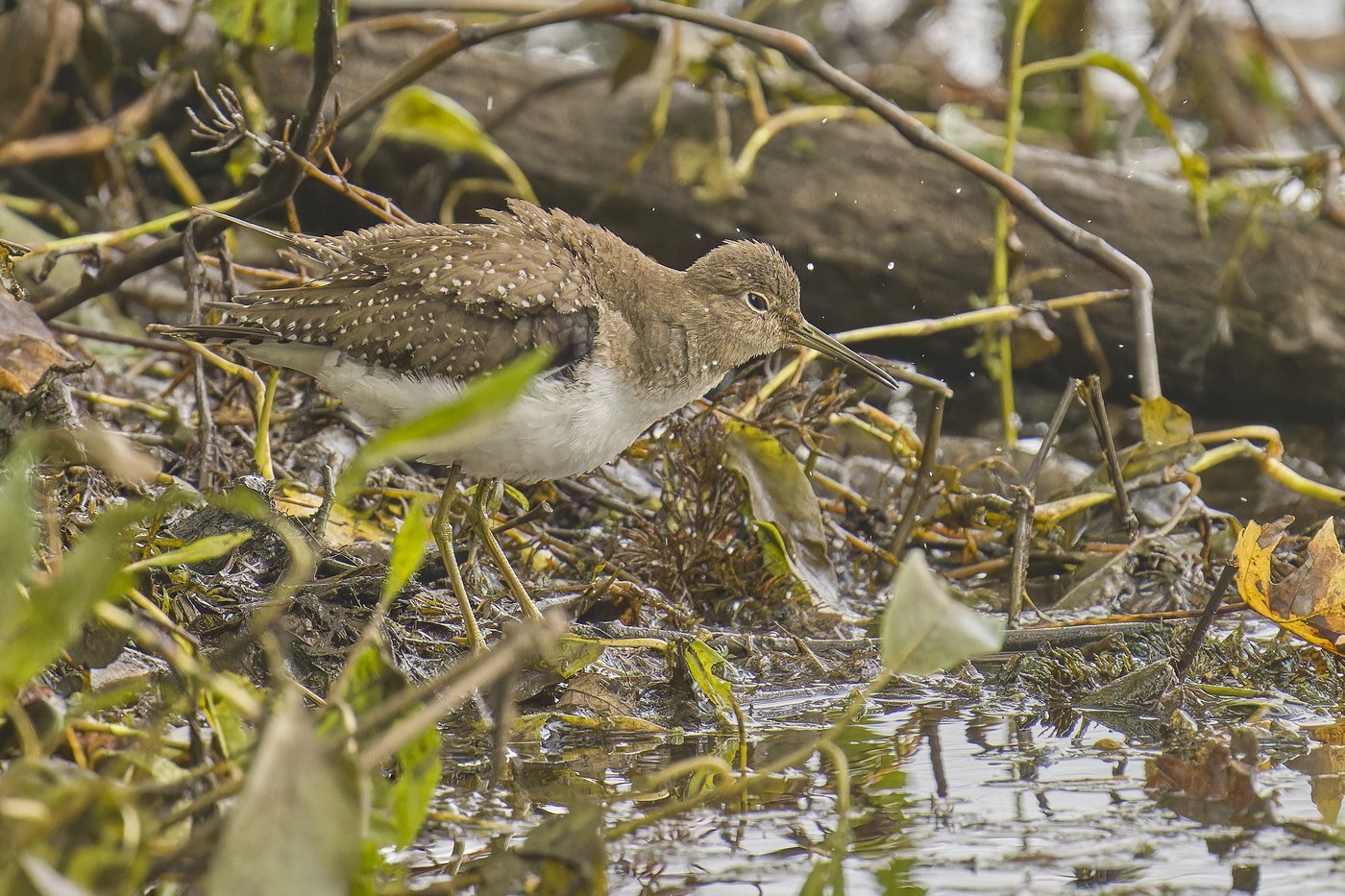
Solitary Sandpiper
Contour and flight feathers