

American Oystercatcher
Haematopus palliatus
A large pied shorebird of American coastlines, with a black head and neck, brown rather than black back, and a long orange-red bill used to open shellfish.
- Feather type
- Broad, strong flight feathers with a white wing bar; dense body feathers
- Colours
- Black head and neck, brown (not black) back, white underparts, and a white wing bar
- Bird size
- Large shorebird, ~40-44 cm
Found a feather like this?
Identify any feather from a photo, free.
Overview
The American Oystercatcher is a large, boldly marked shorebird found along the Atlantic, Gulf, and Pacific coasts of the Americas, closely resembling its Eurasian relative but distinguished by a brown rather than solidly black back. Its striking combination of a black head and neck, brown upperparts, and clean white underparts makes it conspicuous on the open sandy and rocky shorelines it favors.
Its long, heavy, orange-red bill, adapted for prying open bivalves and other shellfish, and pale yellow eyes with a bright orange eye-ring are distinctive features of the living bird, though not preserved in shed feathers. Bright pink legs complete an already colorful soft-tissue palette that contrasts with its more subdued black-brown-white feather pattern.
A black-headed, brown-backed shorebird feather with white underparts, found along a sandy or rocky American coastline, is a good indicator of this species, particularly where it can be distinguished from the darker-backed Eurasian Oystercatcher by range alone.
Identifying the Feather
Shape and Size
Flight feathers are broad and strong, and body feathers are dense, consistent with a large-bodied coastal shorebird.
Color and Pattern
- Head and neck feathers are solid black.
- Back and wing covert feathers are dark brown, notably paler and warmer than the solid black back of the Eurasian Oystercatcher.
- Underparts are clean white.
- A white wing bar crosses the flight feathers, formed by pale bases to the secondaries and inner primaries.
Shaft and Vane
Shafts are dark on black and brown feathers and pale on white feathers, with a relatively sharp transition between color zones.
Distinguishing from Similar Species
The key distinction from the Eurasian Oystercatcher is back color: American Oystercatcher shows brown upperparts rather than solid black. Compared to the entirely dark Black Oystercatcher sharing the Pacific coast, the presence of white underparts clearly separates this species.
Plumage & Molt
Adults show a black head and neck, dark brown back and wing coverts, white underparts, and a white wing bar, with a long orange-red bill, pale yellow eyes, and pink legs in life. Sexes look alike. Juveniles show duller, more scaly-edged brown upperpart feathers and a dark-tipped bill, developing full adult coloration over a couple of years. Molt follows breeding, with a complete post-breeding molt refreshing the plumage.
Habitat & Range
The American Oystercatcher is found along the Atlantic and Gulf coasts of the United States, the Pacific coast of the Americas in more limited numbers, and coastlines of Mexico, Central America, and South America, favoring sandy beaches, barrier islands, salt marshes, and estuaries. Northern populations show some migratory movement to milder wintering coasts, while populations in warmer regions are largely resident.
Behavior & Field Notes
This species forages on sandy and muddy shorelines and among rocks, using its stout bill to pry open oysters, mussels, and other shellfish, as well as probing for other invertebrates. It is often found in pairs or small family groups, sometimes gathering in larger flocks at productive feeding or roosting sites. Its call is a loud, piercing piping note, frequently given in flight. Nests are shallow scrapes on open sand or shell-strewn beach above the tide line. For feather finders, a black-headed, brown-backed feather with white underparts found along a sandy or rocky American coastline is a good indicator of this species.
Frequently asked questions
How does this species differ from the Eurasian Oystercatcher in feathers?
American Oystercatcher shows brown rather than solid black upperparts, a useful distinction alongside their non-overlapping ranges.
How does it differ from the Black Oystercatcher?
American Oystercatcher shows clean white underparts, while Black Oystercatcher is entirely dark sooty-black throughout.
What does the American Oystercatcher eat?
Oysters, mussels, and other shellfish pried open with its stout bill, along with other coastal invertebrates.
Where is the American Oystercatcher found?
Along Atlantic, Gulf, and Pacific coasts of the Americas, including Mexico, Central America, and South America, on sandy beaches, barrier islands, and estuaries.
American Oystercatcher guides
In-depth guides for identifying and understanding American Oystercatcher.

Other feathers you may enjoy
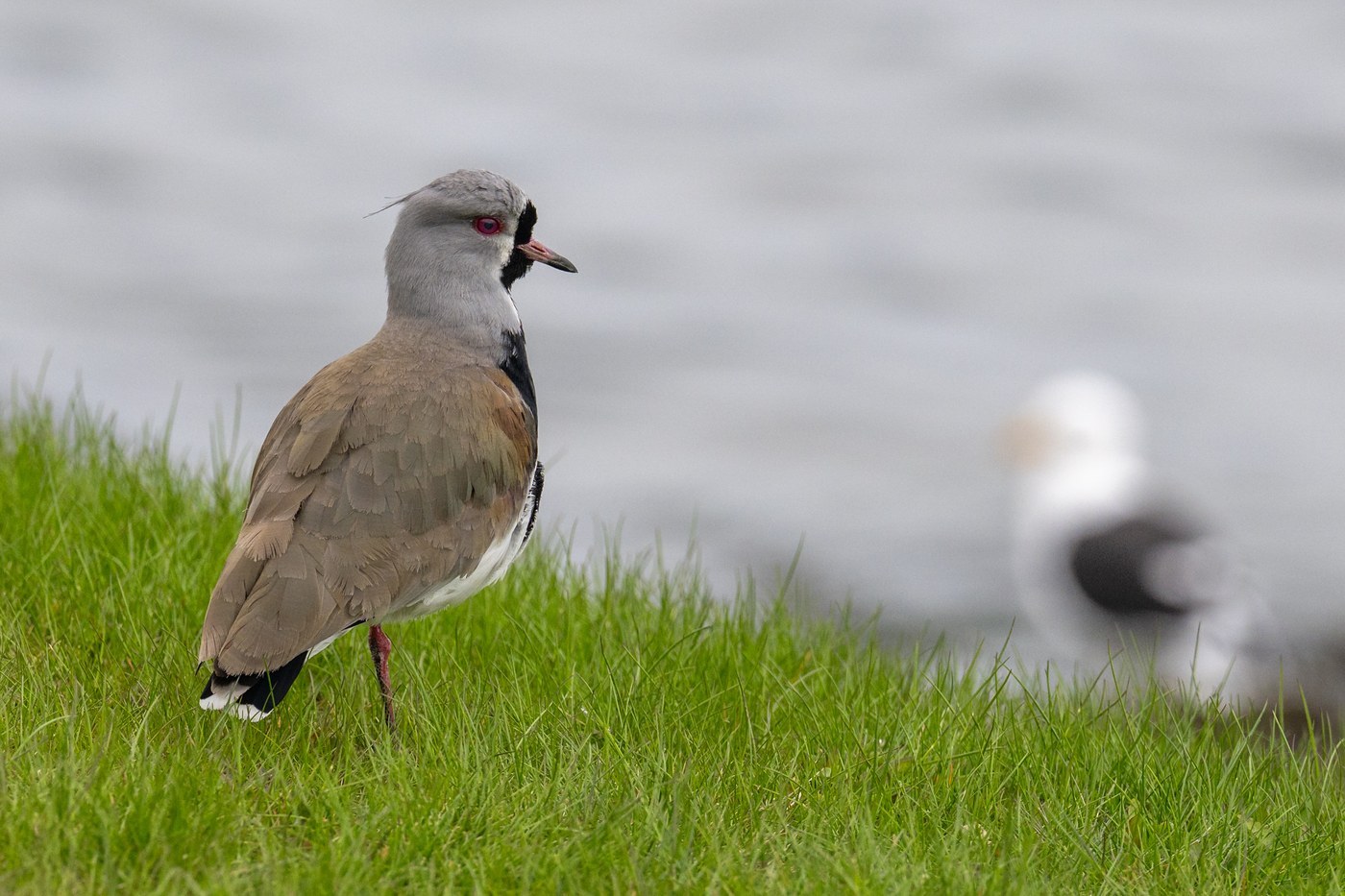
Southern Lapwing
Body, flight, and tail feathers

Jack Snipe
Body and flight feathers

Far Eastern Curlew
Body, flight, and tail feathers

Terek Sandpiper
Body and flight feathers

Wilson's Phalarope
Body and flight feathers
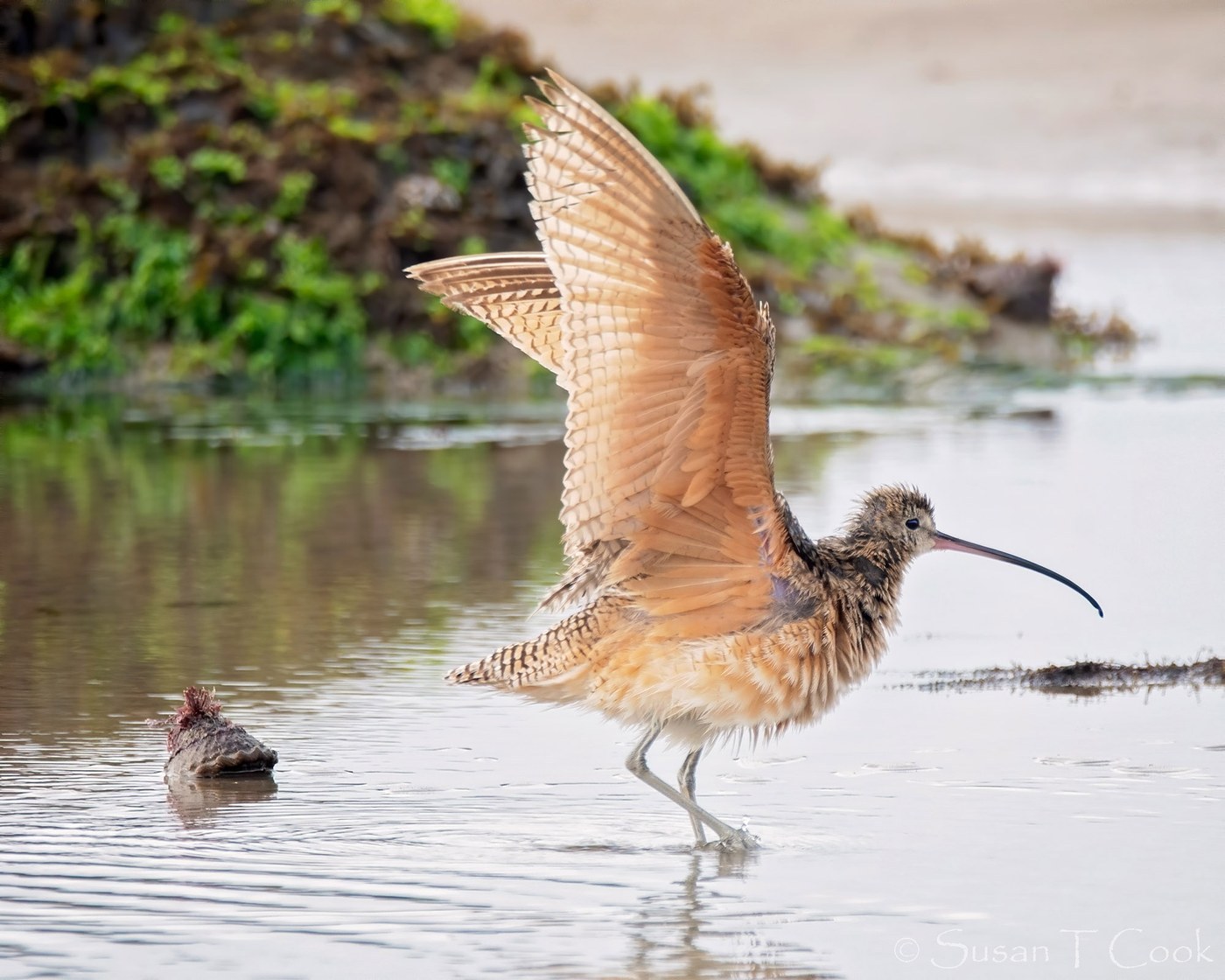
Long-billed Curlew
Body, flight, and tail feathers

Upland Sandpiper
Body, flight, and tail feathers

Red Phalarope
Body and flight feathers

Eurasian Dotterel
Body feathers
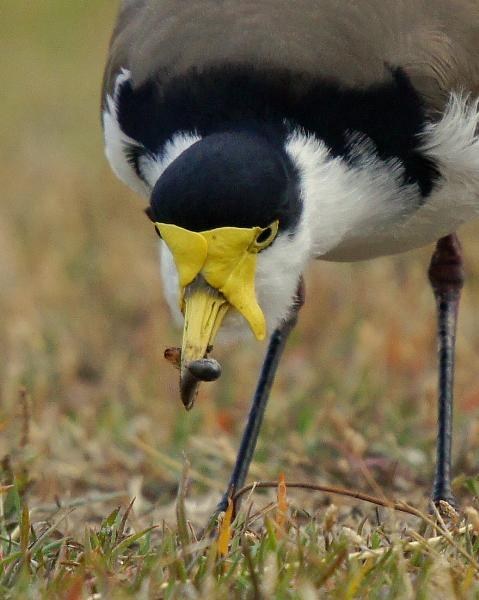
Masked Lapwing
Body, flight, and tail feathers
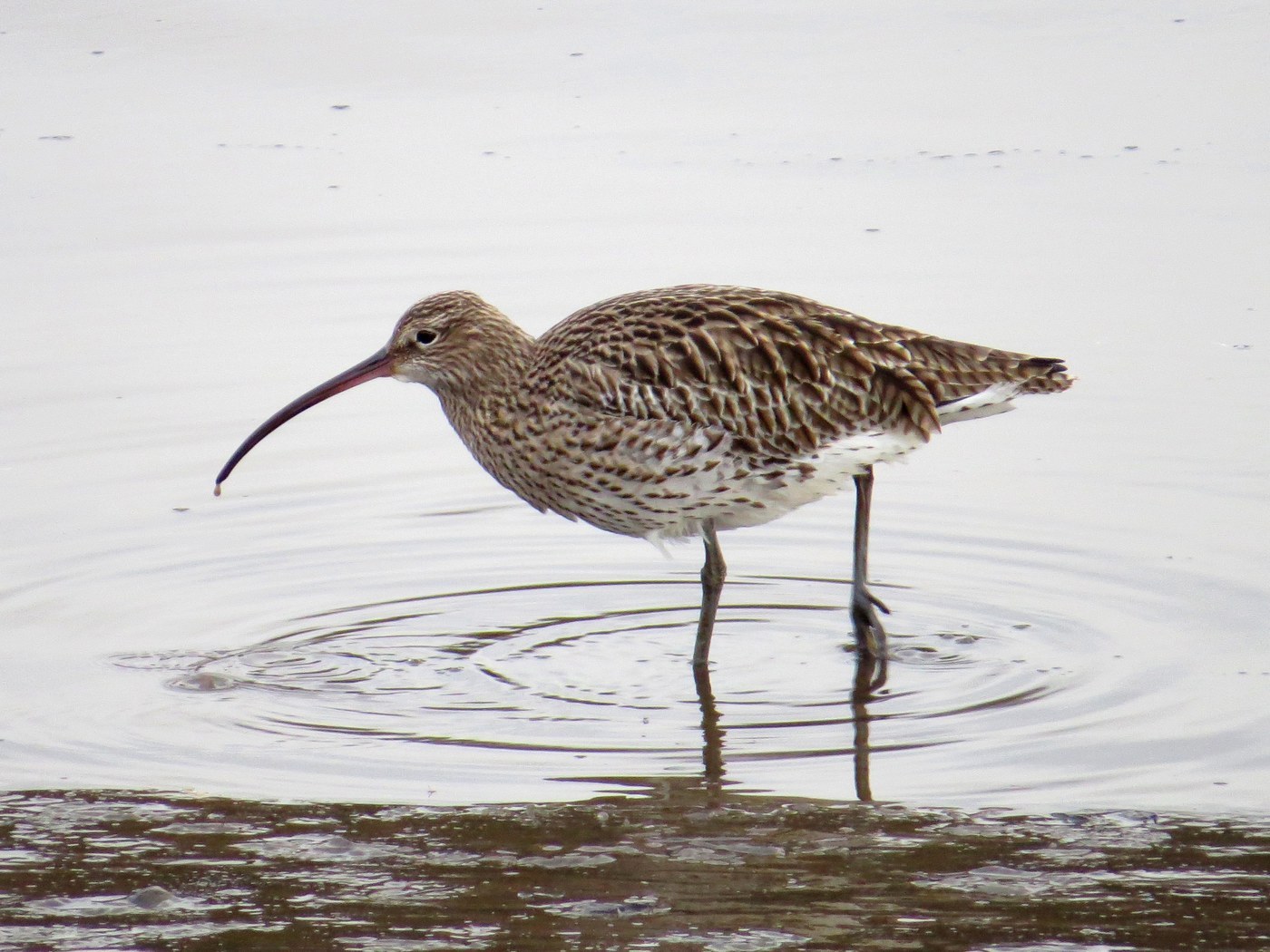
Eurasian Curlew
Body, flight, and tail feathers
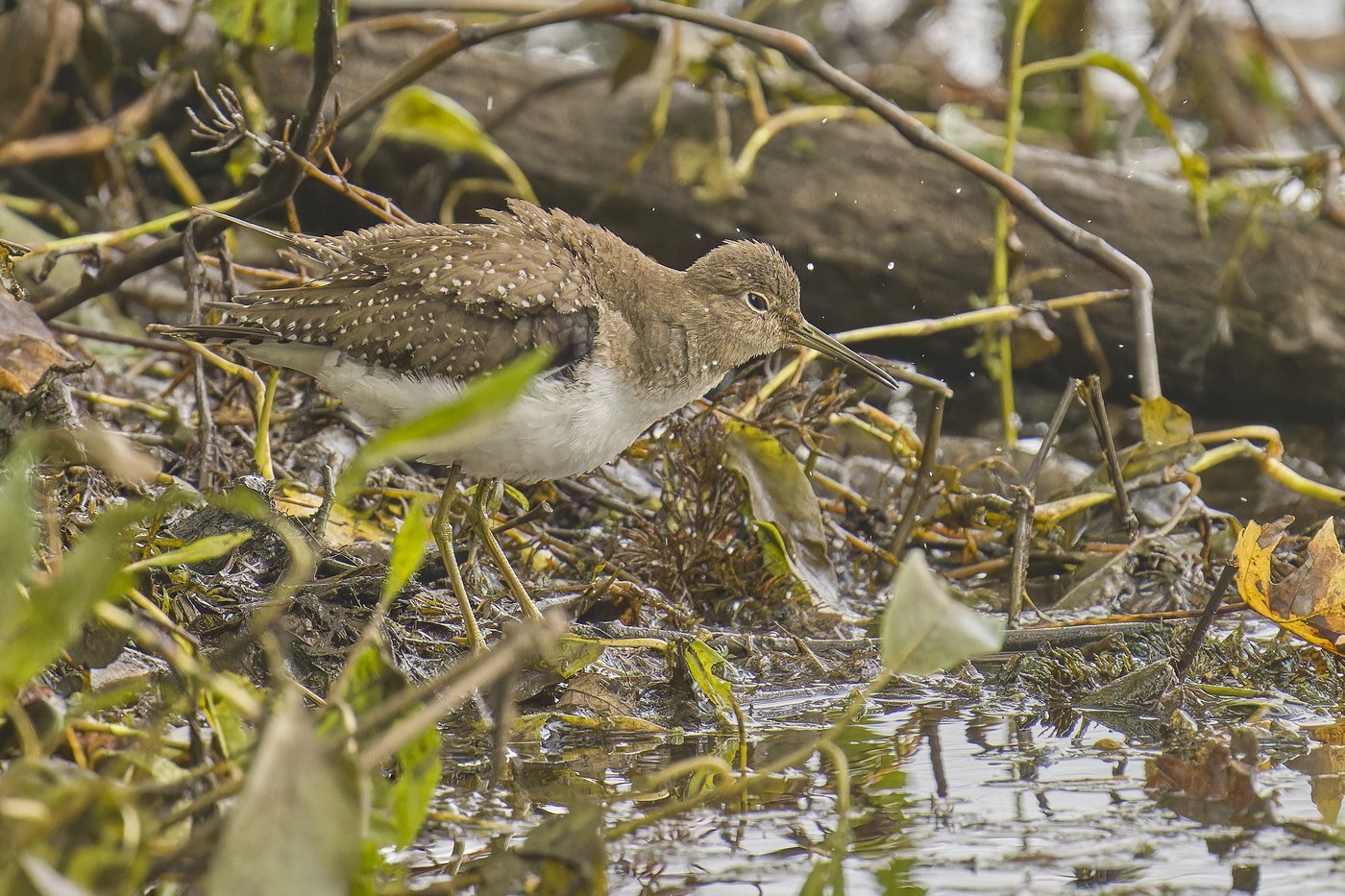
Solitary Sandpiper
Contour and flight feathers