

American Woodcock
Scolopax minor
A round, forest-dwelling shorebird with dead-leaf camouflage plumage, an oversized bill, and unusually short, rounded wings that produce a distinctive twittering whistle in flight.
- Feather type
- Cryptic contour and rounded flight feathers
- Colours
- Rich cinnamon-brown, black, and gray mottled camouflage pattern
- Bird size
- Robin-sized, ~28 cm
Found a feather like this?
Identify any feather from a photo, free.
Overview
Overview
The American Woodcock is an unusual, forest-dwelling member of the shorebird family, more at home among moist woodland leaf litter than on open mudflats. Its plump body, oversized eyes set far back on the head, and dead-leaf camouflage plumage make it superbly adapted to a life spent foraging in damp forest soil.
Feathers are typically found in moist woodlands and brushy forest edges rather than open wetlands, often near display grounds used during spring courtship flights.
Identifying the Feather
Feather Identification
- Overall pattern: a rich blend of cinnamon-brown, black, and gray mottling that closely resembles dead leaves and forest litter, among the most effective camouflage patterns of any shorebird.
- Wing feathers: unusually short, rounded, and broad compared to typical shorebirds, an adaptation for maneuvering through dense woodland vegetation; the outer primaries are notably narrow and produce the twittering sound heard during flight.
- Head feathers: dark crown bars run crosswise rather than lengthwise, a pattern distinct from most other shorebirds' head markings.
- Underparts: warm buff-cinnamon overall, without the streaking or barring typical of open-country shorebirds.
- Versus Eurasian Woodcock: American Woodcock is notably smaller with warmer, more uniformly cinnamon tones, while Eurasian Woodcock is larger with a somewhat grayer overall cast.
Plumage & Molt
Plumage Notes
Adults show a rich, uniform cinnamon-brown-and-black mottled pattern year-round, with crosswise dark bars on the crown; sexes look alike, though females average slightly larger. There is little seasonal plumage change compared to open-country shorebirds.
Juveniles resemble adults closely from an early age, given the species' precocial-leaning development and reliance on camouflage from the nest onward. Molt occurs gradually through the year, maintaining the camouflage pattern at all times.
Habitat & Range
Habitat & Range
American Woodcocks breed and reside across moist deciduous and mixed forests, forest edges, and brushy old fields throughout eastern North America. Northern populations migrate south for winter, with birds wintering across the southeastern United States, while southern populations may remain resident year-round.
Behavior & Field Notes
Behavior & Field Notes
American Woodcocks forage by probing deeply into moist forest soil with their long, flexible bill, often rocking their body forward and back while walking, a behavior thought to help detect prey underground. Their large eyes, set high and far back on the head, provide near-360-degree vision to watch for predators while probing with the bill lowered.
Males perform a distinctive spring courtship display at dusk, involving a nasal "peent" call from the ground followed by a spiraling display flight during which the wings produce a twittering, whistling sound. Nests are shallow scrapes on the forest floor. Feathers are most often found in moist woodland habitats, particularly near known display grounds in early spring.
Frequently asked questions
What makes American Woodcock feathers so effective at camouflage?
A rich mottled blend of cinnamon-brown, black, and gray that closely resembles dead leaves and forest litter, ideal for a bird that spends its life on the forest floor.
Why do the wing feathers look unusual compared to other shorebirds?
They are short, rounded, and broad rather than long and pointed, an adaptation for maneuvering through dense woodland vegetation, with narrow outer primaries that produce a twittering sound in flight.
How can I tell American Woodcock from Eurasian Woodcock feathers?
American Woodcock is notably smaller with warmer, more uniformly cinnamon tones, while Eurasian Woodcock is larger and shows a somewhat grayer overall cast.
Where would American Woodcock feathers be found?
In moist deciduous or mixed forests and brushy forest edges, especially near spring courtship display grounds.
What is distinctive about the crown feather pattern?
Dark bars run crosswise across the crown rather than lengthwise, differing from the head patterns of most other shorebirds.
American Woodcock guides
In-depth guides for identifying and understanding American Woodcock.

American Woodcock identified by the community
Real feathers identified with Feather Identifier.

Other feathers you may enjoy
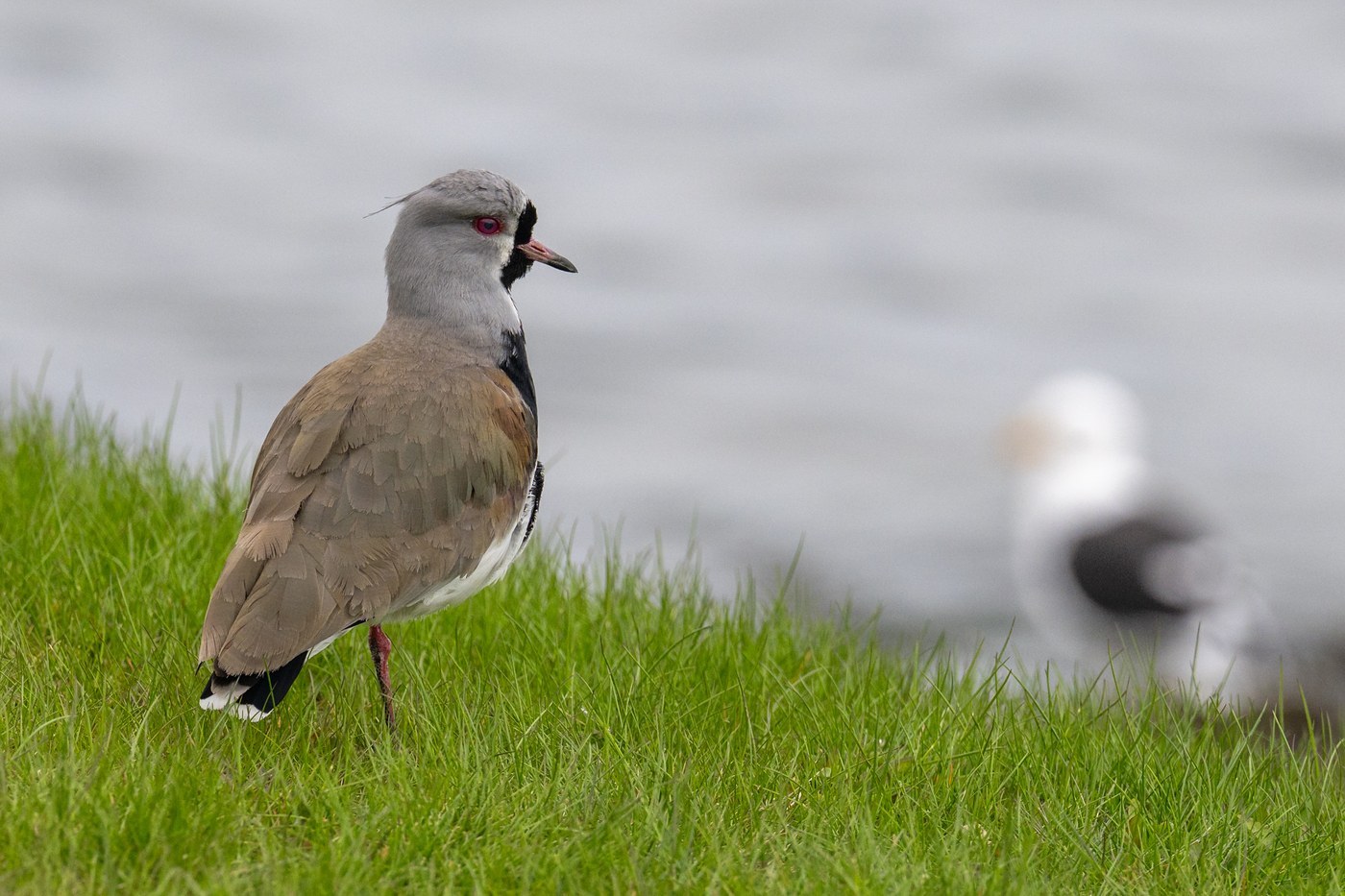
Southern Lapwing
Body, flight, and tail feathers

Jack Snipe
Body and flight feathers

Far Eastern Curlew
Body, flight, and tail feathers

Terek Sandpiper
Body and flight feathers

Wilson's Phalarope
Body and flight feathers

Long-billed Curlew
Body, flight, and tail feathers

Upland Sandpiper
Body, flight, and tail feathers

Red Phalarope
Body and flight feathers

Eurasian Dotterel
Body feathers
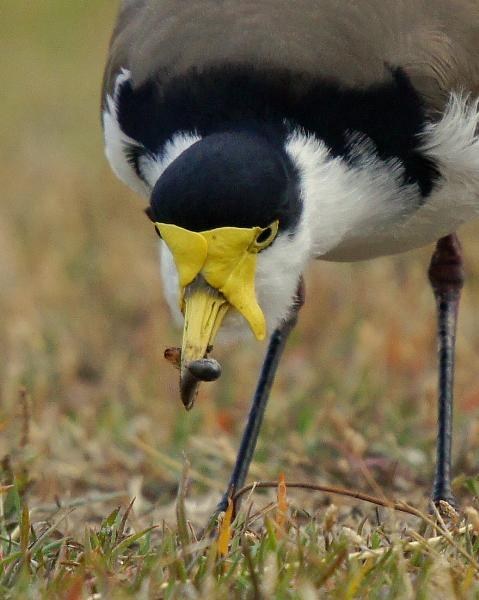
Masked Lapwing
Body, flight, and tail feathers
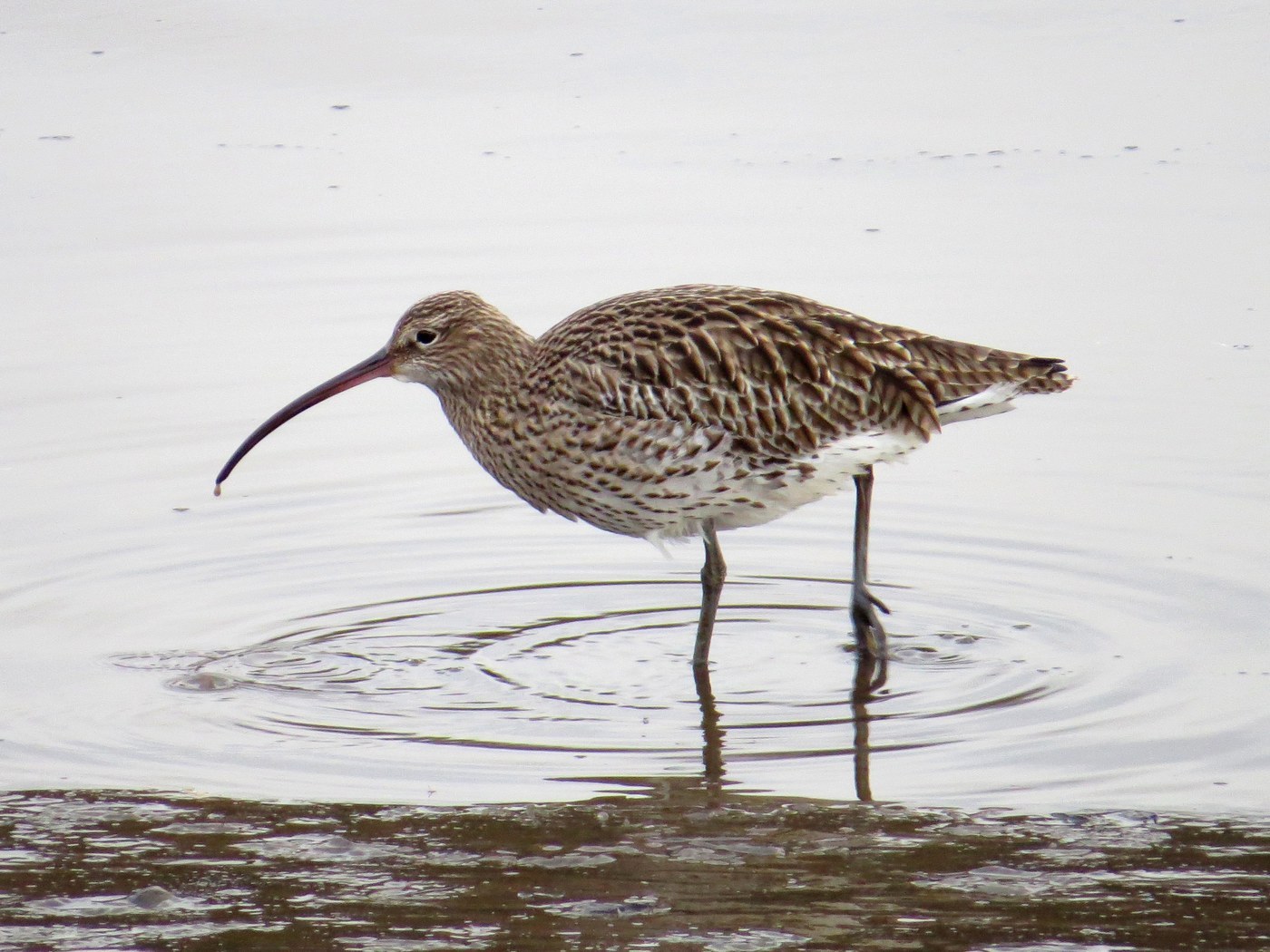
Eurasian Curlew
Body, flight, and tail feathers
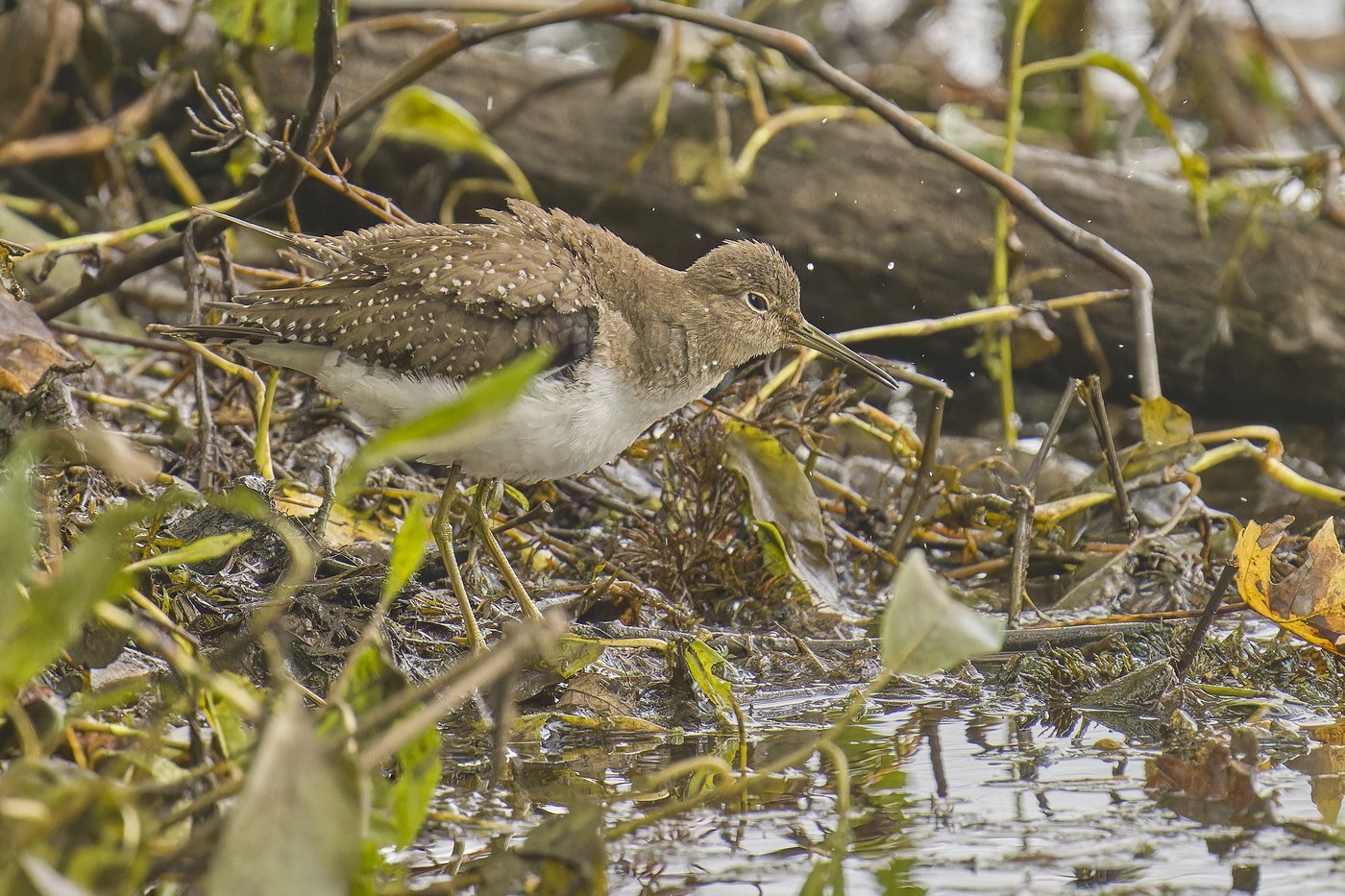
Solitary Sandpiper
Contour and flight feathers