

Banded Kestrel
Falco zoniventris
The Banded Kestrel is a Madagascar-endemic falcon marked by fine, dense barring across nearly the entire body, giving it a distinctly patterned appearance among kestrels.
- Feather type
- Compact flight feathers; boldly barred body feathers
- Colours
- Dark brown finely barred overall with a strongly banded belly and tail
- Bird size
- Small falcon, ~27-31 cm
Found a feather like this?
Identify any feather from a photo, free.
Overview
The Banded Kestrel is found only on Madagascar, inhabiting forest edge, woodland, and wooded savanna across the island. Unlike many kestrels, which show contrasting rufous backs against paler underparts, this species is patterned with fine barring across nearly its entire plumage, giving it a notably different look from mainland African kestrels.
As a Madagascar endemic, any finely barred kestrel-type feather found on the island is a strong candidate for this species.
It is restricted entirely to Madagascar.
Identifying the Feather
Recognizing Banded Kestrel feathers
- Flight feathers: Dark brown with fine, dense pale barring throughout.
- Tail feathers: Strongly and evenly banded dark and pale, more heavily barred than most other kestrels' tails.
- Body feathers: Back, breast, and belly feathers all show fine dark-and-pale barring, unlike the streaked or spotted underside typical of many kestrels.
- Shaft color: Brown.
- Compared to similar species: As Madagascar's only endemic kestrel with this banding pattern, it is not easily confused with mainland African kestrels, which show more contrast between plain and marked regions of the body.
Plumage & Molt
Adults show fine, dense barring across nearly the whole body, wings, and tail, giving an overall patterned, banded look rather than the more contrasting patterns of many kestrels. Sexes are broadly similar. Juveniles show a similar barred pattern, though feather edges may appear slightly buffier when freshly molted.
Habitat & Range
Endemic to Madagascar, found in forest edge, woodland, and wooded savanna across the island. Resident, without migration off the island.
Behavior & Field Notes
Hunts insects and small reptiles, typically from a perch within or at the edge of woodland. Nests in tree cavities. Calls include sharp, repeated chattering notes typical of small falcons. A finely and densely barred brown feather found in Madagascar woodland or forest edge is a good match for this endemic species.
Frequently asked questions
Where is the Banded Kestrel found?
It is endemic to Madagascar, found only in the island's forest, woodland, and wooded savanna habitats.
What makes Banded Kestrel feathers distinctive?
Fine, dense barring across nearly the entire body and tail, rather than the more contrasting patterns typical of other kestrels.
Is the Banded Kestrel likely to be confused with mainland African kestrels?
Not usually — its dense overall barring differs from the more regionally contrasting patterns of mainland species, and its range is restricted to Madagascar.
What does the Banded Kestrel eat?
Mainly insects and small reptiles, hunted from a perch.
Banded Kestrel guides
In-depth guides for identifying and understanding Banded Kestrel.

Other feathers you may enjoy

Australian Hobby
Long, narrow pointed flight feathers; slender tail feathers

California Condor
Massive flight feathers; long broad primaries; large tail feathers

Brown Falcon
Broad, rounded flight feathers; variable-toned contour feathers
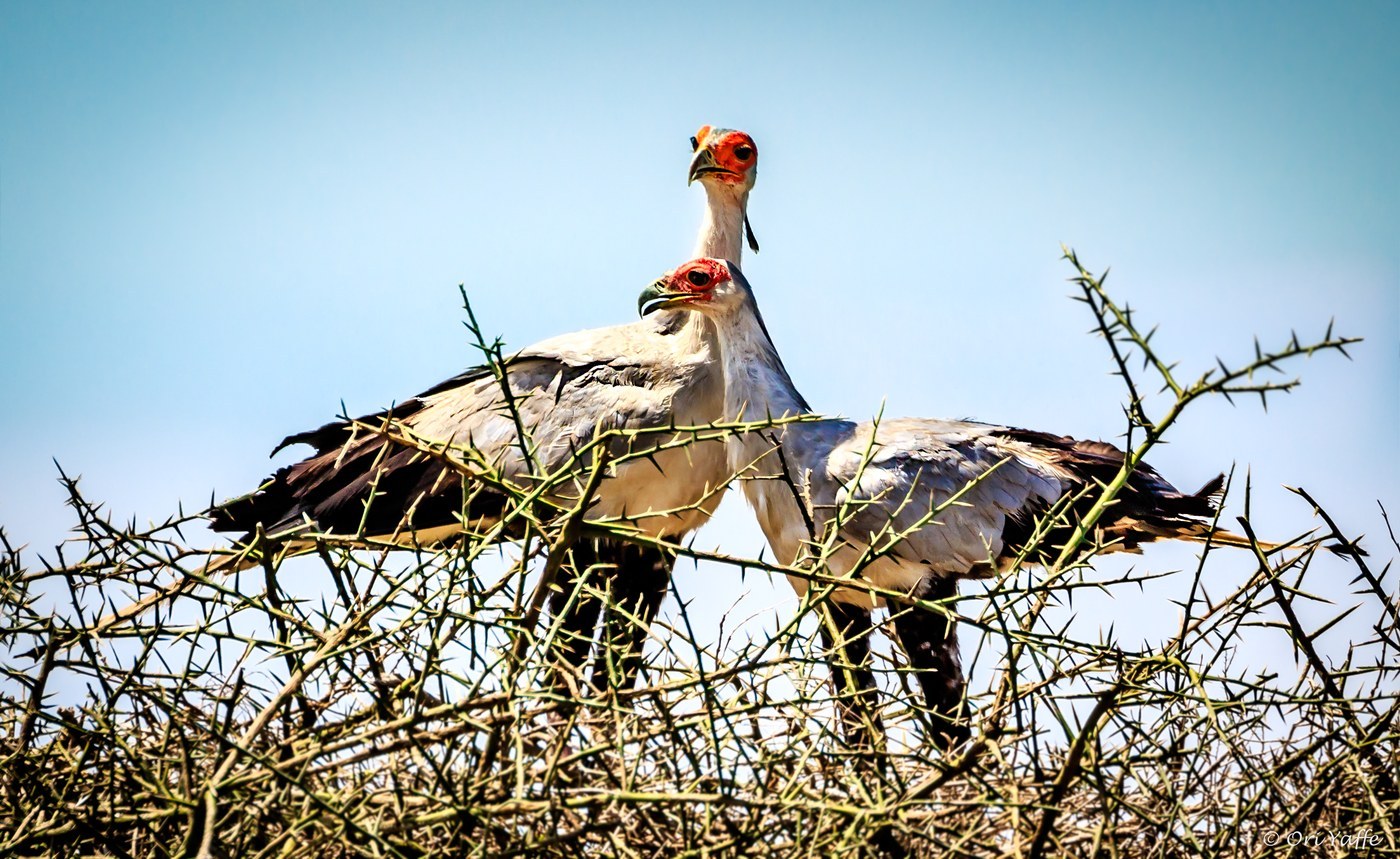
Secretarybird
Long crest feathers; broad flight feathers; elongated central tail feathers

Orange-breasted Falcon
Broad-based pointed flight feathers; bold breast and belly feathers
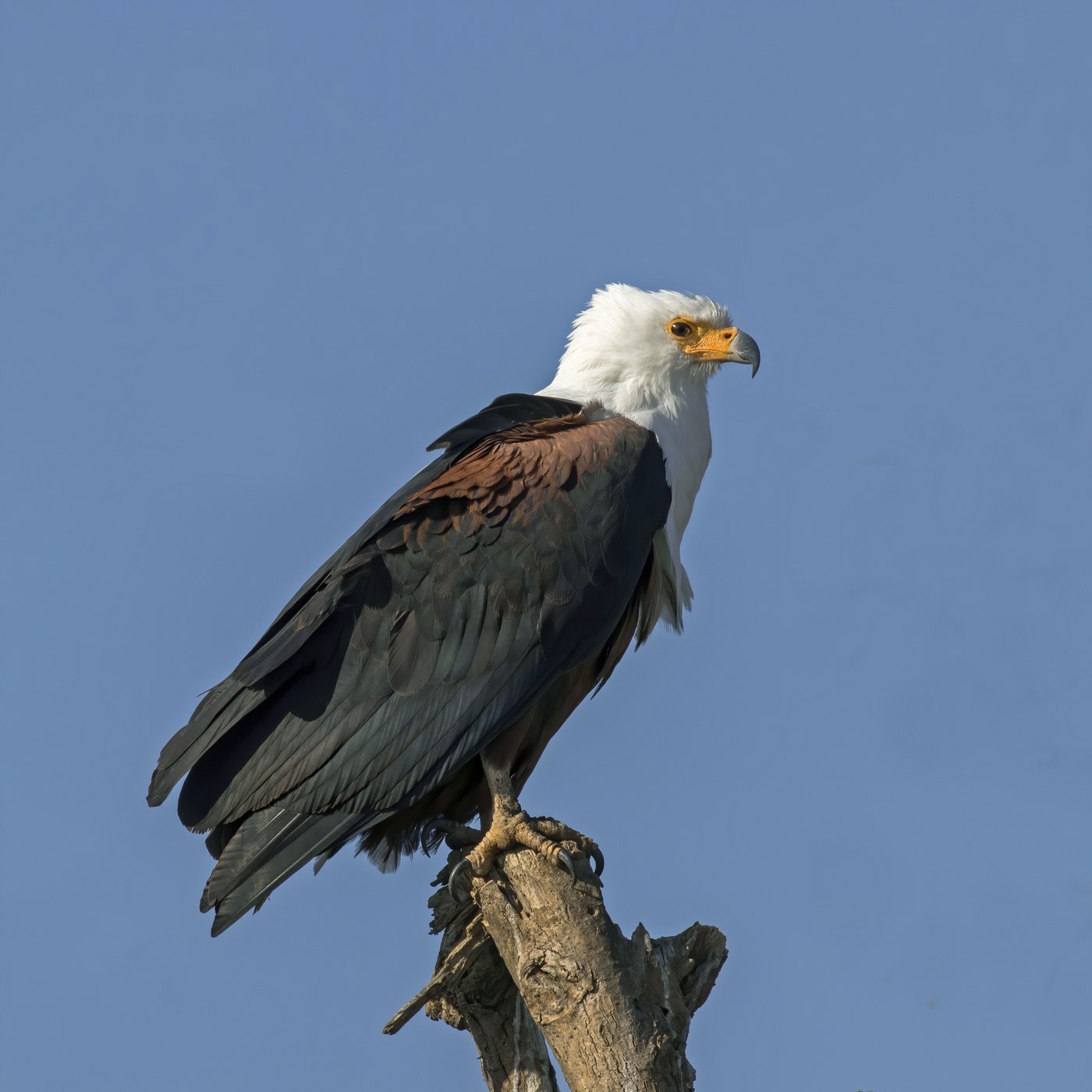
African Fish Eagle
Flight, tail, and body feathers

Amur Falcon
Slender pointed flight feathers; soft slate or orange-buff contour feathers
Red Kite
Flight (wing) and tail feathers
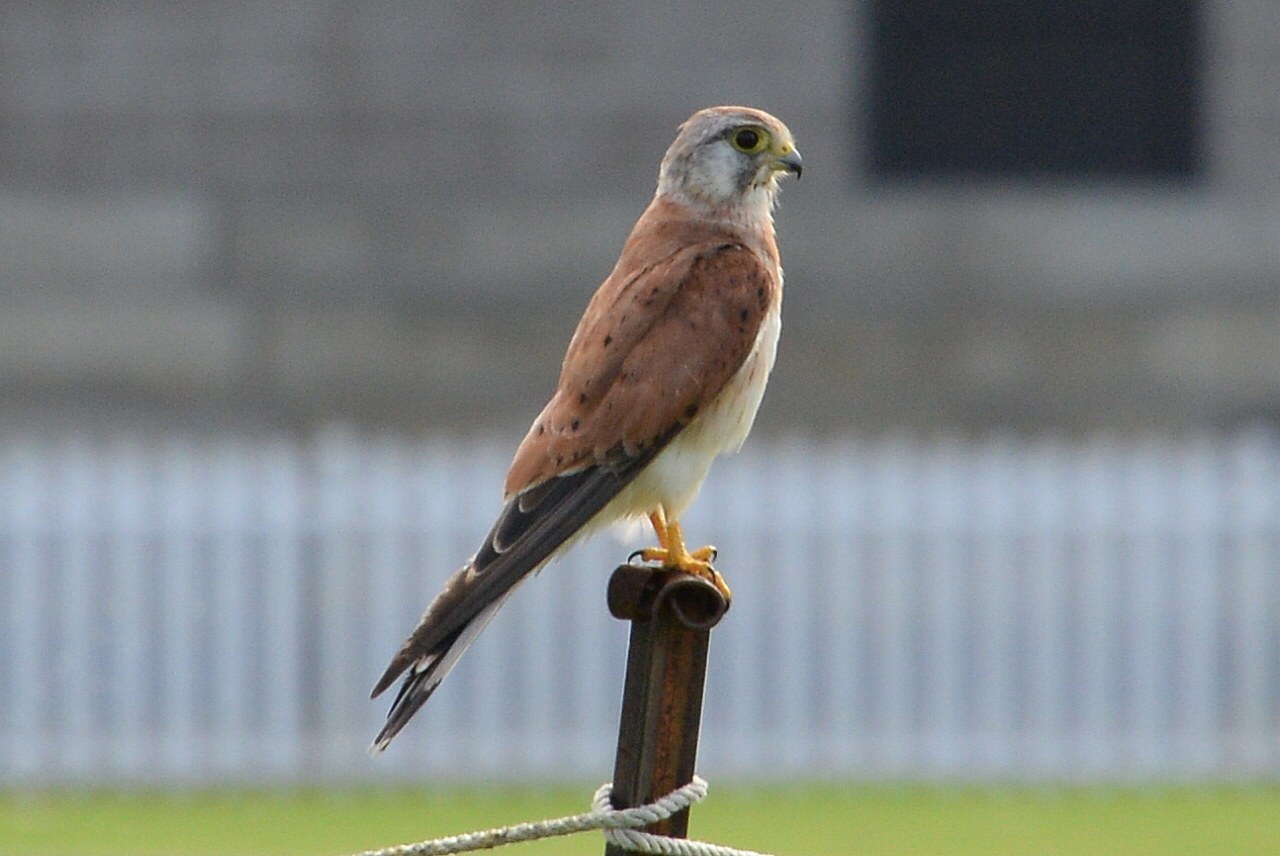
Nankeen Kestrel
Slim pointed flight feathers; lightly marked contour feathers

Andean Condor
Massive flight feathers; broad primaries and secondaries; sturdy tail feathers

Plumbeous Forest Falcon
Short rounded flight feathers; finely barred tail feathers

Sooty Falcon
Long pointed flight feathers; slim tail feathers