
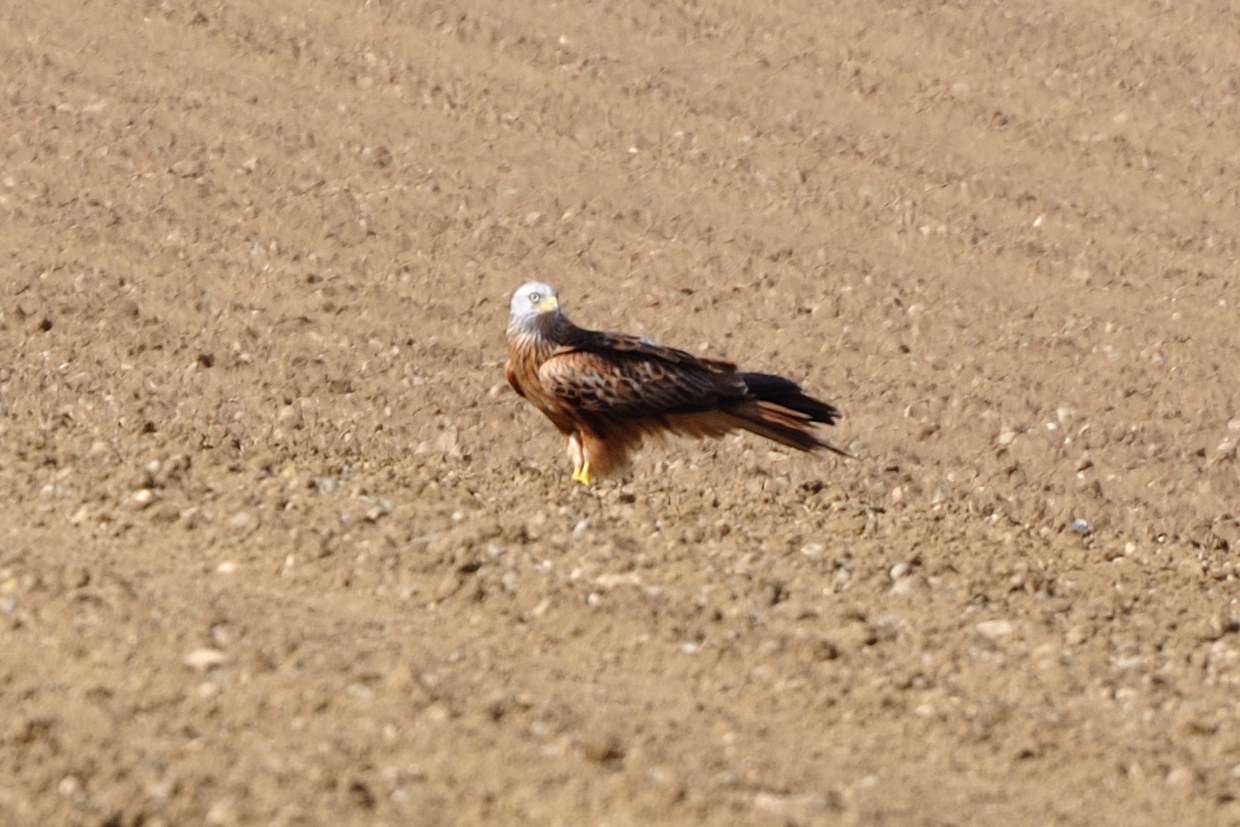
Red Kite
Milvus milvus
A rufous, forked-tailed raptor of Europe whose long, angular wings and deeply forked tail feathers are among the most recognizable silhouettes in the sky.
- Feather type
- Flight (wing) and tail feathers
- Colours
- Rufous-chestnut body with dark streaking; pale flight-feather panels
- Bird size
- Large raptor, ~60-66 cm body, ~175-195 cm wingspan
Found a feather like this?
Identify any feather from a photo, free.
Overview
The Red Kite is a medium-large raptor known for its buoyant, acrobatic flight and rich rufous plumage. Long favored as a scavenger around towns in earlier centuries, it has become a conservation success story in parts of Europe after reintroduction programs. Its feathers reflect a bird built for effortless soaring and fine aerial control rather than powered pursuit.
Identifying the Feather
Red Kite flight feathers are long and finger-like at the tips, with the outer primaries deeply notched to reduce turbulence during slow soaring. In flight the underwing shows a pale, almost translucent panel across the base of the primaries that contrasts with darker wingtips and trailing edge - a useful field mark that carries over into shed feathers, which often show a warm rufous wash on the coverts fading to grey-brown barring on the flight feathers. The tail feathers are the single best identifying clue: long, narrow, and rufous-chestnut with a distinct fork when the tail is closed, unlike the rounded or fanned tails of buzzards. Body (contour) feathers are warm rufous-brown with darker centers, giving a streaked rather than barred look.
Plumage & Molt
Sexes look alike, though females average slightly larger. Juveniles resemble adults but are paler and buffier, with pale fringes to the wing coverts that wear off over the first year. Adults undergo a slow, sequential molt of flight feathers over more than one year, so gaps or contrasts in feather generation are commonly visible in the wing.
Habitat & Range
Red Kites favor a mosaic of farmland, pasture, and broadleaf woodland, often nesting in tall trees along valleys and hunting over open ground nearby. The species breeds across much of western and central Europe, with some populations resident year-round and others, particularly in colder parts of the range, migrating south for winter. Reintroduction projects in Britain and elsewhere have restored populations in areas where the species had been eliminated.
Behavior & Field Notes
Red Kites are opportunistic feeders, taking carrion, earthworms, small mammals, and food scraps, and are frequently seen soaring low over roads and fields on the lookout for an easy meal. Their flight is buoyant and twisting, with constant adjustments of the forked tail acting like a rudder. They build bulky stick nests in tree forks, often decorating them with scavenged debris such as plastic or cloth, and give a thin, mewing whistle. The European population is increasing.
Frequently asked questions
How can I tell a Red Kite feather from a Common Buzzard feather?
Red Kite flight feathers are narrower and more deeply notched at the tip, and tail feathers are long and forked rather than short and rounded or fanned as in a buzzard.
Why do Red Kite feathers look rufous rather than brown?
The species carries a strong reddish-chestnut pigment in its contour and tail feathers, giving it a warmer overall tone than most similarly sized European raptors.
Do male and female Red Kites have different feathers?
No, plumage is essentially identical between sexes; females are simply slightly larger on average.
Where would I likely find a shed Red Kite feather?
Look near river valleys, farmland edges, and woodland where the species nests and forages, especially under roost trees.
Red Kite guides
In-depth guides for identifying and understanding Red Kite.
Red Kite identified by the community
Real feathers identified with Feather Identifier.


Other feathers you may enjoy

Australian Hobby
Long, narrow pointed flight feathers; slender tail feathers

California Condor
Massive flight feathers; long broad primaries; large tail feathers

Brown Falcon
Broad, rounded flight feathers; variable-toned contour feathers
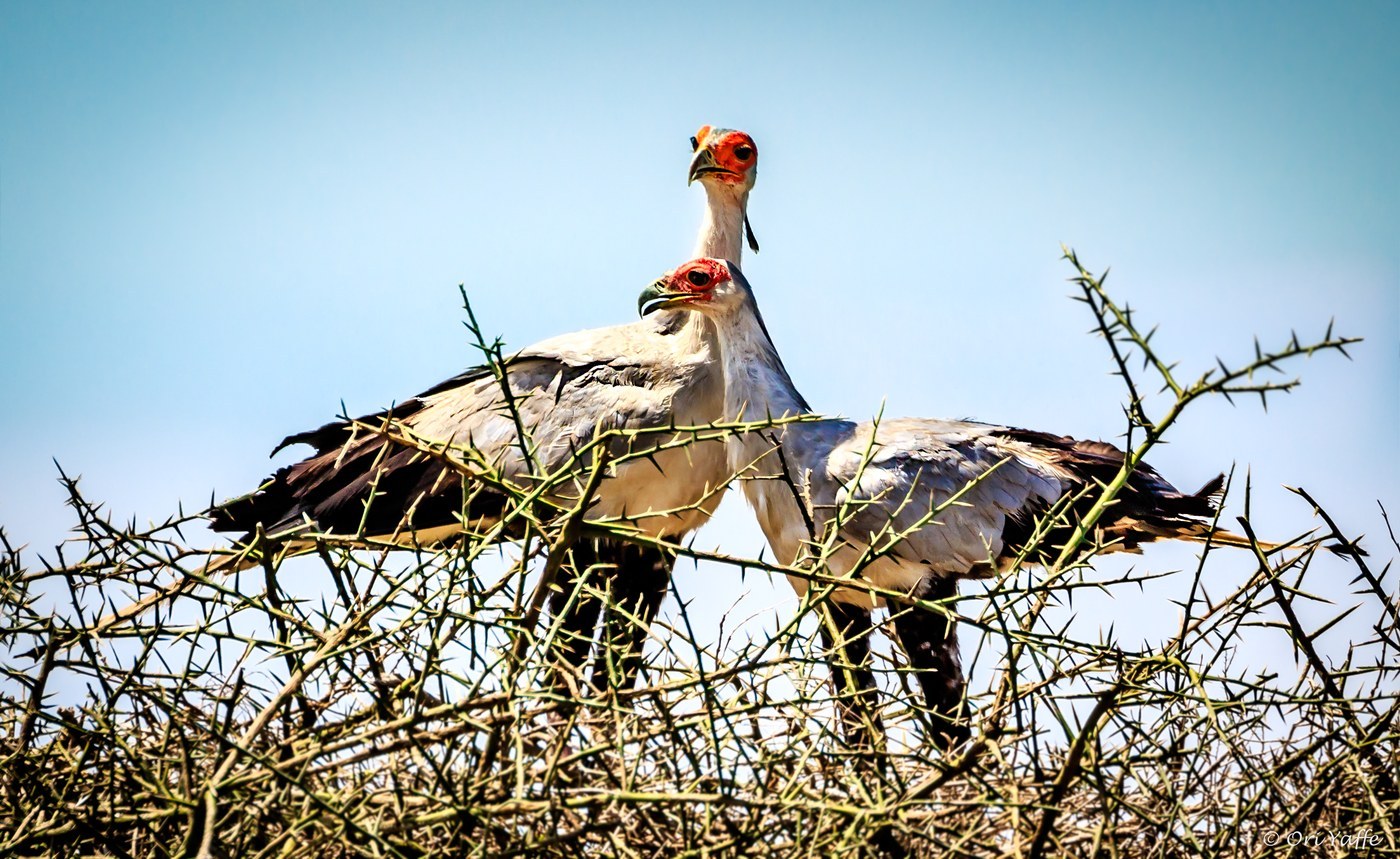
Secretarybird
Long crest feathers; broad flight feathers; elongated central tail feathers

Orange-breasted Falcon
Broad-based pointed flight feathers; bold breast and belly feathers
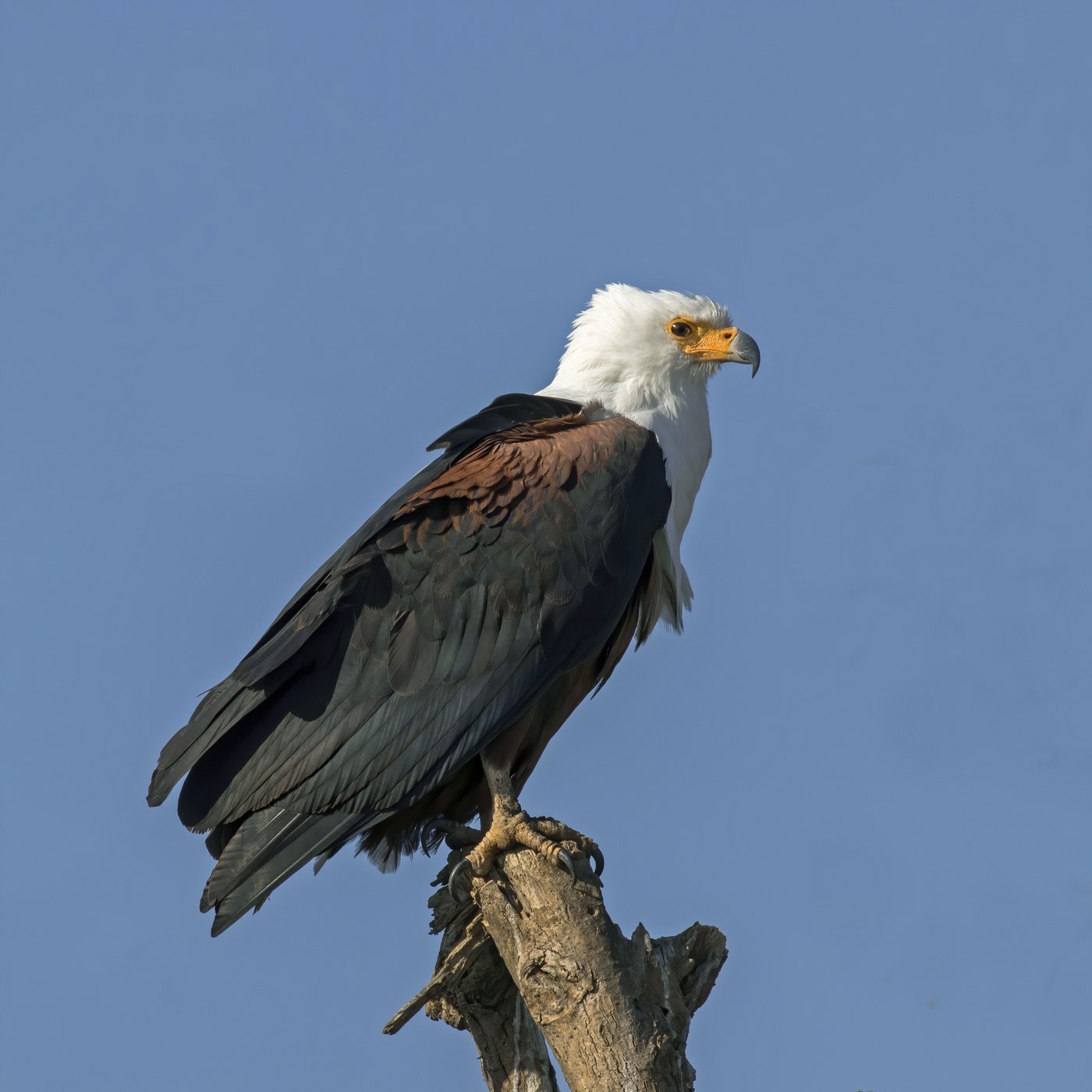
African Fish Eagle
Flight, tail, and body feathers

Amur Falcon
Slender pointed flight feathers; soft slate or orange-buff contour feathers
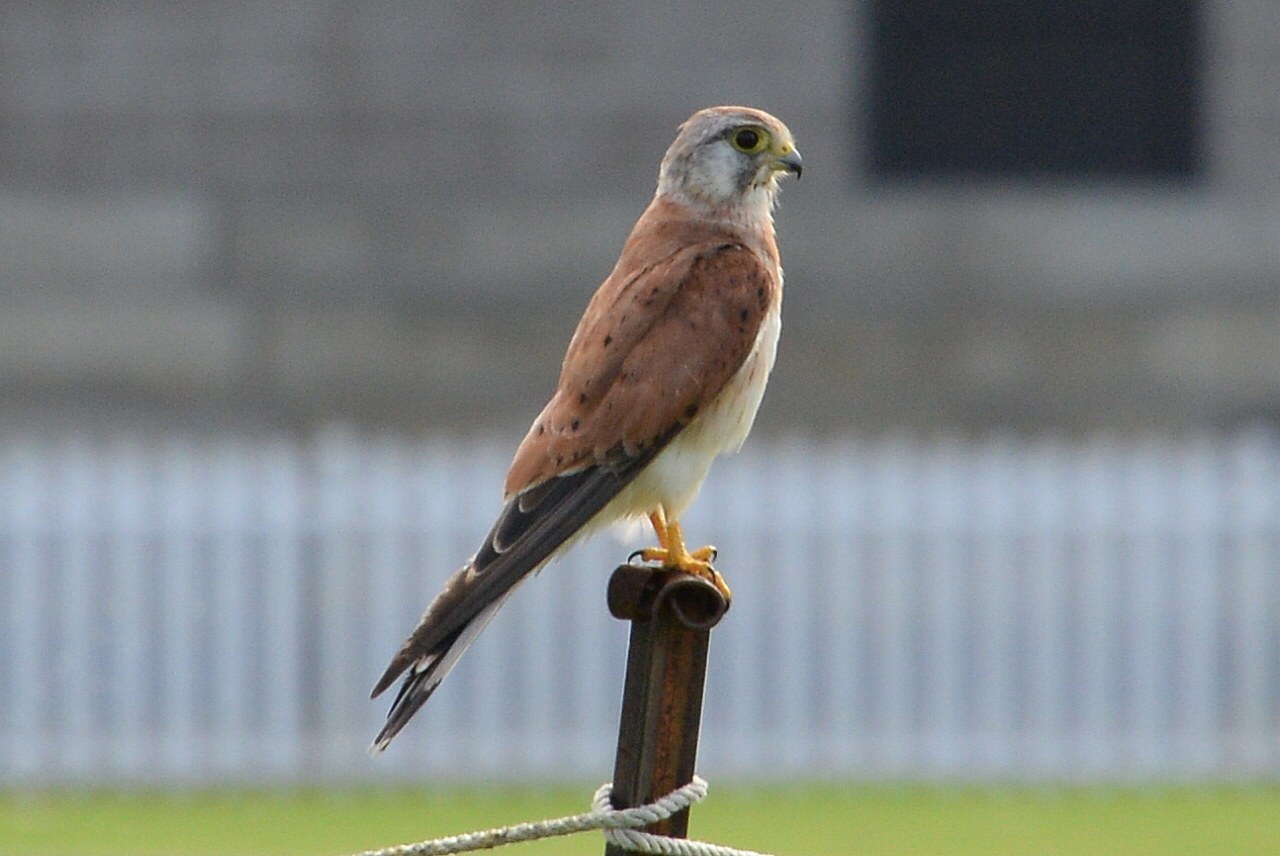
Nankeen Kestrel
Slim pointed flight feathers; lightly marked contour feathers

Andean Condor
Massive flight feathers; broad primaries and secondaries; sturdy tail feathers

Plumbeous Forest Falcon
Short rounded flight feathers; finely barred tail feathers

Sooty Falcon
Long pointed flight feathers; slim tail feathers
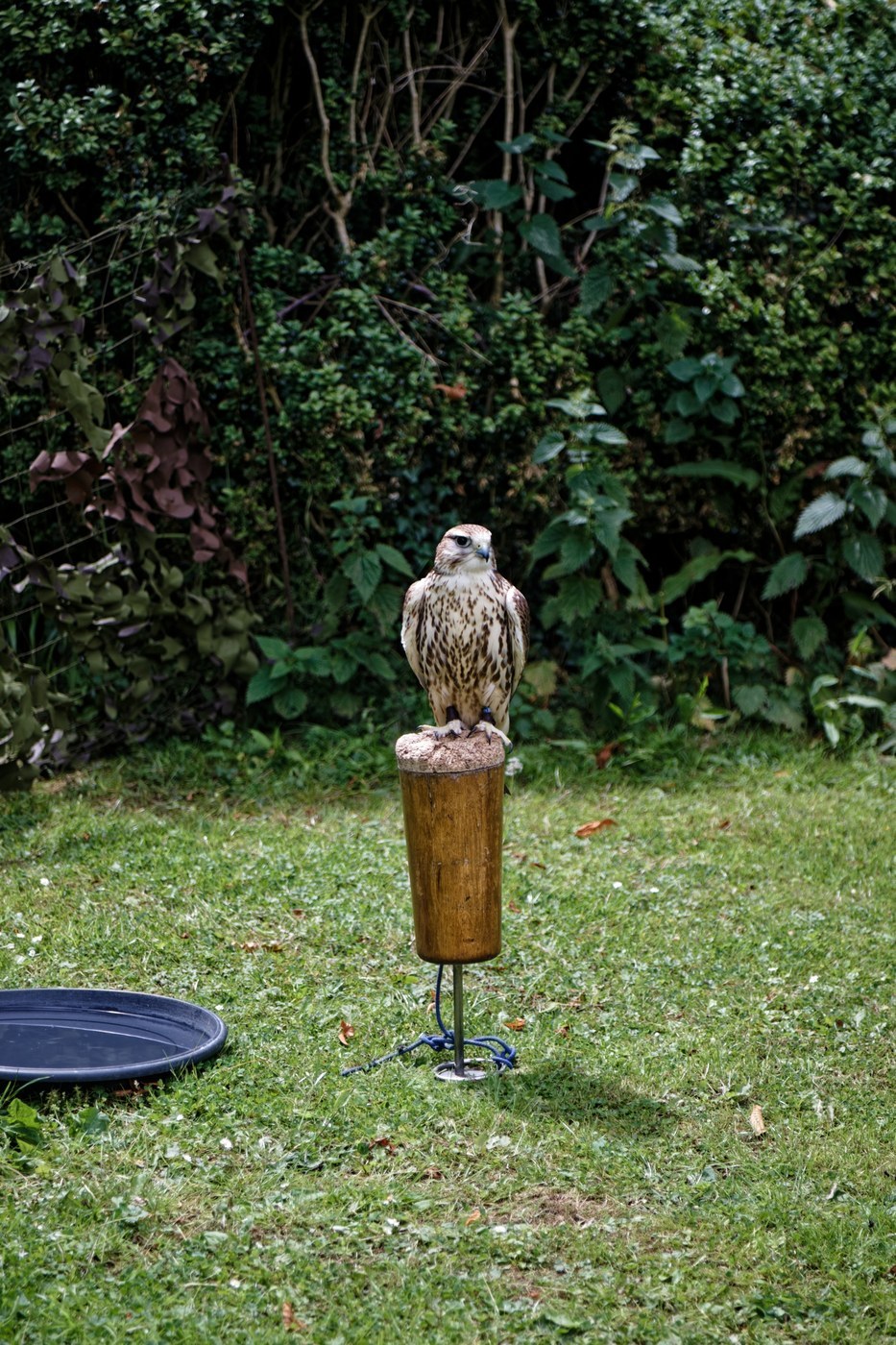
Saker Falcon
Long pointed flight feathers & squared tail; dense back and covert feathers