
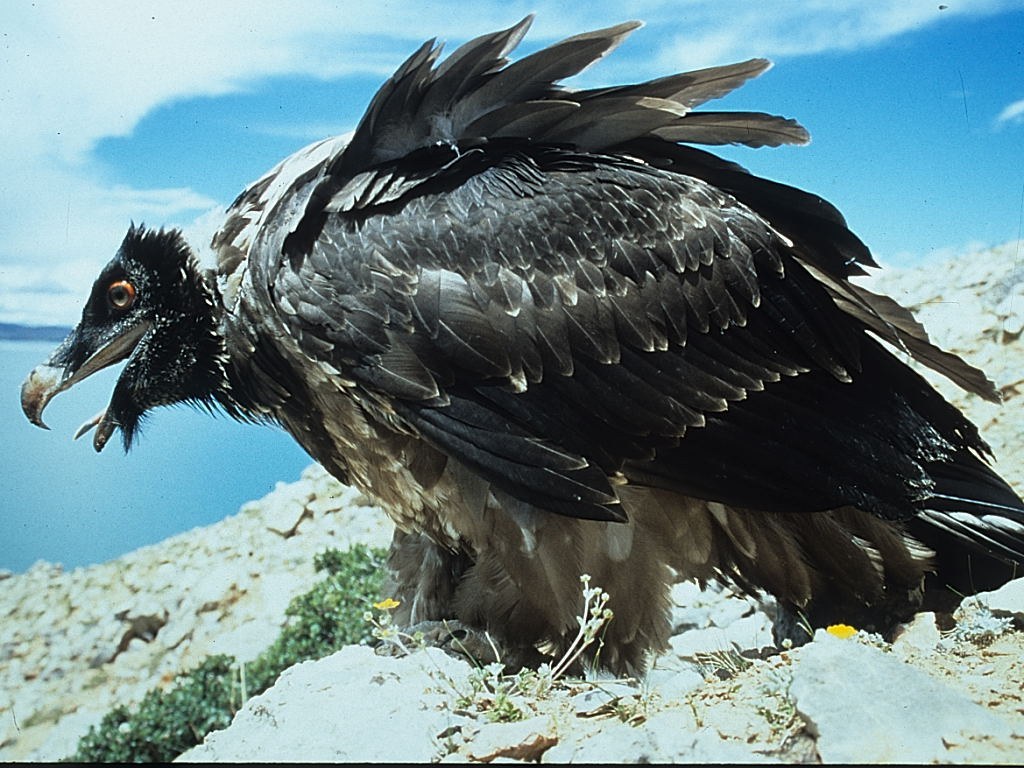
Bearded Vulture
Gypaetus barbatus
A striking mountain vulture with long narrow wings, a long wedge-shaped tail, and underparts that range from creamy white to rich rusty-orange, often stained by iron-rich soil.
- Feather type
- Long narrow flight feathers; long wedge-shaped tail feathers; fine body feathers
- Colours
- Rusty-orange to whitish underparts with dark gray-black wings and tail
- Bird size
- Large raptor, ~94-125 cm
Found a feather like this?
Identify any feather from a photo, free.
Overview
The Bearded Vulture, also known as the Lammergeier, is a distinctive raptor of high mountain ranges across Europe, Africa, and Asia, including the Alps, Pyrenees, Himalaya, and East African highlands. Its silhouette, with long narrow wings and an unusually long, wedge-shaped tail, is unlike that of any other vulture.
Its underparts vary from pale creamy white to a deep rusty-orange, a color that is thought to come partly from deliberately bathing in iron-oxide-rich mud and dust, while the wings and tail are dark gray to blackish.
A tuft of black bristly feathers beneath the bill gives the species its common name, and combined with the elongated diamond-shaped tail, makes its feathers fairly distinctive once the shape is recognized.
Identifying the Feather
Shape and Size
Wings are long and narrow compared to other vultures, and the tail is unusually long and wedge-shaped, tapering to a point; this combination gives a falcon-like or eagle-like silhouette rather than the broad-winged look of most vultures.
Color and Pattern
- Underparts and head feathers: creamy white to deep rusty-orange, variable between individuals
- Upperparts, wings, and tail feathers: dark slate-gray to blackish, often with paler shaft streaks
- Chin/throat bristle feathers: black, forming the "beard"
- Shafts: pale on light feathers, dark on the gray-black feathers
Distinguishing from Similar Species
The long, narrow, pointed wing feathers combined with an elongated wedge-shaped tail feather are distinctive from the broader wings and shorter, more squared tails of Griffon or Cinereous Vultures. The variable rusty-orange staining on underpart feathers is also a useful, though not universal, clue.
Plumage & Molt
Adults show creamy white to rusty-orange underparts and head, with dark gray-black upperparts, wings, and tail, and a black facial bristle "beard"; sexes look alike. Juveniles are largely dark brown-black overall, gradually acquiring the pale head and underparts over five to seven years to reach full adult plumage.
Molt is slow, consistent with the long maturation period and large flight feather size typical of this species.
Habitat & Range
Found in high mountain ranges including the Alps, Pyrenees, Caucasus, Himalaya, and mountains of East and southern Africa, typically foraging over rugged, high-elevation terrain with cliffs for nesting.
Most populations are resident, remaining within or near their mountain ranges year-round, though individuals may range widely while foraging.
Behavior & Field Notes
Feeds largely on bone marrow, often dropping large bones from height onto rocks to break them open before swallowing the fragments, a very specialized feeding strategy among vultures. Also takes some carrion flesh.
Nests on remote cliff ledges. Generally quiet, with occasional whistling calls near the nest.
A long, narrow dark gray-black flight feather or an elongated wedge-shaped tail feather, especially with rusty-orange underpart feathers nearby, found in high mountain terrain, points to this species.
Frequently asked questions
Why do some Bearded Vulture feathers look orange?
Adults often bathe in iron-oxide-rich mud and dust, which stains the white underpart feathers a rusty-orange color; the underlying feather is naturally whitish.
What is the best shape clue for this species?
The unusually long, narrow wings and long, wedge-shaped tail give this species a more falcon- or eagle-like silhouette than other vultures, and individual tail feathers reflect that elongated shape.
How long does it take to reach adult plumage?
Juveniles are dark overall and take roughly five to seven years to acquire the full pale-headed adult plumage.
Where in the world would I find this feather?
High mountain ranges such as the Alps, Pyrenees, Himalaya, or mountains of East and southern Africa.
Bearded Vulture guides
In-depth guides for identifying and understanding Bearded Vulture.
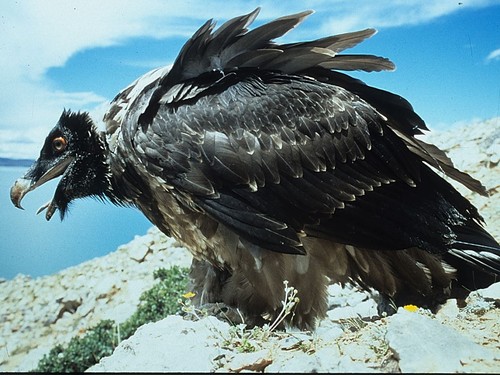
Bearded Vulture identified by the community
Real feathers identified with Feather Identifier.

Other feathers you may enjoy

Australian Hobby
Long, narrow pointed flight feathers; slender tail feathers

California Condor
Massive flight feathers; long broad primaries; large tail feathers

Brown Falcon
Broad, rounded flight feathers; variable-toned contour feathers
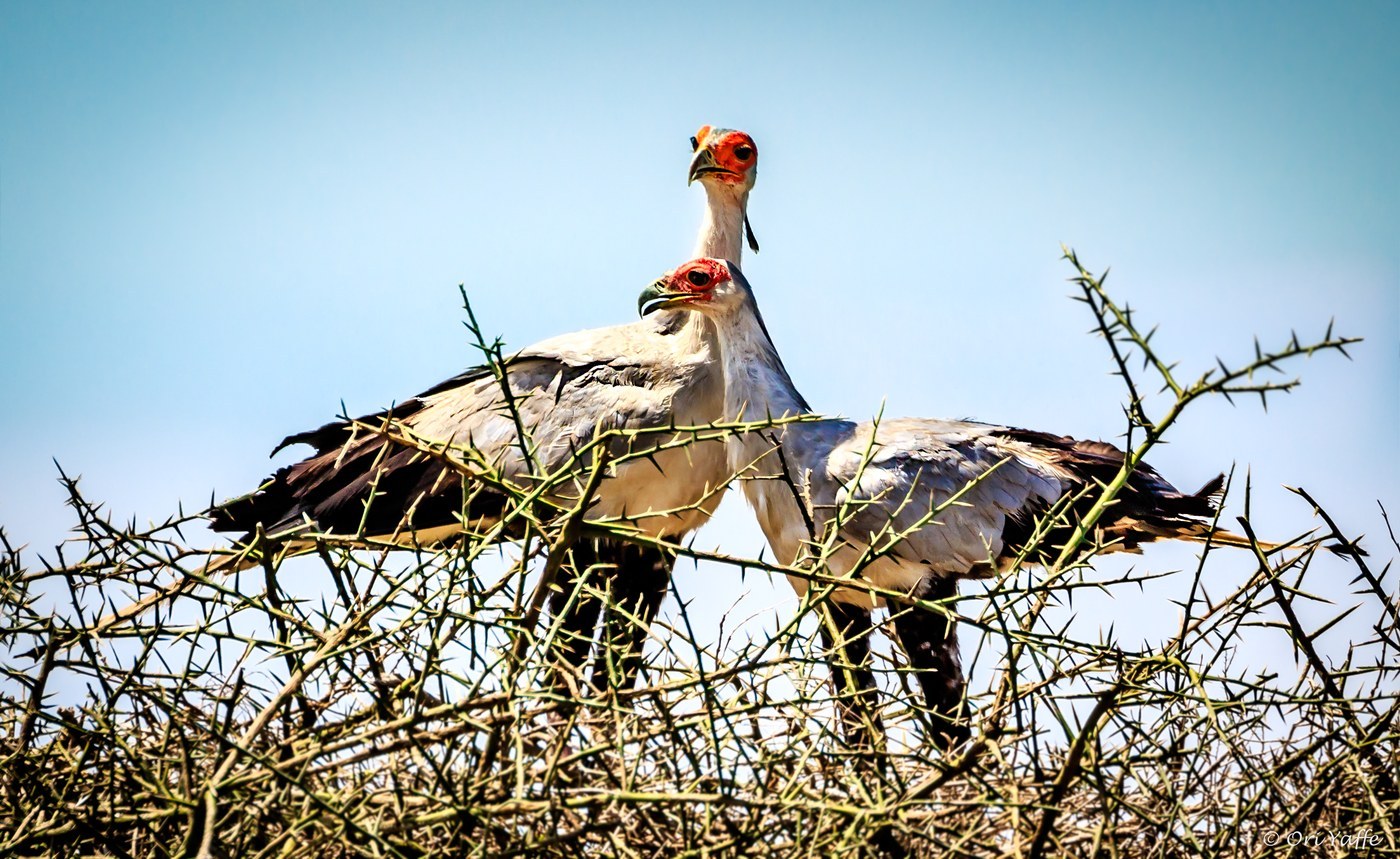
Secretarybird
Long crest feathers; broad flight feathers; elongated central tail feathers

Orange-breasted Falcon
Broad-based pointed flight feathers; bold breast and belly feathers
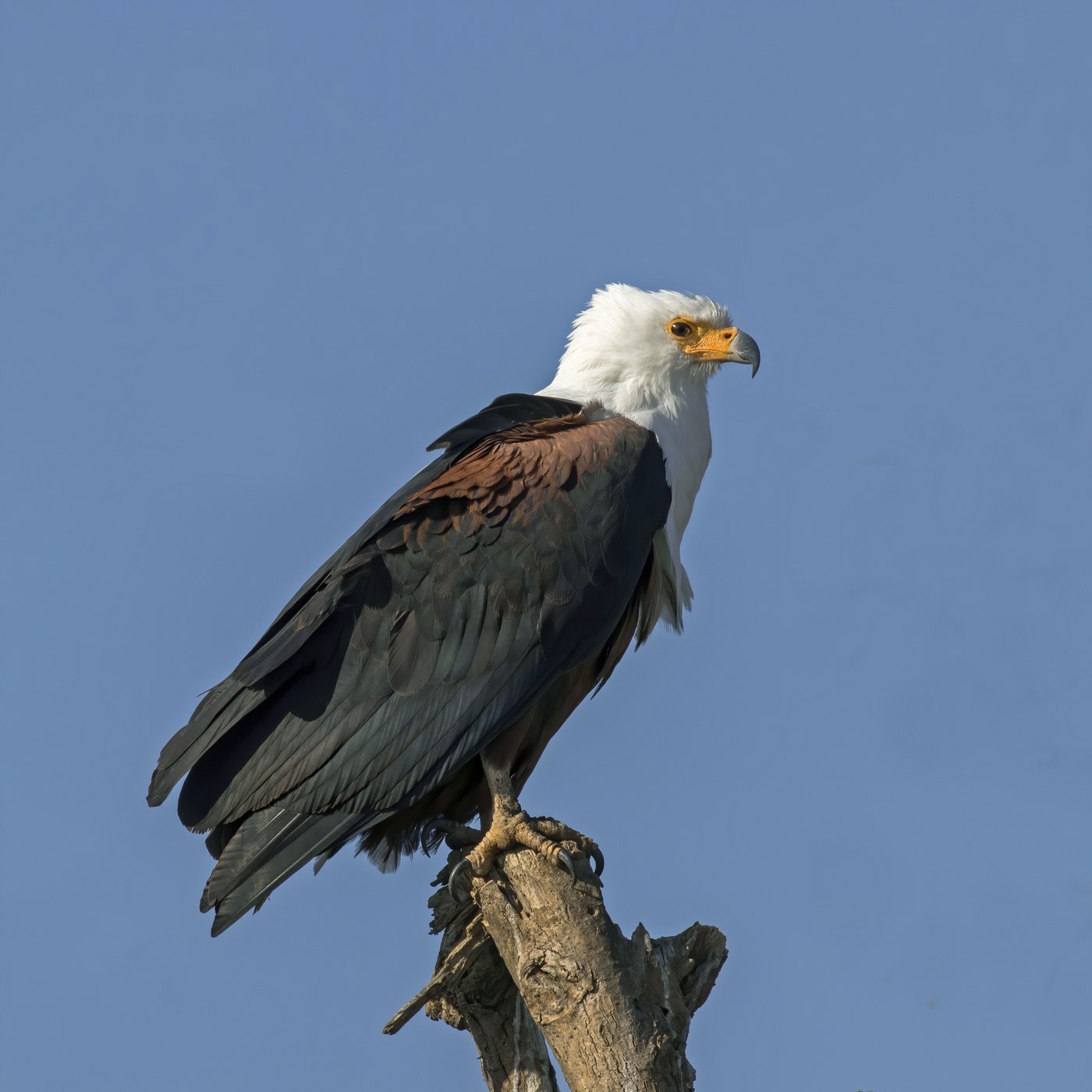
African Fish Eagle
Flight, tail, and body feathers

Amur Falcon
Slender pointed flight feathers; soft slate or orange-buff contour feathers
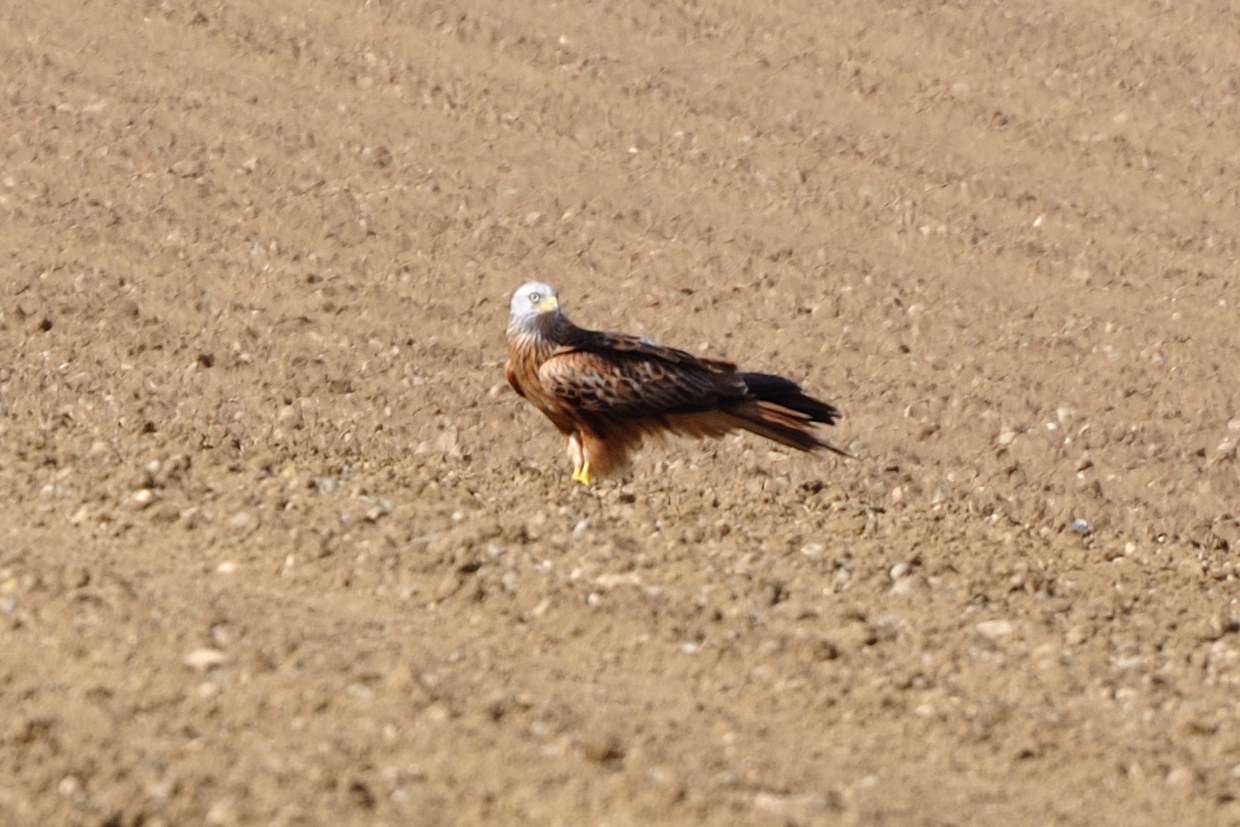
Red Kite
Flight (wing) and tail feathers
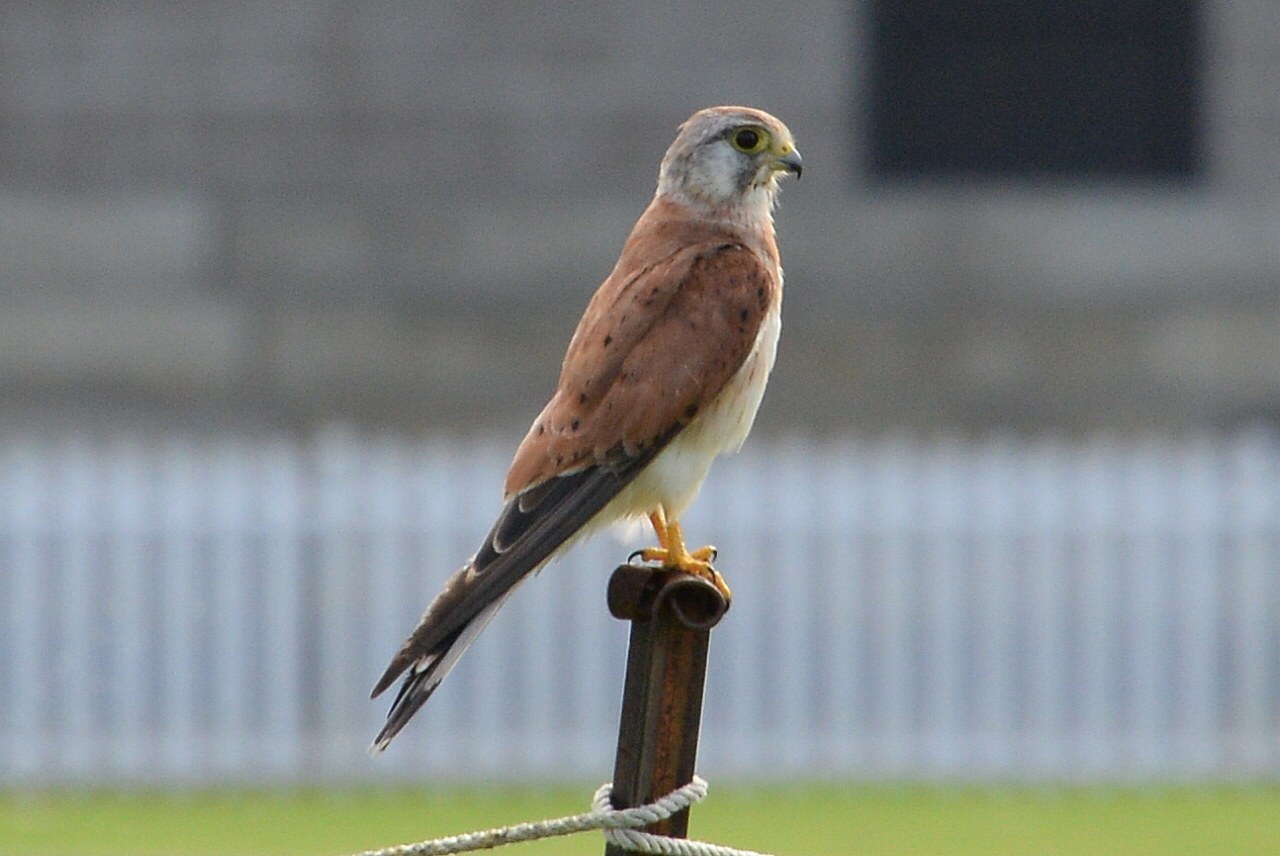
Nankeen Kestrel
Slim pointed flight feathers; lightly marked contour feathers

Andean Condor
Massive flight feathers; broad primaries and secondaries; sturdy tail feathers

Plumbeous Forest Falcon
Short rounded flight feathers; finely barred tail feathers

Sooty Falcon
Long pointed flight feathers; slim tail feathers