

Black-and-white Owl
Strix nigrolineata
A striking Neotropical wood owl patterned in crisp black-and-white barring, with no ear tufts and a bright yellow-orange facial disc and bill that contrast sharply with its otherwise monochrome plumage.
- Feather type
- Broad rounded flight feathers; finely barred body plumage; no ear tufts
- Colours
- Crisp black-and-white barring throughout, with a yellow-orange facial disc and bill
- Bird size
- Medium, ~33-38 cm
Found a feather like this?
Identify any feather from a photo, free.
Overview
The Black-and-white Owl is a visually striking wood owl of lowland tropical forest from Central America into northwestern South America, named for its bold, high-contrast black-and-white barred plumage. Unlike eagle-owls, it has no ear tufts, and its rounded head is set off by a bright yellow-orange facial disc and matching bill.
It favors tall, humid forest and forest edge, including areas near water, and is more often heard than seen given its nocturnal and somewhat secretive habits despite its bold coloration. When roosting quietly in dense canopy foliage by day, its strong contrast pattern can still make it more conspicuous than many other cryptically colored forest owls.
Its feathers are among the most distinctively patterned of any Neotropical owl, and the crisp black-and-white barring readily separates them from the more muted, blended tones of related wood owls in the same region.
Identifying the Feather
Size and shape
Medium feathers from a bird 33-38 cm long, with broad, rounded flight feathers and no ear-tuft feathers, typical of Strix wood owls.
Color and pattern
- Plumage shows crisp, high-contrast black-and-white barring throughout the upperparts, underparts, wings, and tail.
- The barring is fine and regular, giving a strongly striped or barred appearance unlike the blended mottling of related species.
- The facial disc is a bright yellow-orange, though this soft tissue coloration is not present on shed feathers themselves; facial disc feathers are whitish with dark rims.
- Shafts are dark.
Distinguishing from similar species
Compared to the Mottled Owl, Black-and-white Owl feathers show much crisper, higher-contrast black-and-white barring rather than soft blended brown mottling, making this one of the more readily identifiable Neotropical wood owl feather patterns.
Plumage & Molt
Adults show crisp black-and-white barring throughout the body, wings, and tail, with a bright yellow-orange facial disc and bill visible on the living bird. Sexes look alike. Juveniles are paler and downier with less crisply defined barring. Molt follows breeding on an annual cycle.
Habitat & Range
This species is found from southern Mexico through Central America into northwestern South America, favoring tall lowland tropical forest and forest edge, often near rivers or wetlands. It is generally resident within forest territories.
Behavior & Field Notes
Black-and-white Owls hunt insects, small vertebrates, and occasionally bats at night, often near forest edges, clearings, or watercourses where prey concentrates. They roost by day in dense canopy foliage. The call is a deep, resonant series of hoots. Nests are placed in tree cavities. When identifying a feather, look for the crisp, evenly spaced black-and-white barring throughout, which sets this species apart from the more blended mottled patterns of related Neotropical wood owls.
Frequently asked questions
What makes the Black-and-white Owl's feathers so distinctive?
Its plumage shows crisp, high-contrast black-and-white barring throughout, unlike the softer blended mottling seen in related Neotropical wood owls.
Does the Black-and-white Owl have ear tufts?
No, like other members of the genus Strix, it lacks ear tufts and has a rounded head profile.
Where does the Black-and-white Owl live?
It occurs in tall lowland tropical forest and forest edge from southern Mexico through Central America into northwestern South America.
What color is this owl's facial disc?
In life it shows a bright yellow-orange facial disc and bill, though this soft-tissue coloration is not present on shed feathers, which show whitish, dark-rimmed facial disc feathers instead.
Black-and-white Owl guides
In-depth guides for identifying and understanding Black-and-white Owl.

Other feathers you may enjoy

Tawny Owl
Wing (flight) and body (contour) feathers
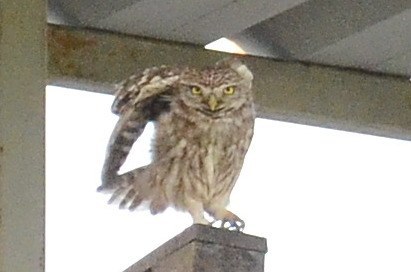
Little Owl
Wing and body feathers

Balsas Screech-Owl
Small ear-tuft feathers; soft, finely vermiculated body feathers

Blakiston's Fish Owl
Massive flight feathers with looser structure; shaggy body plumage; prominent ear-tuft feathers

Barn Owl
Wing and facial-disc feathers
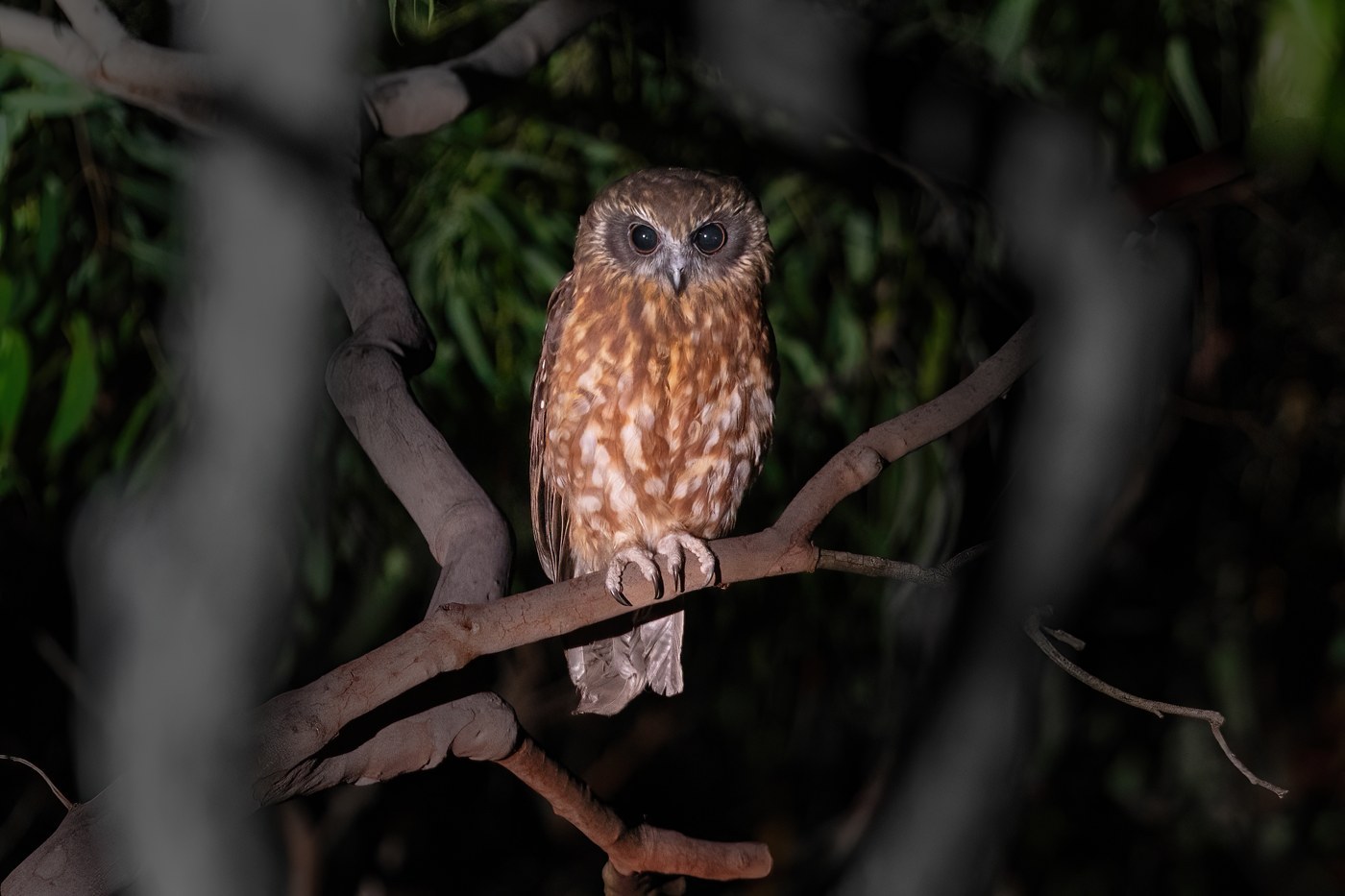
Southern Boobook
Rounded flight feathers; banded tail; spotted body plumage

Sooty Owl
Broad soft-edged flight feathers; heart-shaped facial disc feathers; finely speckled body plumage

Short-eared Owl
Broad soft-fringed flight feathers; streaked body feathers; tiny, rarely visible ear tufts

Stygian Owl
Dark, mottled flight and body feathers with long, closely-set ear tufts
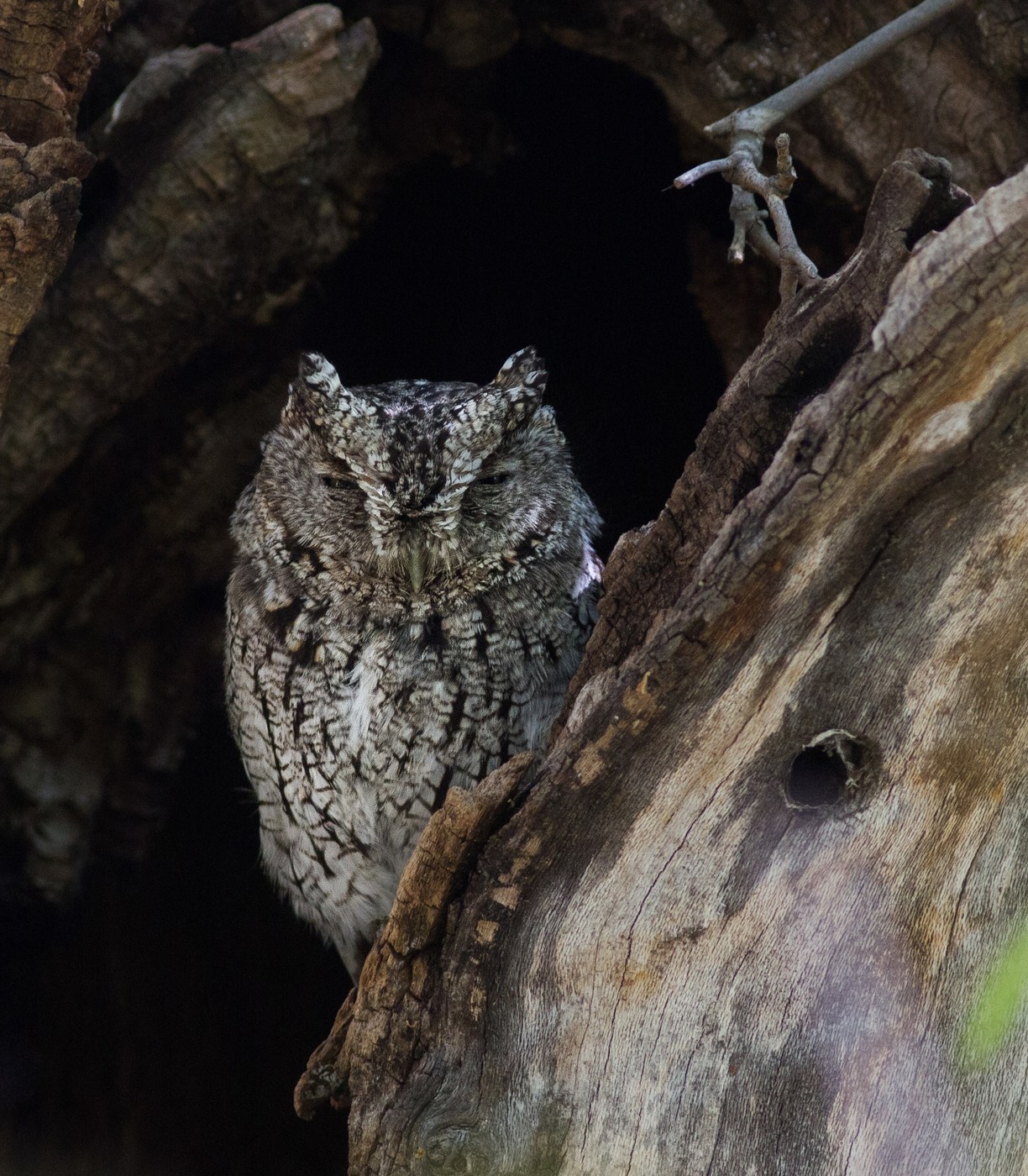
Whiskered Screech-Owl
Small soft-fringed flight feathers; finely mottled body feathers; short ear tufts
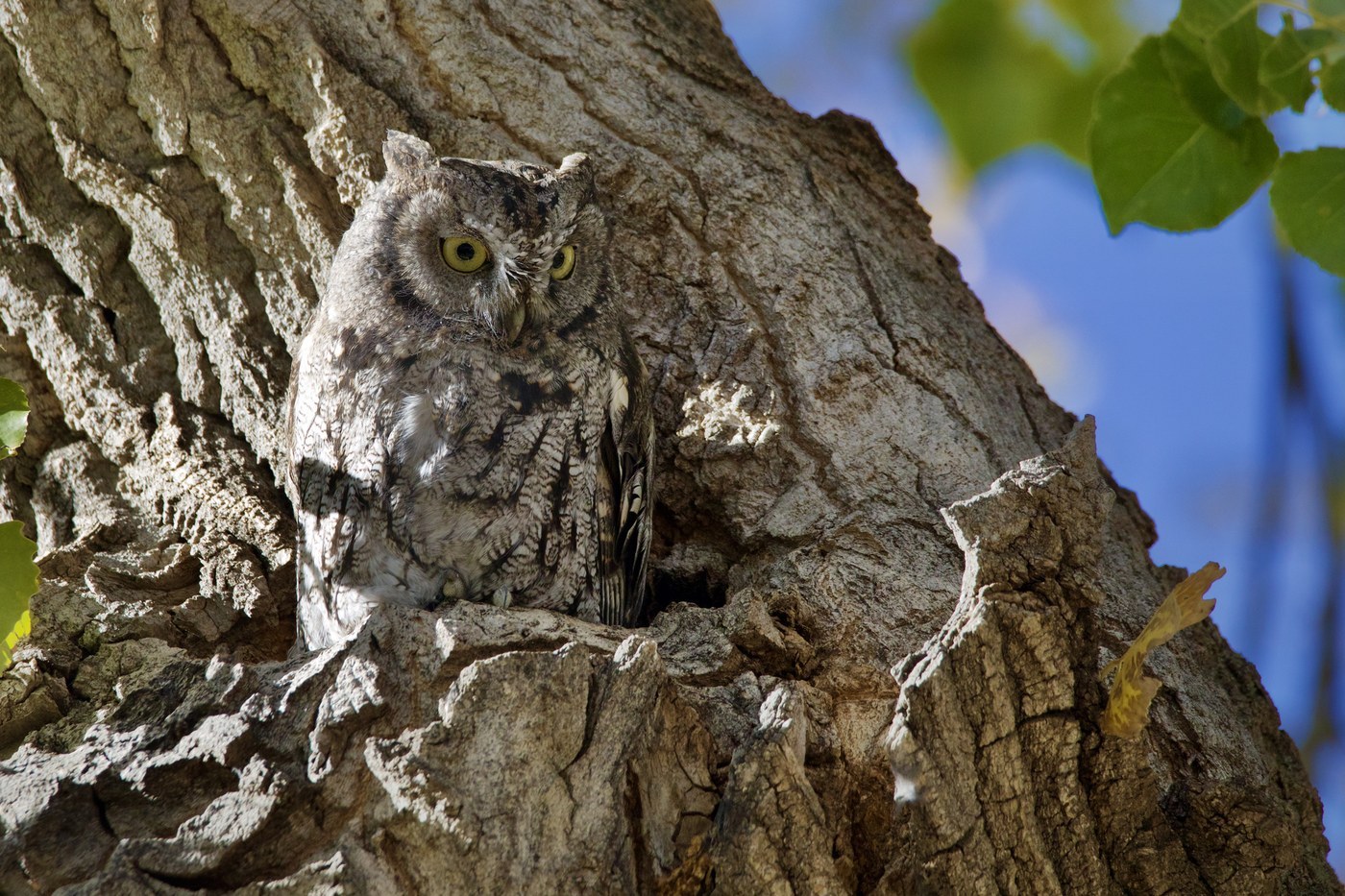
Western Screech-Owl
Small soft-fringed flight feathers; cryptic mottled/streaked body feathers; short ear tufts

White-faced Scops Owl
Small to medium flight feathers with a distinctive whitish facial disc and long ear-tuft plumes