

Black-bellied Plover
Pluvialis squatarola
The largest and most widespread of the golden-plover group, told from true golden-plovers by white-and-black (not golden) upperpart spangling and diagnostic black underwing feathers.
- Feather type
- Densely spangled body feathers in breeding plumage; plain pale grey feathers in non-breeding plumage; diagnostic black axillary (wingpit) feathers
- Colours
- White-and-black spangled upperparts with black face and underparts in breeding plumage; pale grey overall in non-breeding plumage
- Bird size
- Largest golden-plover relative, ~27-31 cm
Found a feather like this?
Identify any feather from a photo, free.
Overview
The Black-bellied Plover, also widely known as the Grey Plover, is the largest member of the golden-plover group and one of the most widely distributed shorebirds in the world, breeding on high Arctic tundra and wintering on coastlines across nearly every continent. Unlike the true golden-plovers, its breeding upperparts are spangled in white and black rather than gold and black, giving rise to its alternative name.
In non-breeding plumage it becomes a rather plain pale grey bird, among the most subdued in overall pattern of the shorebirds sharing its coastal wintering habitat. The single most reliable feature separating this species from the golden-plovers in any plumage is a patch of black feathers in the axillaries, or "wingpit," visible when the wing is raised or in flight, a feature absent in all three golden-plover species.
A white-and-black spangled feather (breeding) or plain pale grey feather (non-breeding), especially when paired with evidence of black axillary feathers, found along a coastal mudflat or beach is a strong indicator of this species.
Identifying the Feather
Shape and Size
Body feathers are the largest of the golden-plover group, and flight feathers are long and broad, reflecting the largest overall body size among these species.
Color and Pattern
- Breeding upperpart feathers show dense white-and-black spangling, distinctly cooler-toned than the warm gold-and-black spangling of true golden-plovers.
- Breeding underparts are black, bordered by a white band, with a white crown and nape.
- Non-breeding feathers are plain pale grey, with only faint mottling, among the plainest of any shorebird in its wintering range.
- Black axillary (wingpit) feathers are present in all plumages, a diagnostic feature unique among the golden-plover group and visible in flight or when the wing is spread.
Shaft and Vane
Shafts are dark on upperpart feathers; the black axillary feathers have dark shafts and vanes throughout, contrasting sharply with the otherwise pale underwing.
Distinguishing from Similar Species
The black axillary feathers are the single most reliable feature distinguishing this species from American, Pacific, and European Golden-Plover, none of which show this dark underwing patch. Breeding upperparts also differ in tone, being white-and-black rather than golden, and this species is noticeably larger and bulkier than any of the golden-plovers.
Plumage & Molt
Breeding adults show white-and-black spangled upperparts, a white crown and nape, and black face and underparts bordered by a white band. Non-breeding adults and juveniles are plain pale grey above with faint mottling and whitish underparts. Sexes look similar. Black axillary feathers are present year-round in all plumages. Molt follows breeding with a complete post-breeding molt into non-breeding plumage, and a partial pre-breeding molt restores breeding plumage before returning to Arctic breeding grounds.
Habitat & Range
The Black-bellied Plover breeds on high Arctic tundra across northern North America, Europe, and Asia, and winters on coastal mudflats, sandy beaches, and estuaries on nearly every continent, from temperate to tropical latitudes. It is one of the most widespread shorebirds worldwide during the non-breeding season, occupying a vast range of coastal wintering sites.
Behavior & Field Notes
This species forages on coastal mudflats and beaches, often standing and watching before making a quick dash to seize prey, a hunting style described as more visually oriented than the constant probing of many sandpipers. It is often solitary or loosely associated with other shorebirds, and is notably wary, frequently the first to give alarm calls at the approach of danger. Its call is a mournful, three-note whistle. Nests are shallow scrapes on open Arctic tundra. For feather finders, a plain pale grey feather (non-breeding) or white-and-black spangled feather (breeding) found on a coastal mudflat or beach, especially combined with evidence of black axillary feathers, is a strong indicator of this species.
Frequently asked questions
What is the single best way to distinguish this species from golden-plovers?
Black-bellied Plover shows black feathers in the axillaries ("wingpit"), visible in flight or when the wing is spread, a feature absent in American, Pacific, and European Golden-Plover.
Why is this species also called the Grey Plover?
In non-breeding plumage it appears plain pale grey overall, and its breeding upperparts are spangled white-and-black rather than gold, both consistent with the name Grey Plover used in many regions.
Where does the Black-bellied Plover winter?
On coastal mudflats, beaches, and estuaries across nearly every continent, making it one of the most widespread wintering shorebirds in the world.
Is this species larger than the golden-plovers?
Yes, it is the largest member of the golden-plover group, both in body size and feather dimensions.
Black-bellied Plover guides
In-depth guides for identifying and understanding Black-bellied Plover.

Other feathers you may enjoy
Southern Lapwing
Body, flight, and tail feathers

Jack Snipe
Body and flight feathers

Far Eastern Curlew
Body, flight, and tail feathers

Terek Sandpiper
Body and flight feathers

Wilson's Phalarope
Body and flight feathers
Long-billed Curlew
Body, flight, and tail feathers

Upland Sandpiper
Body, flight, and tail feathers

Red Phalarope
Body and flight feathers

Eurasian Dotterel
Body feathers
Masked Lapwing
Body, flight, and tail feathers
Eurasian Curlew
Body, flight, and tail feathers
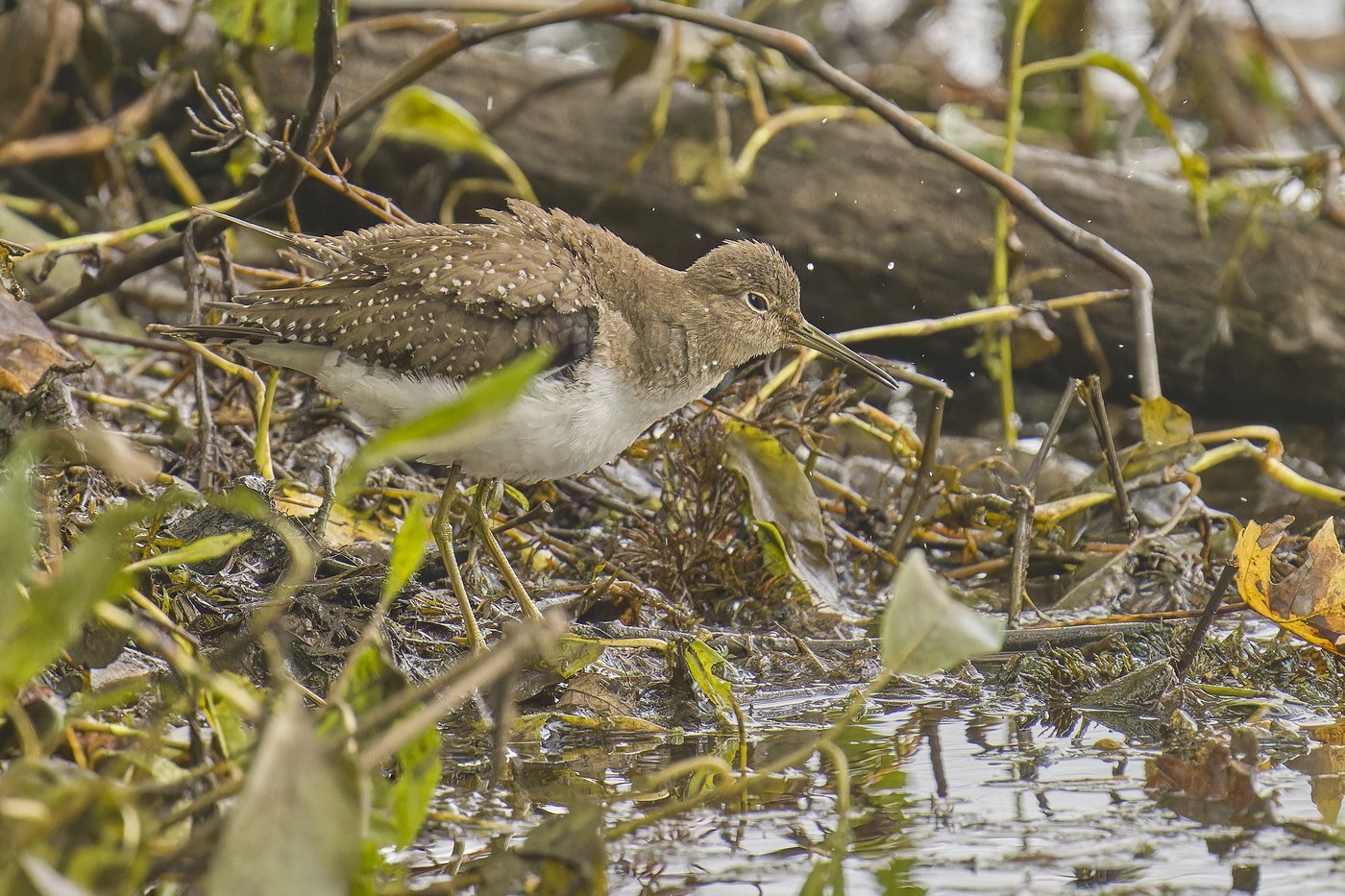
Solitary Sandpiper
Contour and flight feathers