
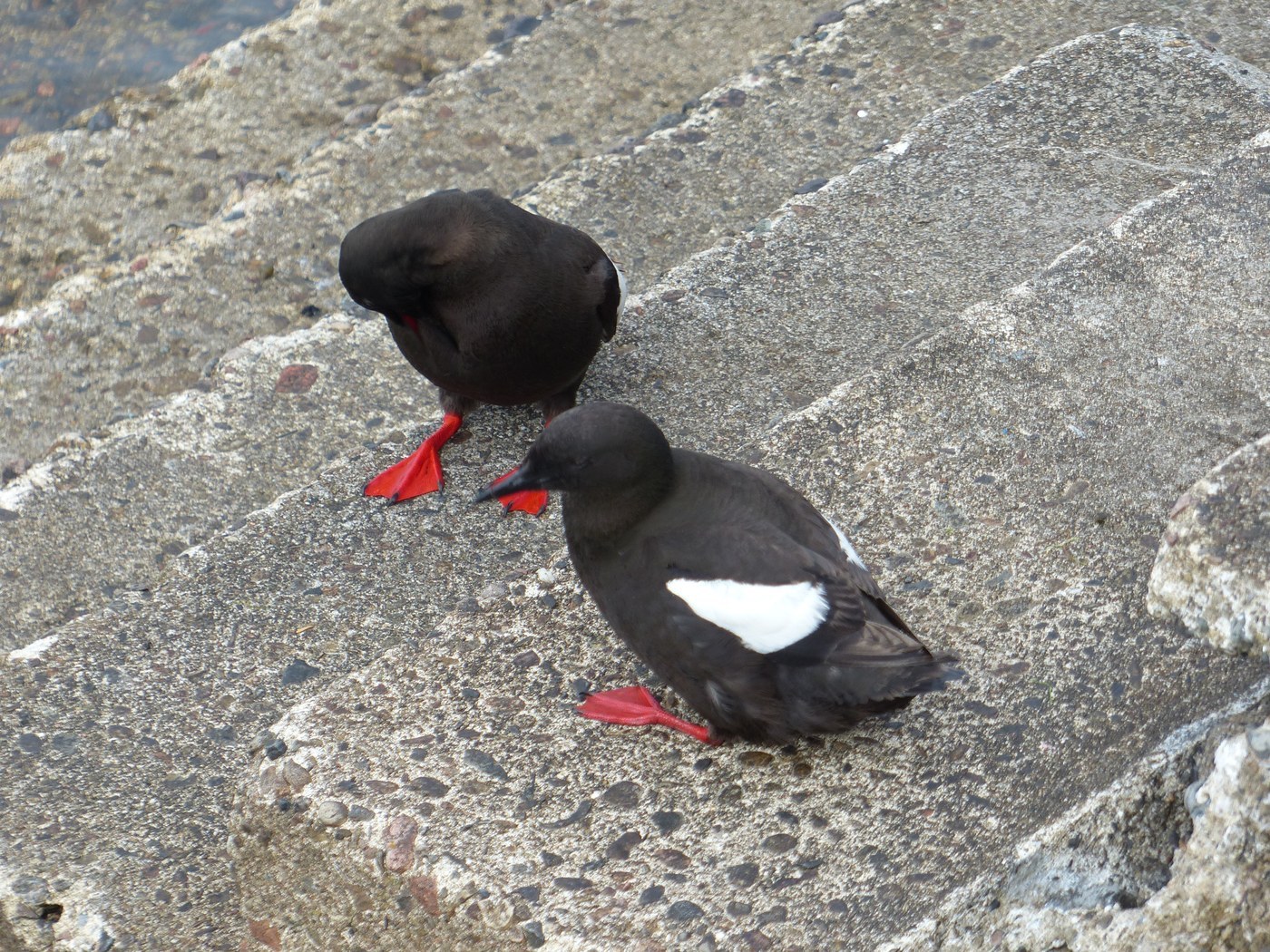
Black Guillemot
Cepphus grylle
A small, sooty-black auk of northern rocky coasts, easily told by a bold white oval patch on each wing and bright red legs and feet.
- Feather type
- Contour, flight, and tail feathers
- Colours
- Sooty black overall with a bold white wing patch in breeding plumage
- Bird size
- Small, ~30-32 cm
Found a feather like this?
Identify any feather from a photo, free.
Overview
The Black Guillemot is a distinctively marked, mostly resident auk of rocky northern shorelines, less dependent on offshore pelagic waters than many of its relatives. Its striking black breeding plumage, white wing patches, and coral-red legs make it one of the more readily identified auks close to shore.
Identifying the Feather
- Breeding-plumage body feathers are sooty black overall, without the white underparts typical of murres and Razorbills
- A large, bold white patch on the upperwing coverts stands out sharply against the black body and is diagnostic when present on a wing feather
- Non-breeding and winter feathers are largely white with dark barring on the back, a striking contrast to the all-black summer plumage
- Flight feathers are broad and rounded relative to body size, suited to short, whirring flights between nearby rocks and water
- Tail feathers are short and squared, typical of the smaller auks
Plumage & Molt
- Breeding adults are almost entirely sooty black except for the bold white wing patch
- Non-breeding adults become largely white below and on the head, with black barring and mottling across the back and wings, retaining the white wing patch
- Juveniles resemble winter adults but with more diffuse barring and a duskier wing patch
- Sexes are alike in plumage
- A complete molt after breeding transitions birds into the barred winter plumage, with a return molt before the next breeding season
Habitat & Range
Black Guillemots inhabit rocky coastlines, skerries, and inshore waters across the North Atlantic and Arctic, including Iceland, the British Isles, Scandinavia, and northeastern North America, nesting in rock crevices, boulder piles, or artificial structures near the shore. Unlike many auks, this species tends to remain relatively close to its breeding coasts throughout the year rather than moving far out to open ocean.
Behavior & Field Notes
This guillemot forages by diving to the seafloor in shallow, inshore waters, taking small fish and invertebrates from among rocks and kelp rather than pursuing schooling fish far offshore. It nests singly or in small, loose groups in rock crevices, laying one or two eggs. Its call is a thin, high-pitched whistle, quite different from the growling notes of murres.
Frequently asked questions
What is distinctive about a Black Guillemot feather?
In breeding plumage, look for an almost entirely sooty black body feather, or a wing feather showing part of the bold white patch that stands out sharply against the black.
How different does this bird look in winter?
Winter adults become largely white with black barring on the back, a dramatic shift from the nearly all-black breeding plumage, though the white wing patch remains.
Does the Black Guillemot migrate far offshore like other auks?
No, it tends to stay relatively close to its rocky breeding coastline year-round rather than wintering far out at sea.
Black Guillemot guides
In-depth guides for identifying and understanding Black Guillemot.
Other feathers you may enjoy

Western Gull
Body, flight, and tail feathers
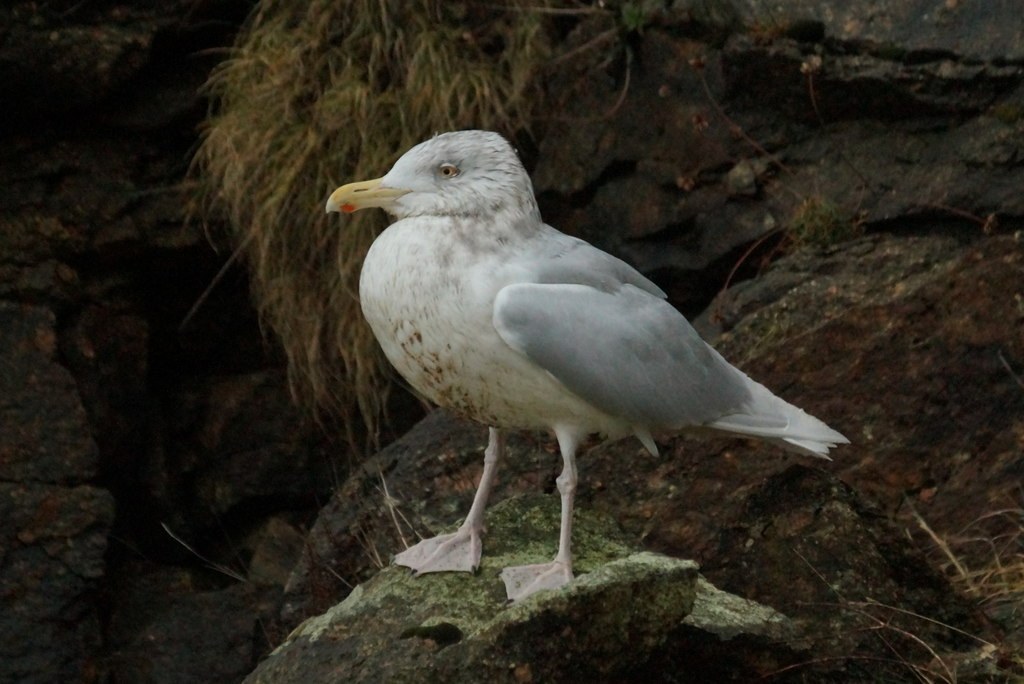
Glaucous Gull
Body, flight, and tail feathers

American Herring Gull
Body, flight, and tail feathers

Great Black-backed Gull
Body, flight, and tail feathers

Common Gull
Body, flight, and tail feathers
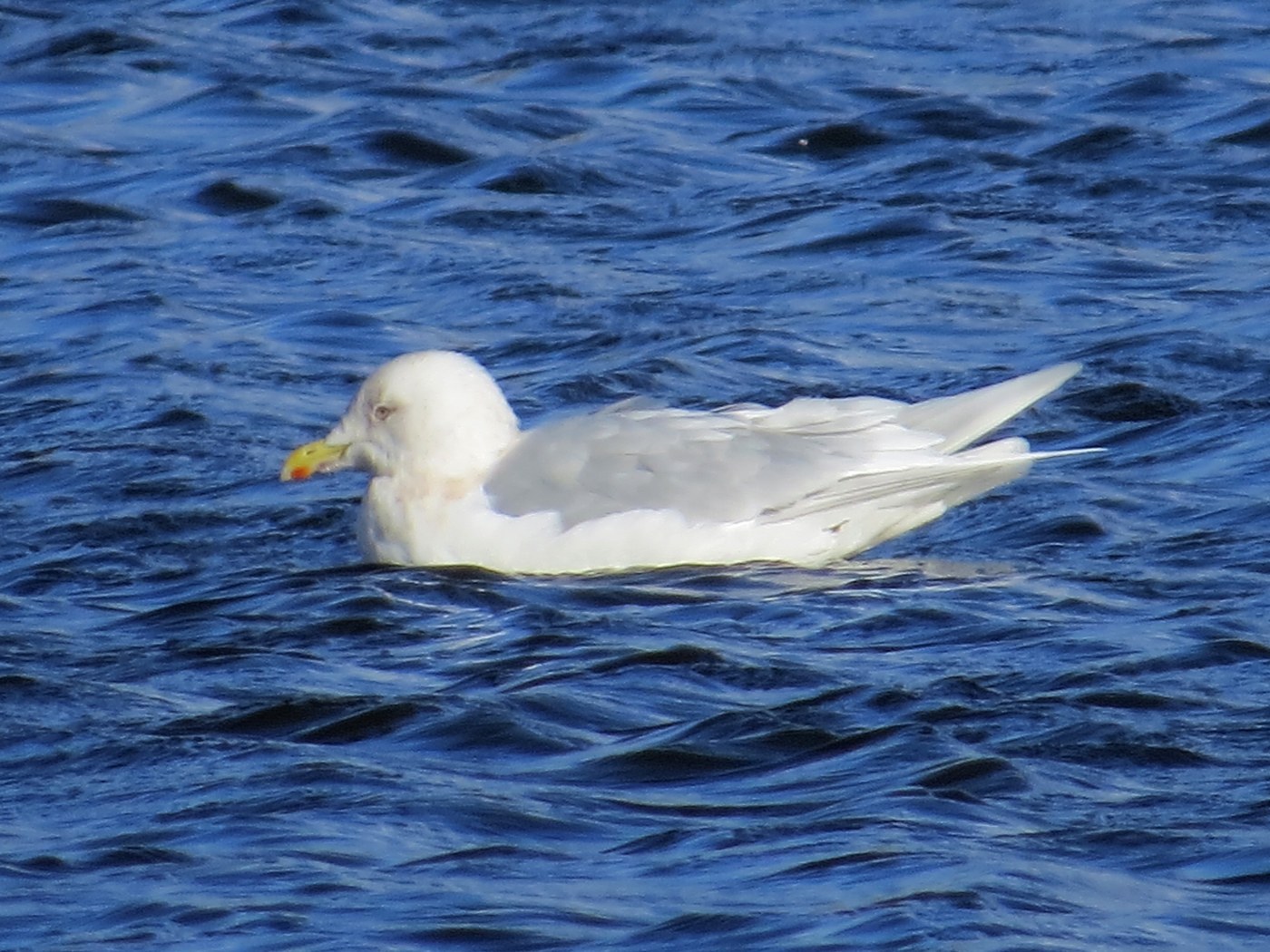
Iceland Gull
Body, flight, and tail feathers

Ring-billed Gull
Body, flight, and tail feathers

Glaucous-winged Gull
Body, flight, and tail feathers

Herring Gull
Body, flight, and tail feathers

Lesser Black-backed Gull
Body, flight, and tail feathers

California Gull
Body, flight, and tail feathers
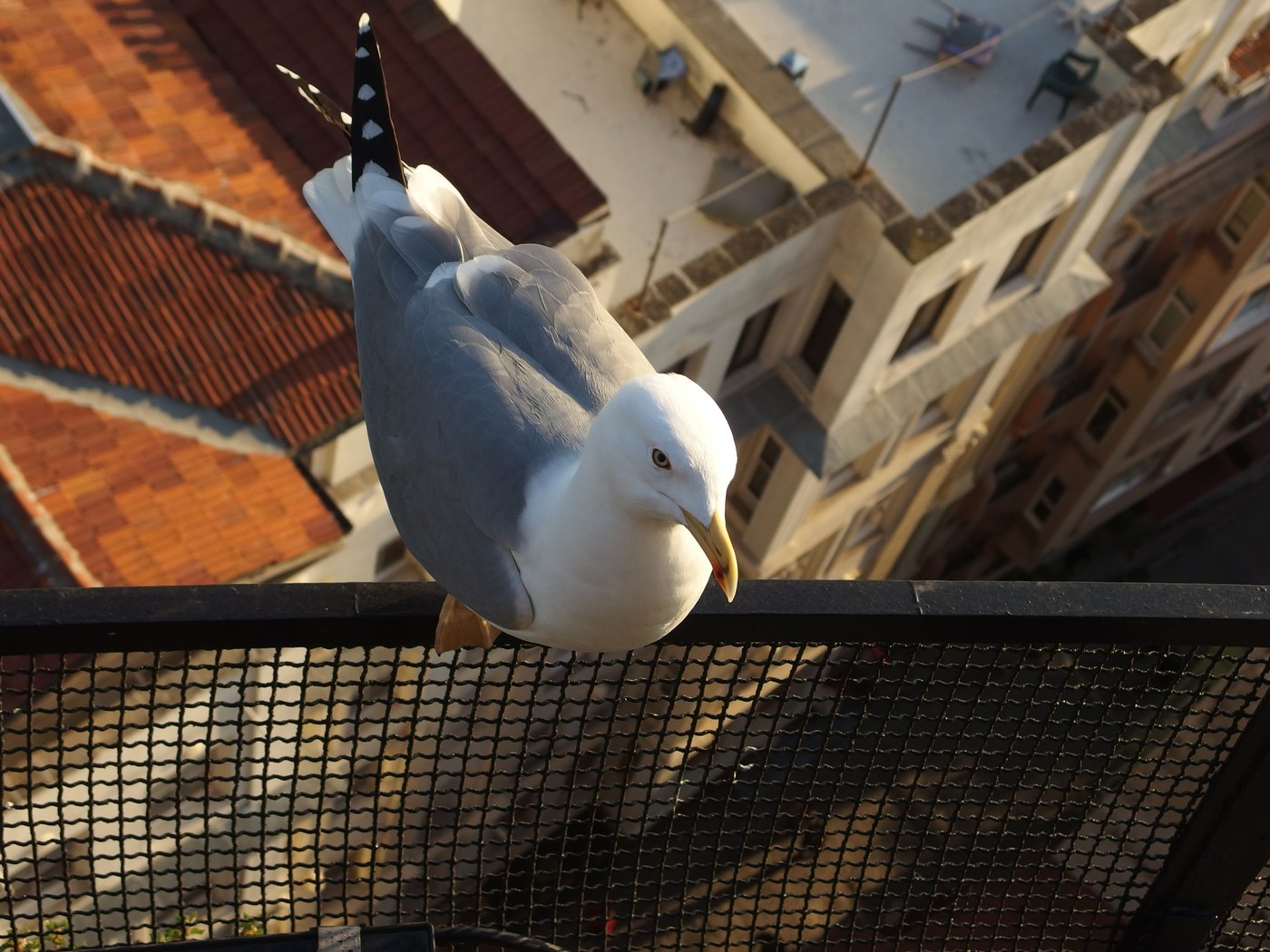
Yellow-legged Gull
Body, wing covert, and flight feathers