

Brown Kiwi
Apteryx mantelli
A flightless, nocturnal New Zealand bird with shaggy, hair-like feathers and a long probing bill used to find invertebrates in leaf litter.
- Feather type
- Hair-like, loose-structured feathers lacking barbules
- Colours
- Rich reddish-brown to grey-brown
- Bird size
- Chicken-sized, ~40 cm
Found a feather like this?
Identify any feather from a photo, free.
Overview
Overview
The Brown Kiwi is a flightless, nocturnal bird endemic to New Zealand's North Island, notable for its shaggy, hair-like feathers and long, sensitive bill tipped with nostrils used to detect prey by smell. Unlike most birds, kiwi feathers lack the interlocking barbules that create smooth, wind-resistant surfaces, giving the plumage a loose, fur-like appearance.
This unique feather structure suits a ground-dwelling lifestyle, providing insulation without the aerodynamic demands of flight, which the species has lost entirely over its evolutionary history.
Identifying the Feather
Feather Identification
- Body feathers: loose, hair-like structure lacking barbules, giving a shaggy, fur-like texture rather than a smooth vaned surface
- Coloration: rich reddish-brown to grey-brown, often with subtle streaking
- Shaft: thin and flexible compared to flight-capable birds, since the feathers serve purely insulatory and camouflage functions
- Wings: vestigial and hidden beneath body plumage, with no functional flight feathers present
- The complete absence of stiff, vaned flight feathers is the clearest way to distinguish kiwi feathers from those of any flying bird
Plumage & Molt
Plumage Notes
Adults of both sexes show similar reddish-brown to grey-brown shaggy plumage with no seasonal variation. Juveniles are patterned similarly to adults from an early age, differing mainly in overall size.
Molt in kiwi is gradual and continuous rather than a single seasonal event, with individual feathers replaced steadily throughout the year.
Habitat & Range
Habitat & Range
Brown Kiwis inhabit forests, scrublands, and rough pasture across the North Island of New Zealand, favoring areas with dense understory cover for daytime shelter. They dig burrows or use natural cavities for roosting.
The species is non-migratory and largely nocturnal, with individuals maintaining stable home ranges within suitable habitat.
Behavior & Field Notes
Behavior & Field Notes
Kiwis forage at night by probing soil and leaf litter with their long bills, relying on a keen sense of smell rather than sight to locate invertebrates. They are largely solitary outside of breeding pairs.
Nests are simple burrows or hollows, and the male typically undertakes most incubation duties. Their calls are shrill, repeated whistles, more often heard than the bird itself is seen given its nocturnal and secretive habits.
Frequently asked questions
Why do kiwi feathers look so different from other birds' feathers?
Kiwi feathers lack the interlocking barbules found in most bird feathers, giving them a loose, hair-like texture suited to a flightless, ground-dwelling life.
Can Brown Kiwis fly at all?
No, they are completely flightless, and their wings are vestigial with no functional flight feathers.
How does kiwi plumage help with insulation?
The shaggy, fur-like feather structure traps air effectively for warmth without needing to support flight, suited to their nocturnal forest lifestyle.
Is kiwi molt seasonal?
No, kiwis replace feathers gradually and continuously throughout the year rather than in a single seasonal molt.
Brown Kiwi guides
In-depth guides for identifying and understanding Brown Kiwi.

Other feathers you may enjoy

Common Cuckoo
Flight and body feathers
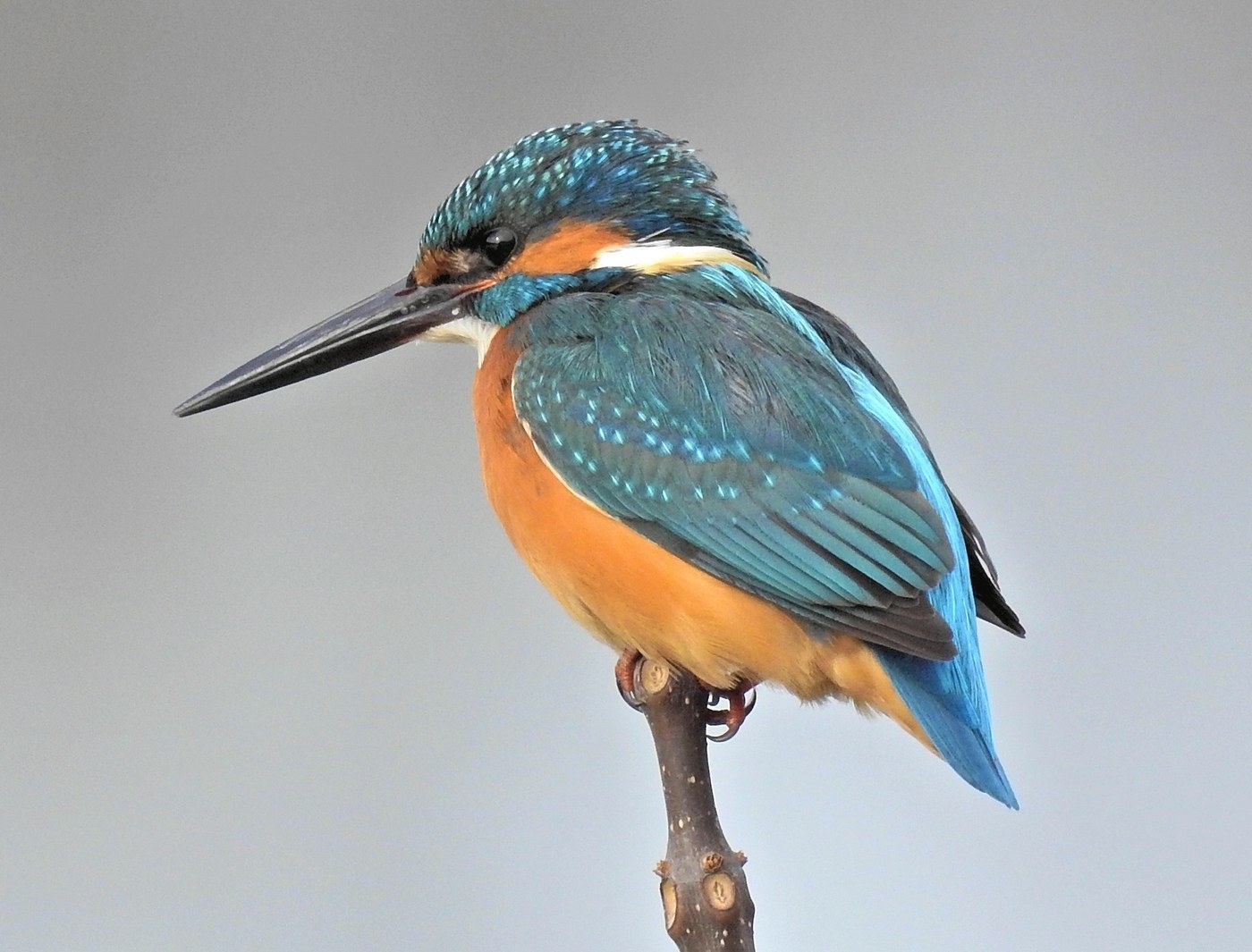
Common Kingfisher
Body (contour) and wing feathers
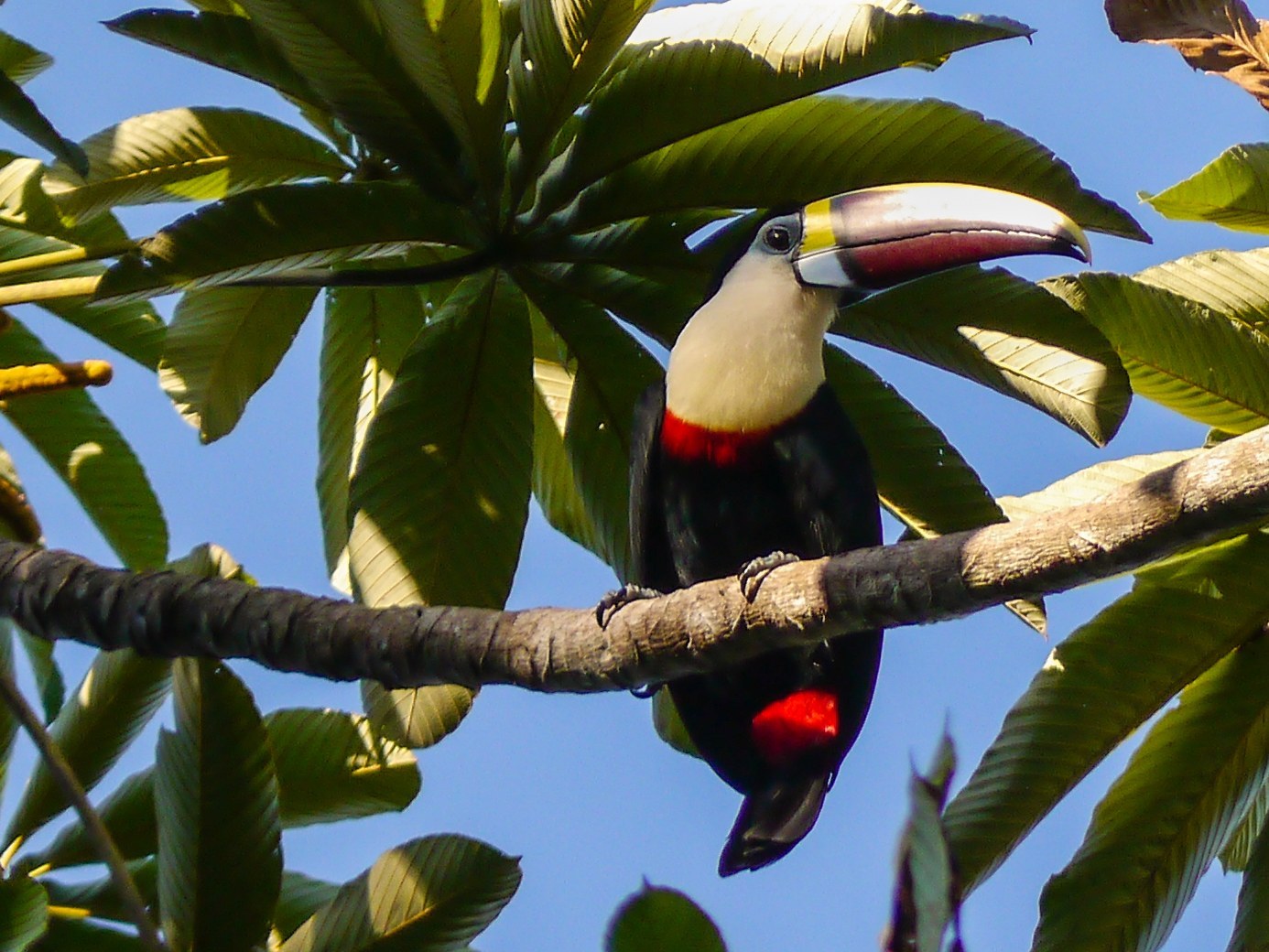
White-throated Toucan
Short rounded contour feathers, short broad wings
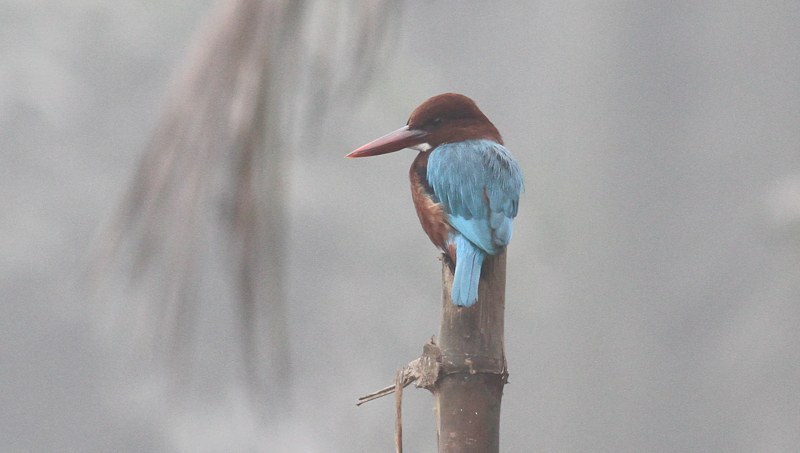
White-throated Kingfisher
Dense contour feathers; broad rounded wings

White-throated Bee-eater
Sleek, aerodynamic contour feathers; elongated central tail streamers
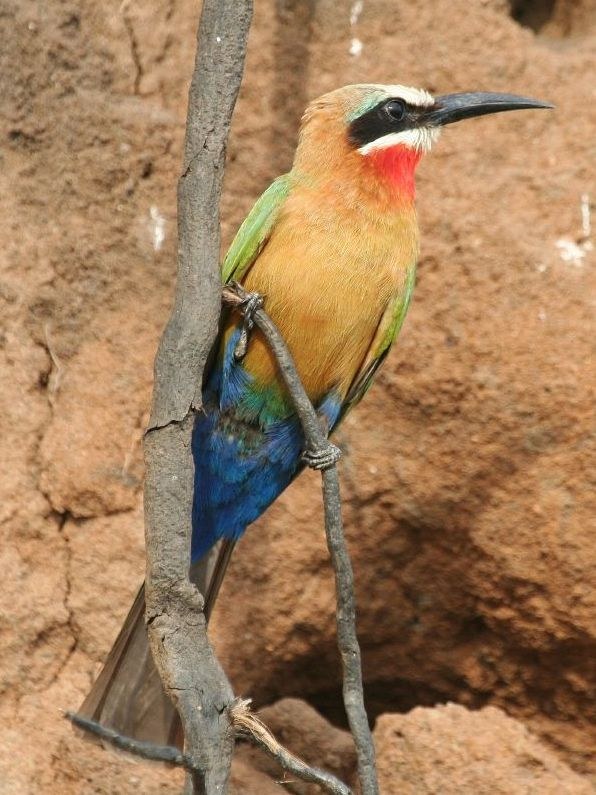
White-fronted Bee-eater
Sleek contour feathers; short tail with slight point

Southern Yellow-billed Hornbill
Slender contour feathers, moderate flight feathers
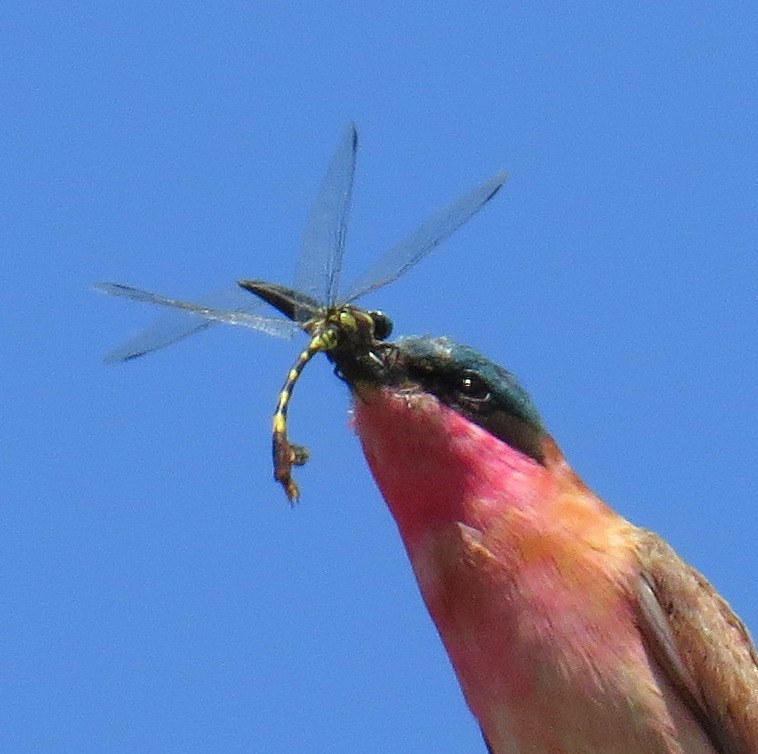
Southern Carmine Bee-eater
Sleek, pointed contour feathers; elongated central tail streamers
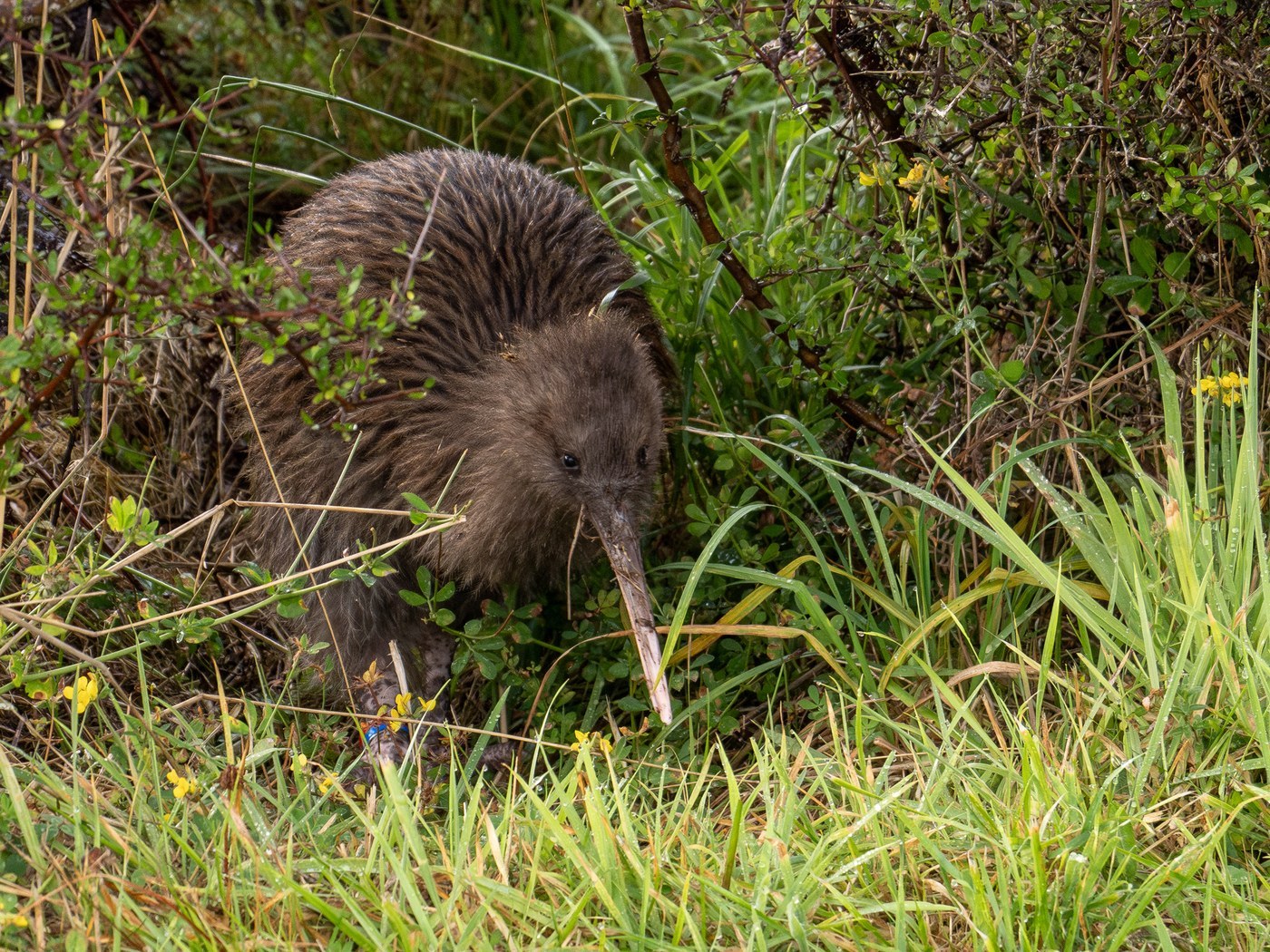
Southern Brown Kiwi
Shaggy, hair-like plumage with loose barbs lacking barbules; flightless, vestigial wings hidden beneath body feathers

Somali Ostrich
Loose, soft plumes lacking interlocking barbules

Wreathed Hornbill
Dense contour feathers, broad flight feathers

Woodland Kingfisher
Firm contour feathers; broad wing feathers