
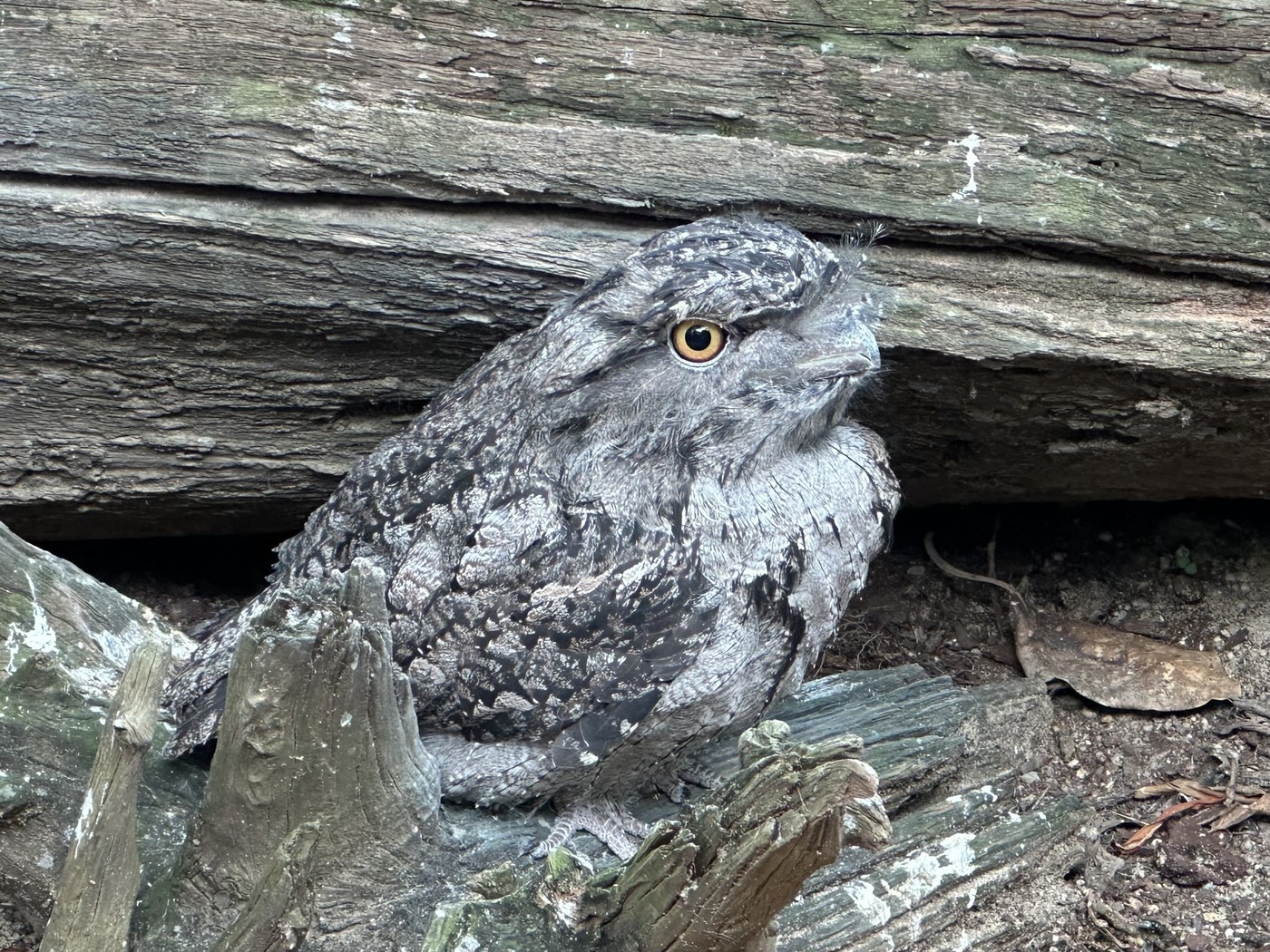
Tawny Frogmouth
Podargus strigoides
A nocturnal Australian bird with mottled grey-brown feathers that mimic tree bark, allowing it to remain nearly invisible while perched motionless during the day.
- Feather type
- Soft, cryptic mottled plumage resembling bark
- Colours
- Grey, brown, and buff mottling with fine streaking
- Bird size
- Medium nocturnal bird, ~34-53 cm
Found a feather like this?
Identify any feather from a photo, free.
Overview
Overview
The Tawny Frogmouth is a nocturnal bird widespread across Australia, often mistaken for an owl due to its large eyes and secretive habits, though it belongs to a different family entirely. Its mottled grey, brown, and buff plumage closely resembles tree bark, and during the day it perches motionless with its body stretched upright, relying almost entirely on camouflage rather than flight to avoid detection.
Its wide, frog-like mouth and bristled facial feathers give the species its name, and it is a familiar sight in parks, gardens, and woodlands throughout the country.
Identifying the Feather
Feather Identification
- Body feathers: intricately mottled grey, brown, and buff, with fine streaking that closely mimics rough bark texture
- Facial feathers: stiff bristle-like feathers surround the wide gape, aiding in prey detection at night
Plumage & Molt
Plumage Notes
Adults show variable mottled plumage ranging from pale grey to rufous-brown morphs, with males often slightly greyer and females sometimes more rufous, though overlap is considerable. Juveniles resemble adults but may show softer, less defined patterning until their first molt.
Molt occurs gradually and the cryptic pattern remains consistent through the year, since the species relies on camouflage rather than seasonal display plumage.
Habitat & Range
Habitat & Range
Tawny Frogmouths are found throughout Australia in woodlands, forests, parks, and even suburban gardens with mature trees. They are highly sedentary, often remaining within the same territory for life.
The species does not migrate, relying on its camouflage and nocturnal habits to persist in the same home range year-round.
Behavior & Field Notes
Behavior & Field Notes
During the day, Tawny Frogmouths perch motionless on tree branches, using their bark-like plumage and upright posture to avoid detection by predators. At night, they hunt for insects and other small prey, often by pouncing from a perch rather than pursuing in flight.
Nests are simple platforms of sticks built in tree forks, and pairs often reuse or maintain a home range across years. Their voice is a low, soft, repeated "oom-oom-oom" call, quite different from an owl's hoot.
Frequently asked questions
Why do Tawny Frogmouth feathers look like bark?
Their mottled grey, brown, and buff plumage with fine streaking has evolved to closely resemble tree bark, providing effective daytime camouflage.
Is the Tawny Frogmouth an owl?
No, despite superficial similarities, it belongs to a different family of birds and is not closely related to true owls.
How can I distinguish frogmouth feathers from owl feathers?
Frogmouth feathers show finer, more intricate bark-like mottling and lack the soft-edged flight feather structure owls use for silent flight.
What does a Tawny Frogmouth sound like?
It gives a low, soft, repeated grunting or booming call, quite different from the hoots typical of owls.
Tawny Frogmouth guides
In-depth guides for identifying and understanding Tawny Frogmouth.
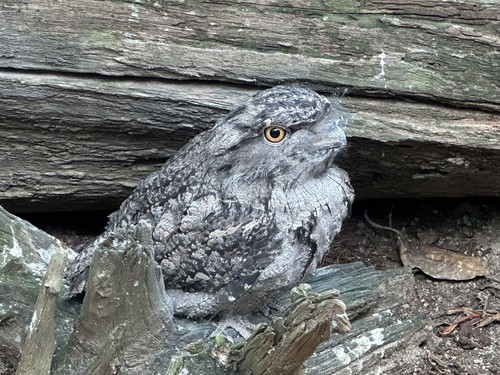
Tawny Frogmouth identified by the community
Real feathers identified with Feather Identifier.

Other feathers you may enjoy

Common Cuckoo
Flight and body feathers
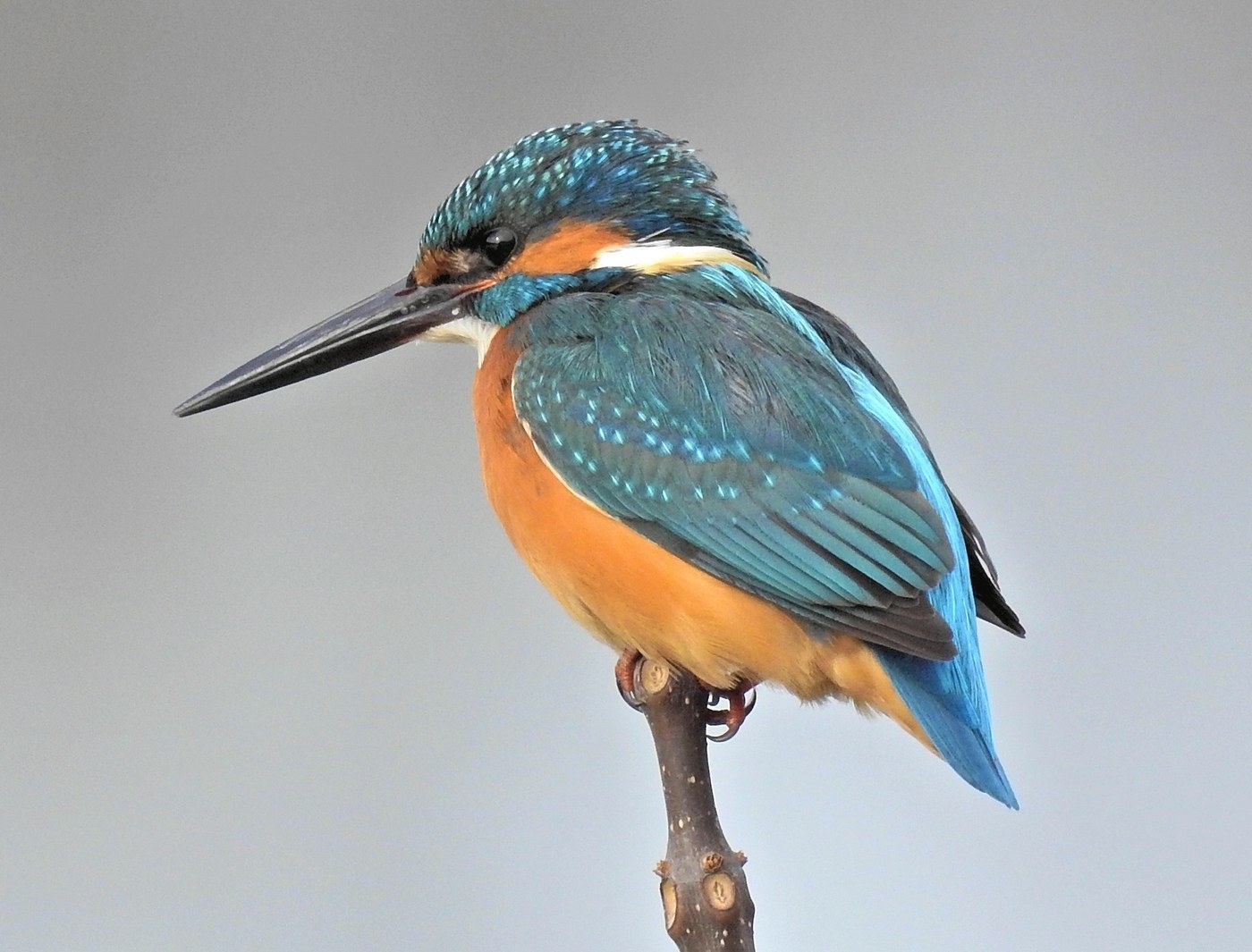
Common Kingfisher
Body (contour) and wing feathers
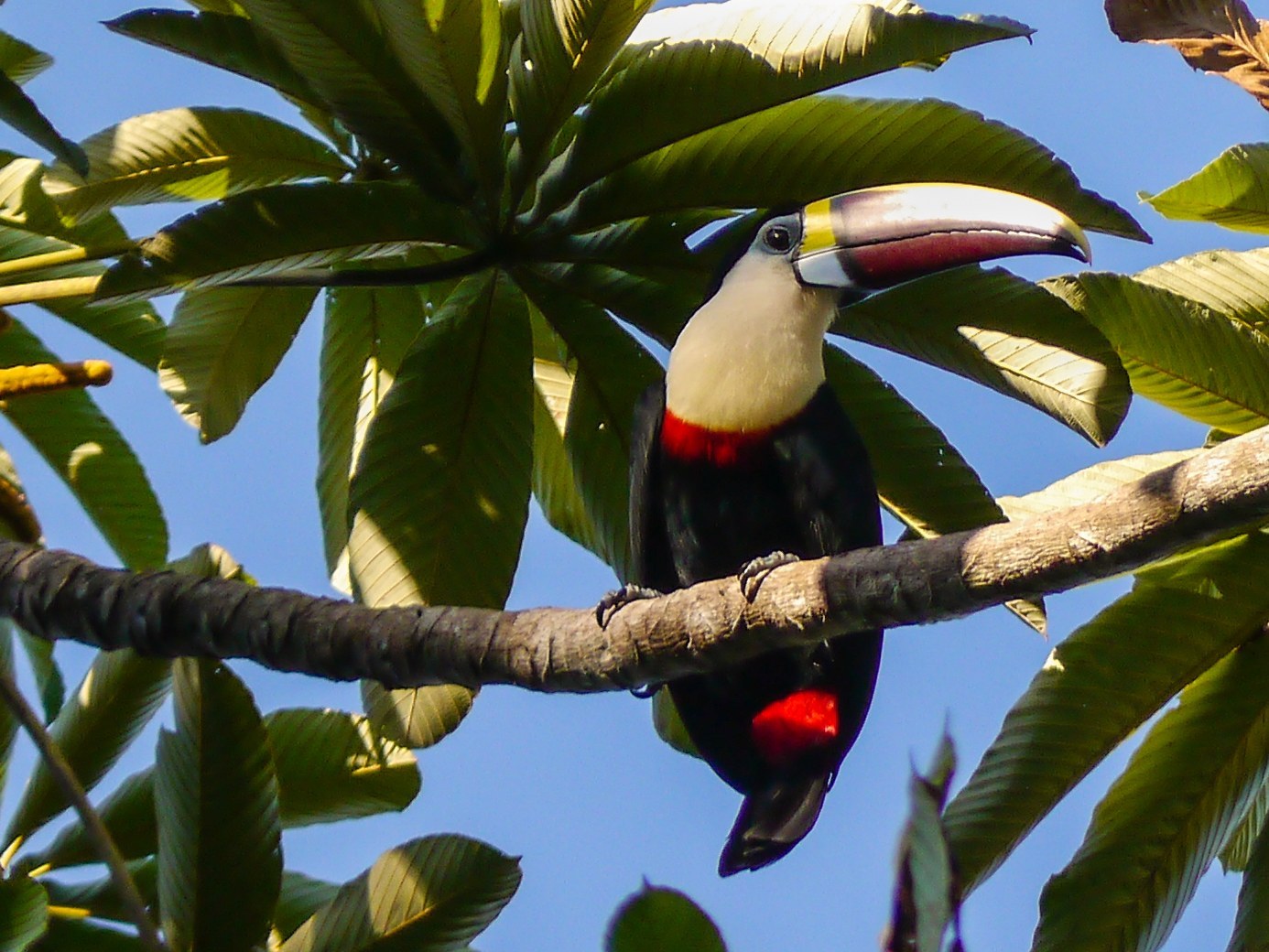
White-throated Toucan
Short rounded contour feathers, short broad wings
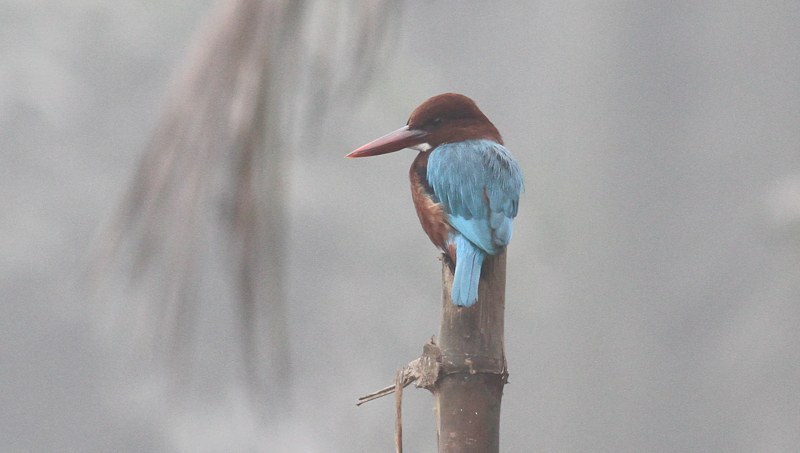
White-throated Kingfisher
Dense contour feathers; broad rounded wings

White-throated Bee-eater
Sleek, aerodynamic contour feathers; elongated central tail streamers
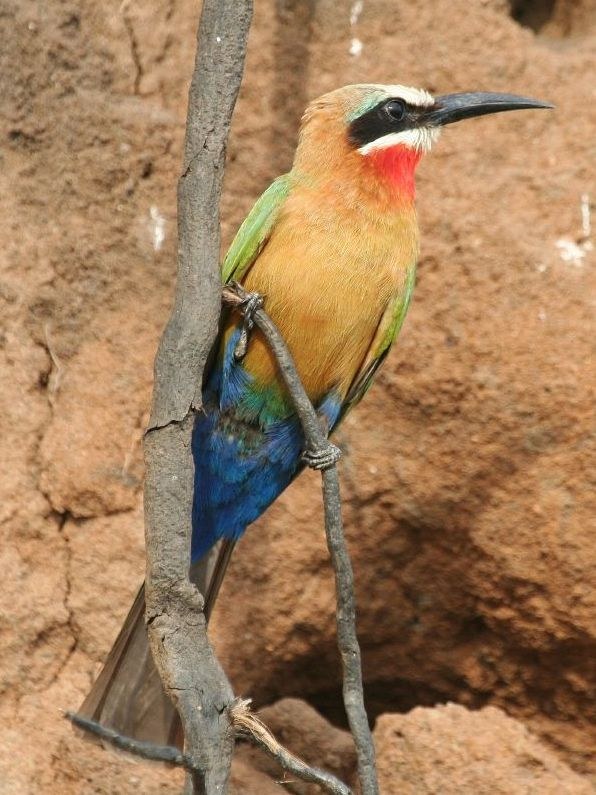
White-fronted Bee-eater
Sleek contour feathers; short tail with slight point

Southern Yellow-billed Hornbill
Slender contour feathers, moderate flight feathers
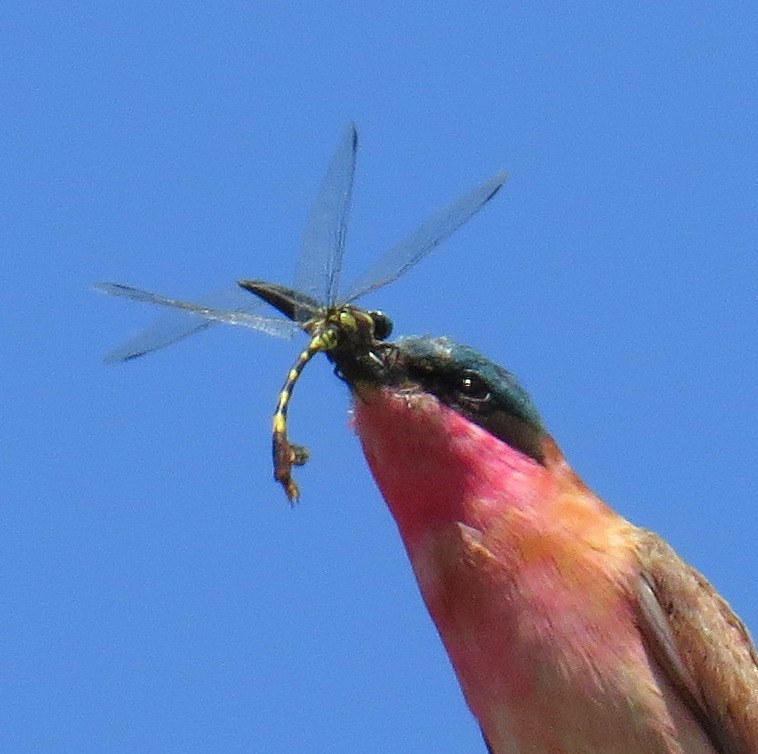
Southern Carmine Bee-eater
Sleek, pointed contour feathers; elongated central tail streamers
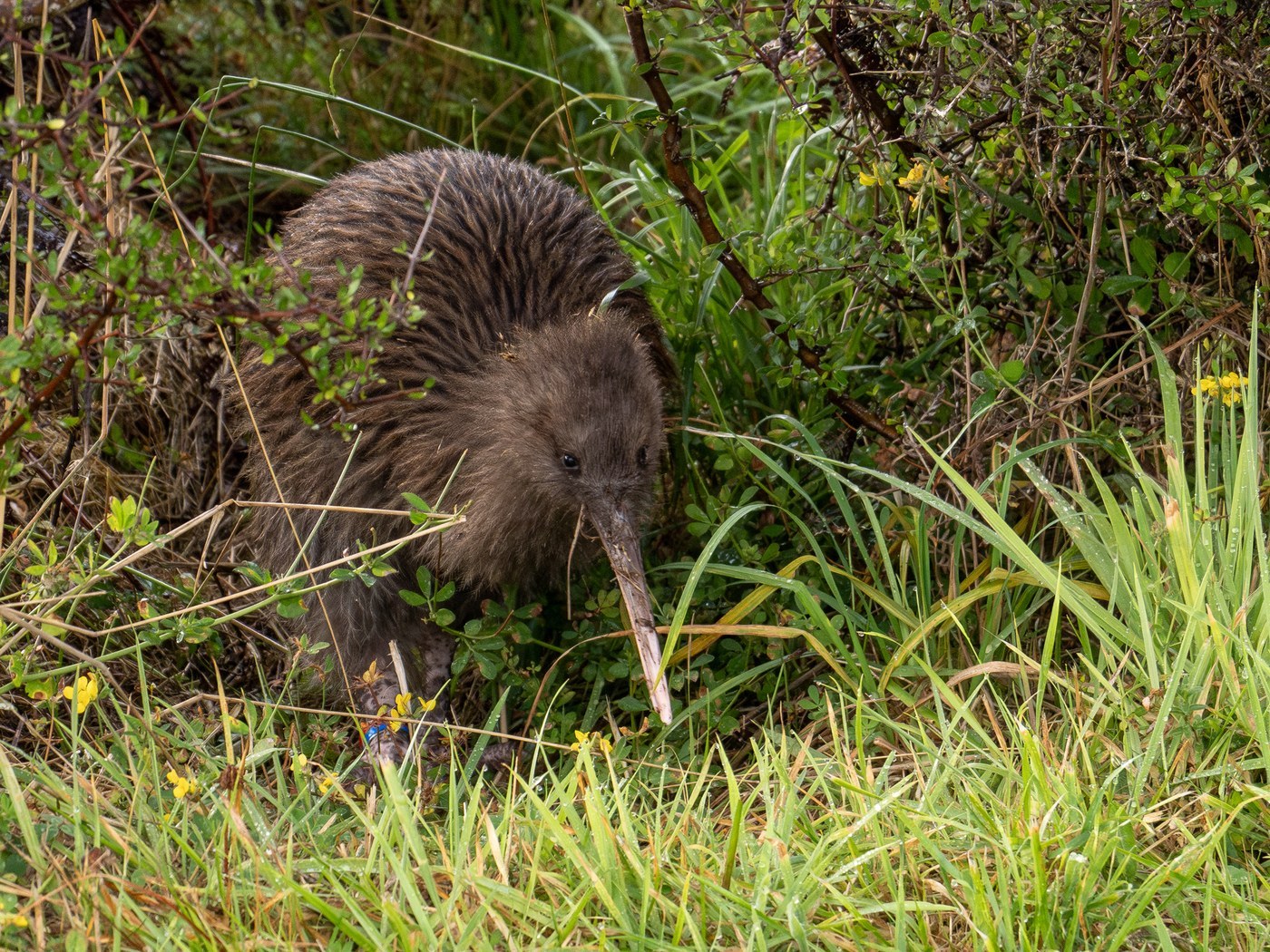
Southern Brown Kiwi
Shaggy, hair-like plumage with loose barbs lacking barbules; flightless, vestigial wings hidden beneath body feathers

Somali Ostrich
Loose, soft plumes lacking interlocking barbules

Wreathed Hornbill
Dense contour feathers, broad flight feathers

Woodland Kingfisher
Firm contour feathers; broad wing feathers