
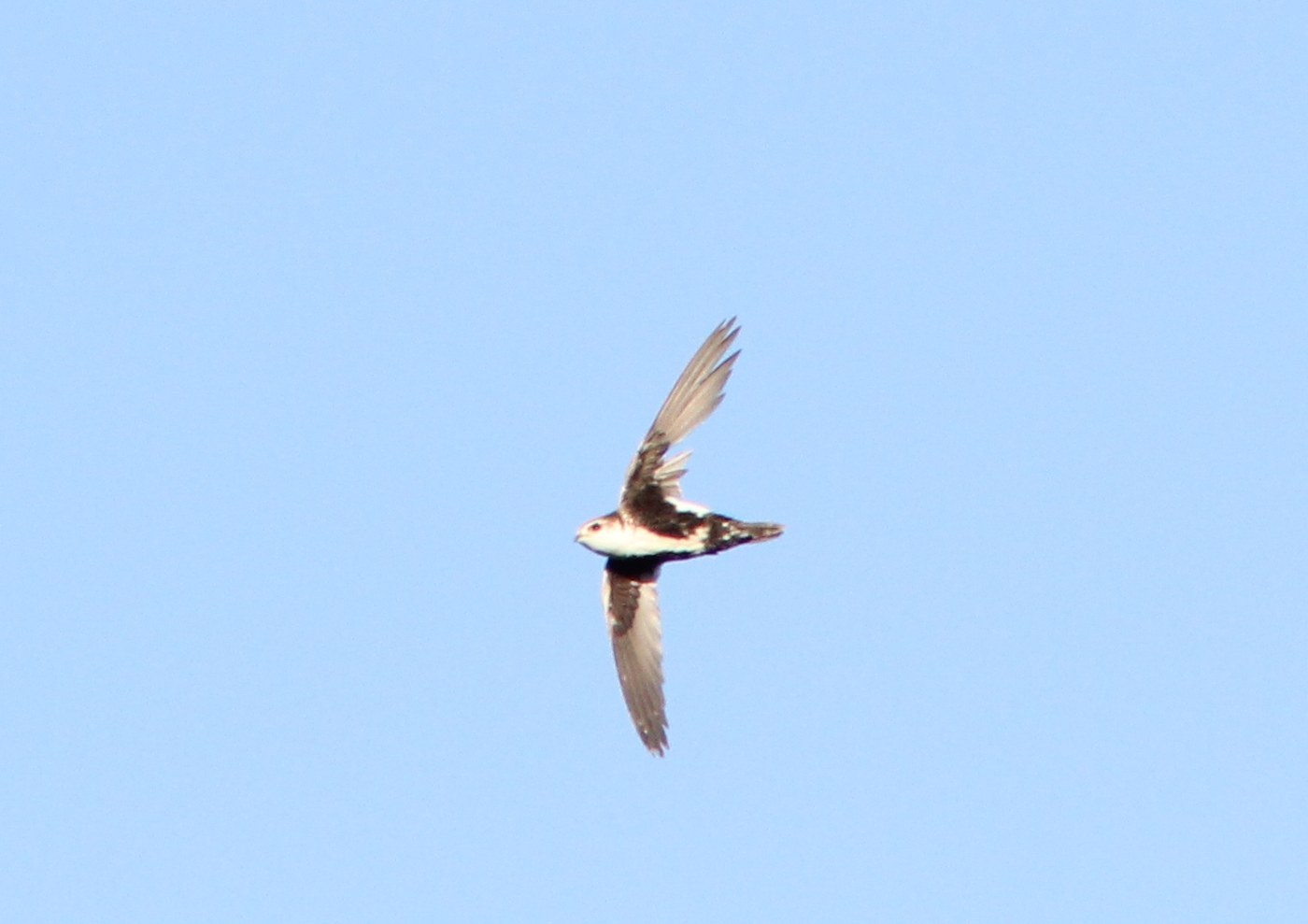
White-throated Swift
Aeronautes saxatalis
A boldly patterned black-and-white swift of western cliffs and canyons, easily recognized by its striking contrast and remarkably fast, direct flight.
- Feather type
- Long, stiff pointed flight feathers; sleek contrasting body feathers
- Colours
- Blackish above with crisp white throat, flank, and belly patches
- Bird size
- Sparrow-sized, ~15-18 cm
Found a feather like this?
Identify any feather from a photo, free.
Overview
The White-throated Swift is a fast, agile aerial forager found around cliffs, canyons, and rocky mountain faces across the western United States and Mexico. It is one of the more strikingly patterned swifts, with a bold black-and-white body that stands out even at a distance as it wheels along cliff faces in tight flocks.
Identifying the Feather
Flight feathers: long, narrow, and pointed, blackish with a faint gloss, built for rapid, sustained flight. Tail feathers: somewhat forked, stiff-shafted, dark with a slight sheen. Body feathers: contrasting pattern is the key mark — sooty black upperparts and crown against crisp white patches on the throat, center of the breast and belly, and flanks. The white flank patches, which extend as a stripe onto the sides of the rump, are distinctive among North American swifts and separate loose body feathers from the more uniformly dark feathers of Vaux's or Chimney Swifts.
Plumage & Molt
Sexes are similar. Adults show glossy blackish upperparts and a white throat, central underparts, and flank stripe, giving a strong black-and-white contrast in flight. Juveniles are similar but slightly duller, with less crisp demarcation between dark and white areas. There is no seasonal plumage variation; feathers are replaced in a single annual molt.
Habitat & Range
White-throated Swifts nest in crevices on steep cliff faces and rocky canyon walls, ranging from the western United States and Mexico into higher elevation mountain ranges. Some populations are resident in mild climates, while others move to lower elevations or migrate south in winter, particularly northern breeders relocating toward Mexico and Central America.
Behavior & Field Notes
This species forages high above canyons and cliffs, catching flying insects on the wing, often in mixed flocks with other swifts and swallows. It nests colonially in narrow rock crevices, building a small cup from feathers and plant material cemented with saliva. Its flight is extremely fast and direct, with rapid, shallow wingbeats interspersed with long glides. The call is a loud, descending series of shrill chattering notes given in flight near nesting cliffs.
Frequently asked questions
What makes White-throated Swift feathers easy to identify?
The strong contrast between blackish upperparts and crisp white throat, belly, and flank patches is distinctive and not shared by other similarly sized North American swifts.
Are male and female feathers different?
No, both sexes show the same black-and-white pattern, so plumage alone cannot be used to determine sex.
Where would I typically find shed feathers of this species?
Feathers are most often found near nesting crevices on cliff faces and canyon walls, since the birds rarely land elsewhere.
Does this species molt seasonally into a different color?
No, it retains the same black-and-white pattern year-round with only a single annual molt to replace worn feathers.
White-throated Swift guides
In-depth guides for identifying and understanding White-throated Swift.
Other feathers you may enjoy

Common Cuckoo
Flight and body feathers
Common Kingfisher
Body (contour) and wing feathers
White-throated Toucan
Short rounded contour feathers, short broad wings
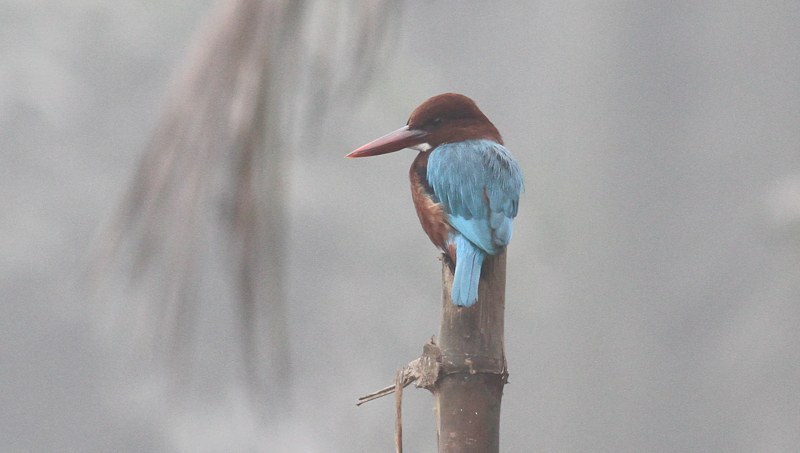
White-throated Kingfisher
Dense contour feathers; broad rounded wings

White-throated Bee-eater
Sleek, aerodynamic contour feathers; elongated central tail streamers
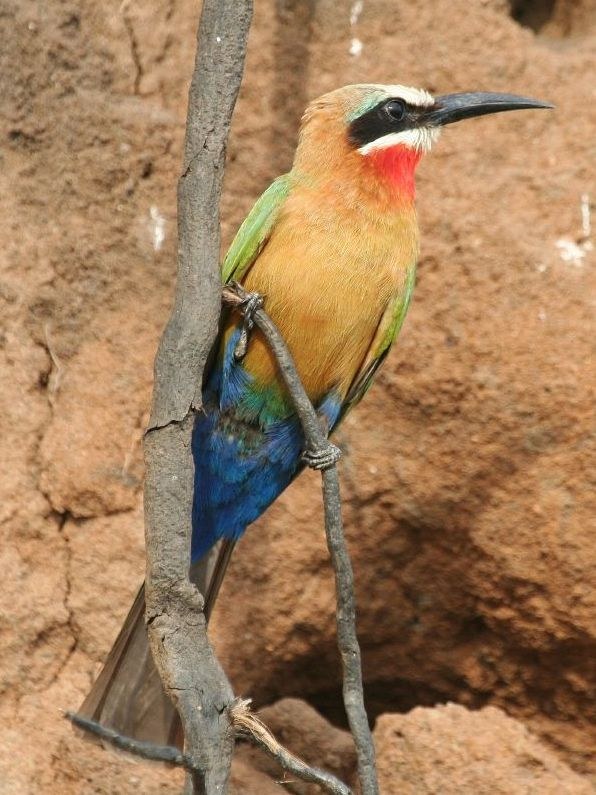
White-fronted Bee-eater
Sleek contour feathers; short tail with slight point

Southern Yellow-billed Hornbill
Slender contour feathers, moderate flight feathers
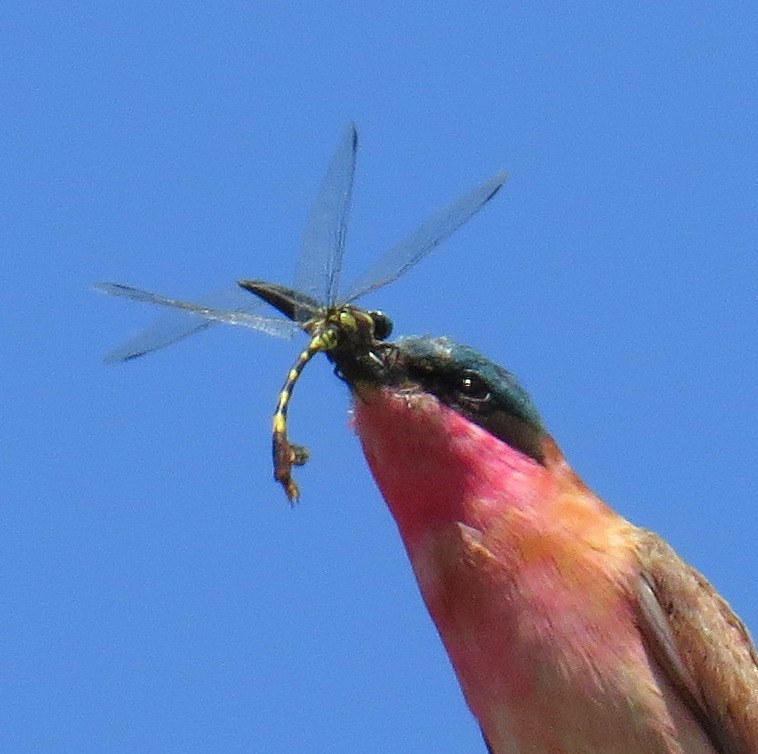
Southern Carmine Bee-eater
Sleek, pointed contour feathers; elongated central tail streamers
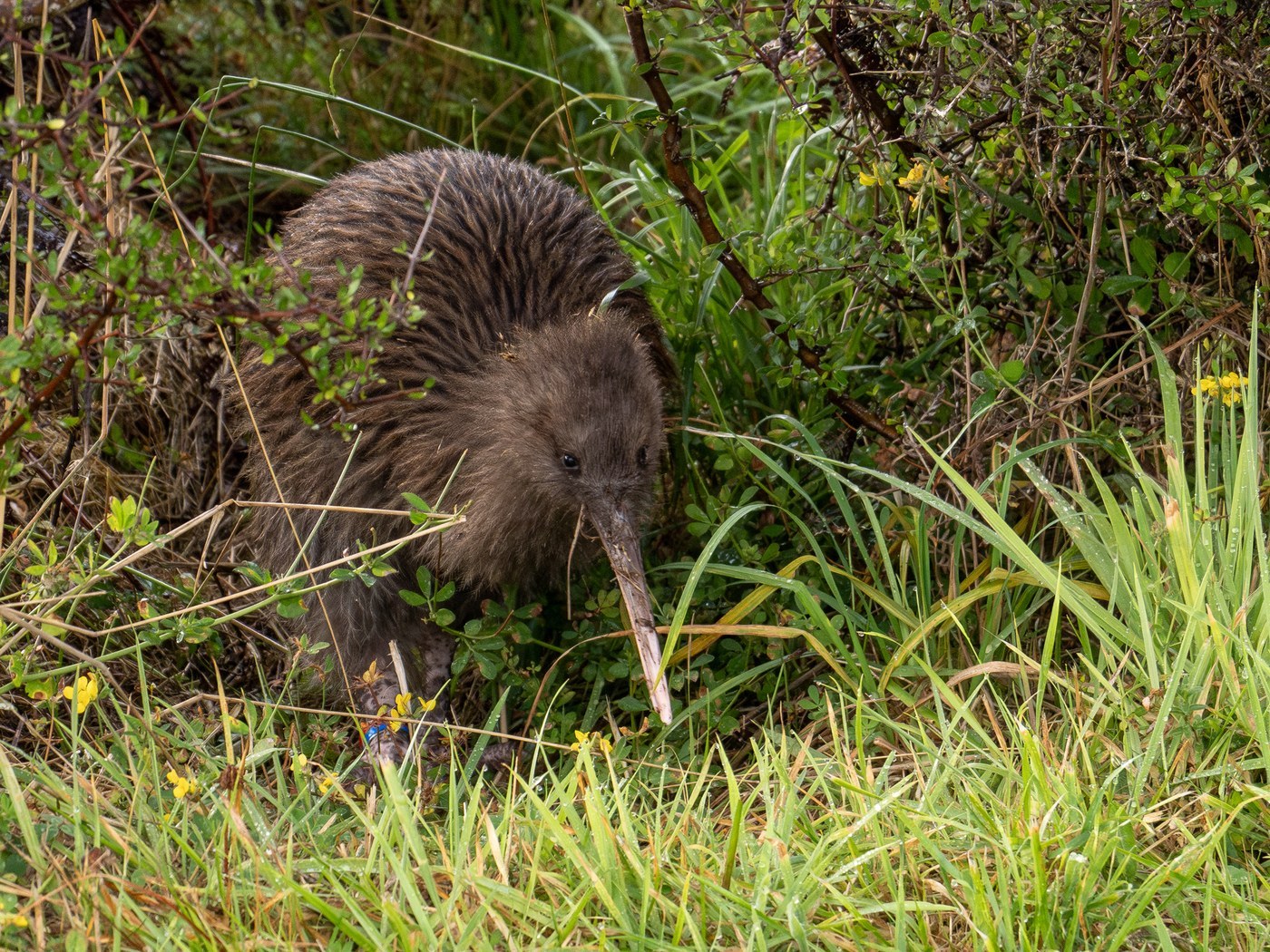
Southern Brown Kiwi
Shaggy, hair-like plumage with loose barbs lacking barbules; flightless, vestigial wings hidden beneath body feathers

Somali Ostrich
Loose, soft plumes lacking interlocking barbules

Wreathed Hornbill
Dense contour feathers, broad flight feathers

Woodland Kingfisher
Firm contour feathers; broad wing feathers