

Wreathed Hornbill
Rhyticeros undulatus
The Wreathed Hornbill is a large Southeast Asian hornbill named for the corrugated ridges on its casque, showing a marked plumage difference between the rufous-headed male and the all-black female. Flocks travel long distances between fruiting trees across forested landscapes.
- Feather type
- Dense contour feathers, broad flight feathers
- Colours
- Black body plumage with a rufous-washed head and neck in males, and creamy white to black tail depending on sex
- Bird size
- Large, ~75-100 cm
Found a feather like this?
Identify any feather from a photo, free.
Overview
Overview
The Wreathed Hornbill is a large forest hornbill found across mainland and insular Southeast Asia, notable for a clear plumage difference between the sexes involving head and neck color. Its casque bears fine transverse ridges, giving rise to the "wreathed" name, though the plumage contrast is the more useful field identification tool.
- Large hornbill with a pronounced sex-based plumage difference
- Named for ridged casque structure, distinct from smooth-casqued relatives
- Travels long distances following fruiting tree cycles
Identifying the Feather
Feather Identification
Body plumage is largely black in both sexes, but the head and neck differ markedly: males show a rufous-washed head and hindneck, while females have an all-black head and neck. The tail also differs, whitish to creamy in males and black in females.
- Male head/neck: rufous to orange-brown wash
- Female head/neck: solid black
- Male tail: whitish to creamy
- Female tail: black
- Bare throat pouch: yellow in males, blue in females, a useful non-feather confirming feature
The sex-linked combination of head color and tail color is the clearest way to identify shed feathers or observed birds to this species and sex.
Plumage & Molt
Plumage Notes
This species shows one of the more pronounced sex-based plumage differences among hornbills, with males showing a rufous head/neck and pale tail, and females an all-black head/neck with a black tail. Juveniles resemble females initially, with males developing the rufous wash as they mature.
- Sexes differ clearly in head, neck, and tail color
- Juveniles resemble females before males molt into adult coloring
- Molt is gradual, without a distinct separate breeding plumage
Habitat & Range
Habitat & Range
Found across mainland and insular Southeast Asia, including parts of Indochina, the Malay Peninsula, Sumatra, and Java, in lowland and lower montane rainforest.
- Non-migratory but capable of significant local movements tracking fruit availability
- Depends on large, connected forest tracts for both feeding and nesting
- Occurs from lowlands up into hill and lower montane forest
Behavior & Field Notes
Behavior & Field Notes
Wreathed Hornbills travel in flocks between fruiting trees, feeding mainly on fruit with some small animal prey taken opportunistically.
- Voice: a barking, honking call given in flight and while perched
- Nesting: tree cavities sealed by the female during incubation, typical of the hornbill family
- Field notes: distinguish males by their rufous head/neck and pale tail, and females by an all-black head/neck with a black tail
Frequently asked questions
How do male and female Wreathed Hornbills differ in plumage?
Males show a rufous-washed head and neck with a whitish tail, while females have an all-black head, neck, and tail.
What does 'wreathed' refer to in this species' name?
It refers to fine transverse ridges on the bird's casque, not to a feather feature.
Where is this hornbill found?
Across mainland and insular Southeast Asia, including Indochina, the Malay Peninsula, Sumatra, and Java, in lowland and lower montane rainforest.
How can you tell a juvenile from an adult?
Juveniles resemble adult females, with young males gradually developing the rufous head and neck wash as they mature.
Wreathed Hornbill guides
In-depth guides for identifying and understanding Wreathed Hornbill.

Other feathers you may enjoy

Common Cuckoo
Flight and body feathers
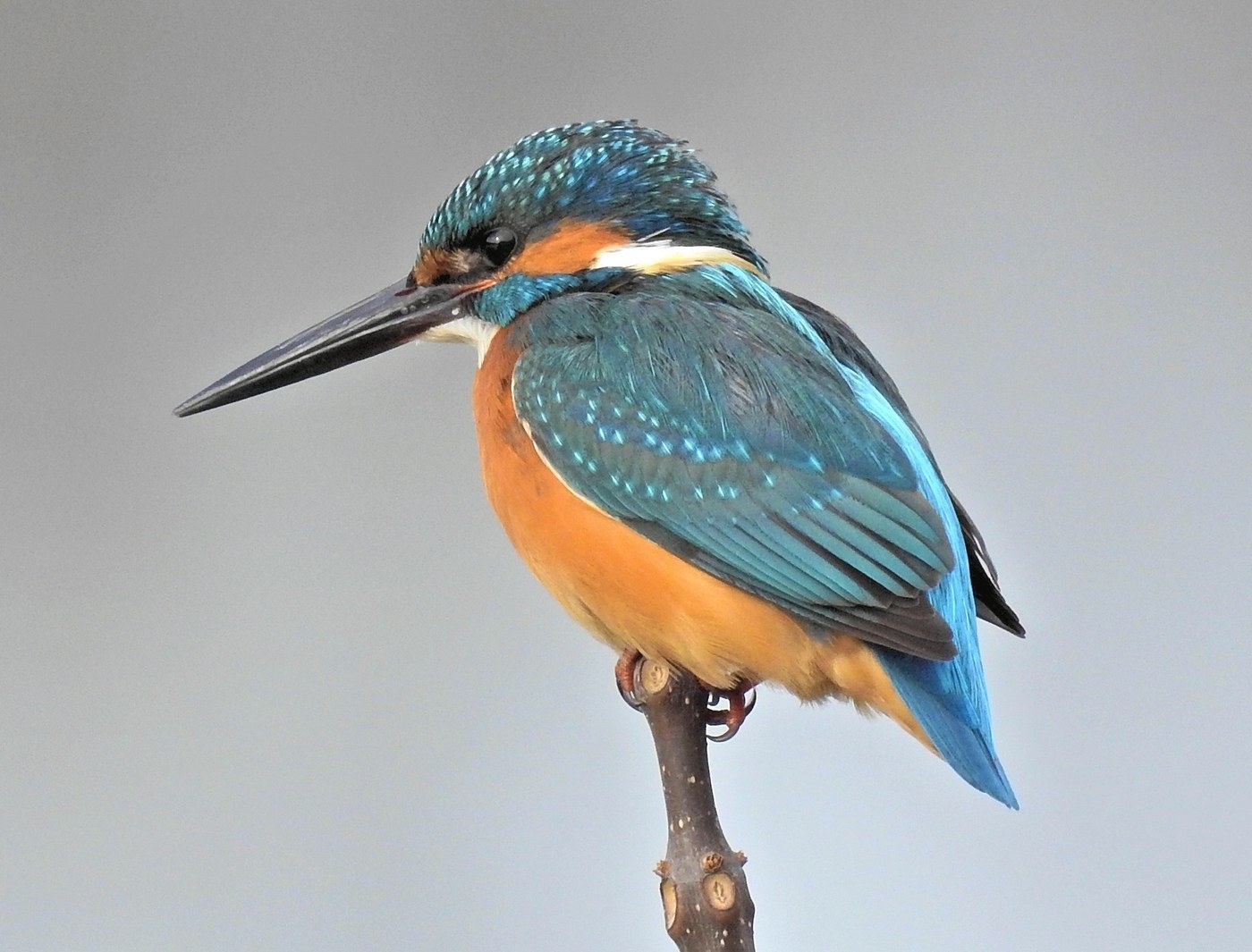
Common Kingfisher
Body (contour) and wing feathers
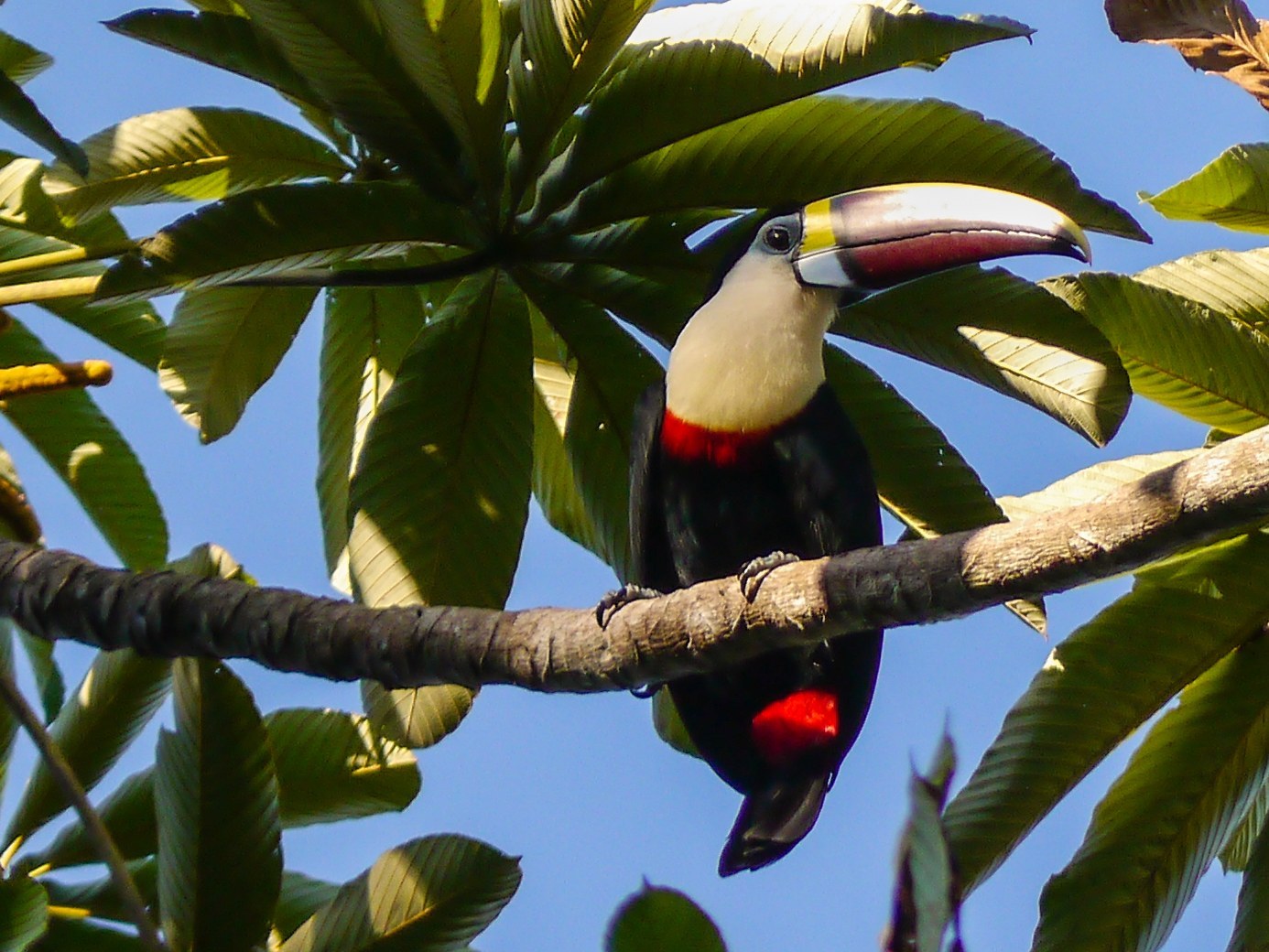
White-throated Toucan
Short rounded contour feathers, short broad wings
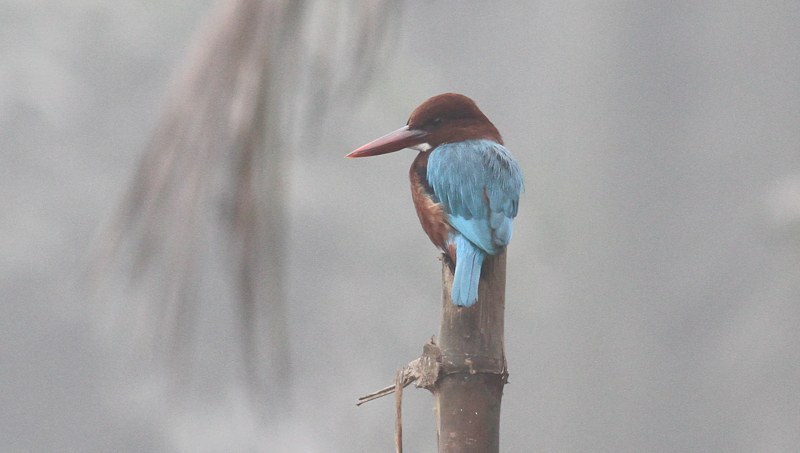
White-throated Kingfisher
Dense contour feathers; broad rounded wings

White-throated Bee-eater
Sleek, aerodynamic contour feathers; elongated central tail streamers
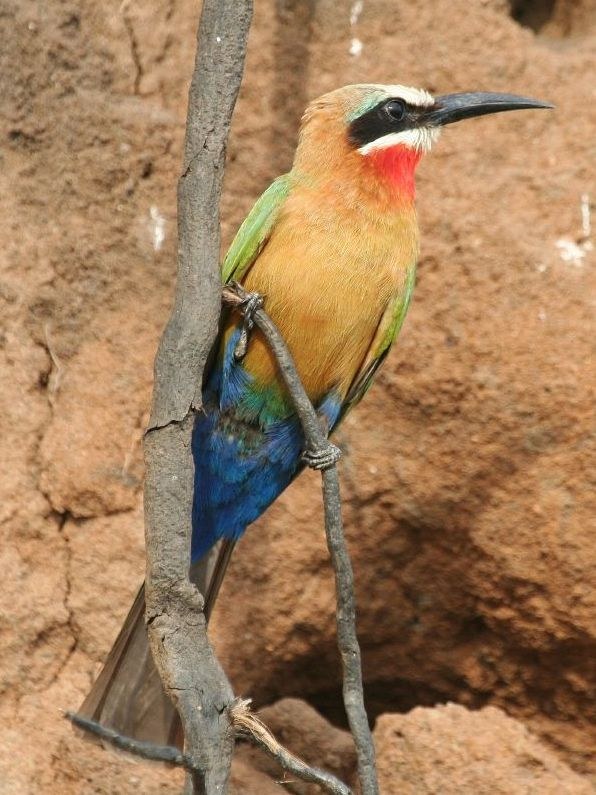
White-fronted Bee-eater
Sleek contour feathers; short tail with slight point

Southern Yellow-billed Hornbill
Slender contour feathers, moderate flight feathers
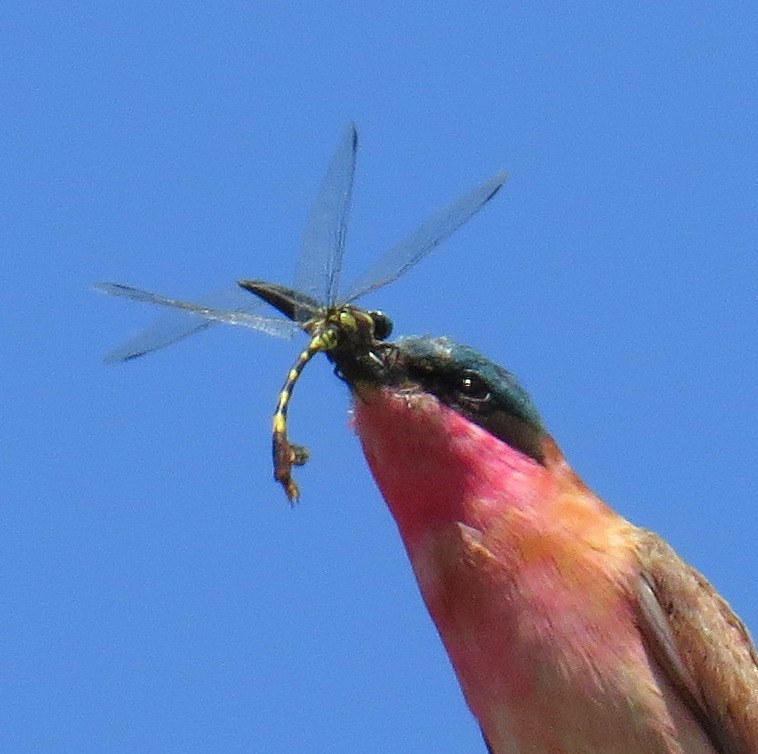
Southern Carmine Bee-eater
Sleek, pointed contour feathers; elongated central tail streamers
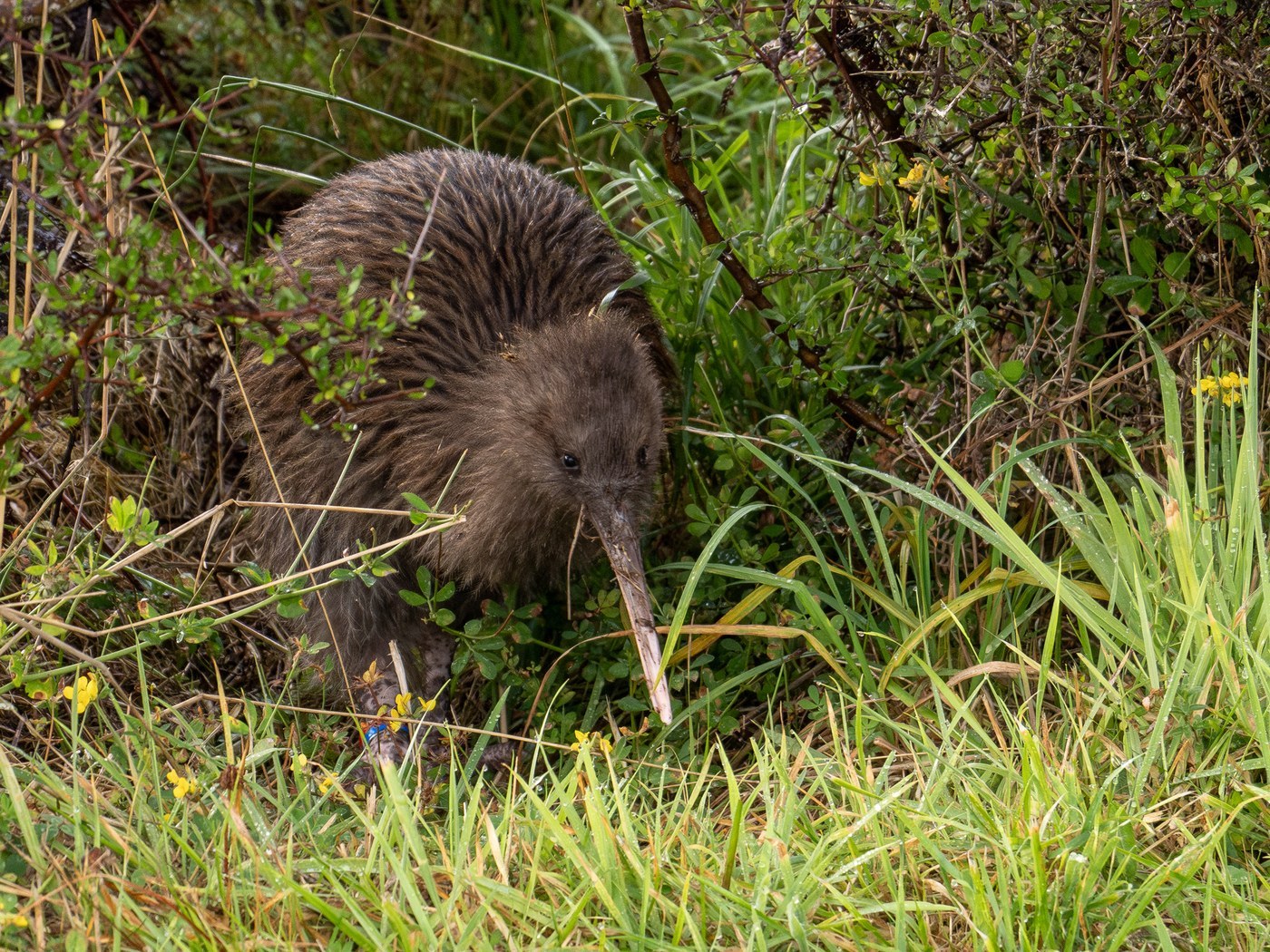
Southern Brown Kiwi
Shaggy, hair-like plumage with loose barbs lacking barbules; flightless, vestigial wings hidden beneath body feathers

Somali Ostrich
Loose, soft plumes lacking interlocking barbules

Woodland Kingfisher
Firm contour feathers; broad wing feathers

Russet-crowned Motmot
Dense contour feathers with elongated, racket-tipped central tail feathers