

Brown Wood Owl
Strix leptogrammica
The Brown Wood Owl is a large, dark forest owl of South and Southeast Asia known for its rich chocolate-brown plumage and heavily barred underparts.
- Feather type
- Broad, softly barred flight feathers; dense chocolate-brown contour and facial-disc feathers
- Colours
- Deep chocolate-brown above with fine dark barring; whitish to buff underparts crossed by bold brown bars
- Bird size
- Large, roughly 45-50 cm
Found a feather like this?
Identify any feather from a photo, free.
Overview
The Brown Wood Owl is one of the larger Strix owls, inhabiting dense evergreen, moist deciduous, and montane forest from the Indian subcontinent through Southeast Asia. Its dark, richly patterned plumage and rounded, tuftless head make it a striking though rarely seen inhabitant of the forest canopy.
It roosts in dense foliage or tree hollows by day, relying on cryptic coloration to avoid detection by mobbing birds. Its deep, resonant hooting is more often heard than the bird is seen.
Feathers from this species are notably large and boldly patterned compared to smaller forest owls sharing its range, making the combination of size, dark brown ground color, and heavy barring a useful identification clue.
Identifying the Feather
Shape and Size
Primaries are large and broad, often 22-27 cm long, with the soft fringed leading edge typical of owls for silent flight. Tail feathers are proportionally long and strongly barred.
Color and Pattern
- Upperparts and flight feathers are deep chocolate-brown with narrow, fairly regular dark barring
- Underpart and breast feathers are pale whitish to buffy with bold, widely spaced dark brown bars
- Facial disc feathers are dark brown, framed by a paler rim
Shaft and Vane
Shafts are dark brown to blackish on flight feathers, contrasting with the softer buff-white vanes of body feathers. Down at the feather base is thick, aiding insulation in humid forest.
Distinguishing from Similar Species
Its feathers are notably larger and darker than those of scops or screech owls in the same forests, and its barring pattern is bolder and more contrasting than the finer vermiculation of paler desert or grassland Strix relatives.
Plumage & Molt
Adults are dark chocolate-brown above with fine barring, and show a whitish to pale buff breast and belly crossed by broad dark brown bars. The facial disc is dark brown with a paler surrounding rim, and the eyes are dark brown, giving a soft expression typical of wood owls.
Sexes are similar in plumage, with females larger than males. Juveniles are downier and paler with less defined barring, gradually acquiring adult patterning through their first year. Adults undergo a single complete annual molt, typically timed outside the breeding season.
Habitat & Range
This species occupies dense evergreen and moist deciduous forest, as well as bamboo groves and forest edges, from the Indian subcontinent and Sri Lanka east through Southeast Asia including parts of the Malay Peninsula, Sumatra, Borneo, and adjacent islands.
It is generally a non-migratory resident, remaining within its forested home range throughout the year, though some populations may make short local movements tied to food availability.
Behavior & Field Notes
The Brown Wood Owl is strictly nocturnal, roosting in dense canopy foliage or tree hollows by day. It feeds on small mammals, birds, reptiles, amphibians, and large insects captured in flight or from a perch within the forest.
Nesting typically occurs in tree hollows or on abandoned stick nests of other large birds. Its call is a deep, far-carrying hoot or duet between pairs. When searching for feathers, a large, dark chocolate-brown feather with bold pale barring found on a forest floor in South or Southeast Asia is a strong indicator of this species.
Frequently asked questions
What makes Brown Wood Owl feathers distinctive?
Their large size combined with deep chocolate-brown ground color and bold, widely spaced barring on the underparts sets them apart from smaller forest owls.
Does the Brown Wood Owl have ear tufts?
No, it has a rounded, tuftless head like other members of the genus Strix.
Where in the world would I find this species' feathers?
Within dense evergreen and moist forests from India and Sri Lanka through Southeast Asia.
How does molt affect feather condition in this species?
Adults replace feathers gradually during a single annual molt, so worn and fresh feathers can both be found depending on season.
Brown Wood Owl guides
In-depth guides for identifying and understanding Brown Wood Owl.

Other feathers you may enjoy

Tawny Owl
Wing (flight) and body (contour) feathers
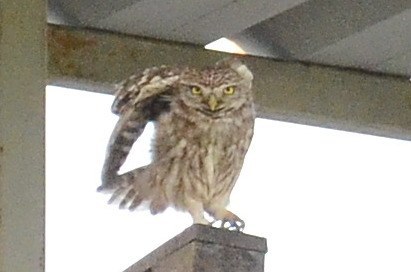
Little Owl
Wing and body feathers

Balsas Screech-Owl
Small ear-tuft feathers; soft, finely vermiculated body feathers

Blakiston's Fish Owl
Massive flight feathers with looser structure; shaggy body plumage; prominent ear-tuft feathers

Barn Owl
Wing and facial-disc feathers
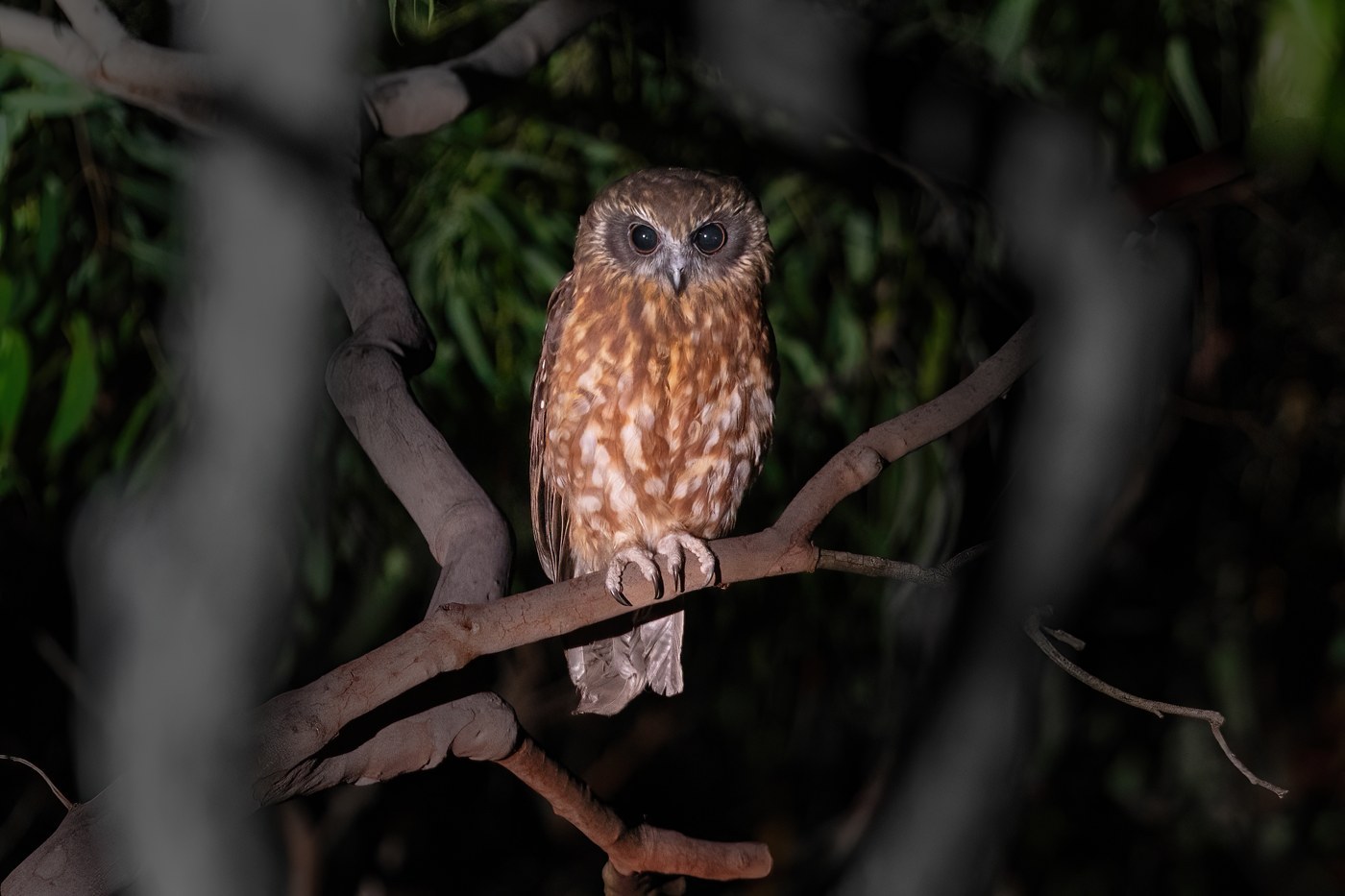
Southern Boobook
Rounded flight feathers; banded tail; spotted body plumage

Sooty Owl
Broad soft-edged flight feathers; heart-shaped facial disc feathers; finely speckled body plumage

Short-eared Owl
Broad soft-fringed flight feathers; streaked body feathers; tiny, rarely visible ear tufts

Stygian Owl
Dark, mottled flight and body feathers with long, closely-set ear tufts
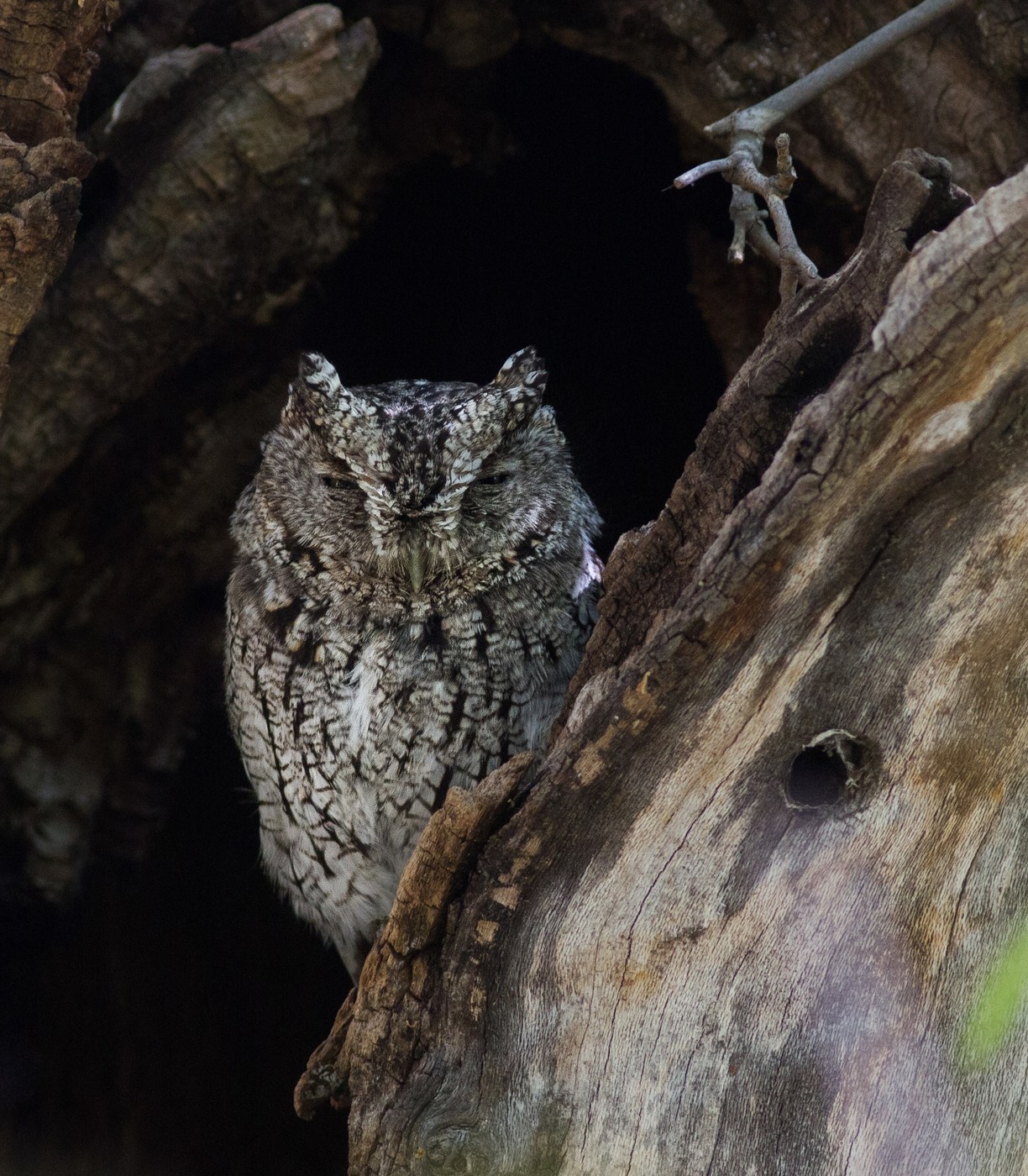
Whiskered Screech-Owl
Small soft-fringed flight feathers; finely mottled body feathers; short ear tufts
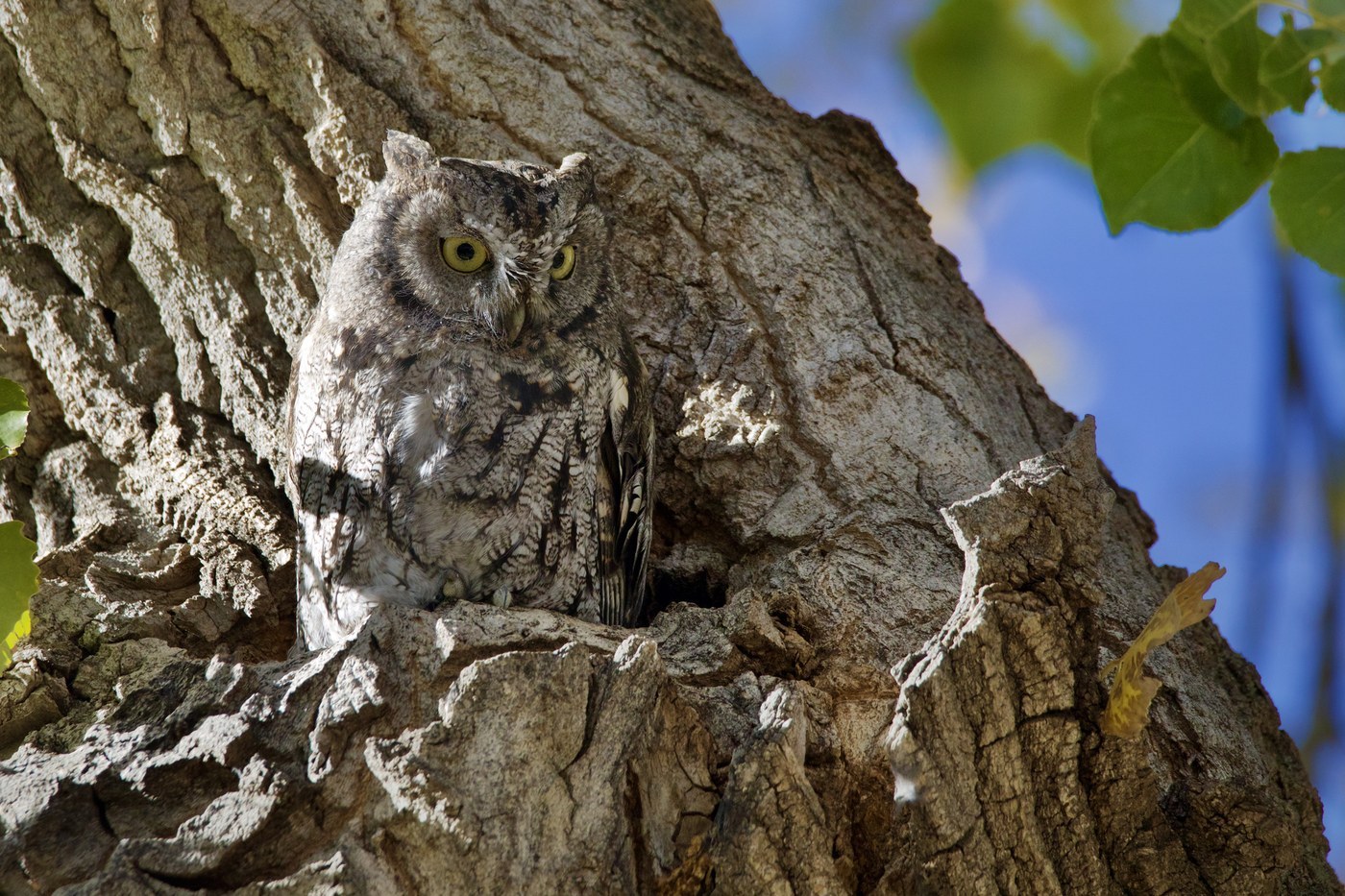
Western Screech-Owl
Small soft-fringed flight feathers; cryptic mottled/streaked body feathers; short ear tufts

White-faced Scops Owl
Small to medium flight feathers with a distinctive whitish facial disc and long ear-tuft plumes