

Buff-breasted Sandpiper
Calidris subruficollis
An upland-loving sandpiper with an unusually plain, warm buffy plumage and understated facial pattern, favoring dry short-grass fields rather than mudflats even during migration.
- Feather type
- Small wader contour and flight feathers
- Colours
- Warm buffy underparts overall; scaly dark-centered, buff-fringed upperparts; plain unmarked face
- Bird size
- Sandpiper-sized, ~18-20 cm
Found a feather like this?
Identify any feather from a photo, free.
Overview
Overview
The Buff-breasted Sandpiper stands apart from most calidrids by its preference for dry, short-grass habitats rather than mudflats or shorelines, both on its Arctic breeding grounds and throughout migration. Its warm, buffy overall coloration and plain face give it a distinctive, almost plover-like appearance.
Feathers are most often found on short-grass prairies, plowed agricultural fields, airport grasslands, and dry pampas habitats rather than on typical coastal mudflats.
Identifying the Feather
Feather Identification
- Underparts: warm buffy-orange wash covering the entire underside, essentially unmarked, unlike the streaked or spotted underparts of most sandpipers.
- Face: plain, with a simple dark eye and no strong facial pattern, giving a soft, understated look.
- Upperparts: dark-centered feathers broadly fringed with buff, creating a neat scaled pattern across the back and wing coverts.
- Wing linings: underwing coverts are pale with fine dark markings, sometimes visible on isolated wing feathers.
- Versus other calidrids: the combination of an entirely plain buffy underside with no streaking, paired with a scaled buff-and-black upperparts pattern, is distinctive among North American shorebirds.
Plumage & Molt
Plumage Notes
Adults show buffy underparts and a scaled buff-and-dark upperparts pattern year-round, with only modest seasonal change compared to many other calidrids; sexes look similar in plumage, though males are notably larger. Nonbreeding plumage is only slightly duller than breeding plumage.
Juveniles closely resemble adults, with especially crisp, neatly scaled upperpart feathers when fresh in early autumn. The molt cycle produces relatively subtle changes across seasons compared to more dramatically transforming species like Red Knot or Curlew Sandpiper.
Habitat & Range
Habitat & Range
Buff-breasted Sandpipers breed on high Arctic tundra in northern Canada and Alaska. During migration and winter they favor dry, short-grass habitats such as prairies, plowed fields, and airport grasslands, wintering primarily on the pampas grasslands of South America, especially Argentina and Uruguay.
Behavior & Field Notes
Behavior & Field Notes
This species forages by walking and picking at insects and other invertebrates on dry ground, rarely wading in water like typical sandpipers. Breeding males perform an elaborate courtship display involving wing-raising to show off the pale underwing pattern.
Nests are shallow tundra scrapes. The species is largely silent, without a loud or distinctive flight call typical of many shorebirds. Because of its strong preference for dry grassland habitats, feathers are more likely to be found in fields and prairies than along shorelines.
Frequently asked questions
What makes Buff-breasted Sandpiper feathers easy to recognize?
An entirely plain, warm buffy underside without streaking, combined with neatly scaled buff-and-dark upperpart feathers.
Where would I find this species' feathers?
In dry short-grass habitats such as prairies, plowed fields, or airport grasslands, rather than coastal mudflats.
Does this species show a strong seasonal plumage change?
No, plumage changes only modestly between breeding and nonbreeding seasons compared to many other sandpipers.
Are males and females different sizes?
Males are noticeably larger than females, though plumage coloration is similar between the sexes.
Where does this species winter?
Primarily on pampas grasslands in South America, especially Argentina and Uruguay.
Buff-breasted Sandpiper guides
In-depth guides for identifying and understanding Buff-breasted Sandpiper.

Other feathers you may enjoy
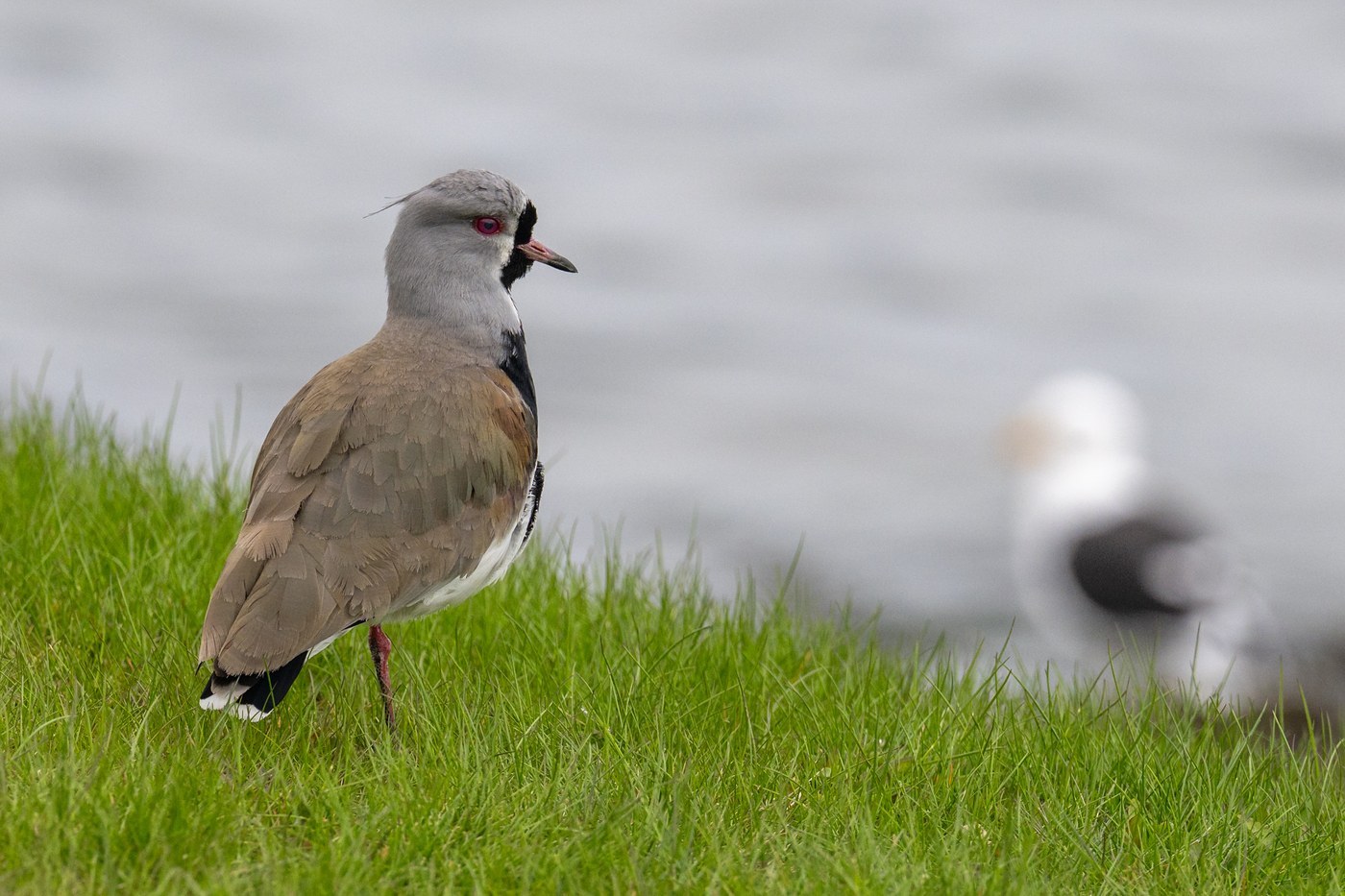
Southern Lapwing
Body, flight, and tail feathers

Jack Snipe
Body and flight feathers

Far Eastern Curlew
Body, flight, and tail feathers

Terek Sandpiper
Body and flight feathers

Wilson's Phalarope
Body and flight feathers
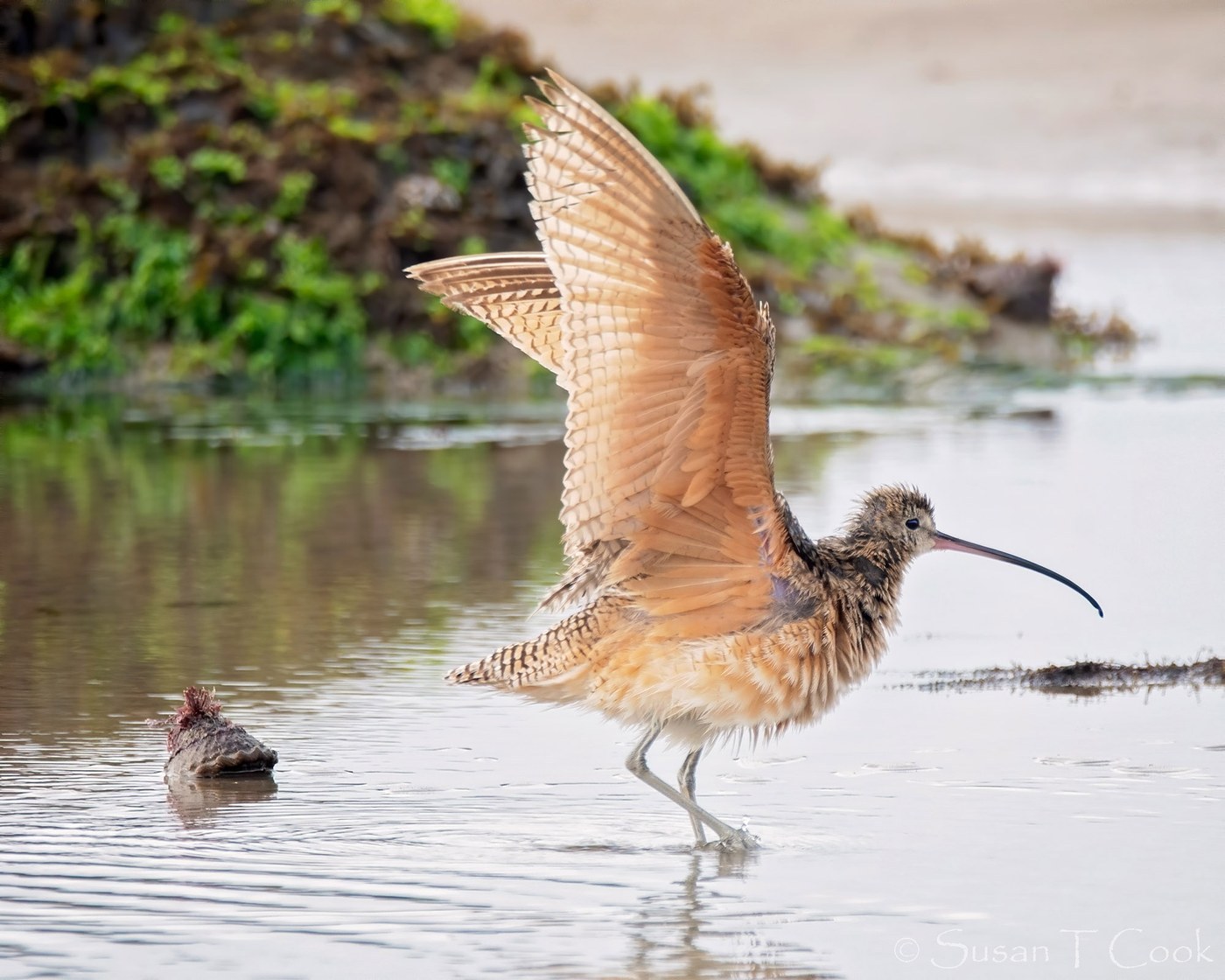
Long-billed Curlew
Body, flight, and tail feathers

Upland Sandpiper
Body, flight, and tail feathers

Red Phalarope
Body and flight feathers

Eurasian Dotterel
Body feathers
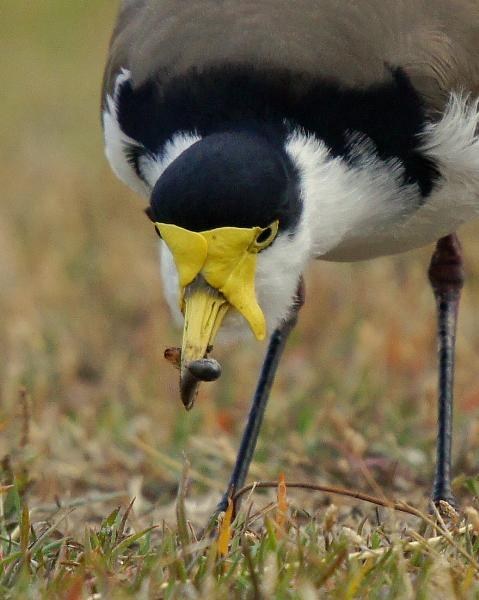
Masked Lapwing
Body, flight, and tail feathers
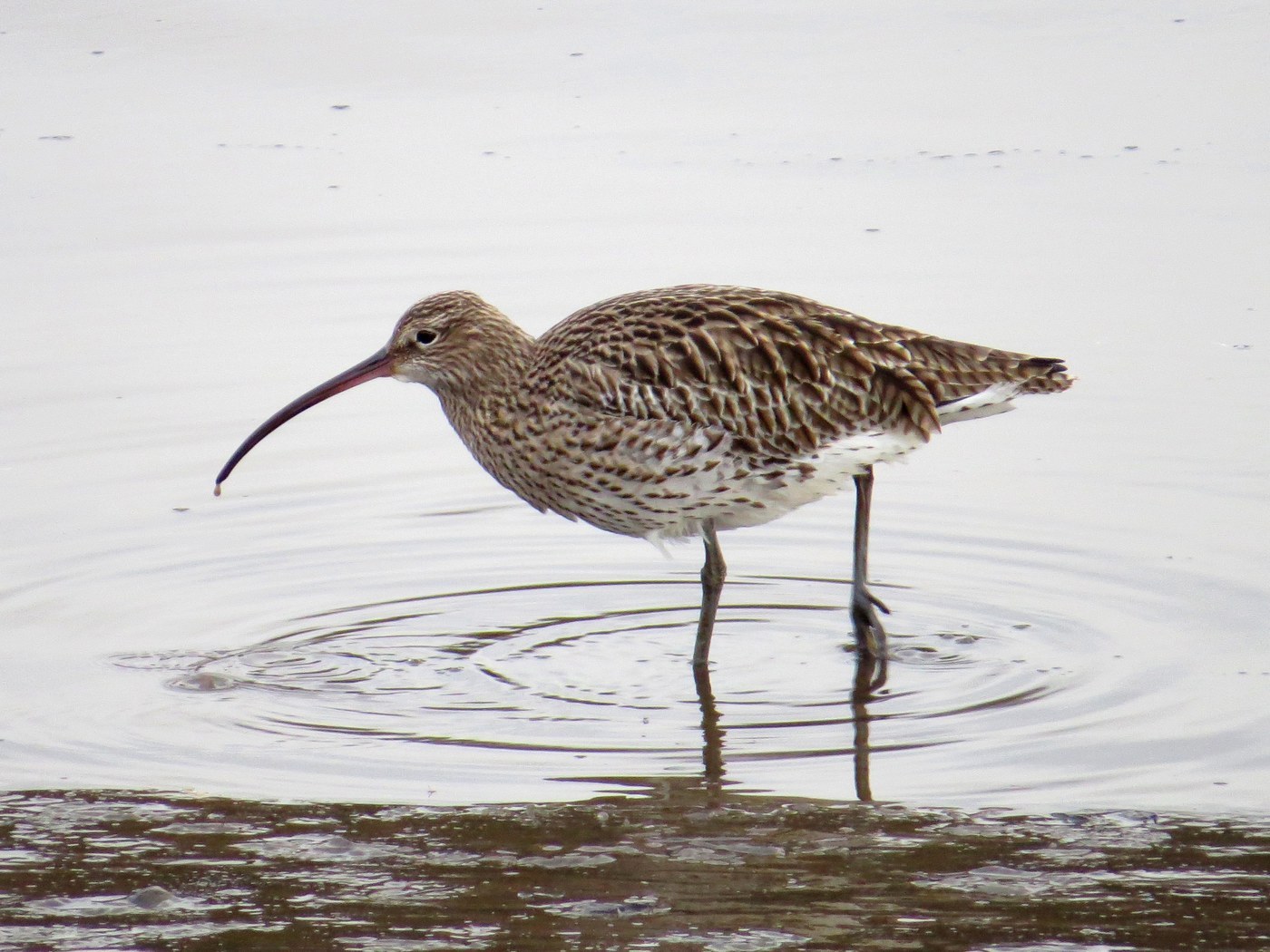
Eurasian Curlew
Body, flight, and tail feathers
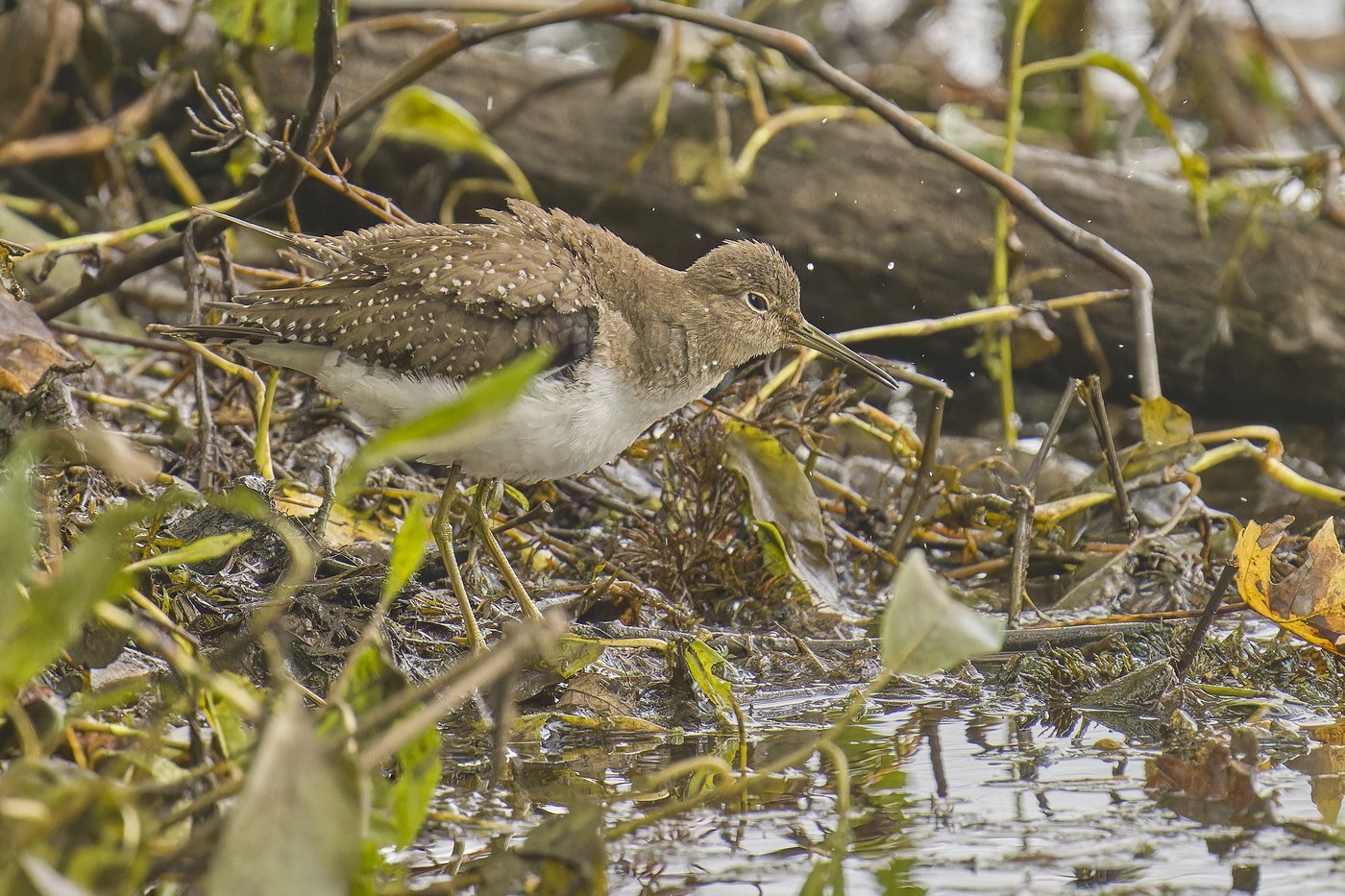
Solitary Sandpiper
Contour and flight feathers