

Buff-fronted Owl
Aegolius harrisii
The Buff-fronted Owl is a small South American forest owl with a striking contrast between its dark brown upperparts and warm buffy-orange face and underparts.
- Feather type
- Small, contrastingly colored flight and facial feathers with a dark-rimmed facial disc
- Colours
- Dark brown above with buffy-orange face and underparts
- Bird size
- Small, roughly 19-21 cm
Found a feather like this?
Identify any feather from a photo, free.
Overview
The Buff-fronted Owl inhabits humid montane forest along the Andes and separately in the Atlantic Forest of southeastern South America. It is a small, distinctively colored member of the genus Aegolius, related to the saw-whet and boreal owls of the Northern Hemisphere.
It is an inconspicuous forest dweller, rarely observed and more often known from its distinctive call given at night from within dense forest canopy.
Its strong contrast between dark brown upperparts and warm buffy-orange underparts and facial feathers makes it fairly distinctive among small forest owls within its South American range.
Identifying the Feather
Shape and Size
Flight feathers are small, roughly 11-13 cm on primaries, with soft fringed edges typical of owls.
Color and Pattern
- Upperparts and flight feathers dark brown, sometimes appearing almost blackish-brown
- Facial and underpart feathers are warm buffy-orange, strongly contrasting with the dark back
- Facial disc feathers show a dark rim around the paler orange face
Shaft and Vane
Shafts dark brown on upperpart feathers, paler on facial and underpart feathers; vanes soft and finely textured.
Distinguishing from Similar Species
The strong contrast between very dark upperparts and warm buffy-orange underparts and face is more pronounced than in most other small South American forest owls, making this a useful distinguishing trait.
Plumage & Molt
Adults show dark brown upperparts contrasting with warm buffy-orange underparts and face, a dark-rimmed facial disc, and yellow eyes.
Sexes look similar, with females slightly larger. Juveniles show a more uniformly dark, downy plumage before developing the adult contrast. Adults undergo a single annual molt.
Habitat & Range
This species occurs in two separate regions: humid montane forest along the tropical Andes, and separately in the Atlantic Forest of southeastern Brazil, Paraguay, and northern Argentina.
It is generally considered a resident species within these forest habitats, though some local altitudinal movement may occur.
Behavior & Field Notes
The Buff-fronted Owl is nocturnal, roosting by day in dense forest foliage. It feeds on large insects and small vertebrates within the forest interior and edge.
It nests in tree cavities. Its call is a rapid series of short whistled notes. A small feather showing dark brown upperparts and warm buffy-orange coloring found in Andean or Atlantic Forest habitat is consistent with this species.
Frequently asked questions
What is the most distinctive feature of Buff-fronted Owl feathers?
The strong contrast between dark brown upperparts and warm buffy-orange facial and underpart feathers.
Where is this species found?
In two disjunct regions: Andean montane forest and the Atlantic Forest of southeastern South America.
What genus does this owl belong to?
Aegolius, the same genus as the saw-whet and boreal owls of the Northern Hemisphere.
Is this owl commonly seen?
No, it is inconspicuous and more often detected by its distinctive whistled call than direct observation.
Buff-fronted Owl guides
In-depth guides for identifying and understanding Buff-fronted Owl.

Other feathers you may enjoy

Tawny Owl
Wing (flight) and body (contour) feathers
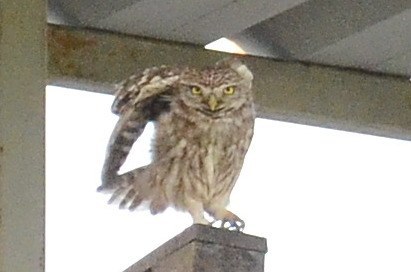
Little Owl
Wing and body feathers

Balsas Screech-Owl
Small ear-tuft feathers; soft, finely vermiculated body feathers

Blakiston's Fish Owl
Massive flight feathers with looser structure; shaggy body plumage; prominent ear-tuft feathers

Barn Owl
Wing and facial-disc feathers
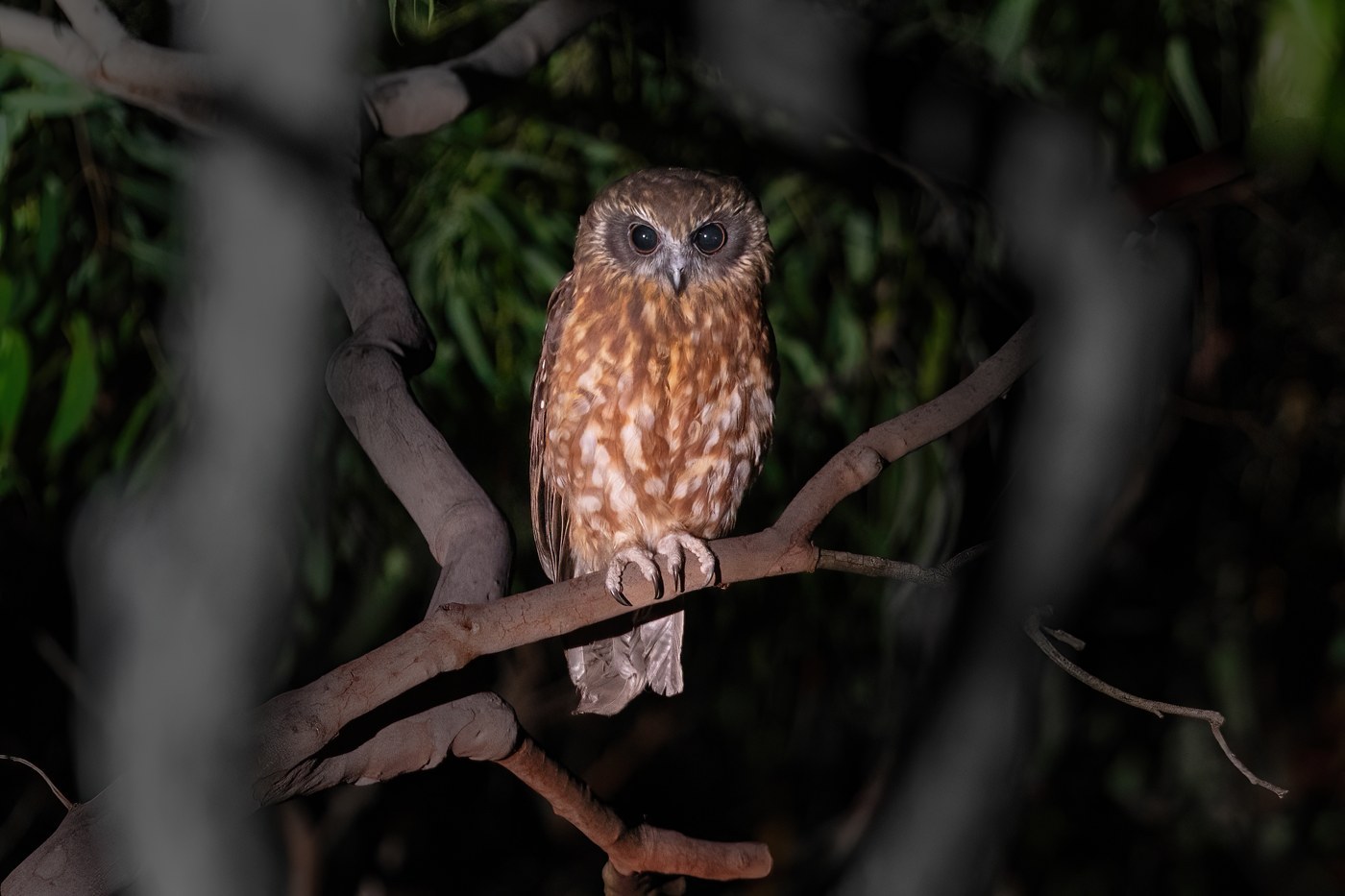
Southern Boobook
Rounded flight feathers; banded tail; spotted body plumage

Sooty Owl
Broad soft-edged flight feathers; heart-shaped facial disc feathers; finely speckled body plumage

Short-eared Owl
Broad soft-fringed flight feathers; streaked body feathers; tiny, rarely visible ear tufts

Stygian Owl
Dark, mottled flight and body feathers with long, closely-set ear tufts
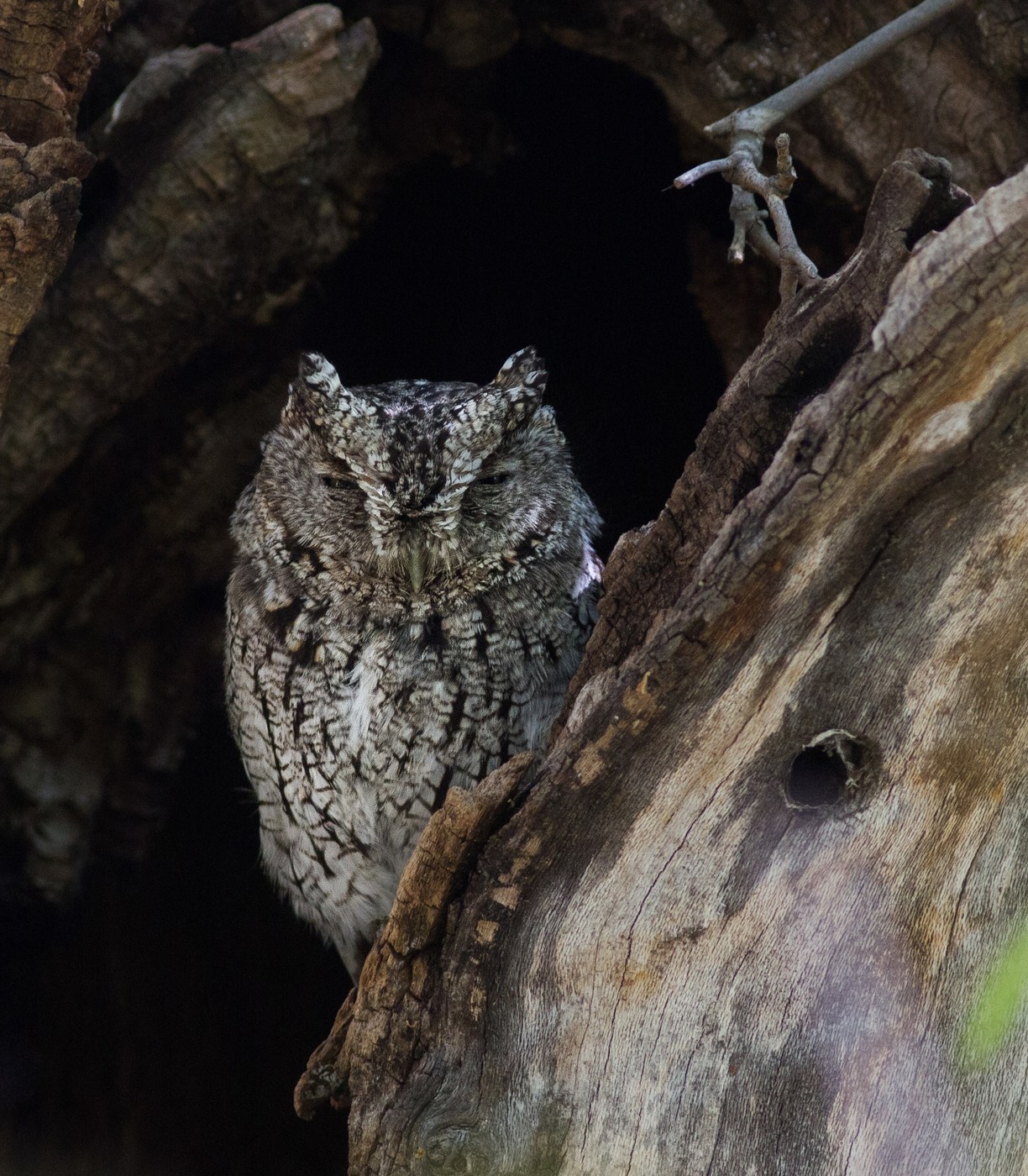
Whiskered Screech-Owl
Small soft-fringed flight feathers; finely mottled body feathers; short ear tufts
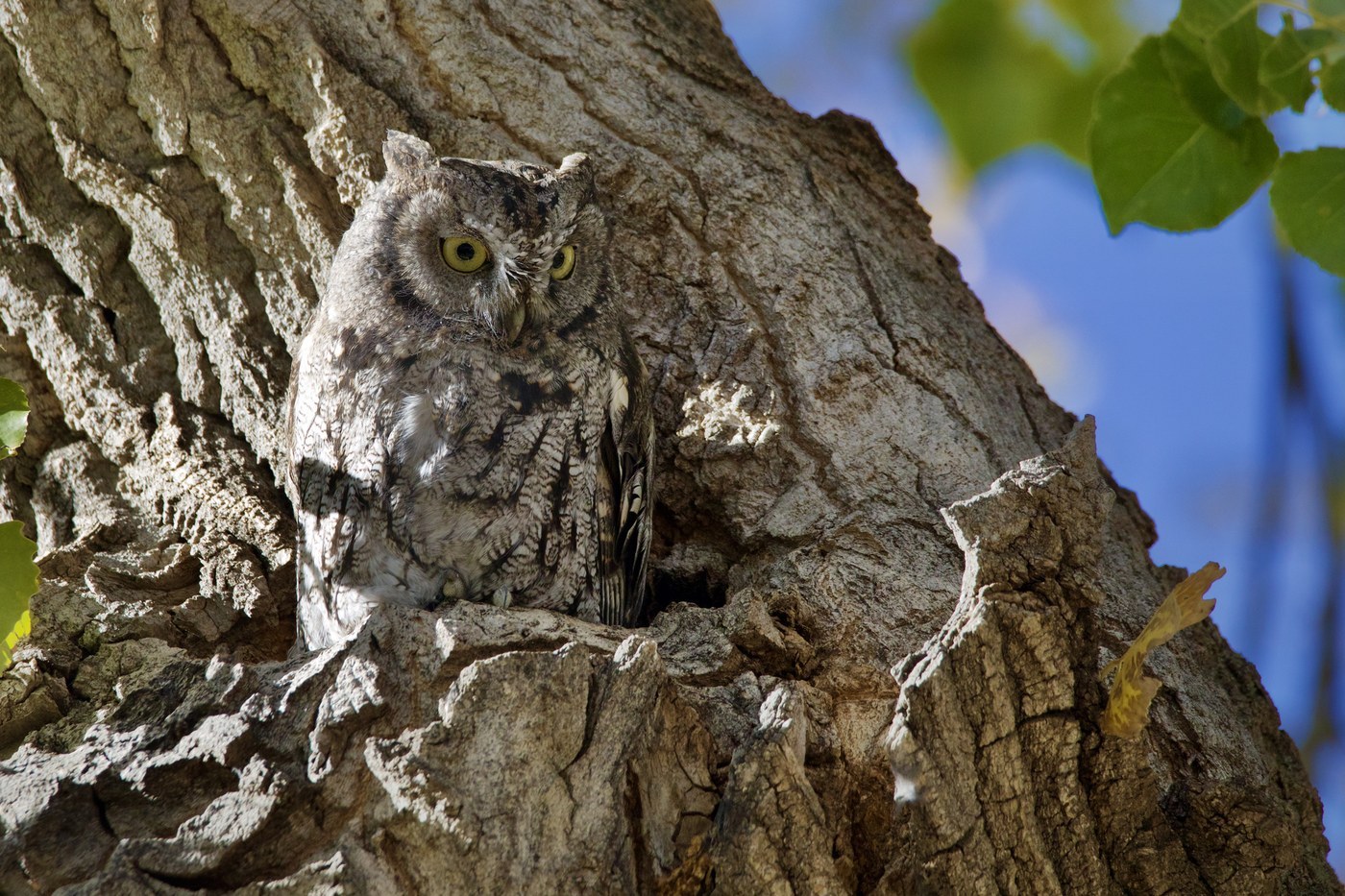
Western Screech-Owl
Small soft-fringed flight feathers; cryptic mottled/streaked body feathers; short ear tufts

White-faced Scops Owl
Small to medium flight feathers with a distinctive whitish facial disc and long ear-tuft plumes