

Chimney Swift
Chaetura pelagica
A cigar-shaped aerial bird with uniformly sooty gray-brown plumage and stiff, spine-tipped tail feathers used to brace against vertical surfaces.
- Feather type
- Contour and stiff tail feathers
- Colours
- Uniform sooty gray-brown, slightly paler throat
- Bird size
- Small, sparrow-sized, ~13 cm
Found a feather like this?
Identify any feather from a photo, free.
Overview
Overview
The Chimney Swift is a small, highly aerial bird of eastern North America, spending nearly all of its waking hours on the wing and rarely landing except to roost or nest, typically inside chimneys, hollow trees, or similar vertical, cavity-like structures. Its cigar-shaped silhouette, stiff wingbeats, and near-constant flight distinguish it readily from swallows, which it superficially resembles in the air.
Plumage is plain and uniform, a sooty gray-brown overall with a slightly paler throat, providing little color pattern to note but making the bird's distinctive shape, flight style, and stiff tail feathers the primary tools for identification.
Identifying the Feather
Feather ID Notes
Chimney Swift feathers are uniformly sooty gray-brown with little contrast, aside from a slightly paler grayish throat. The tail feathers are notably stiff and short, with bare, spine-like shafts projecting slightly beyond the vane at the tips, an adaptation used to help brace the bird against vertical surfaces inside chimneys and hollow trees.
- Body feathers: uniform sooty gray-brown, unpatterned
- Throat feathers: slightly paler gray than the rest of the body
- Tail feathers: short, stiff, with protruding bare shafts at the tip
- Wing feathers: long and narrow relative to body size, suited to sustained flight The protruding, spine-tipped tail feathers are a distinctive feature not found in swallows, which have soft, more typical tail feather tips, making this a useful clue if a shed feather is found near a chimney or roost site.
Plumage & Molt
Plumage Details
Sexes look alike in the Chimney Swift, both showing the same uniform sooty gray-brown plumage year-round. Juveniles closely resemble adults, with subtle differences in feather wear rather than distinct pattern differences. There is no seasonal plumage change in this species; overall coloration remains consistent throughout the year.
Habitat & Range
Habitat & Range
Chimney Swifts breed across the eastern United States and southeastern Canada, historically nesting and roosting in large hollow trees but now overwhelmingly associated with chimneys and similar man-made vertical structures in urban and suburban settings. They are long-distance migrants, wintering in South America, and are known for forming large communal roosts in chimneys during migration.
Behavior & Field Notes
Behavior & Field Notes
This species forages almost entirely in flight, catching flying insects on the wing at varying heights over towns, cities, and open country, and it rarely if ever lands on the ground. Diet consists entirely of flying insects captured in the air. Nests are small half-cup structures glued to a vertical interior surface with the bird's own saliva, typically inside a chimney or hollow tree. Calls are a rapid, chattering, twittering series given almost constantly in flight, often the first clue to the presence of a flock circling overhead at dusk.
Frequently asked questions
What feather feature is unique to Chimney Swift?
Stiff tail feathers with bare, spine-like shafts protruding at the tips, used to brace against vertical surfaces.
How can you tell this species from a swallow in flight?
Its cigar-shaped body, stiff rapid wingbeats, and near-constant flight without perching are distinct from the smoother flight of swallows.
Where does the Chimney Swift typically nest and roost?
In chimneys and similar man-made vertical structures, as well as hollow trees in less developed areas.
Does the Chimney Swift ever land?
It rarely lands, spending nearly all its time in flight and only clinging to vertical surfaces to roost or nest.
Chimney Swift guides
In-depth guides for identifying and understanding Chimney Swift.

Other feathers you may enjoy

Common Cuckoo
Flight and body feathers
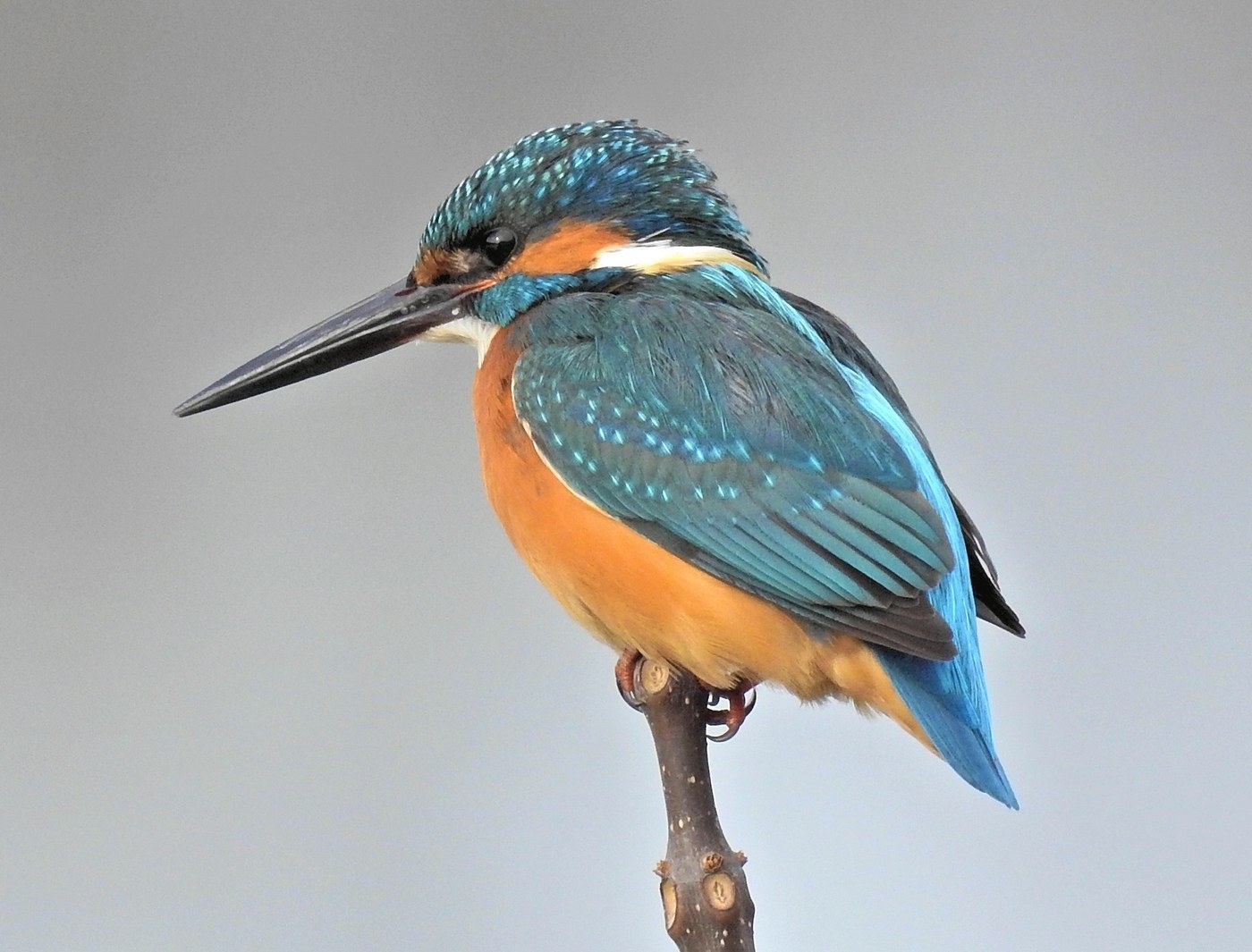
Common Kingfisher
Body (contour) and wing feathers

White-throated Toucan
Short rounded contour feathers, short broad wings

White-throated Kingfisher
Dense contour feathers; broad rounded wings

White-throated Bee-eater
Sleek, aerodynamic contour feathers; elongated central tail streamers
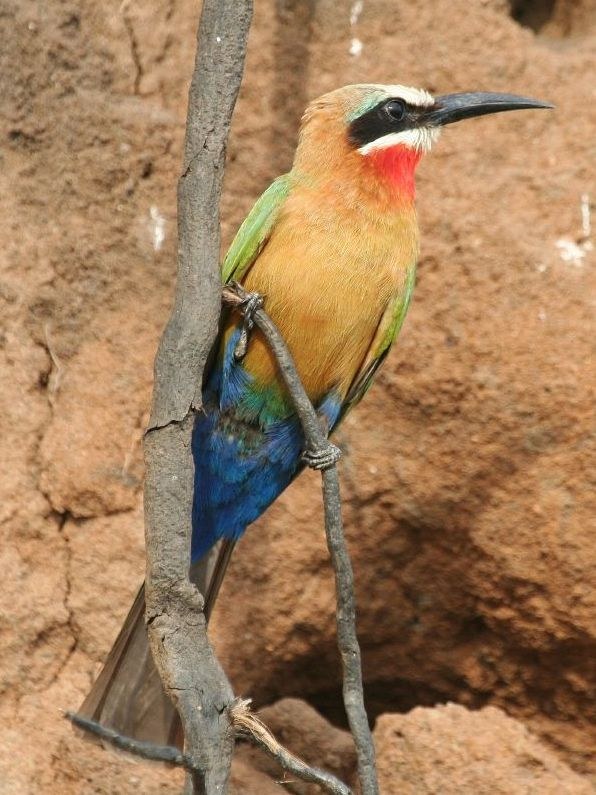
White-fronted Bee-eater
Sleek contour feathers; short tail with slight point

Southern Yellow-billed Hornbill
Slender contour feathers, moderate flight feathers
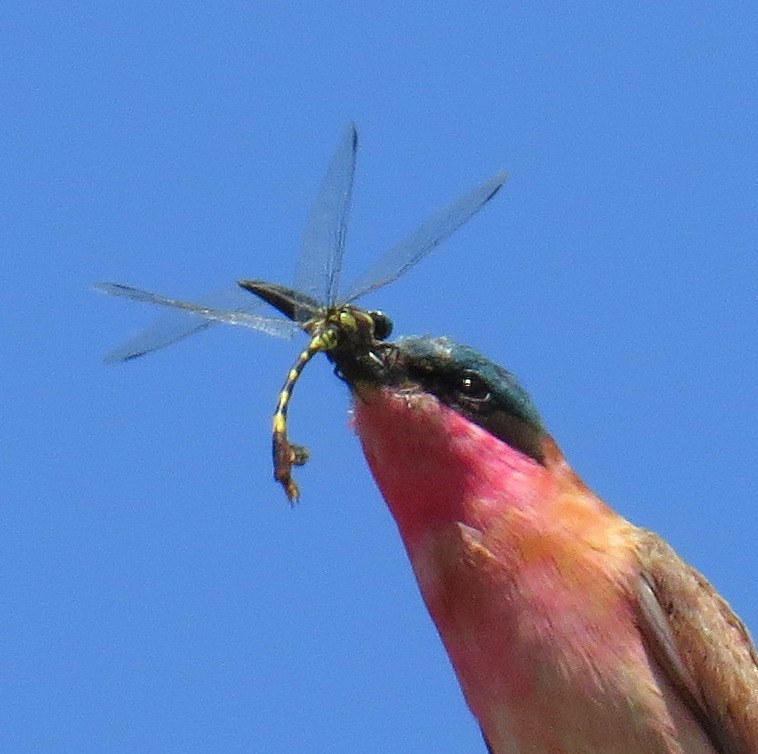
Southern Carmine Bee-eater
Sleek, pointed contour feathers; elongated central tail streamers
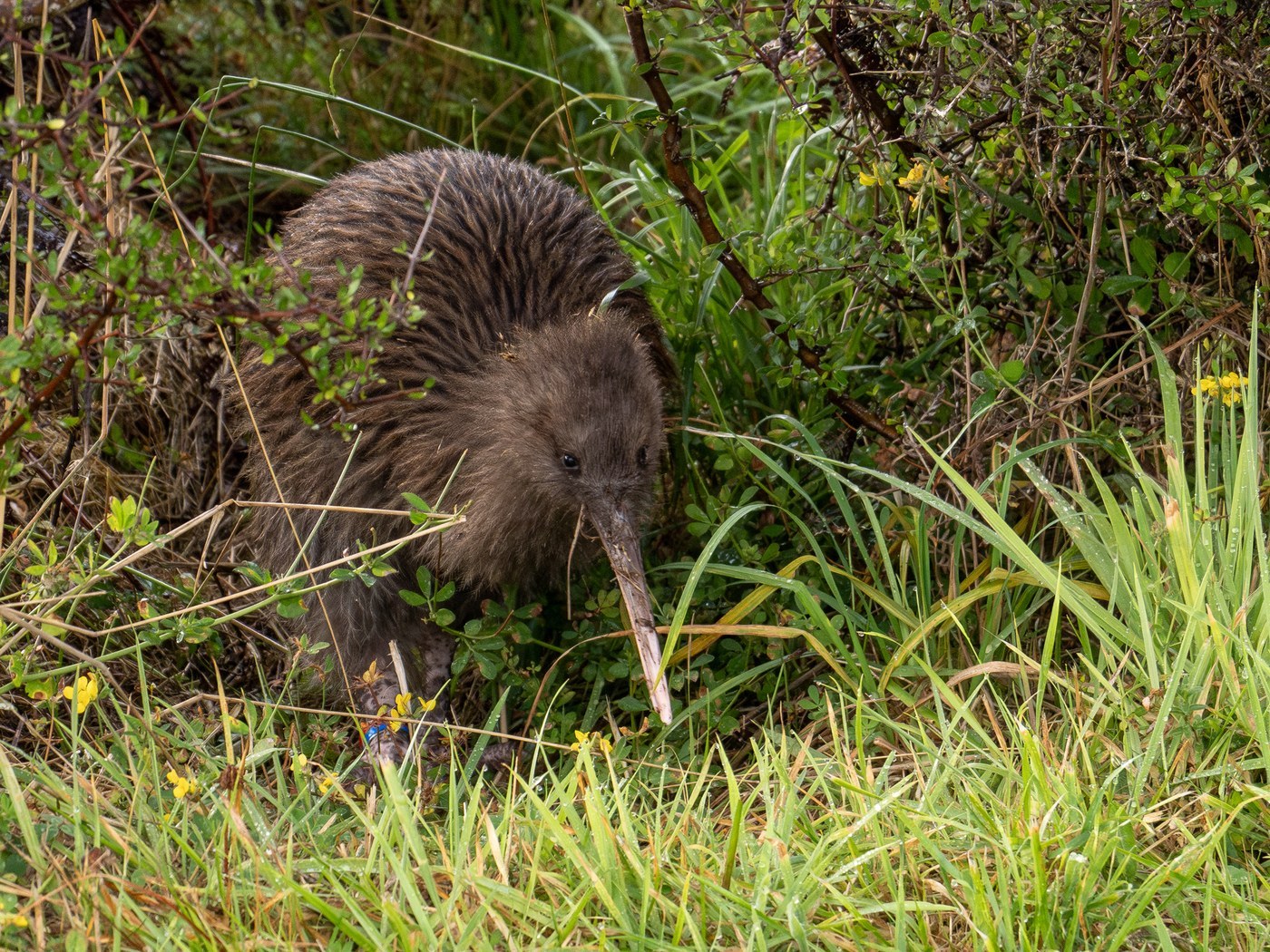
Southern Brown Kiwi
Shaggy, hair-like plumage with loose barbs lacking barbules; flightless, vestigial wings hidden beneath body feathers

Somali Ostrich
Loose, soft plumes lacking interlocking barbules

Wreathed Hornbill
Dense contour feathers, broad flight feathers

Woodland Kingfisher
Firm contour feathers; broad wing feathers