
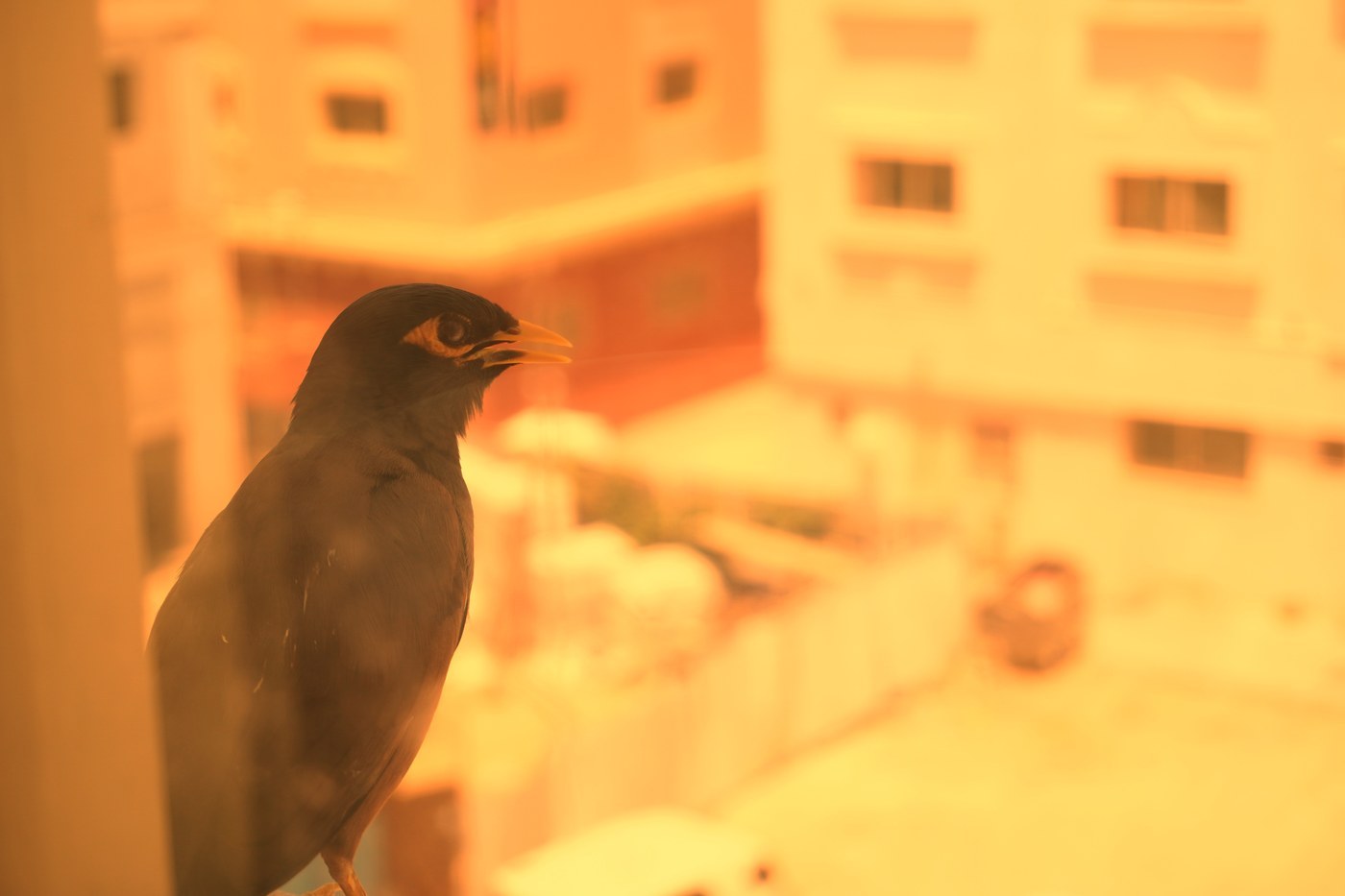
Common Myna
Acridotheres tristis
A bold, adaptable brown songbird with a glossy black head and bright yellow bare skin patch around the eye, now established in cities across much of the world.
- Feather type
- Firm body feathers; bold white flight patch
- Colours
- Brown body, black head, yellow bare skin patch around eye
- Bird size
- Robin-sized to slightly larger, ~23-25 cm
Found a feather like this?
Identify any feather from a photo, free.
Overview
The Common Myna is native to South Asia but has been widely introduced elsewhere, including parts of Australia, Africa, and North America, where it thrives in urban and agricultural environments. It is a familiar, bold bird often seen foraging on lawns, sidewalks, and around outdoor dining areas.
Identifying the Feather
Flight feathers: brown with a bold white patch at the base of the primaries, forming a conspicuous white flash visible in flight. Tail feathers: brown with a white tip, also visible as a pale terminal band in flight. Body feathers: glossy black on the head and upper breast contrasts with warm brown on the back, wings, and lower underparts, accompanied by bare yellow skin around the eye (not feathered) and a yellow bill and legs. The combination of a black hood, brown body, and bold white wing and tail markings distinguishes Common Myna feathers from related mynas such as the Jungle or Bank Myna.
Plumage & Molt
Sexes look alike. Adults show a glossy black head and upper breast, warm brown body plumage, a white wing patch and tail tip, and bare yellow skin around the eye with a yellow bill and legs. Juveniles are duller brown overall with a less glossy head and reduced yellow facial skin, gaining full adult coloration within their first year. There is no distinct seasonal plumage change.
Habitat & Range
Common Mynas are native to South and Southeast Asia but have established large introduced populations across Australia, parts of Africa, the Middle East, Pacific islands, and North America, particularly in urban and suburban environments, farmland, and open country. The species is generally non-migratory and highly adaptable to human-altered habitats.
Behavior & Field Notes
This myna forages on the ground, taking insects, small vertebrates, fruit, and discarded human food, often walking with a confident, upright gait. It nests in cavities, including building crevices, tree hollows, and nest boxes, and can be aggressive toward other cavity-nesting species. Common Mynas are vocal and social, giving a range of harsh chattering, gurgling, and whistled calls, often in noisy communal roosts at dusk.
Frequently asked questions
How can I tell Common Myna feathers from Jungle Myna feathers?
Common Myna feathers show a glossy black (not gray) head and lack the forehead tuft feathers present on the Jungle Myna, along with bare yellow skin around the eye rather than a colored bare patch further back.
What is the bare yellow patch around the eye — is it feathered?
No, it is an area of bare skin rather than feathers, though it is a useful accompanying field mark alongside the bird's brown-and-black plumage.
Is the Common Myna native to the areas where it is now common?
It is native to South and Southeast Asia but has been introduced and become established in many regions worldwide, including parts of Australia, Africa, and North America.
What does the white wing patch look like in flight?
It appears as a bold white flash across the base of the primaries, clearly visible against the otherwise brown flight feathers, along with a pale terminal tail band.
Common Myna guides
In-depth guides for identifying and understanding Common Myna.
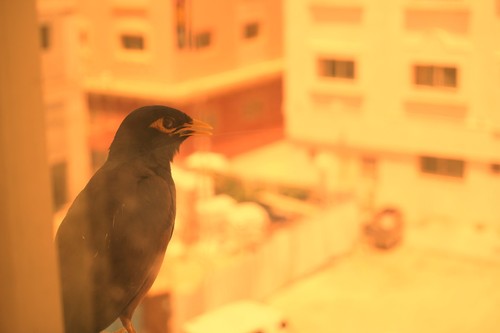
Common Myna identified by the community
Real feathers identified with Feather Identifier.

Other feathers you may enjoy

Yellow-breasted Bunting
Contour and flight feathers, chestnut-and-yellow breeding pattern
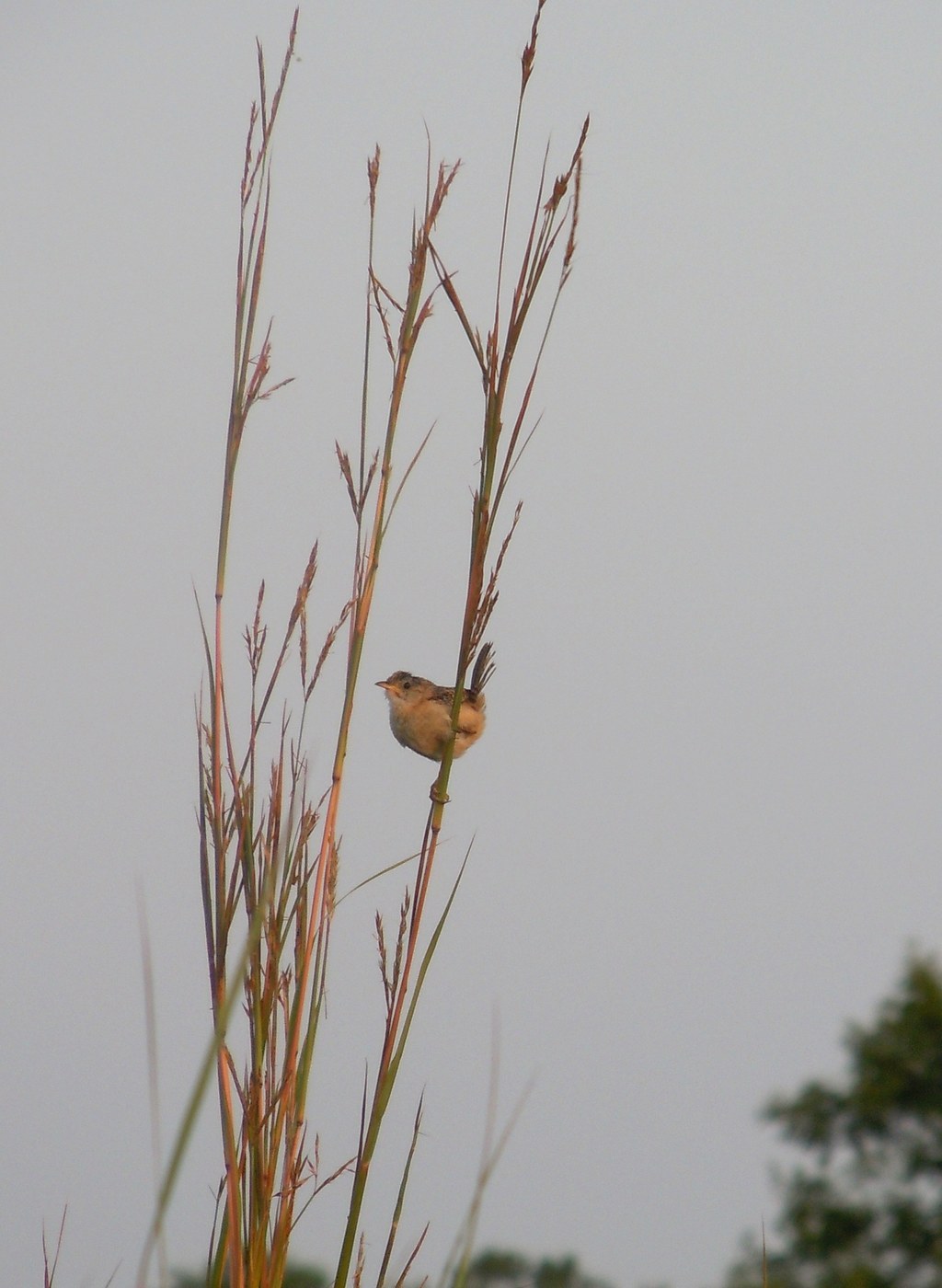
Sedge Wren
Tiny streaked crown and back feathers

Yellow-winged Cacique
Glossy black body feathers, yellow wing patch, shaggy crest

Yellow Warbler
Small contour and flight feathers
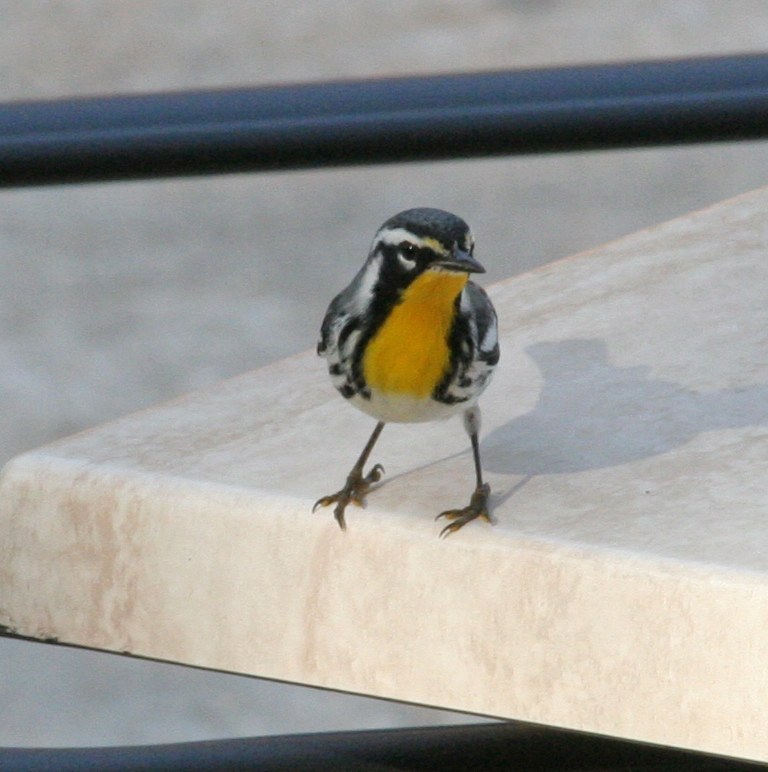
Yellow-throated Warbler
Small contour and flight feathers
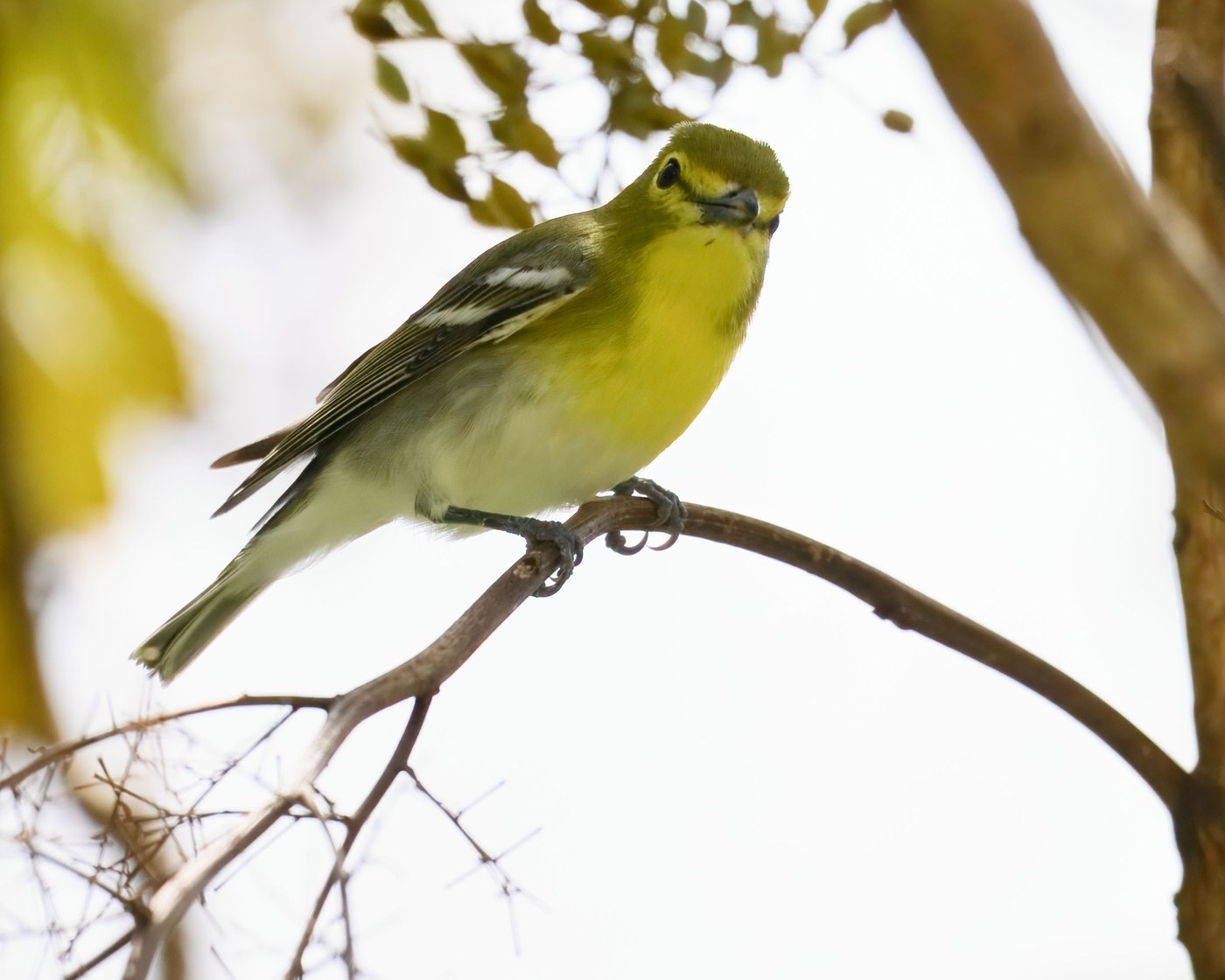
Yellow-throated Vireo
Bright yellow throat and spectacle feathers; olive-green back feathers; two white wing-bar feathers

Yellow-rumped Warbler
Small contour and flight feathers
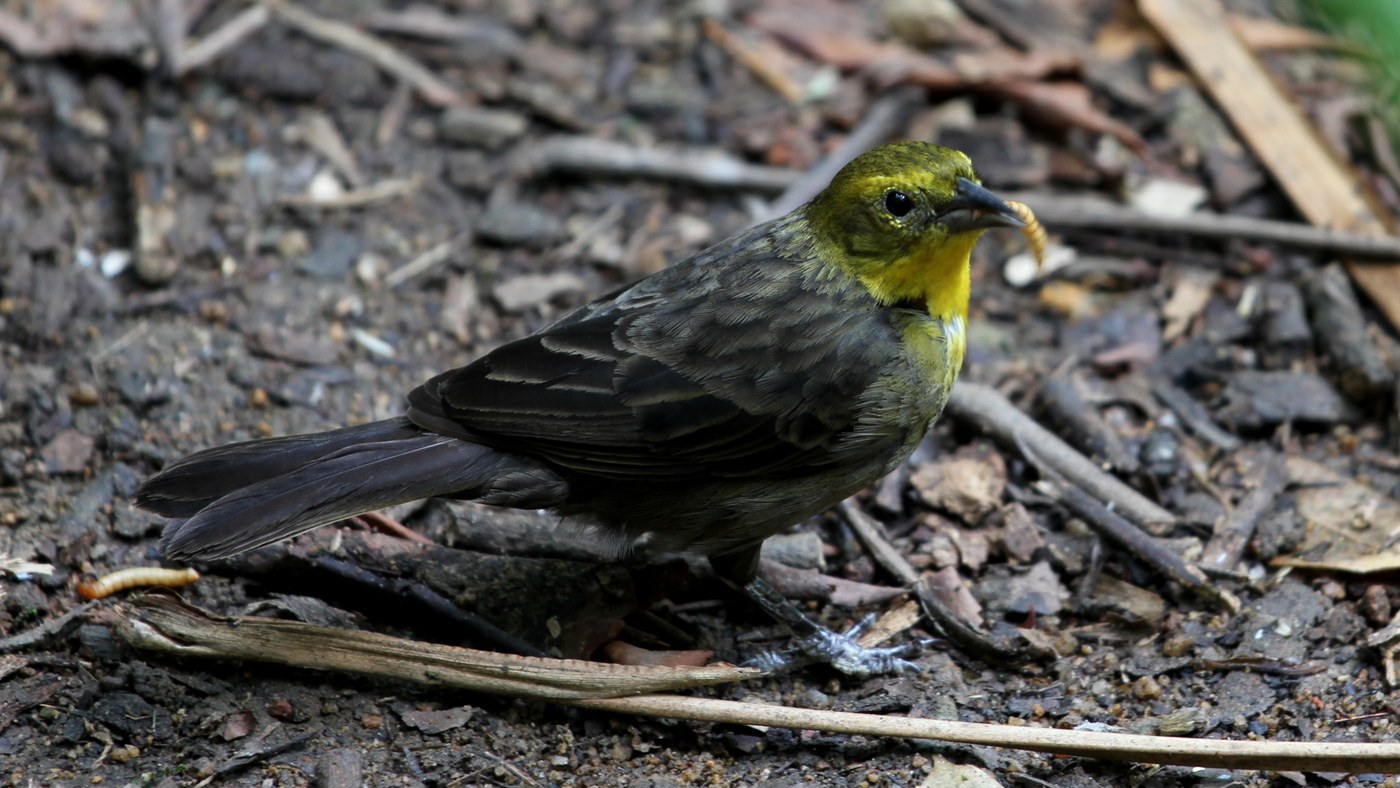
Yellow-hooded Blackbird
Contrasting hood and body feathers
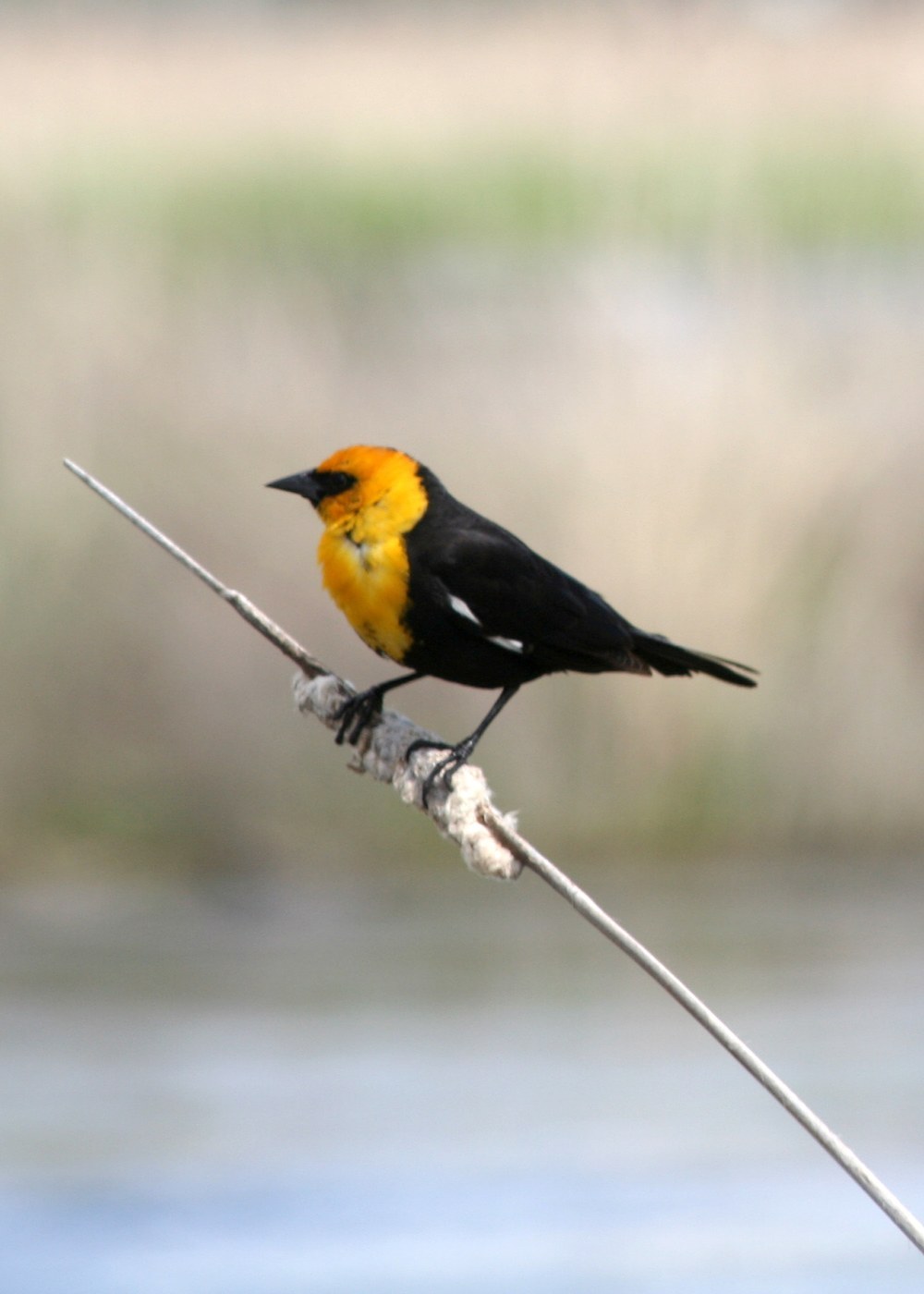
Yellow-headed Blackbird
Glossy black body plumage with a bright yellow head and breast

Yellow-eyed Junco
Contour and flight feathers

Yellow-fronted Canary
Small, smooth body plumage

Yellow-breasted Greenfinch
Compact, smooth body plumage