
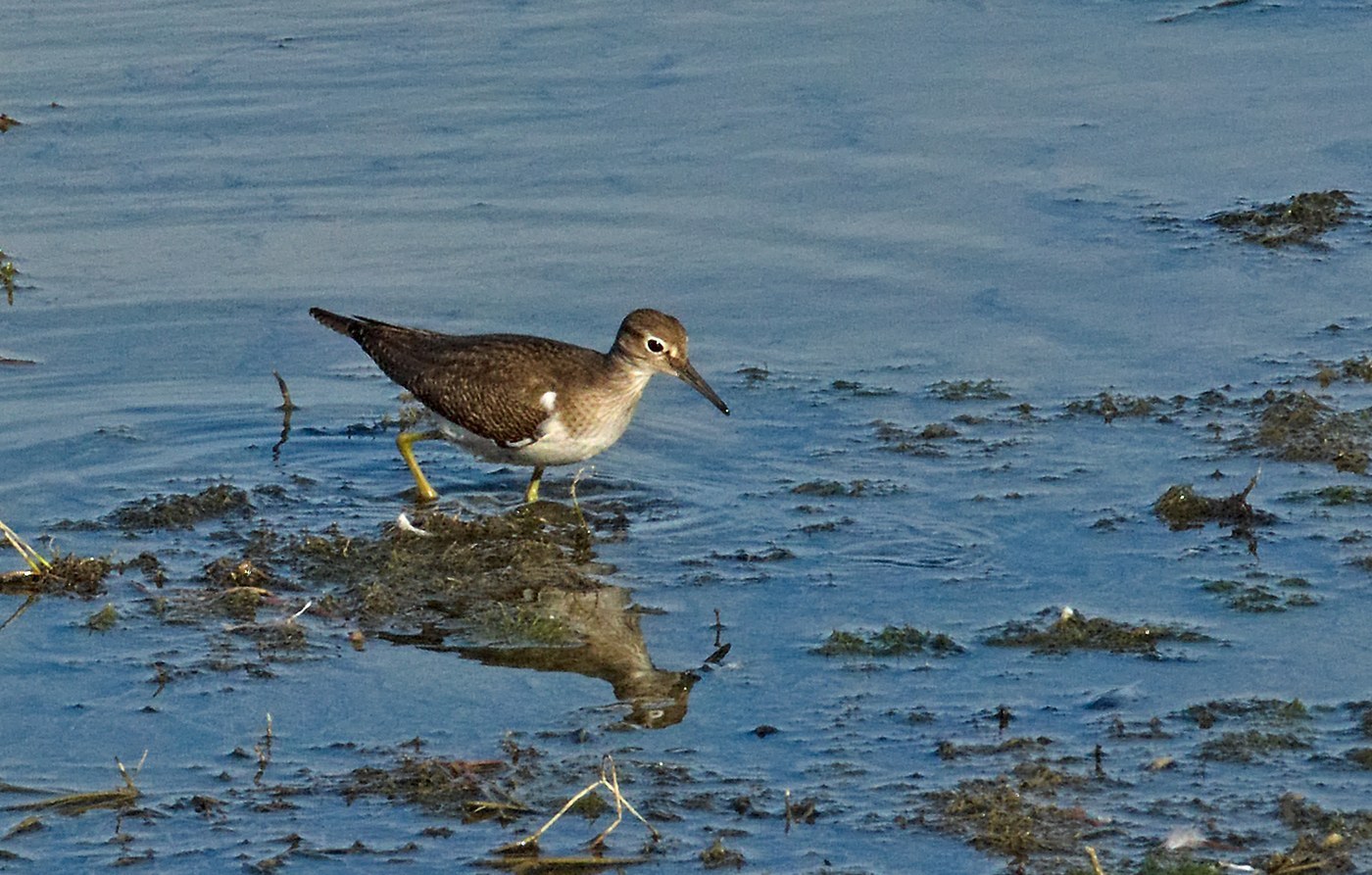
Common Sandpiper
Actitis hypoleucos
The Old World counterpart to the Spotted Sandpiper, this small brown-and-white shorebird constantly bobs its tail as it forages along freshwater edges.
- Feather type
- Contour and flight feathers
- Colours
- Olive-brown above, white below
- Bird size
- Small sandpiper, ~19-21 cm
Found a feather like this?
Identify any feather from a photo, free.
Overview
Overview
The Common Sandpiper is a small, active shorebird widespread across Europe and Asia, closely related to the American Spotted Sandpiper. It shows plain olive-brown upperparts and clean white underparts, without the bold spotting seen in its American relative even during the breeding season. Its habit of bobbing the tail and rear body while walking is one of its most recognizable behaviors.
Unlike many shorebirds, it favors freshwater edges over open mudflats, often perching on rocks or low branches near flowing water.
Identifying the Feather
Feather Identification
- Upperparts: Plain olive-brown with a faint greenish sheen, lacking strong barring or spotting, sometimes showing fine dark shaft streaks in fresh plumage.
- Underparts: Clean white from the throat to the belly, with a slight brownish smudge or fine streaking at the sides of the breast, but never the bold round spots of the Spotted Sandpiper.
- Wing pattern: A distinct white wingstripe crosses the flight feathers, visible in flight, bordered by dark brown.
- Tail: Outer tail feathers show white tips and dark barring, contrasting with the plain brown central tail feathers.
- Compared to similar species: Best separated from the Spotted Sandpiper by range (Old World vs. New World) since non-breeding and juvenile plumages of the two species are extremely similar.
Plumage & Molt
Plumage Notes
Adults show subtle seasonal variation, with breeding birds having slightly more defined dark centers to the upperpart feathers compared to plainer non-breeding plumage. Sexes are similar in appearance. Juveniles show pale buff fringes on the wing coverts, giving a scaly appearance that is lost after the first full molt into adult-like plumage.
Habitat & Range
Habitat & Range
Common Sandpipers breed along fast-flowing rivers, streams, and lake margins across much of Europe and Asia, often favoring gravelly or rocky banks. The species is highly migratory, wintering across Africa, southern Asia, and Australasia along a wide range of freshwater and coastal shorelines.
Behavior & Field Notes
Behavior & Field Notes
This species forages by picking small invertebrates from shorelines and shallow water, characteristically bobbing its tail and rear body while walking or standing. Its flight is low and fluttering, with stiff, shallow wingbeats interspersed with short glides, similar to the Spotted Sandpiper. Nests are simple ground scrapes near water, and the sharp, piping call is often the first clue to its presence along a riverbank.
Frequently asked questions
What color are Common Sandpiper feathers?
Upperparts are plain olive-brown and underparts are white, with a distinct white wingstripe visible in flight.
Does the Common Sandpiper have spotted underparts like its American relative?
No, it lacks the bold black spotting of the Spotted Sandpiper even in breeding plumage, showing only faint streaking at the breast sides.
How does a Common Sandpiper move differently from other sandpipers?
It constantly bobs its tail and rear body while foraging, a behavior shared with the closely related Spotted Sandpiper.
Where would I find a Common Sandpiper feather?
Along rivers, streams, and lake edges across Europe and Asia, or on wintering grounds in Africa, southern Asia, and Australasia.
Common Sandpiper guides
In-depth guides for identifying and understanding Common Sandpiper.
Other feathers you may enjoy
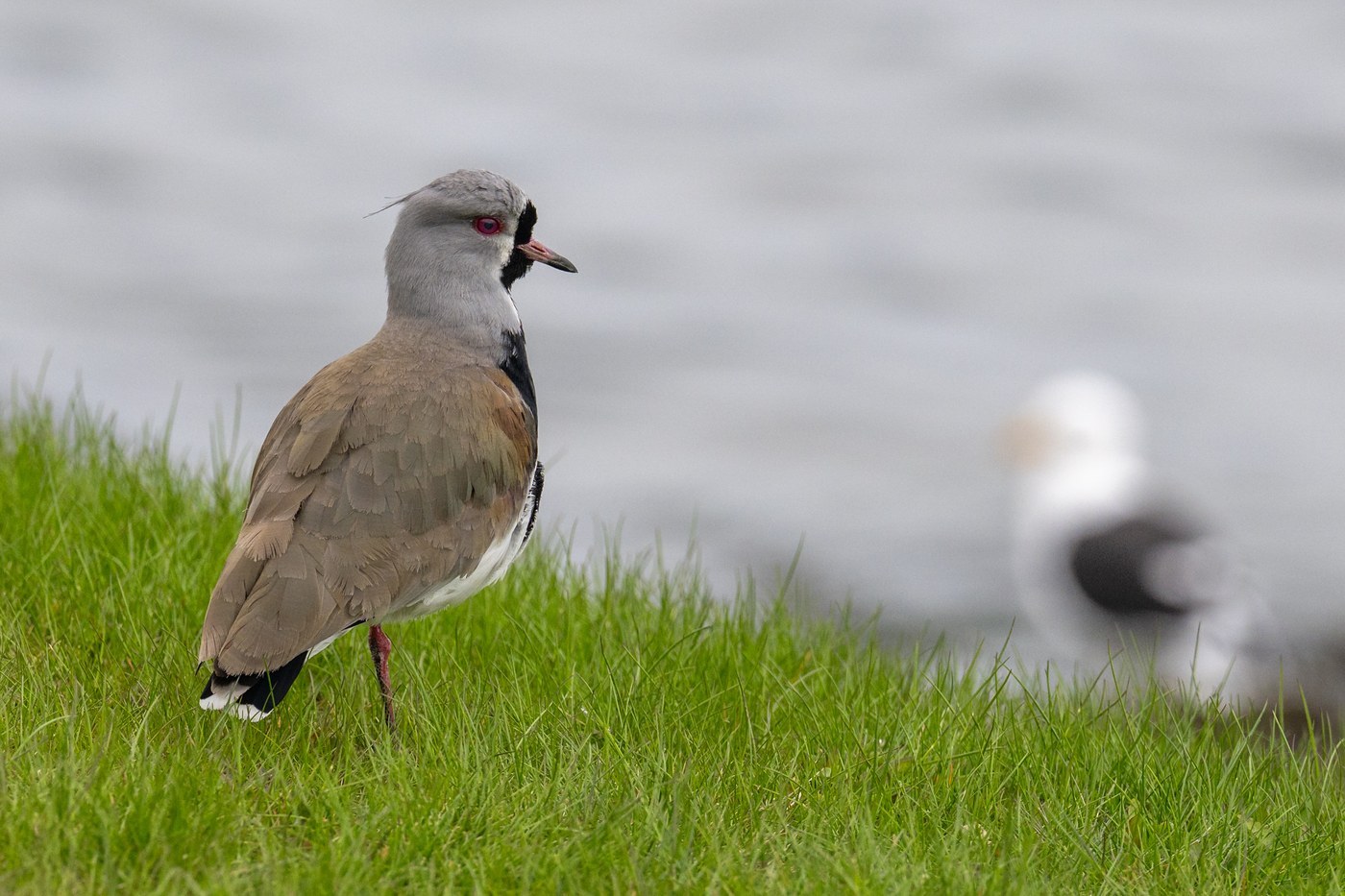
Southern Lapwing
Body, flight, and tail feathers

Jack Snipe
Body and flight feathers

Far Eastern Curlew
Body, flight, and tail feathers

Terek Sandpiper
Body and flight feathers

Wilson's Phalarope
Body and flight feathers
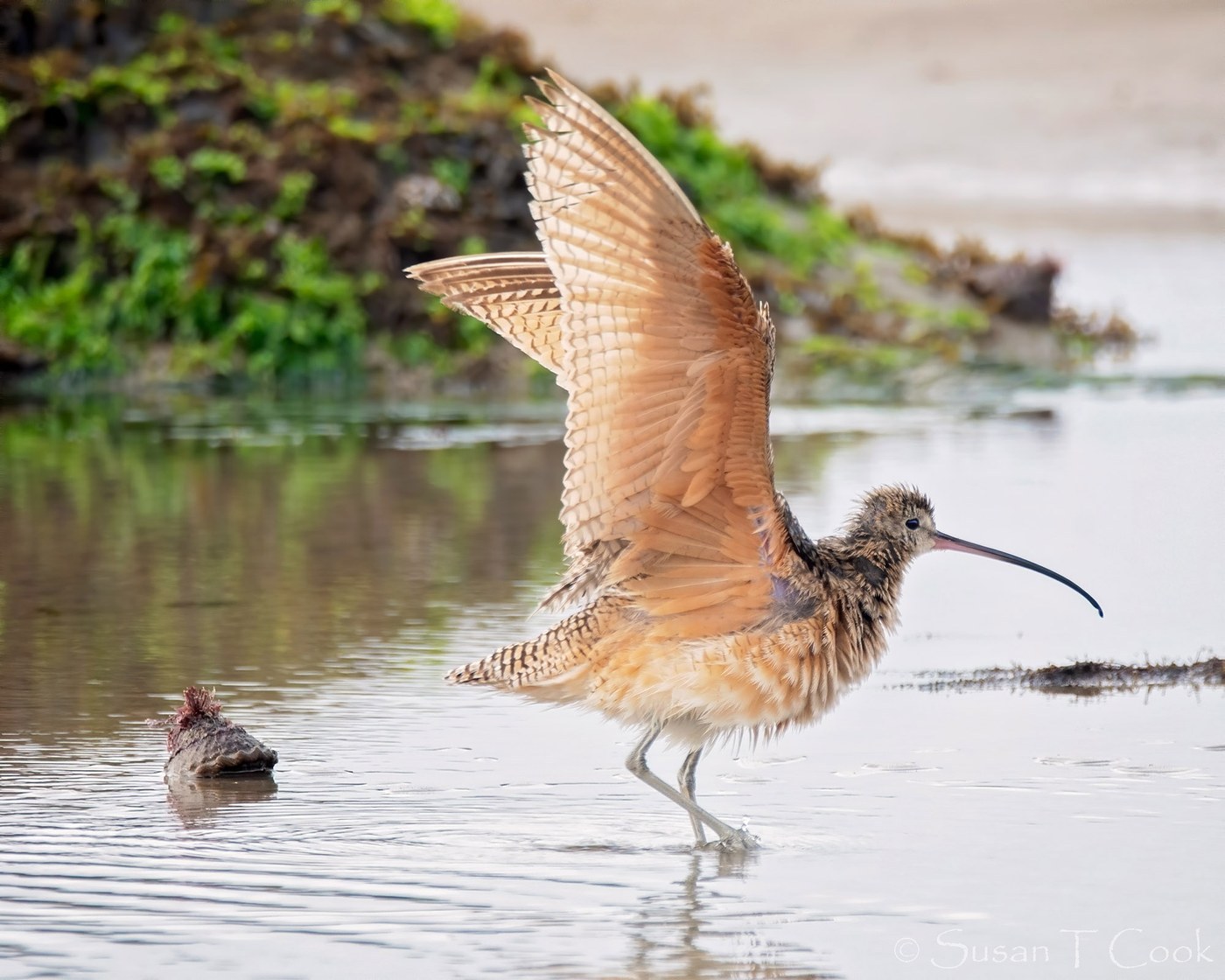
Long-billed Curlew
Body, flight, and tail feathers

Upland Sandpiper
Body, flight, and tail feathers

Red Phalarope
Body and flight feathers

Eurasian Dotterel
Body feathers
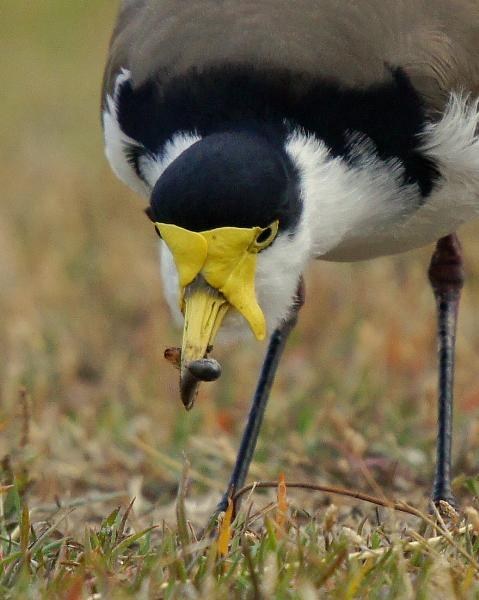
Masked Lapwing
Body, flight, and tail feathers
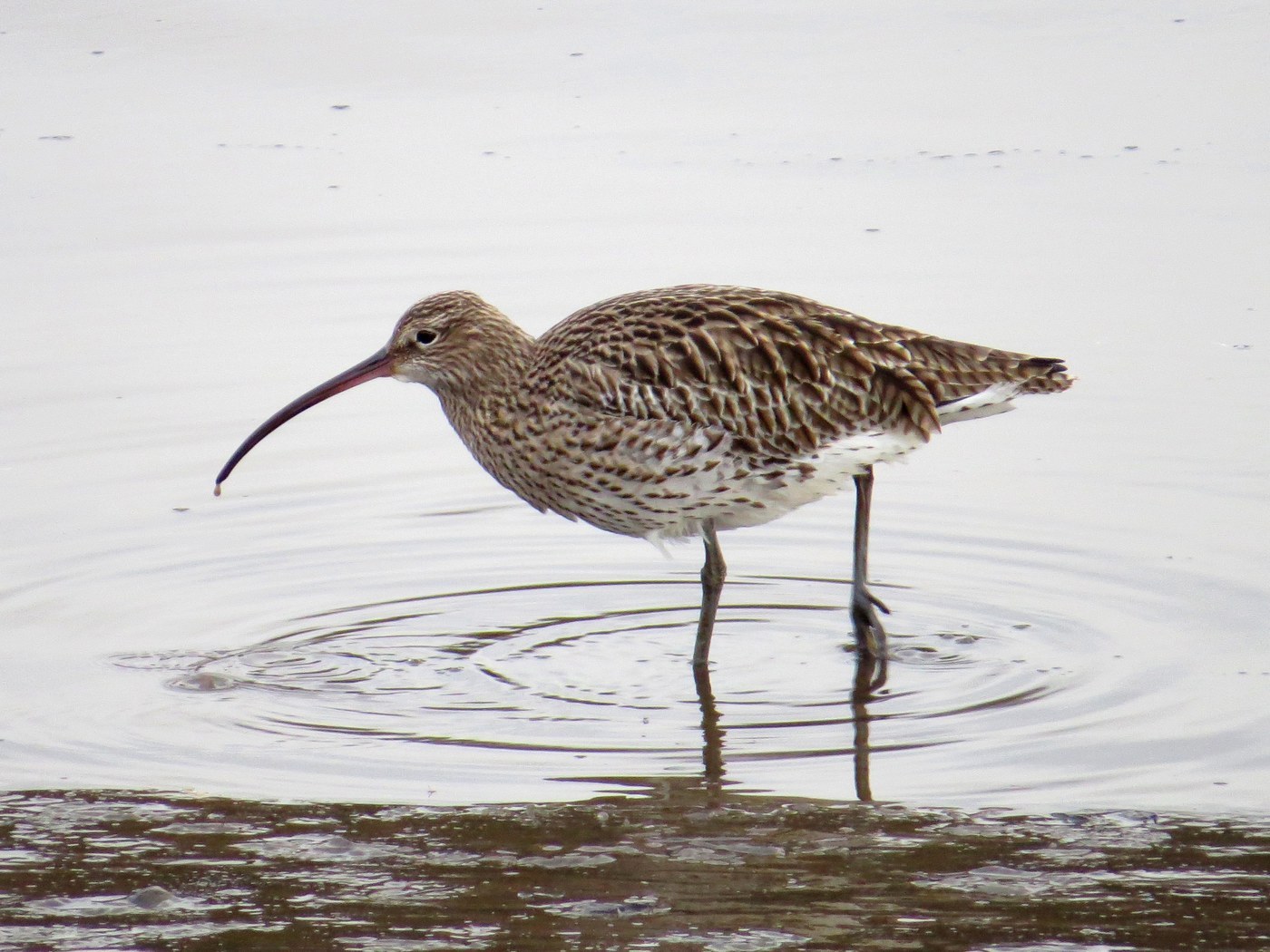
Eurasian Curlew
Body, flight, and tail feathers
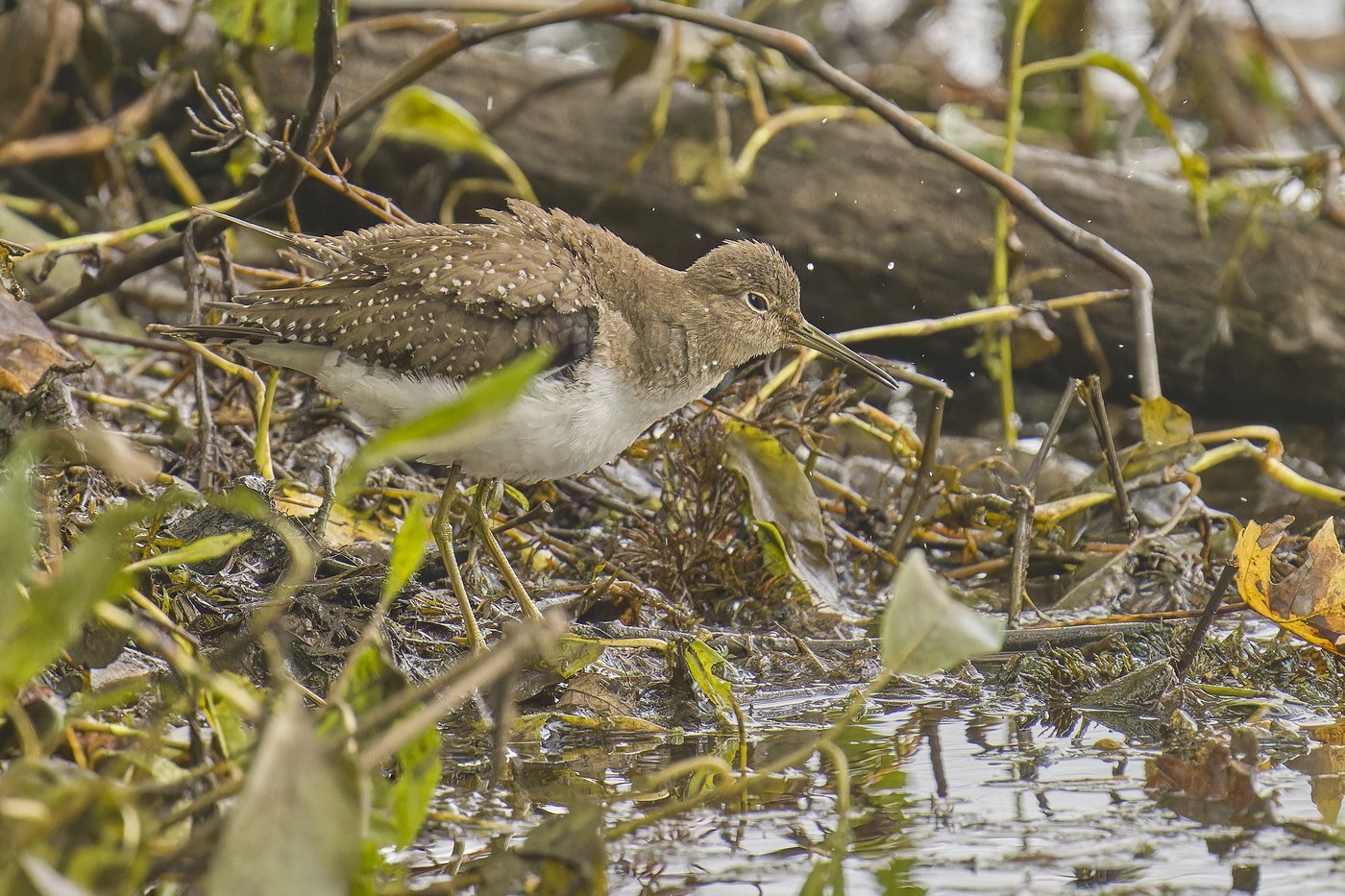
Solitary Sandpiper
Contour and flight feathers