
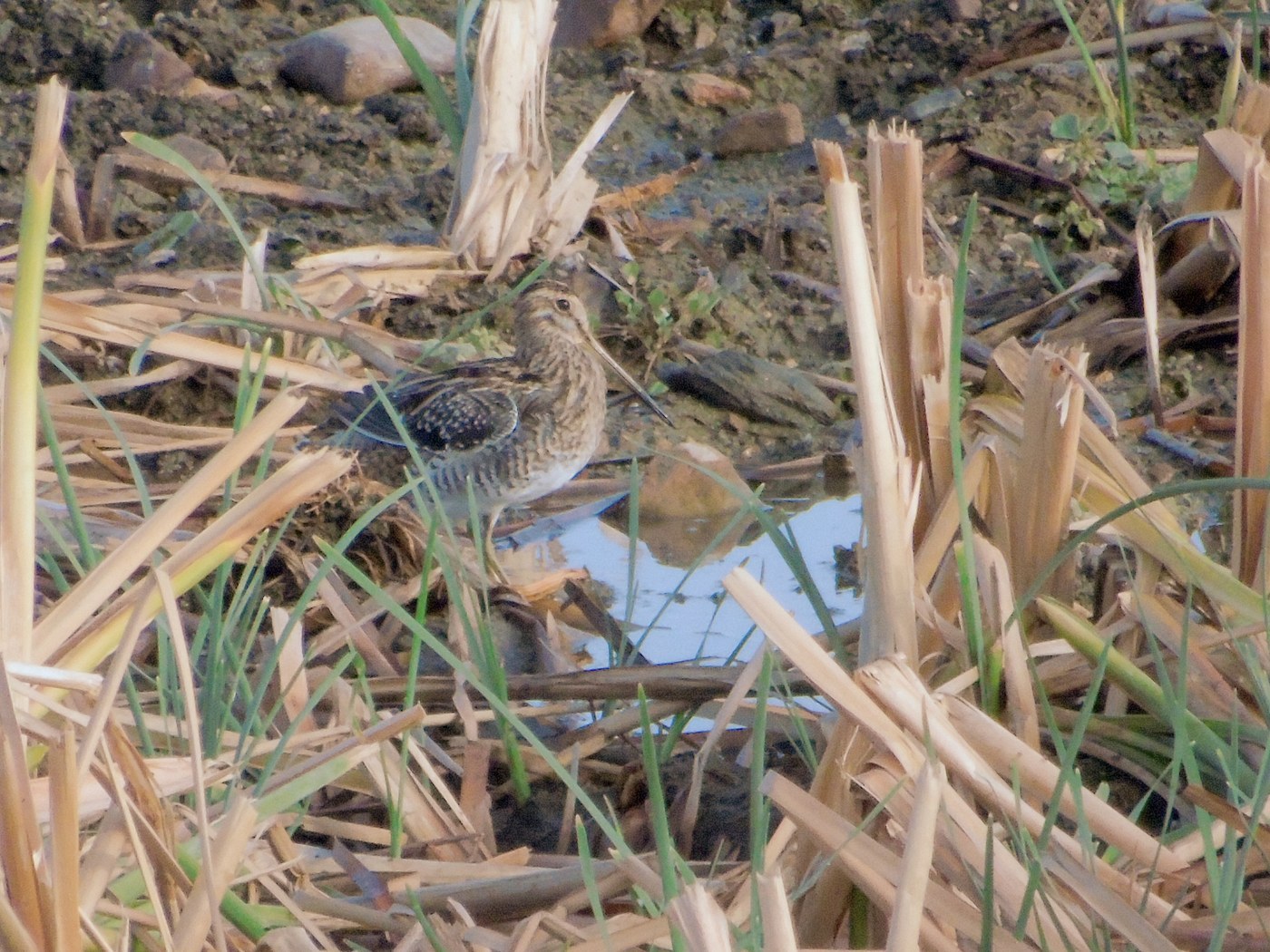
Common Snipe
Gallinago gallinago
The Eurasian counterpart of Wilson's Snipe, sharing the same superb camouflage pattern and winnowing tail-feather display, distinguished mainly by subtle wing and tail feather details assessable in the hand.
- Feather type
- Cryptic contour, flight, and specialized outer tail feathers
- Colours
- Intricately patterned brown, black, and buff with bold cream mantle stripes
- Bird size
- Robin-sized, ~25-28 cm
Found a feather like this?
Identify any feather from a photo, free.
Overview
Overview
The Common Snipe is the widespread Eurasian relative of Wilson's Snipe, occupying freshwater marshes and wet meadows across much of Europe and Asia. The two species were once considered a single species and remain extremely similar in appearance, separated mainly by subtle structural differences.
Feathers are typically found in dense marsh vegetation, and the species' narrow outer tail feathers, used in its winnowing display, are a particularly distinctive find.
Identifying the Feather
Feather Identification
- Upperparts: intricately patterned black, brown, and buff feathers with bold cream mantle stripes, providing excellent camouflage among wetland vegetation, essentially identical to Wilson's Snipe.
- Outer tail feathers: narrow, stiffened feathers that produce a winnowing sound during display flight; Common Snipe typically has slightly broader white tips on these feathers than Wilson's Snipe, though this is a subtle, hand-examination-level distinction.
- Wing feathers: a broader white trailing edge to the secondaries than in Wilson's Snipe, visible in flight and occasionally assessable on a shed wing feather.
- Underparts: barred flanks and a whitish belly, matching the pattern seen in Wilson's Snipe.
- Versus Wilson's Snipe: the two are best separated, where ranges might overlap, by the broader white secondary trailing edge and slightly different outer tail feather proportions in Common Snipe.
Plumage & Molt
Plumage Notes
Adults show intricate camouflage patterning year-round with bold buff-and-black mantle stripes and barred underparts, with no strong seasonal plumage change and no obvious difference between sexes. Juveniles closely resemble adults.
The complete molt generally follows the breeding season, with the specialized outer tail feathers replaced along with the rest of the tail.
Habitat & Range
Habitat & Range
Common Snipe breeds across a broad swath of Europe and Asia, from the British Isles and Scandinavia east across Russia, in wet meadows, bogs, and marshes. Northern populations migrate south for winter, with birds wintering across southern Europe, Africa, and South and Southeast Asia, while milder-climate populations may remain resident.
Behavior & Field Notes
Behavior & Field Notes
Common Snipe forage by probing deeply into soft mud with a long, flexible bill, relying on excellent camouflage and freezing behavior to avoid predators before flushing abruptly with a sharp call. During courtship, males perform steep display dives that produce a winnowing sound through specialized tail feathers rather than a vocalization.
Nests are well-hidden scrapes in dense marsh vegetation. Feathers, especially the narrow winnowing tail feathers, are a strong identifying find in Eurasian wetland habitats.
Frequently asked questions
How can I tell Common Snipe feathers from Wilson's Snipe feathers?
The two are extremely similar; Common Snipe typically shows a broader white trailing edge on the secondaries and slightly different outer tail feather proportions, best assessed in the hand.
What produces the winnowing sound during display flights?
Air vibrating through narrow, specialized outer tail feathers during steep dives, not a vocal call.
Where would Common Snipe feathers be found?
In dense vegetation within freshwater marshes, wet meadows, and bogs across Europe and Asia.
Do Common Snipe show seasonal plumage change?
No, their intricate camouflage pattern stays largely consistent throughout the year.
Are Common Snipe and Wilson's Snipe closely related?
Yes, they were formerly considered the same species and remain nearly identical apart from subtle structural feather differences.
Common Snipe guides
In-depth guides for identifying and understanding Common Snipe.
Other feathers you may enjoy
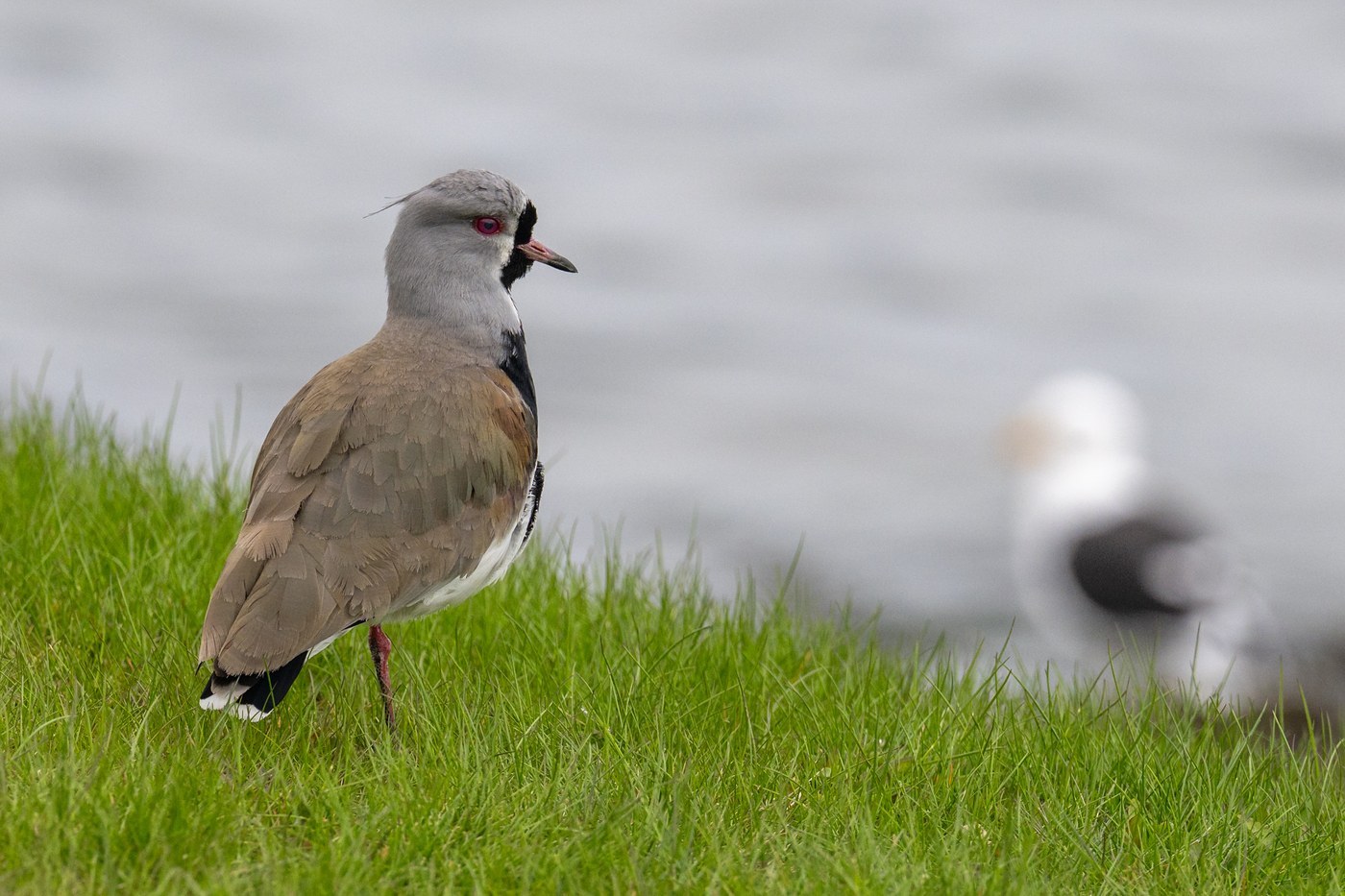
Southern Lapwing
Body, flight, and tail feathers

Jack Snipe
Body and flight feathers

Far Eastern Curlew
Body, flight, and tail feathers

Terek Sandpiper
Body and flight feathers

Wilson's Phalarope
Body and flight feathers
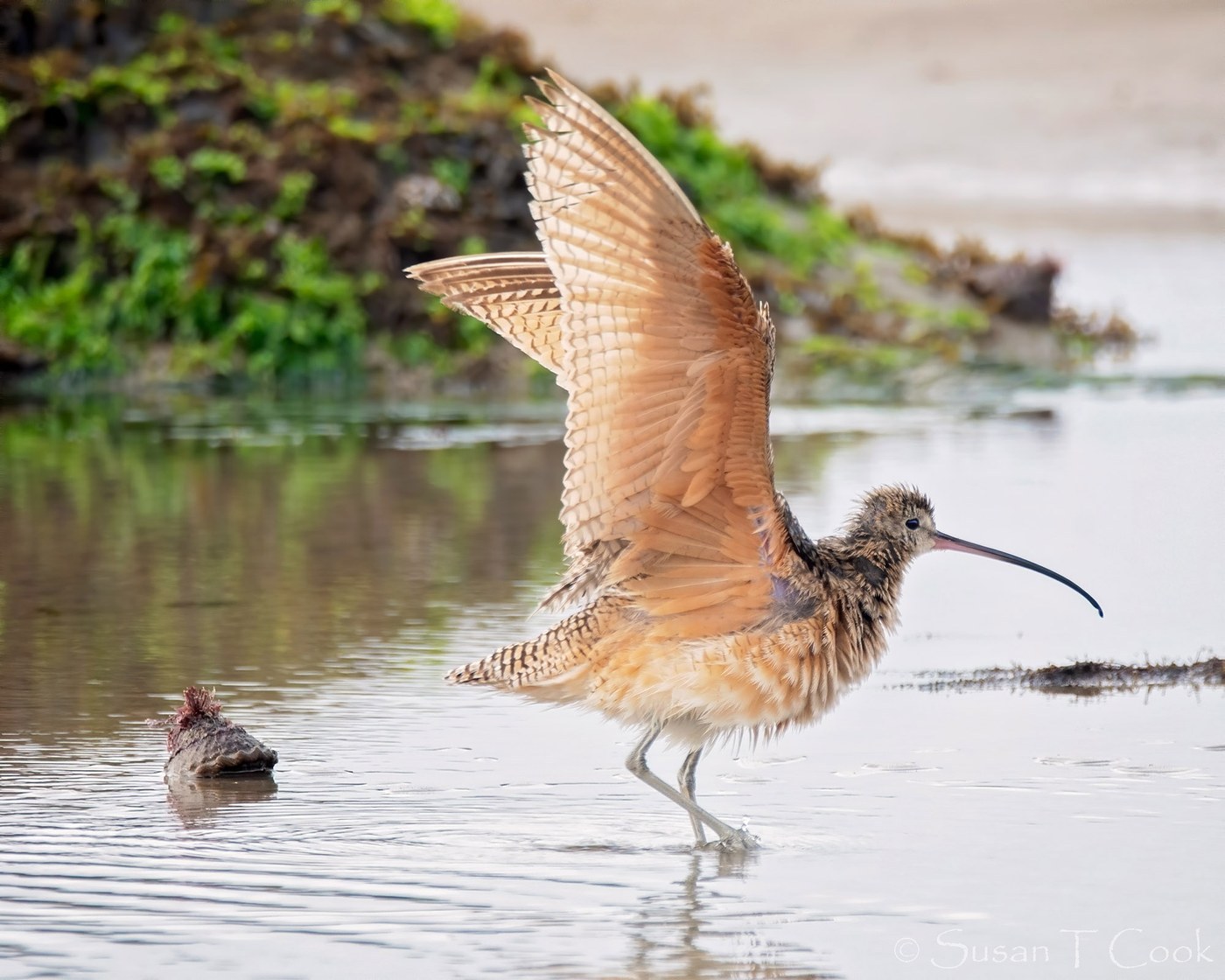
Long-billed Curlew
Body, flight, and tail feathers

Upland Sandpiper
Body, flight, and tail feathers

Red Phalarope
Body and flight feathers

Eurasian Dotterel
Body feathers
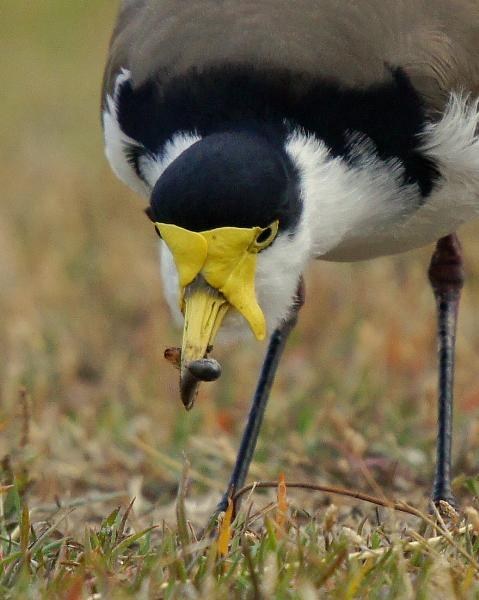
Masked Lapwing
Body, flight, and tail feathers
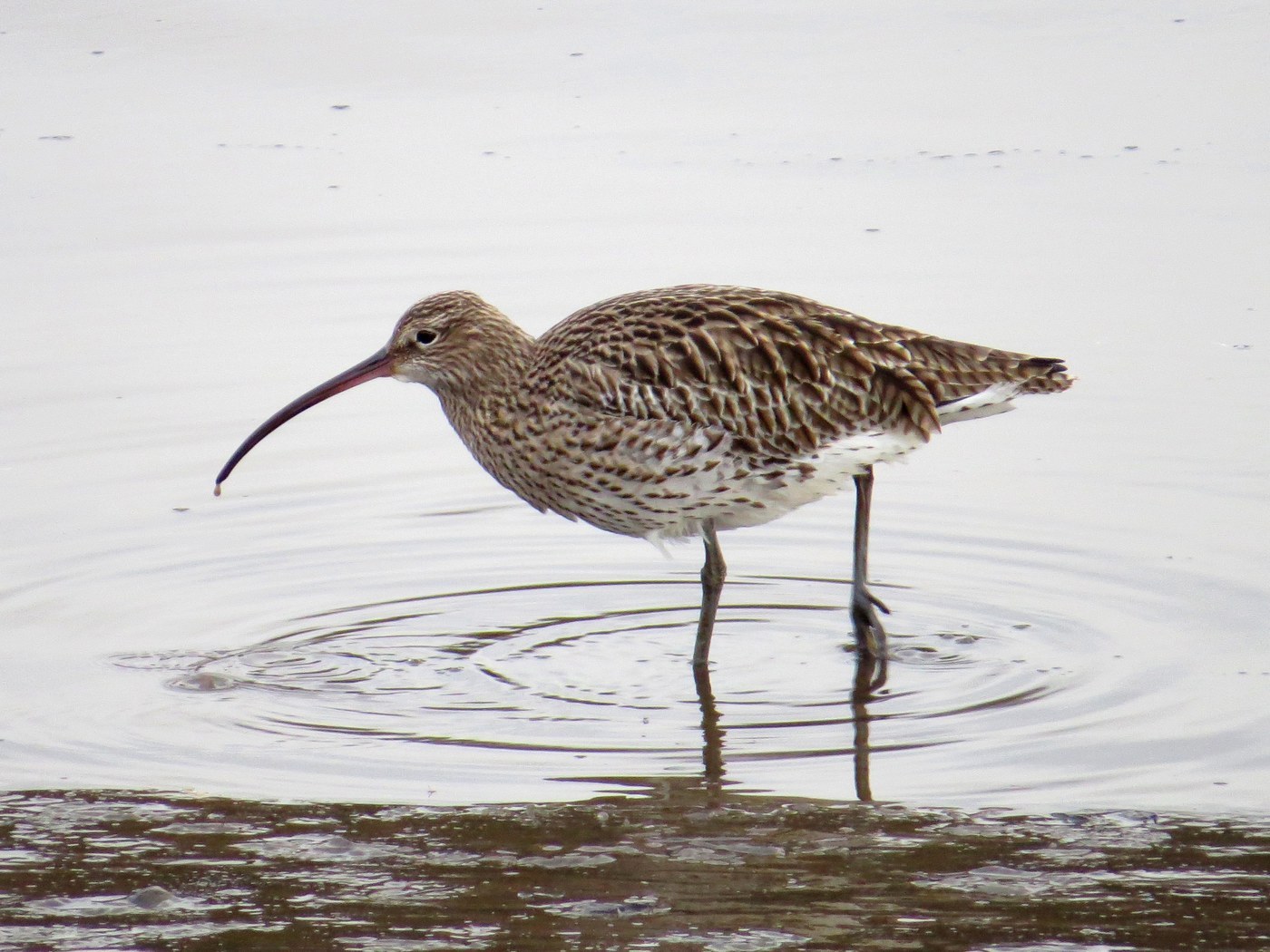
Eurasian Curlew
Body, flight, and tail feathers
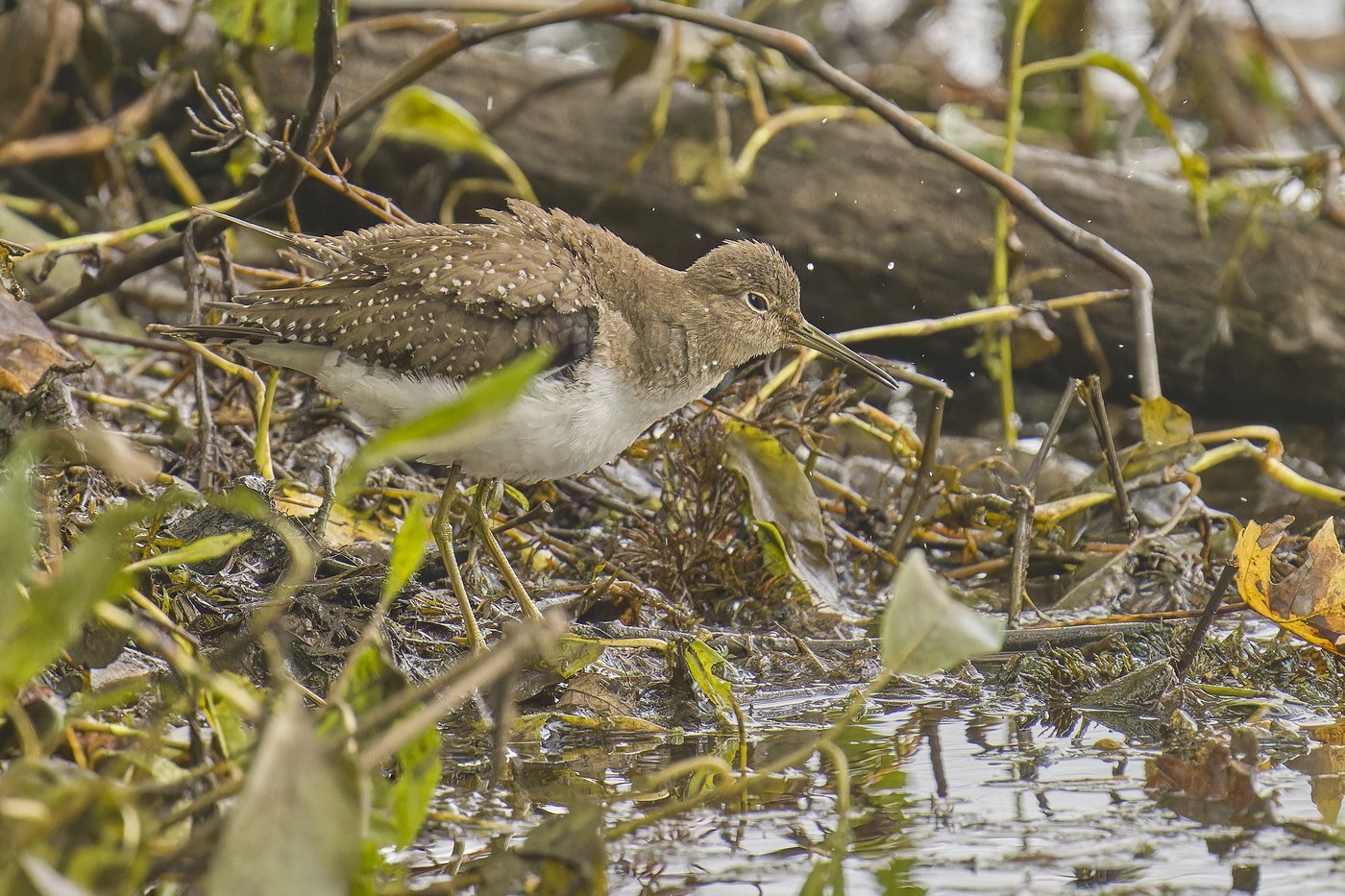
Solitary Sandpiper
Contour and flight feathers