

Crested Owl
Lophostrix cristata
A dark, richly colored Neotropical rainforest owl with unusually long, prominent whitish ear-tuft feathers and a bold white eyebrow stripe against otherwise dark brown plumage.
- Feather type
- Long white ear-tuft feathers; dense dark body plumage; broad flight feathers
- Colours
- Rich dark brown overall with long whitish ear-tuft feathers and a white brow stripe
- Bird size
- Large, ~38-46 cm
Found a feather like this?
Identify any feather from a photo, free.
Overview
The Crested Owl is a distinctive owl of lowland tropical rainforest across Central and South America, easily recognized by its long, prominent whitish ear tufts, longer and more conspicuous than those of most other Neotropical owls. Its overall dark brown plumage contrasts strongly with these pale crest feathers and a bold white eyebrow stripe.
It remains hidden in dense forest canopy by day, relying on its dark coloration and stillness for camouflage, and becomes active at night to hunt within the forest interior. Pairs are generally sedentary, occupying the same territory for extended periods.
Its long crest feathers, when found separately, are one of the more distinctive owl feather types in Neotropical forests, differing markedly from the shorter, less conspicuous ear tufts of most other regional species.
Identifying the Feather
Size and shape
Large feathers from a bird 38-46 cm long, notable for the unusually long ear-tuft feathers, which can be considerably longer than those of most other Neotropical owls.
Color and pattern
- Body plumage is rich dark brown overall, relatively uniform with subtle fine mottling.
- The ear-tuft feathers are whitish to pale buff, long and narrow, standing out sharply against the dark head.
- A bold white eyebrow stripe runs above each eye.
- Shafts are dark brown on body feathers and pale on the crest feathers.
Distinguishing from similar species
Compared to the Spectacled Owl, which shares its rainforest range, Crested Owl feathers are more uniformly dark brown overall rather than showing the sharply demarcated hood-and-belly pattern of the Spectacled Owl, and are readily distinguished by the unusually long whitish ear-tuft feathers, which the Spectacled Owl lacks.
Plumage & Molt
Adults are rich dark brown overall, with long, narrow whitish to pale buff ear-tuft feathers and a bold white eyebrow stripe. Two color forms are recognized, one darker and one paler, differing subtly in overall tone. Sexes look alike. Juveniles are paler and downier, with less developed crest feathers. Molt follows breeding on an annual cycle.
Habitat & Range
This species is found from southern Mexico through Central America and into northern and central South America, favoring lowland tropical rainforest, particularly areas with dense understorey and tall trees for roosting. It is resident, with pairs holding stable forest territories.
Behavior & Field Notes
Crested Owls hunt insects and small vertebrates within the forest interior at night, remaining still and camouflaged in dense foliage during the day. The call is a low, guttural growling or grunting series of notes, quite different from typical hoots. Nests are placed in tree cavities or on the top of stumps. When identifying a feather, look for rich dark brown body plumage combined with unusually long, narrow, whitish ear-tuft feathers, a combination distinctive among Neotropical forest owls.
Frequently asked questions
What is the most distinctive feature of the Crested Owl?
Its unusually long, prominent whitish ear-tuft feathers, longer than those of most other Neotropical owls, are the most distinctive identifying feature.
How can I tell a Crested Owl feather from a Spectacled Owl feather?
Crested Owl body feathers are more uniformly dark brown, lacking the sharply demarcated hood-and-belly contrast of the Spectacled Owl, and the long whitish ear-tuft feathers are unique to the Crested Owl.
What does the Crested Owl sound like?
It gives a low, guttural growling or grunting call, quite different from the hoots typical of many other owl species.
Where is the Crested Owl found?
It occurs in lowland tropical rainforest from southern Mexico through Central America and into northern and central South America.
Crested Owl guides
In-depth guides for identifying and understanding Crested Owl.

Other feathers you may enjoy

Tawny Owl
Wing (flight) and body (contour) feathers
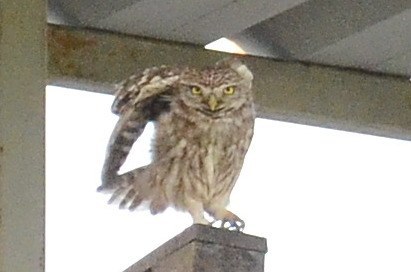
Little Owl
Wing and body feathers

Balsas Screech-Owl
Small ear-tuft feathers; soft, finely vermiculated body feathers

Blakiston's Fish Owl
Massive flight feathers with looser structure; shaggy body plumage; prominent ear-tuft feathers

Barn Owl
Wing and facial-disc feathers
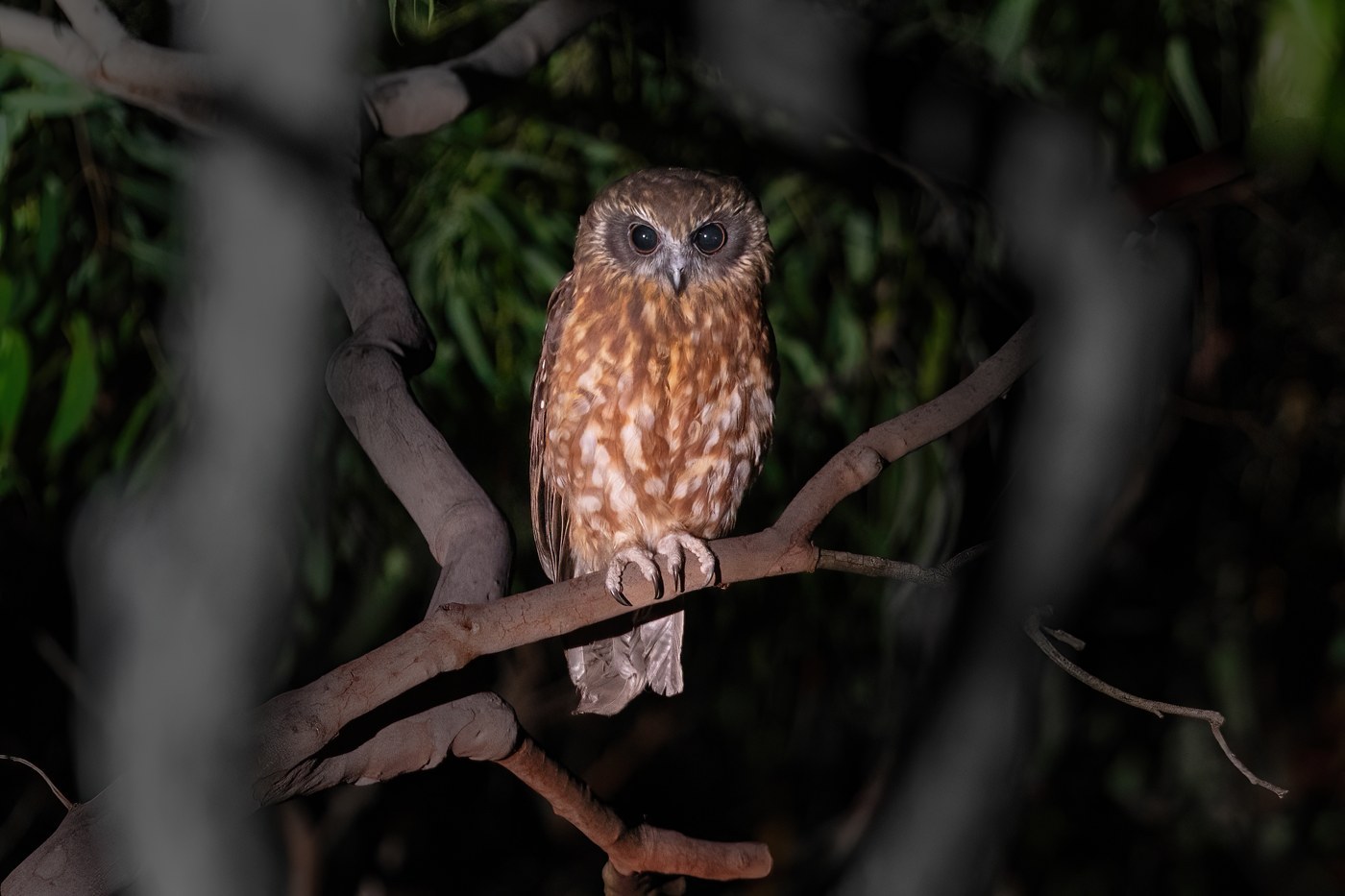
Southern Boobook
Rounded flight feathers; banded tail; spotted body plumage

Sooty Owl
Broad soft-edged flight feathers; heart-shaped facial disc feathers; finely speckled body plumage

Short-eared Owl
Broad soft-fringed flight feathers; streaked body feathers; tiny, rarely visible ear tufts

Stygian Owl
Dark, mottled flight and body feathers with long, closely-set ear tufts
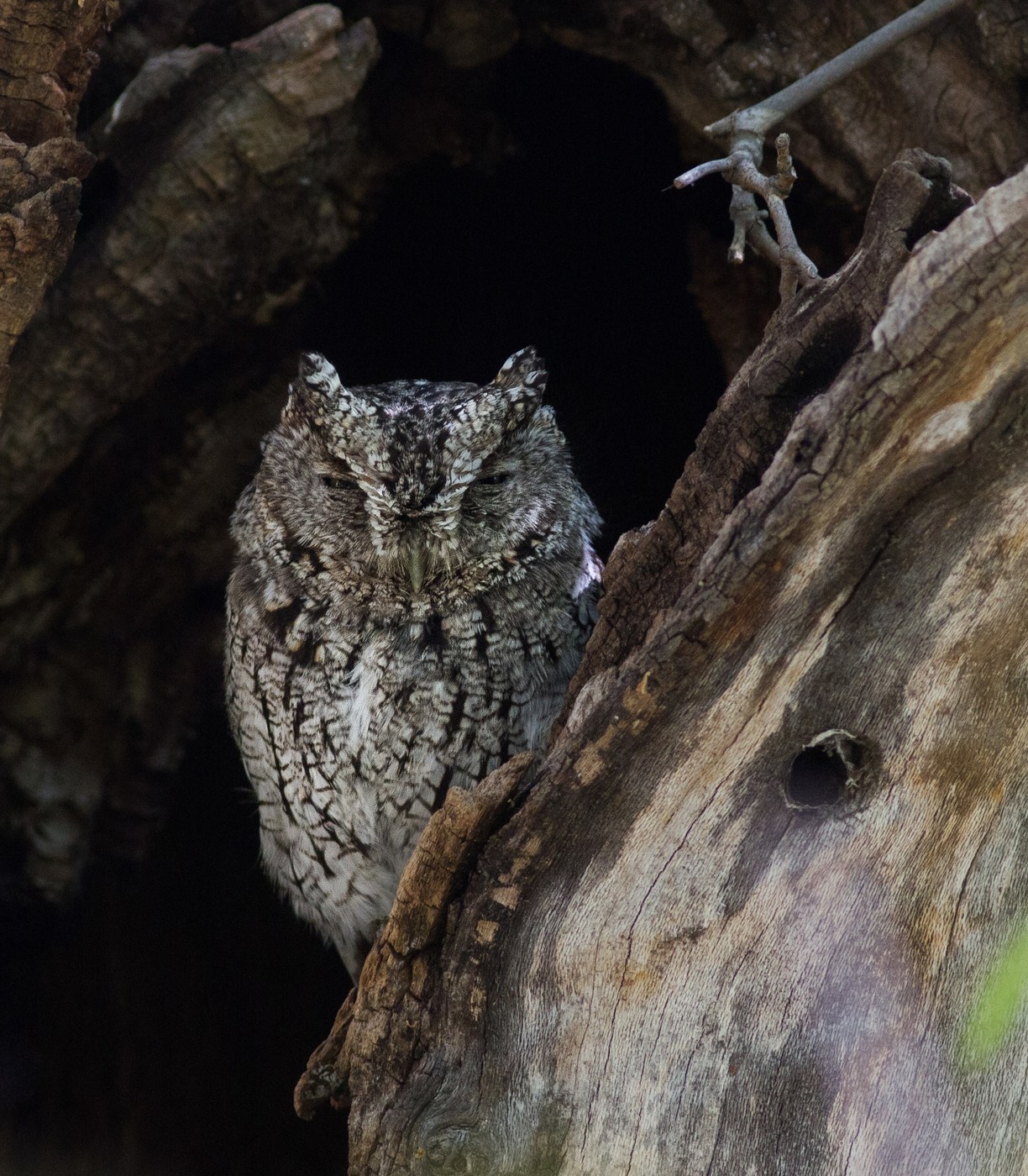
Whiskered Screech-Owl
Small soft-fringed flight feathers; finely mottled body feathers; short ear tufts
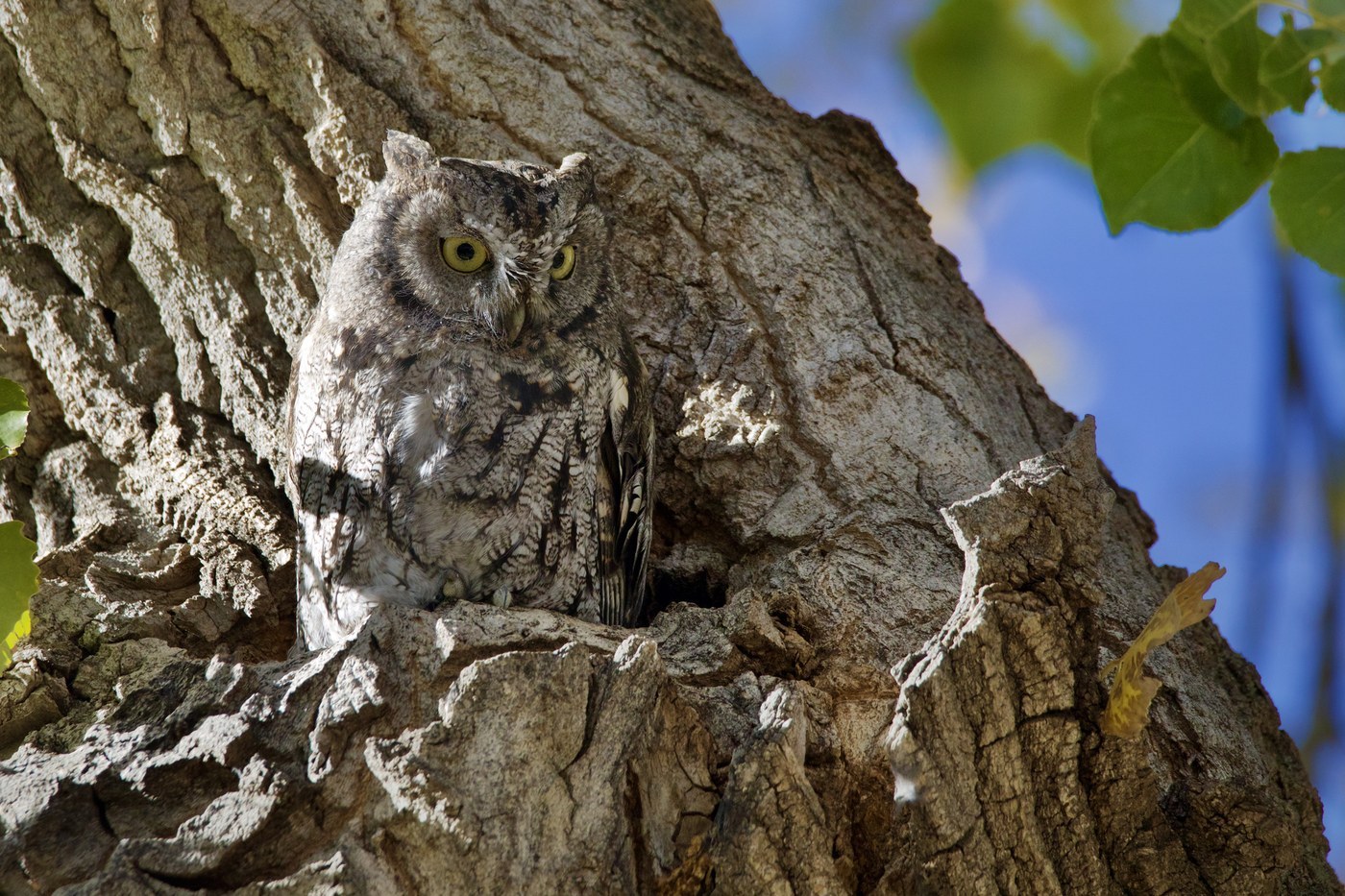
Western Screech-Owl
Small soft-fringed flight feathers; cryptic mottled/streaked body feathers; short ear tufts

White-faced Scops Owl
Small to medium flight feathers with a distinctive whitish facial disc and long ear-tuft plumes